UES Inc., Air Force Research Laboratory, Wright- Patterson Air Force Base, Ohio, United States of America.
The Henry M. Jackson Foundation for the Advancement of Military Medicine, Air Force Research Laboratory, Wright-Patterson Air Force Base, Ohio, United States of America.
PLoS One. 2018 Nov 1;13(11):e0203133. doi: 10.1371/journal.pone.0203133. eCollection 2018.
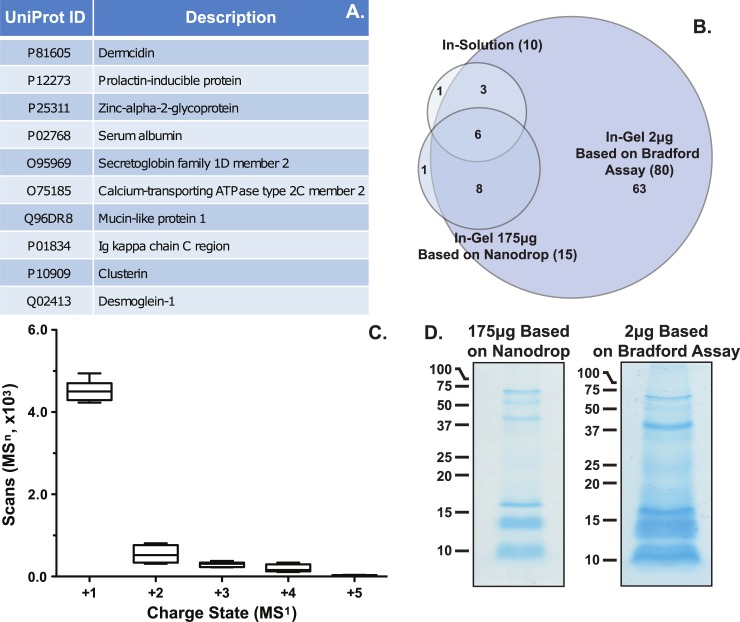
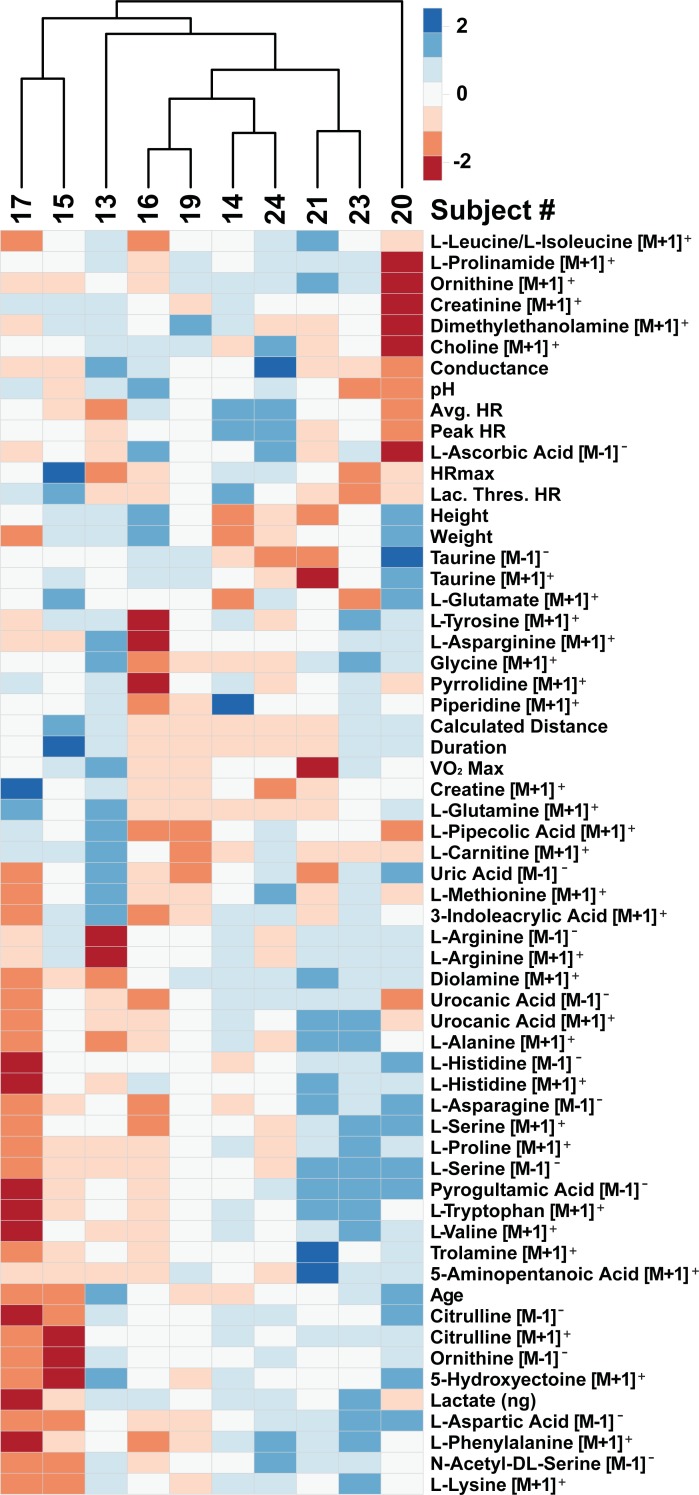
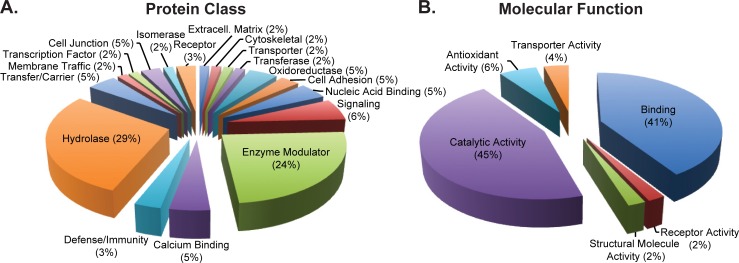
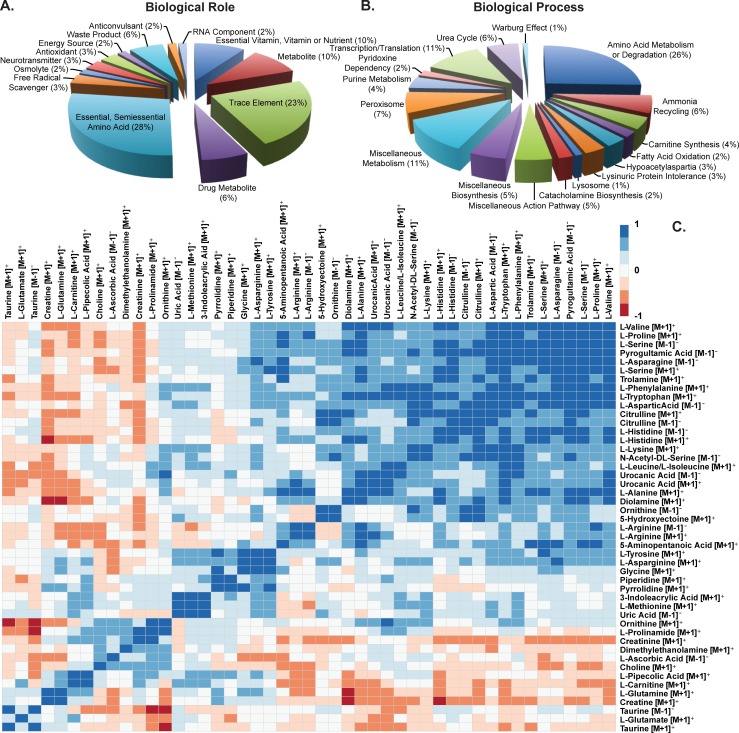
Sweat is a biofluid with several attractive attributes. However, investigation into sweat for biomarker discovery applications is still in its infancy. To add support for the use of sweat as a non-invasive media for human performance monitoring, volunteer participants were subjected to a physical exertion model using a treadmill. Following exercise, sweat was collected, aliquotted, and analyzed for metabolite and protein content via high-resolution mass spectrometry. Overall, the proteomic analysis illustrates significant enrichment steps will be required for proteomic biomarker discovery from single sweat samples as protein abundance is low in this medium. Furthermore, the results indicate a potential for protein degradation, or a large number of low molecular weight protein/peptides, in these samples. Metabolomic analysis shows a strong correlation in the overall abundance among sweat metabolites. Finally, hierarchical clustering of participant metabolite abundances show trends emerging, although no significant trends were observed (alpha = 0.8, lambda = 1 standard error via cross validation). However, these data suggest with a greater number of biological replicates, stronger, statistically significant results, can be obtained. Collectively, this study represents the first to simultaneously use both proteomic and metabolomic analysis to investigate sweat. These data highlight several pitfalls of sweat analysis for biomarker discovery applications.
汗水是一种具有多种吸引力的生物流体。然而,对于将汗水用于生物标志物发现应用的研究仍处于起步阶段。为了增加将汗水用作人体机能监测的非侵入性介质的使用依据,志愿者参与者使用跑步机进行了体力活动模型测试。运动后,收集、等分汗水样本,并通过高分辨率质谱法分析其代谢物和蛋白质含量。总的来说,蛋白质组学分析表明,从单个汗液样本中发现蛋白质生物标志物需要进行大量的富集步骤,因为这种介质中的蛋白质丰度较低。此外,结果表明这些样本中存在蛋白质降解或大量低分子量蛋白质/肽的可能性。代谢组学分析表明,汗液代谢物的整体丰度之间存在很强的相关性。最后,尽管没有观察到显著趋势(通过交叉验证,alpha = 0.8,lambda = 1 标准误差),但参与者代谢物丰度的层次聚类显示出趋势正在出现。然而,这些数据表明,随着更多的生物学重复,可获得更强、统计学上显著的结果。总之,本研究首次同时使用蛋白质组学和代谢组学分析来研究汗水。这些数据突出了在生物标志物发现应用中分析汗水的几个问题。