Department of Internal Medicine-Pediatrics, Harvard Brigham and Women's Hospital, Boston, Massachusetts, United States of America.
Boston Children's Hospital, Boston, Massachusetts, United States of America.
PLoS One. 2018 Nov 5;13(11):e0205673. doi: 10.1371/journal.pone.0205673. eCollection 2018.
In rural areas of the Loreto region within the Peruvian Amazon, maternal mortality rate is above the national average and the majority of women deliver at home without care from a trained health care provider.
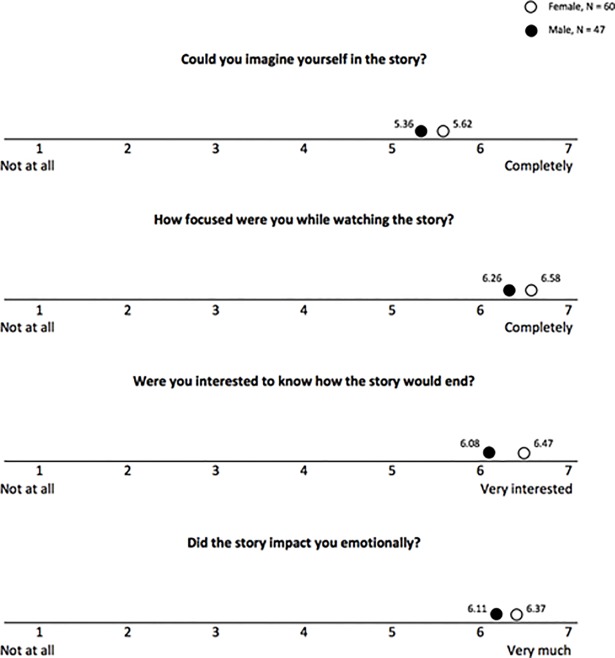
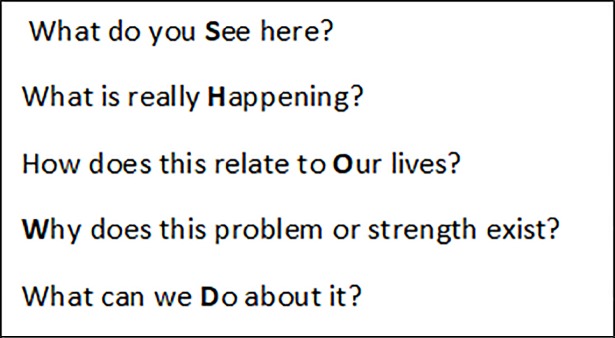
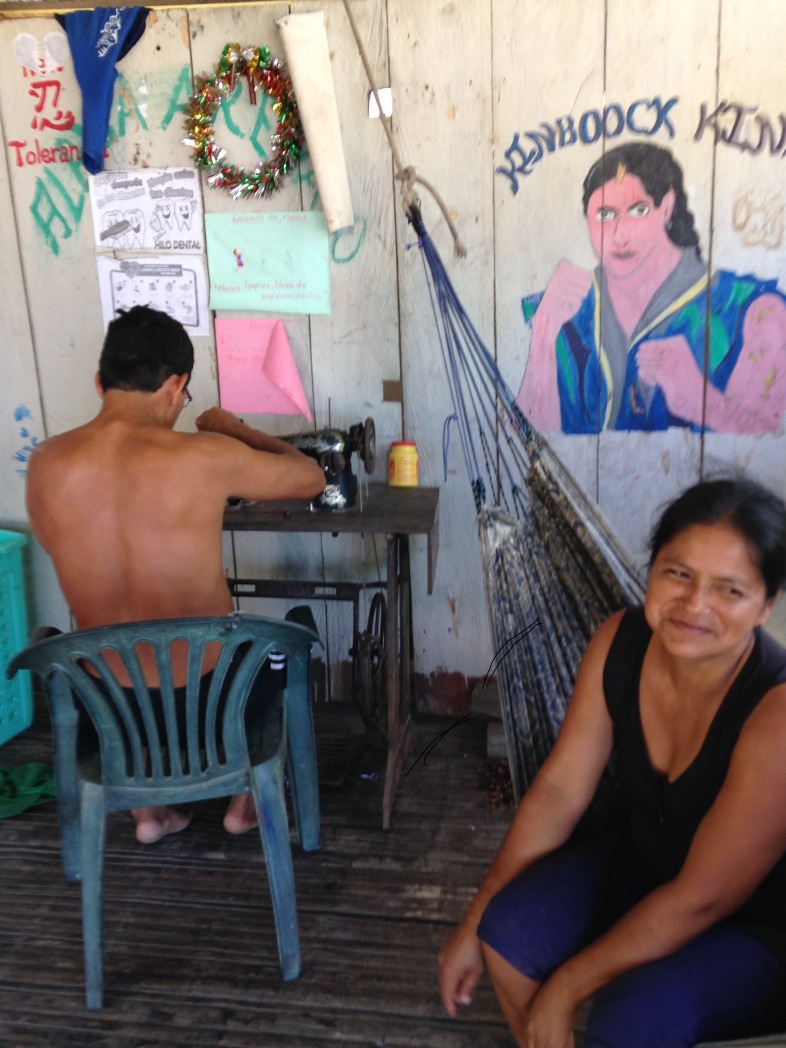
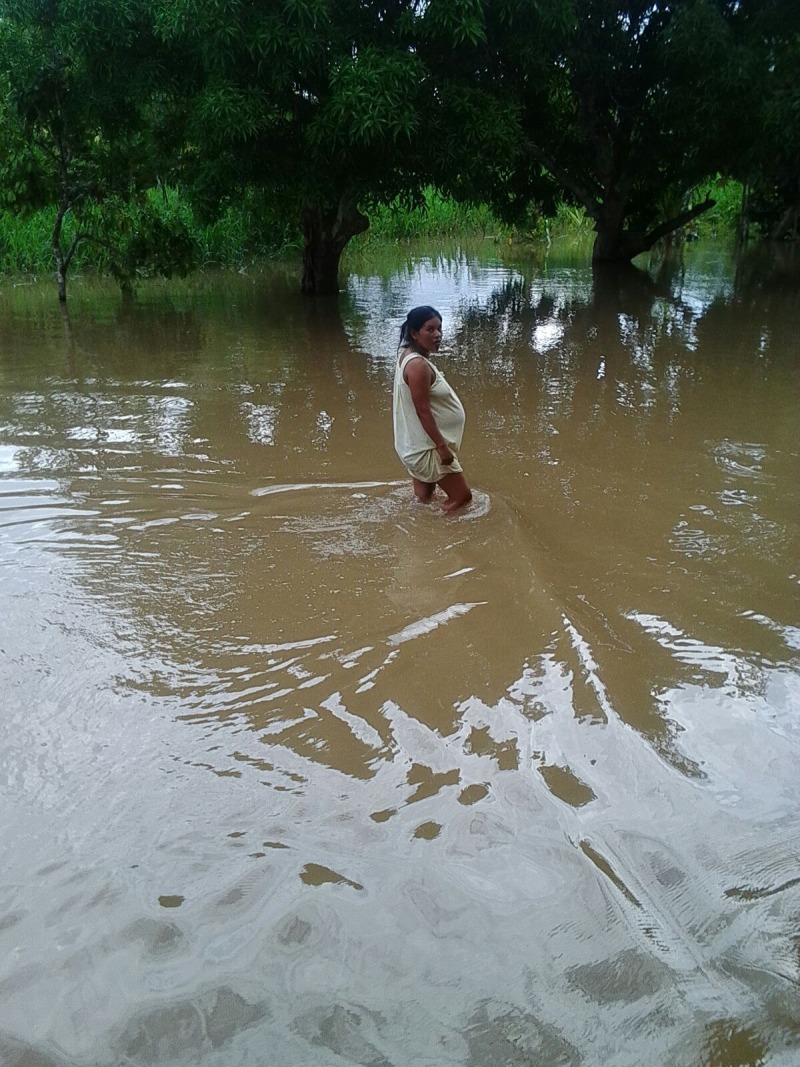
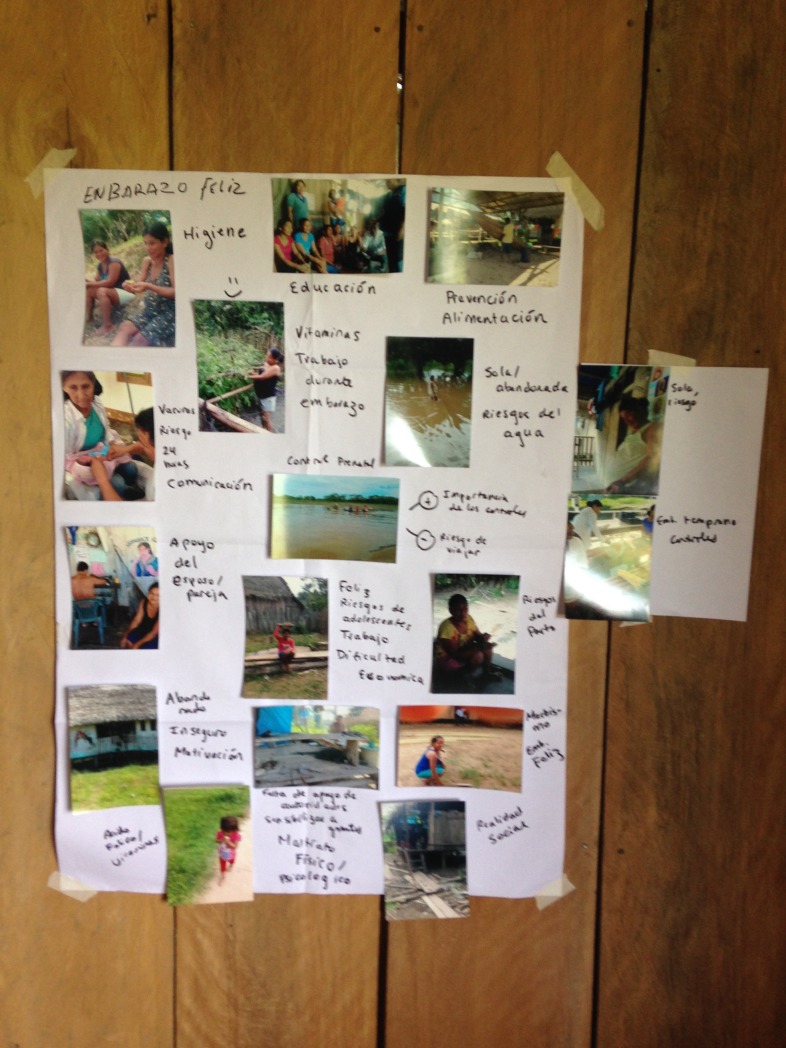
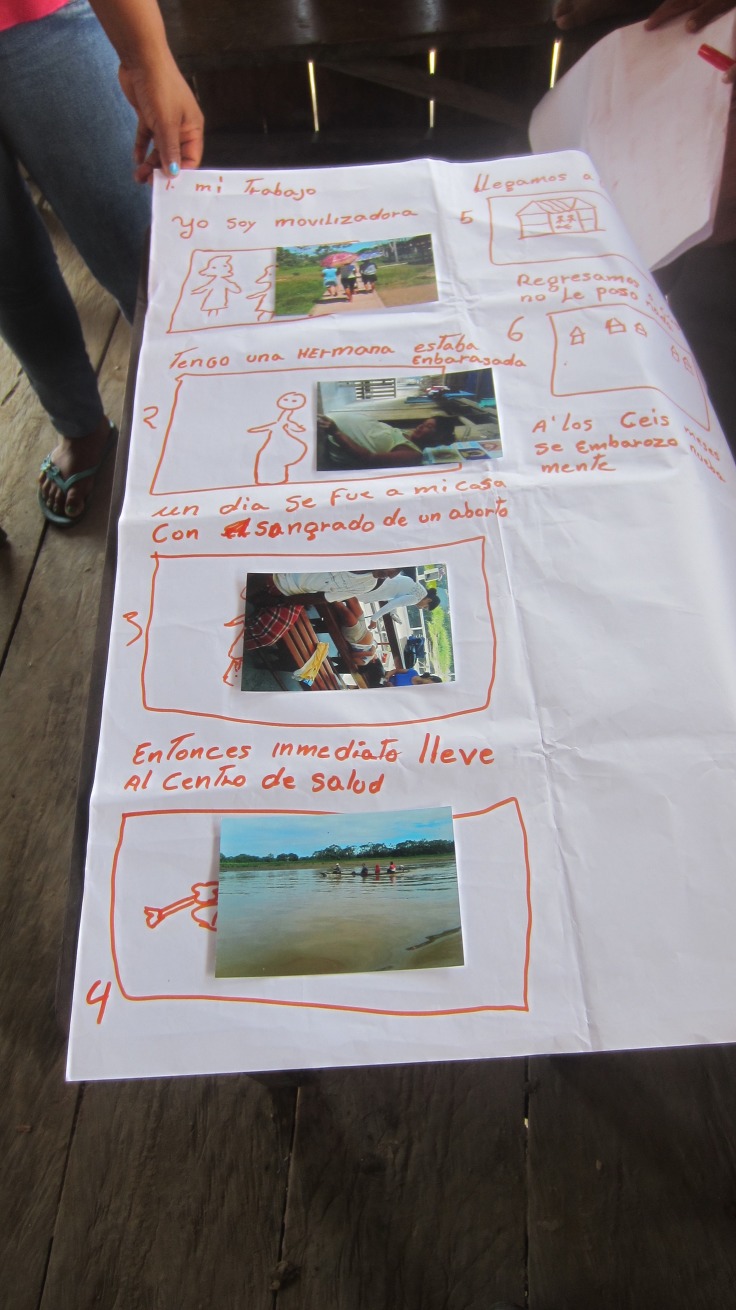
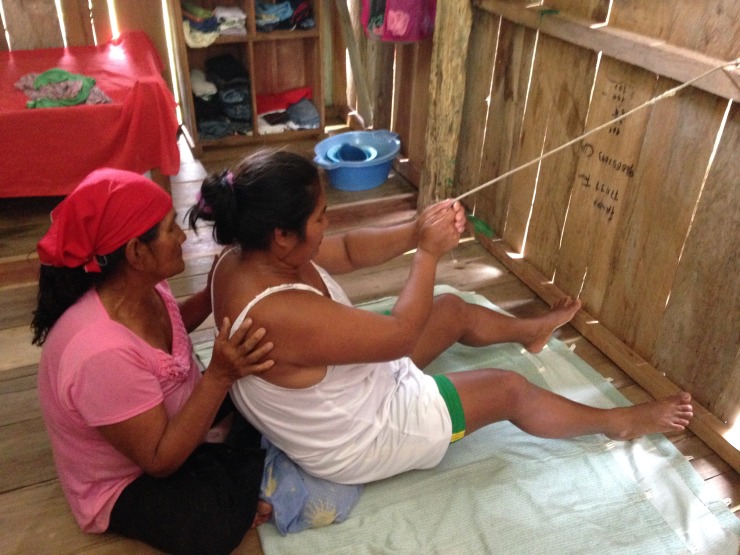
To develop community-tailored videos that could be used for future interventions, we conducted Photovoice and digital storytelling workshops with community health workers (CHW) and mothers from 13 rural communities in the Parinari district. Through Photovoice we recognized local barriers to healthy pregnancies. Participants (n = 28) were trained in basic photography skills and ethics. They captured photos representing perceived pregnancy-related road-blocks and supports, and these photos identified central themes. Participants recorded personal stories and "storyboarded" to develop digital stories around these themes, and a Digital Story Curriculum called Nuestras Historias (Our Stories), was created. An acceptability survey of the digital stories was then conducted including 47 men (M) and 60 women (F).
According to the PhotoVoice workshops, pregnancy-related problems included: lack of partner support, domestic violence, early pregnancies, difficulty attending prenatal appointments, and complications during pregnancy and delivery. Over 30 stories on these themes were recorded. Seven were selected based on clarity, thematic relevance, and narrative quality and were edited by a professional filmmaker. The acceptability survey showed that local participants found the digital stories novel (M = 89.4%, F = 83.3%), relatable (M = 89.4%, F = 93.2%), educational (M = 91.5%, F = 93.3%) and shareable (M = 100%, F = 100%). Over 90% of respondents rated the digital stories as "Excellent" or "Good", found the videos "Useful" and considered them "Relevant" to their communities.
The digital stories address community-specific problems through narrative persuasion using local voices and photography. This combination had a high acceptability among the target population and can serve as a model for developing educational strategies in a community-tailored manner. This package of seven videos will be further evaluated through a cluster randomized trial.
在秘鲁亚马逊地区的洛雷托地区的农村地区,孕产妇死亡率高于全国平均水平,大多数妇女在家中分娩,没有接受过经过培训的医疗保健提供者的护理。
为了开发适合社区的视频,我们可以将其用于未来的干预措施,我们与来自帕里纳里区 13 个农村社区的社区卫生工作者(CHW)和母亲进行了 Photovoice 和数字故事讲述工作坊。通过 Photovoice,我们认识到了当地阻碍健康怀孕的因素。参与者(n=28)接受了基本摄影技巧和道德规范的培训。他们拍摄了代表怀孕相关障碍和支持的照片,并从这些照片中确定了核心主题。参与者记录了个人故事,并围绕这些主题“故事板”制作数字故事,开发了名为 Nuestras Historias(我们的故事)的数字故事课程。然后,对数字故事进行了可接受性调查,其中包括 47 名男性(M)和 60 名女性(F)。
根据 Photovoice 研讨会,与怀孕相关的问题包括:缺乏伴侣支持、家庭暴力、早孕、难以预约产前检查,以及怀孕期间和分娩期间的并发症。记录了 30 多个与这些主题相关的故事。根据清晰度、主题相关性和叙事质量,选择了七个故事进行编辑,并由专业电影制作人进行了编辑。可接受性调查显示,当地参与者认为数字故事新颖(M=89.4%,F=83.3%)、相关(M=89.4%,F=93.2%)、有教育意义(M=91.5%,F=93.3%)和可分享(M=100%,F=100%)。超过 90%的受访者对数字故事的评价为“优秀”或“良好”,认为这些视频“有用”,并认为它们与社区“相关”。
数字故事通过使用当地声音和摄影的叙事说服来解决社区特定问题。这种组合在目标人群中具有很高的可接受性,可以作为以社区为导向制定教育策略的模式。这七个视频将通过集群随机试验进一步评估。