Ghosh Upasona, Bose Shibaji, Bramhachari Rittika, Mandal Sabyasachi
IIHMR University, Jaipur, India.
BMC Health Serv Res. 2016 Nov 15;16(Suppl 7):625. doi: 10.1186/s12913-016-1866-8.
The Indian Sundarbans is marked by inhospitable terrain and frequent climatic shocks which jointly hinder access to health care. Community members, and women in particular, have few means to communicate their concerns to local decision makers. Photovoice is one way in which communities can raise their local health challenges with decision makers. This study unlocks mothers' voices on the determinants of their children's health to inform local level decision-making on child health issues in the Indian Sundarbans.
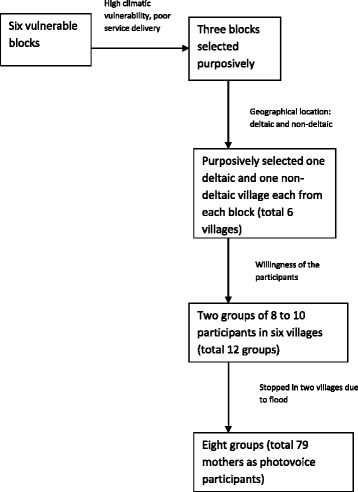
Photovoice action research was conducted in three blocks in the Sundarbans region of West Bengal, India. The project involved eight groups of eight to ten mothers who had at least one child below 6 years of age across four villages. The mothers received training on photo documentation and ethical concerns before taking two rounds of photographs within 6 months, interspersed by fortnightly group meetings facilitated by researchers. Photographs and key messages were communicated to local decision makers during block and village level interface sessions with the mothers and researchers.
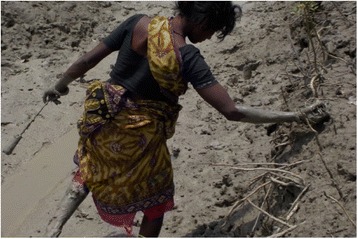
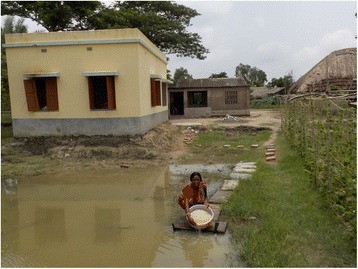
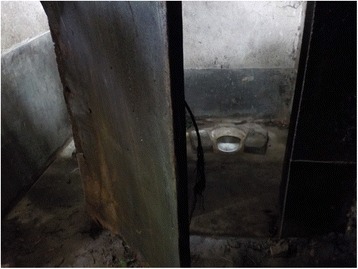
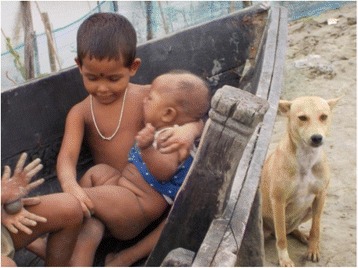
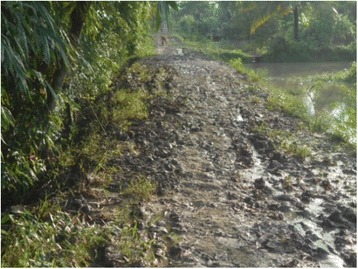
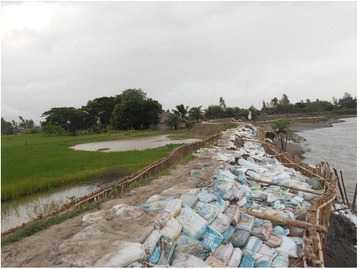
Mothers' photos focused on specific determinants of health, such as water and sanitation; health status, such as malnutrition and non-communicable diseases; service accessibility; climate conditions; and social issues such as early marriage and recurrent pregnancy. Some issues were not captured by photos but were discussed in group meetings, including domestic violence and the non-availability of medical practitioners. We found differences by mother's educational status, livelihood and caste identity in the extent and nature of photographs taken. As a result of the mother's interface with community decision makers, which included showcasing a selection of their photos, efforts to improve road infrastructure and human resource availability in the primary health centres and local government were realized.
Photovoice has the potential to express the voices of vulnerable communities regarding their health needs and can help them dialogue with local decision makers to inform community health policy and planning. More needs to be done to understand how social differences among photovoice participants influences how they engage with the methodology.
印度孙德尔本斯地区地形恶劣,气候冲击频繁,共同阻碍了医疗服务的获取。社区成员,尤其是妇女,几乎没有办法向当地决策者表达他们的担忧。摄影声音法是社区向决策者提出当地健康挑战的一种方式。本研究揭示了母亲们关于其子女健康决定因素的声音,以为印度孙德尔本斯地区儿童健康问题的地方层面决策提供信息。
在印度西孟加拉邦孙德尔本斯地区的三个街区开展了摄影声音行动研究。该项目涉及八组,每组八至十位母亲,她们来自四个村庄,每个母亲至少有一个6岁以下的孩子。母亲们在接受了关于照片记录和伦理问题的培训后,在6个月内分两轮拍摄照片,期间每隔两周由研究人员组织小组会议。在街区和村庄层面与母亲们及研究人员的交流会上,照片和关键信息被传达给了当地决策者。
母亲们的照片聚焦于健康的特定决定因素,如水与卫生设施;健康状况,如营养不良和非传染性疾病;服务可及性;气候条件;以及早婚和多次怀孕等社会问题。有些问题未被照片捕捉到,但在小组会议中进行了讨论,包括家庭暴力和医生短缺。我们发现,母亲的教育程度、生计和种姓身份在拍摄照片的范围和性质上存在差异。由于母亲们与社区决策者进行了交流,包括展示她们的部分照片,改善道路基础设施以及增加初级卫生中心和地方政府人力资源的努力得以实现。
摄影声音法有潜力表达弱势群体关于其健康需求的声音,并能帮助他们与当地决策者进行对话,以为社区卫生政策和规划提供信息。还需要做更多工作来了解摄影声音法参与者之间的社会差异如何影响他们参与该方法的方式。