Cardiovascular Center, Medical College of Wisconsin, Milwaukee, WI, USA.
Department of Medicine, Cardiovascular Medicine, Medical College of Wisconsin, Milwaukee, WI, USA.
Sci Rep. 2018 Nov 8;8(1):16519. doi: 10.1038/s41598-018-34879-6.
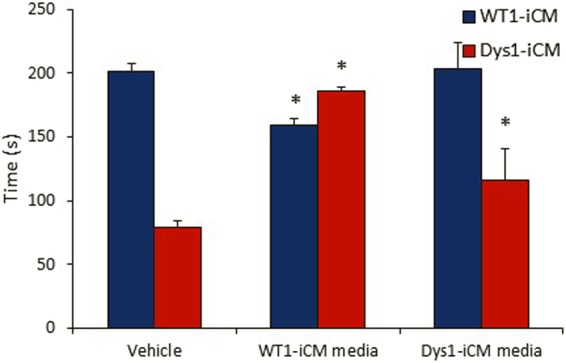
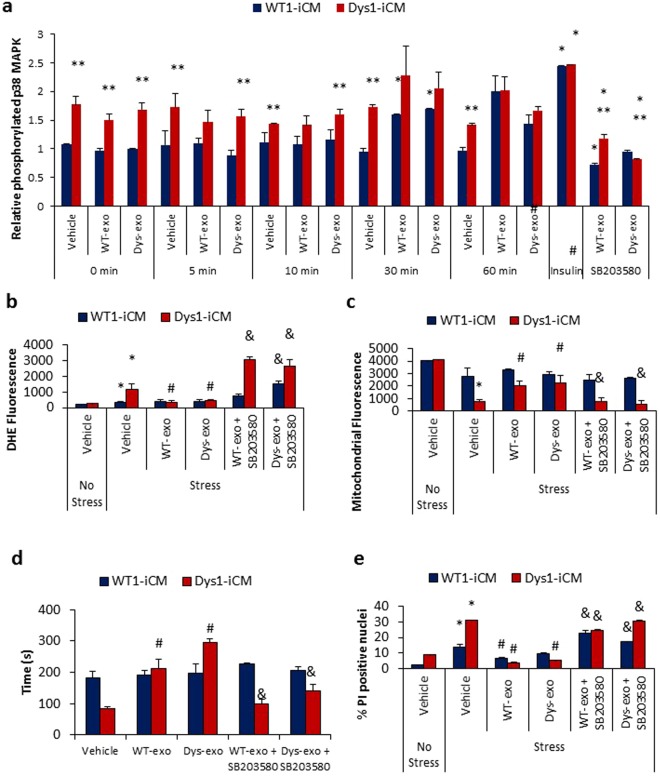
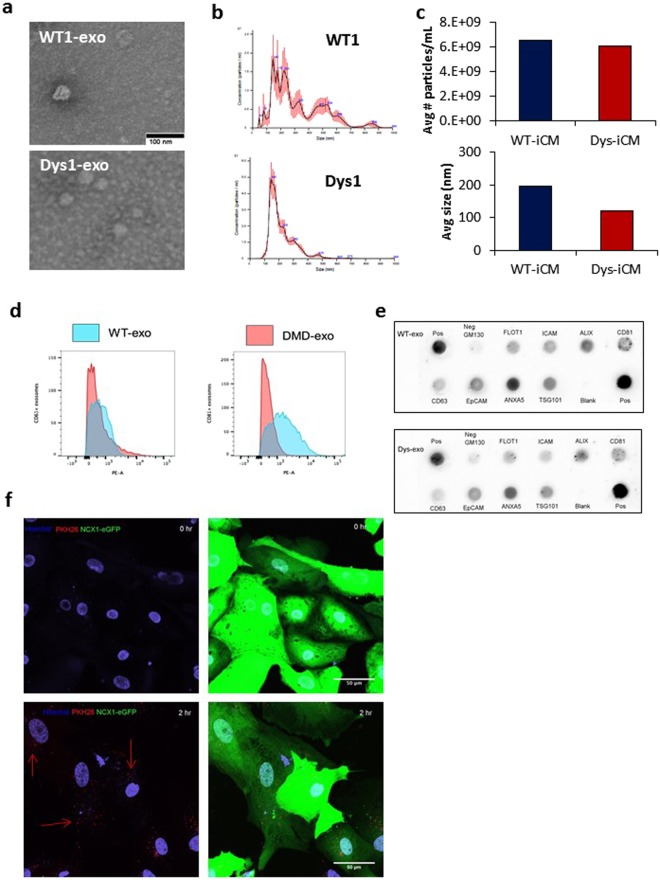
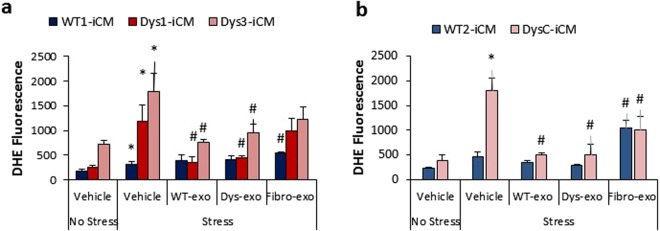
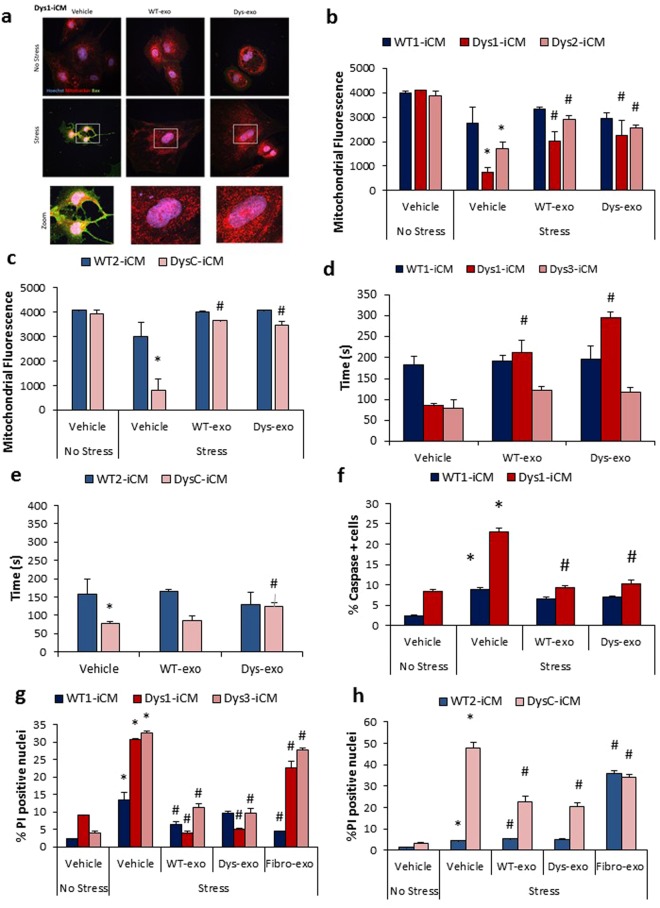
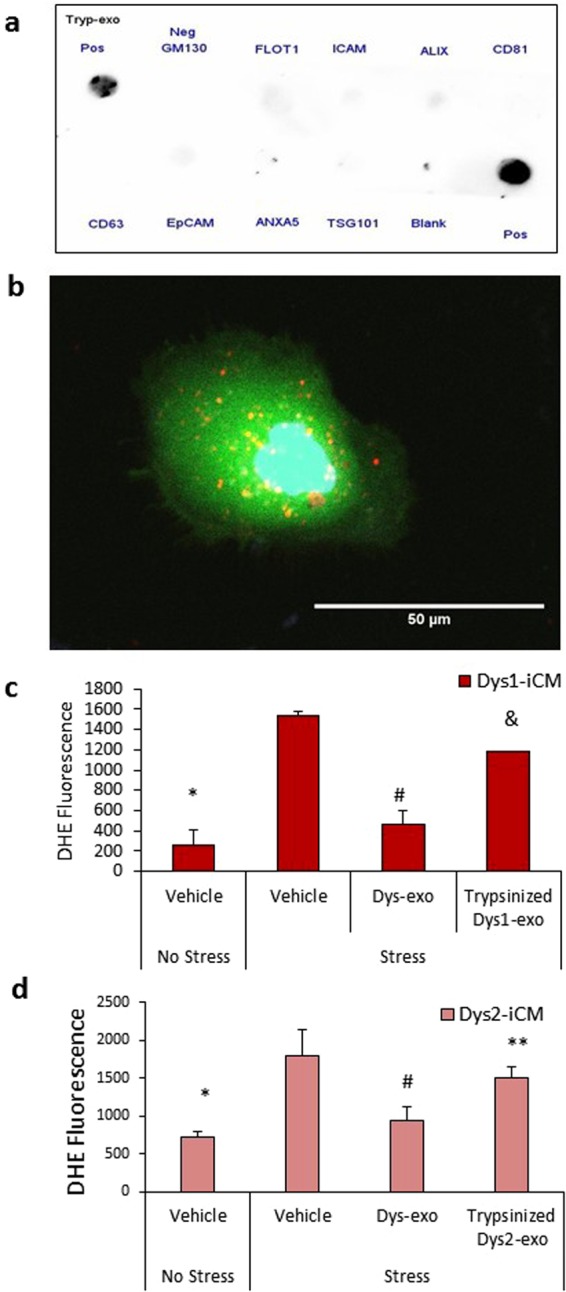
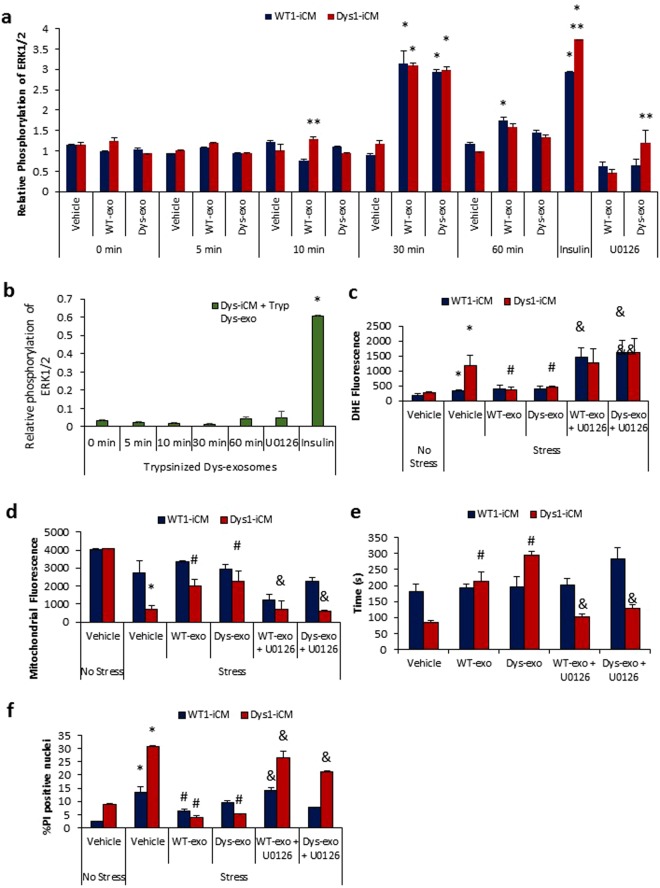
As mediators of intercellular communication, exosomes containing molecular cargo are secreted by cells and taken up by recipient cells to influence cellular phenotype and function. Here we have investigated the effects of exosomes in dystrophin-deficient (Dys) induced pluripotent stem cell derived cardiomyocytes (iCMs). Our data demonstrate that exosomes secreted from either wild type (WT) or Dys-iCMs protect the Dys-iCM from stress-induced injury by decreasing reactive oxygen species and delaying mitochondrial permeability transition pore opening to maintain the mitochondrial membrane potential and decrease cell death. The protective effects of exosomes were dependent on the presence of exosomal surface proteins and activation of ERK1/2 and p38 MAPK signaling. Based on our findings, the acute effects of exosomes on recipient cells can be initiated from exosome membrane proteins and not necessarily their internal cargo.
作为细胞间通讯的介质,含有分子货物的外泌体由细胞分泌,并被受体细胞摄取,从而影响细胞表型和功能。在这里,我们研究了外泌体对肌营养不良症(Dys)诱导的多能干细胞衍生的心肌细胞(iCMs)的影响。我们的数据表明,来自野生型(WT)或 Dys-iCM 的外泌体通过减少活性氧物种和延迟线粒体通透性转换孔的打开来保护 Dys-iCM 免受应激诱导的损伤,以维持线粒体膜电位并减少细胞死亡。外泌体的保护作用取决于外泌体表面蛋白的存在以及 ERK1/2 和 p38 MAPK 信号通路的激活。基于我们的发现,外泌体对受体细胞的急性作用可以从外泌体膜蛋白开始,而不一定是它们的内部货物。