Department of Food Science and Nutrition, College of Food and Agriculture Sciences, King Saud University, Riyadh, Saudi Arabia.
Department of Agricultural Microbiology, Aligarh Muslim University, Aligarh, India.
Front Cell Infect Microbiol. 2018 Oct 25;8:351. doi: 10.3389/fcimb.2018.00351. eCollection 2018.
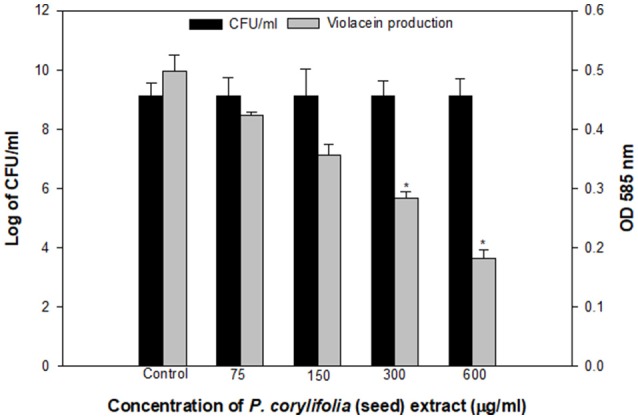
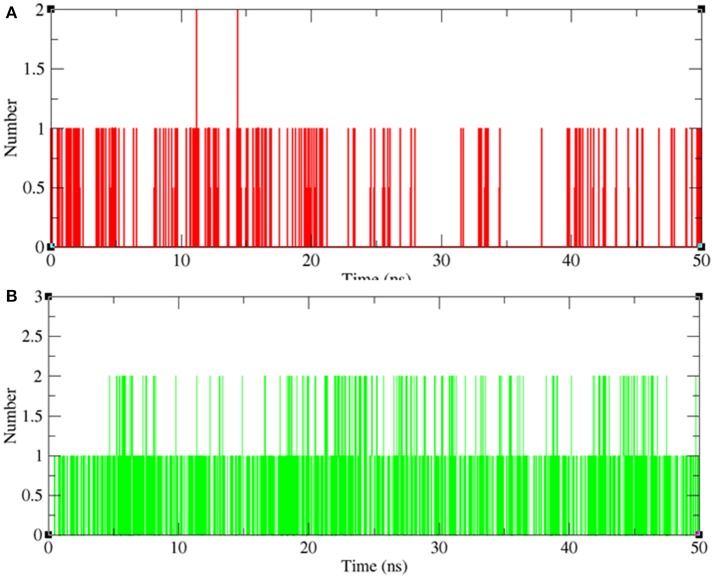
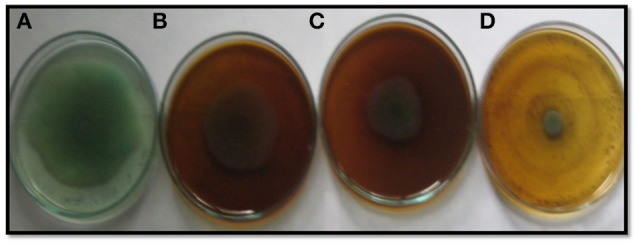
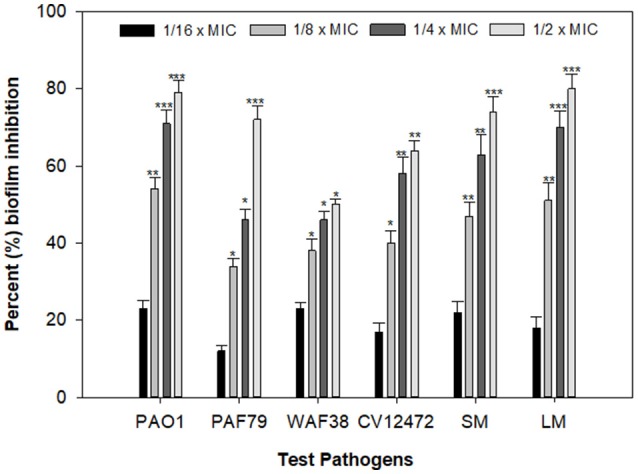
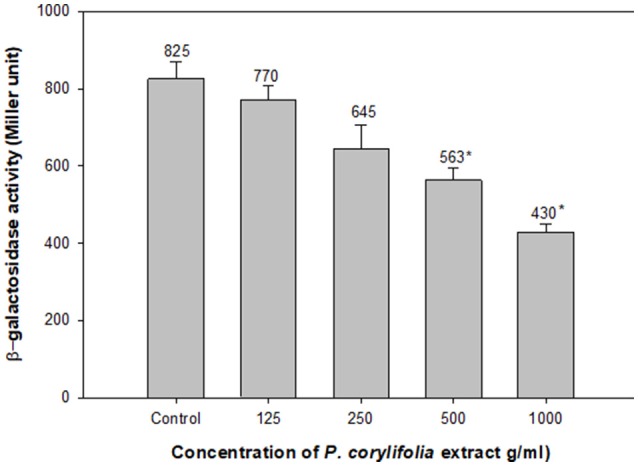
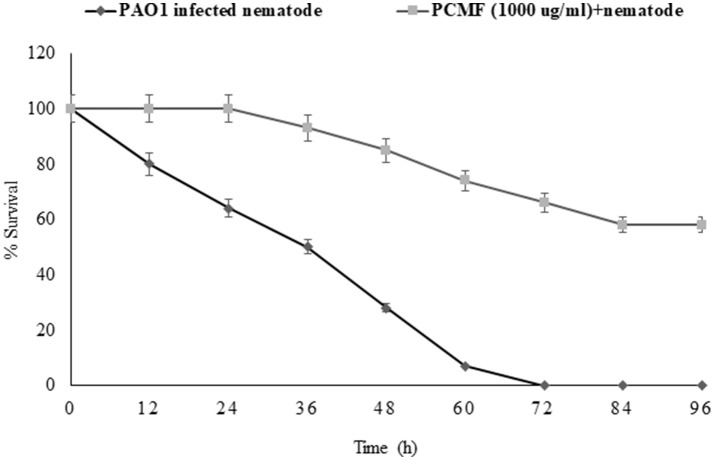
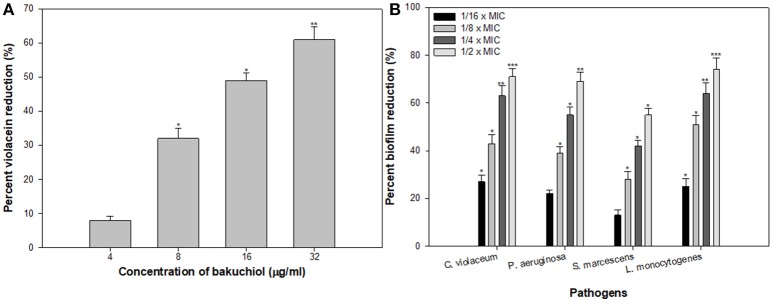
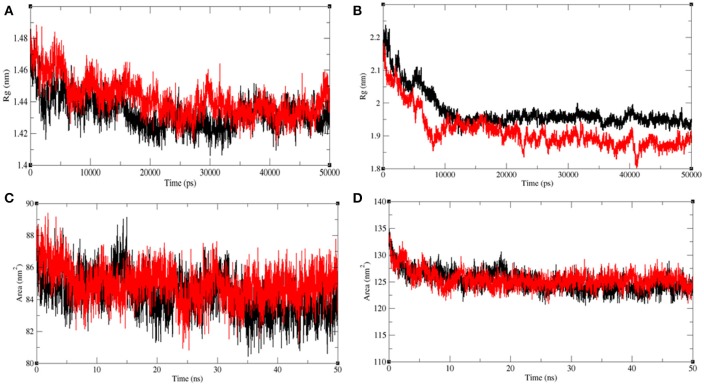
The emergence of multi-drug resistance in pathogenic bacteria in clinical settings as well as food-borne infections has become a serious health concern. The problem of drug resistance necessitates the need for alternative novel therapeutic strategies to combat this menace. One such approach is targeting the quorum-sensing (QS) controlled virulence and biofilm formation. In this study, we first screened different fractions of (seed) for their anti-QS property in the 12472 strain. The methanol fraction was found to be the most active fraction and was selected for further bioassays. At sub-inhibitory concentrations, the methanol fraction (PCMF) reduced QS-regulated virulence functions in CVO26 (violacein); (elastase, protease, pyocyanin, chitinase, exopolysaccharides (EPS), and swarming motility), (protease, EPS), and (prodigiosin). Biofilm formation in all the test pathogens was reduced significantly ( ≤ 0.005) in a concentration-dependent manner. The β-galactosidase assay showed that the PCMF at 1,000 μg/ml downregulated -controlled transcription in PAO1. studies with demonstrated increased survival of the nematodes after treatment with the PCMF. Bakuchiol, a phytoconstituent of the extract, demonstrated significant inhibition of QS-regulated violacein production in and impaired biofilm formation in the test pathogens. The molecular docking results suggested that bakuchiol efficiently binds to the active pockets of LasR and RhlR, and the complexes were stabilized by several hydrophobic interactions. Additionally, the molecular dynamics simulation of LasR, LasR-bakuchiol, RhlR, and RhlR-bakuchiol complexes for 50 ns revealed that the binding of bakuchiol to LasR and RhlR was fairly stable. The study highlights the anti-infective potential of the PCMF and bakuchiol instead of bactericidal or bacteriostatic action, as the extract targets QS-controlled virulence and the biofilm.
临床和食源性病原体中多药耐药的出现已成为严重的健康问题。耐药问题需要寻找新的治疗策略来应对这一威胁。其中一种方法是针对群体感应(QS)控制的毒力和生物膜形成。在这项研究中,我们首先筛选了 (种子)的不同部位在 12472 株中的抗 QS 特性。甲醇部位是最活跃的部位,并被选用于进一步的生物测定。在亚抑菌浓度下, 甲醇部位(PCMF)降低了 CVO26 中的 QS 调节毒力功能(紫黑质;弹性蛋白酶、蛋白酶、绿脓菌素、几丁质酶、胞外多糖(EPS)和群集运动)、 (蛋白酶、EPS)和 (灵菌红素)。所有测试病原体的生物膜形成均显著降低(≤0.005),呈浓度依赖性。β-半乳糖苷酶测定表明,PCMF 在 1000μg/ml 时下调了 PAO1 中 - 控制的转录。研究表明,在用 PCMF 处理后,线虫的存活率增加。该提取物的植物成分补骨脂素对 QS 调节的紫黑质产生有显著抑制作用,并破坏了测试病原体中的生物膜形成。分子对接结果表明,补骨脂素有效地结合到 LasR 和 RhlR 的活性口袋中,并且复合物通过几个疏水相互作用稳定。此外,LasR、LasR-补骨脂素、RhlR 和 RhlR-补骨脂素复合物的 50ns 分子动力学模拟表明,补骨脂素与 LasR 和 RhlR 的结合相当稳定。该研究强调了 PCMF 和补骨脂素的抗感染潜力,而不是杀菌或抑菌作用,因为提取物针对 QS 控制的毒力和生物膜。