Singh Vijay K, Mishra Avinash, Jha Bhavanath
Marine Biotechnology and Ecology Division, CSIR-Central Salt and Marine Chemicals Research InstituteBhavnagar, India.
Front Cell Infect Microbiol. 2017 Jul 26;7:337. doi: 10.3389/fcimb.2017.00337. eCollection 2017.
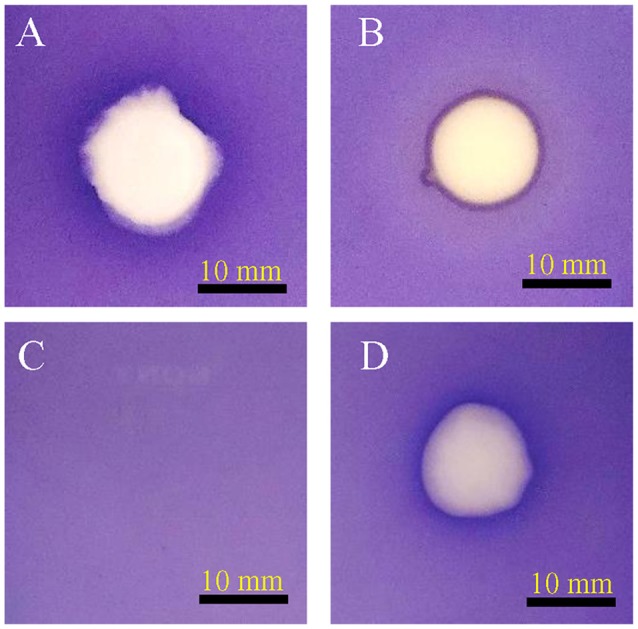
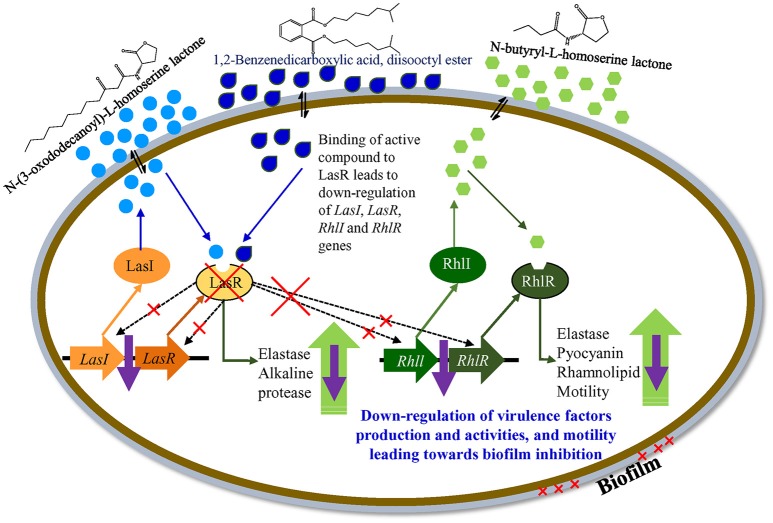
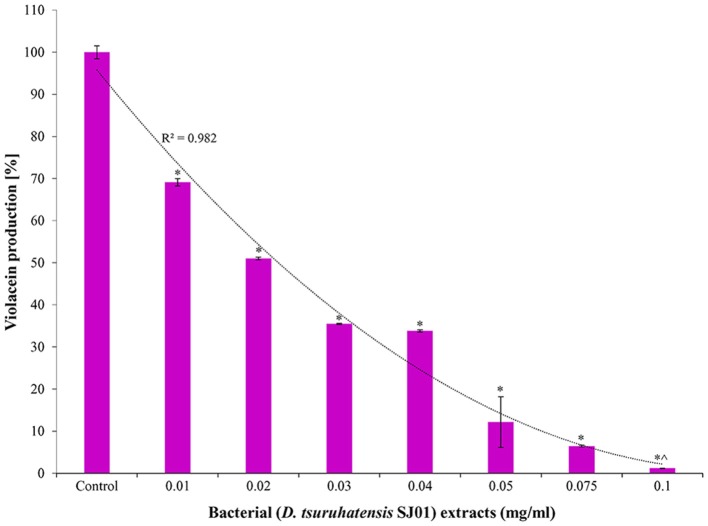
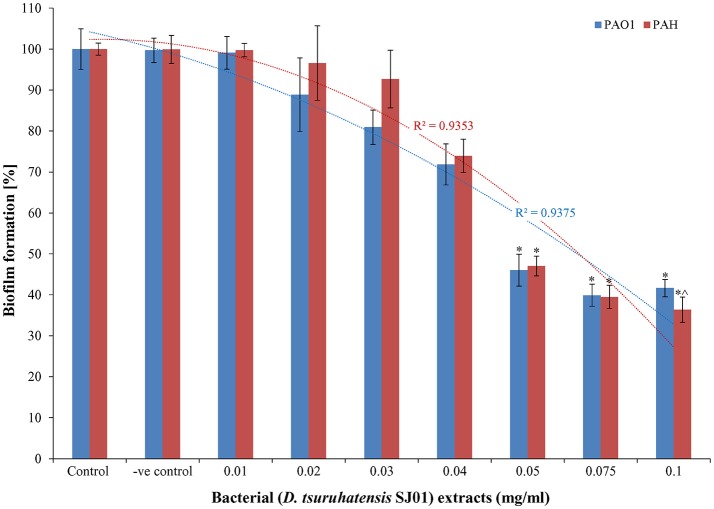
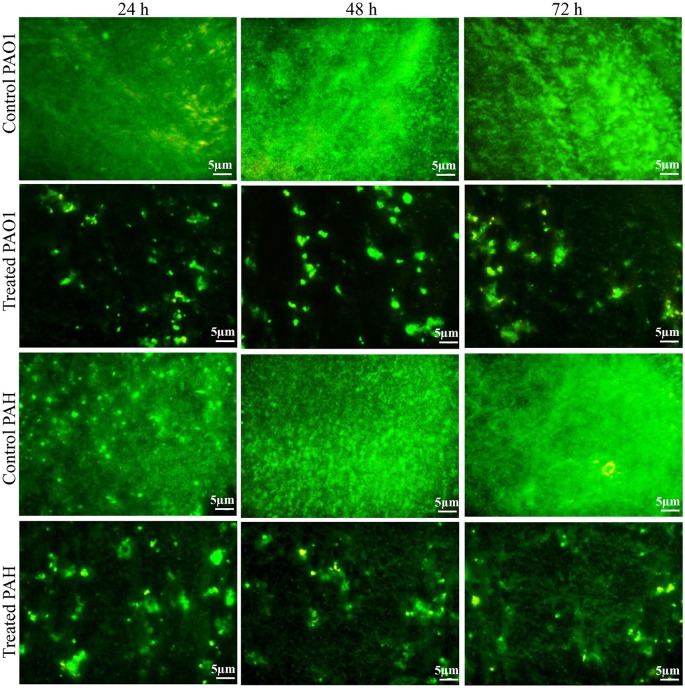
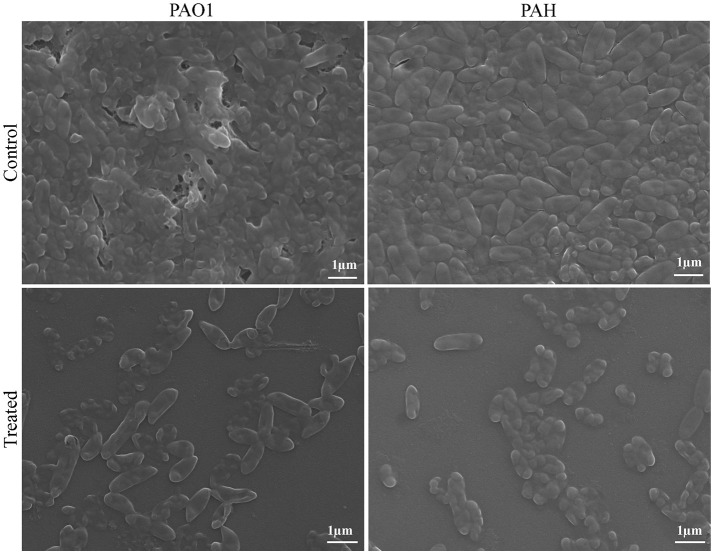
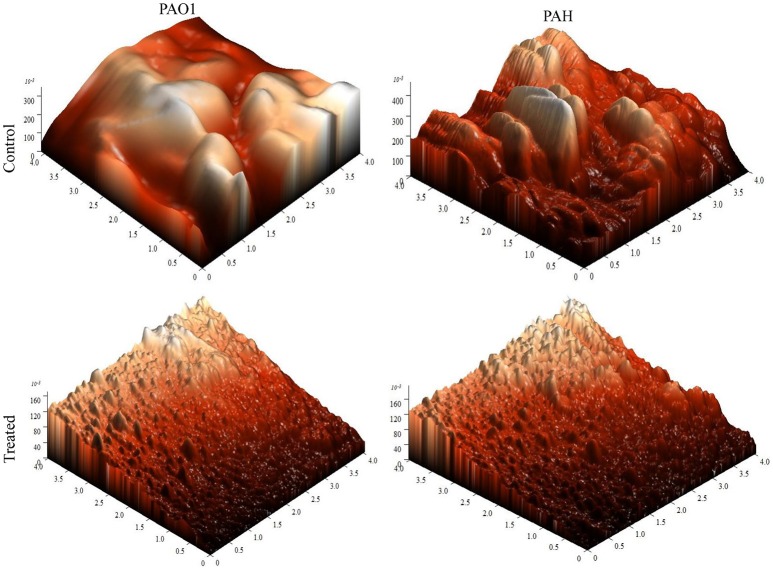
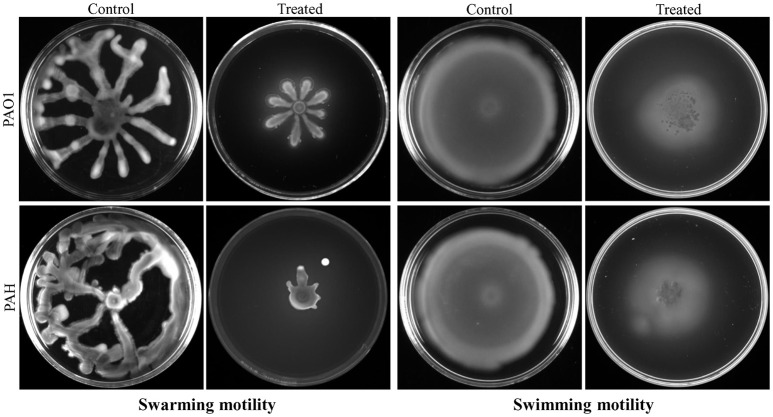
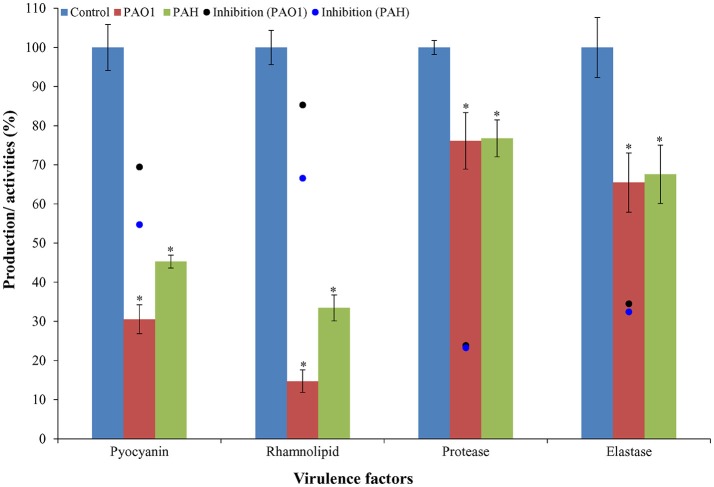
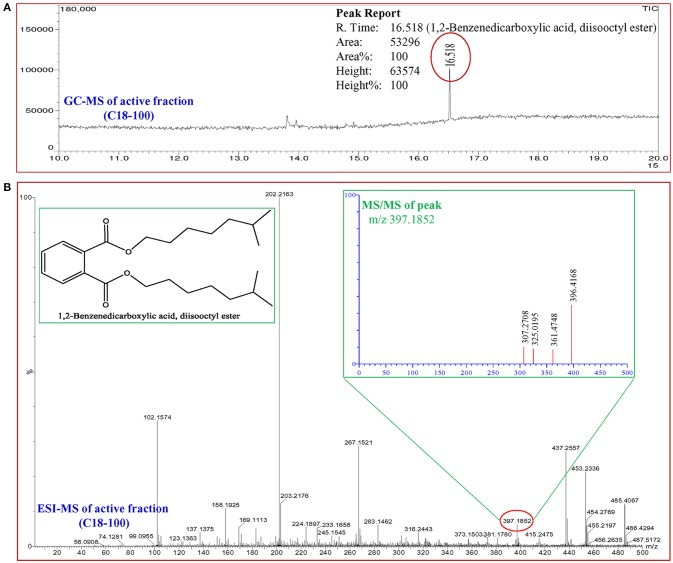
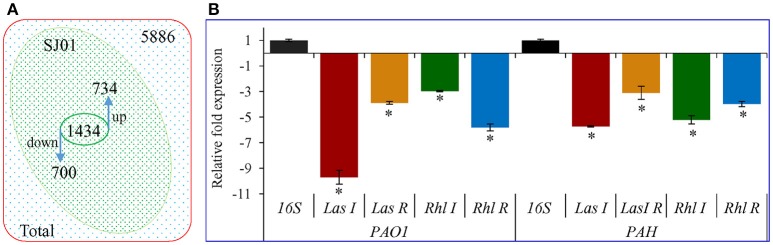
Multidrug-resistance bacteria commonly use cell-to-cell communication that leads to biofilm formation as one of the mechanisms for developing resistance. Quorum sensing inhibition (QSI) is an effective approach for the prevention of biofilm formation. A Gram-negative bacterium, SJ01, was isolated from the rhizosphere of a species of sedge () grown along the coastal-saline area. The isolate SJ01 culture and bacterial crude extract showed QSI activity in the biosensor plate containing the reference strain CV026. A decrease in the violacein production of approximately 98% was detected with the reference strain CV026. The bacterial extract (strain SJ01) exhibited anti-quorum sensing activity and inhibited the biofilm formation of clinical isolates wild-type PAO1 and PAH. A non-toxic effect of the bacterial extract (SJ01) was detected on the cell growth of the reference strains as viable cells were present within the biofilm. It is hypothesized that the extract (SJ01) may change the topography of the biofilm and thus prevent bacterial adherence on the biofilm surface. The extract also inhibits the motility, virulence factors (pyocyanin and rhamnolipid) and activity (elastase and protease) in treated with SJ01 extract. The potential active compound present was identified as 1,2-benzenedicarboxylic acid, diisooctyl ester. Microarray and transcript expression analysis unveiled differential expression of quorum sensing regulatory genes. The key regulatory genes, , and were down-regulated in the analyzed by quantitative RT-PCR. A hypothetical model was generated of the transcriptional regulatory mechanism inferred in for quorum sensing, which will provide useful insight to develop preventive strategies against the biofilm formation. The potential active compound identified, 1,2-benzenedicarboxylic acid, diisooctyl ester, has the potential to be used as an anti-pathogenic drug for the treatment of biofilm-forming pathogenic bacteria. For that, a detailed study is needed to investigate the possible applications.
多重耐药菌通常利用导致生物膜形成的细胞间通讯作为产生耐药性的机制之一。群体感应抑制(QSI)是预防生物膜形成的有效方法。从生长在沿海盐碱地的一种莎草的根际分离出一株革兰氏阴性菌SJ01。分离出的SJ01培养物和细菌粗提物在含有参考菌株CV026的生物传感器平板中显示出QSI活性。用参考菌株CV026检测到紫罗碱产量下降了约98%。细菌提取物(菌株SJ01)表现出抗群体感应活性,并抑制临床分离株野生型PAO1和PAH的生物膜形成。检测到细菌提取物(SJ01)对参考菌株的细胞生长无毒性作用,因为生物膜内存在活细胞。据推测,提取物(SJ01)可能会改变生物膜的拓扑结构,从而防止细菌粘附在生物膜表面。该提取物还抑制用SJ01提取物处理的铜绿假单胞菌的运动性、毒力因子(绿脓菌素和鼠李糖脂)和活性(弹性蛋白酶和蛋白酶)。鉴定出的潜在活性化合物为1,2-苯二甲酸二异辛酯。微阵列和转录表达分析揭示了群体感应调节基因的差异表达。通过定量RT-PCR分析,关键调节基因lasI、rhlI和pqsA在铜绿假单胞菌中被下调。生成了一个关于铜绿假单胞菌群体感应转录调节机制的假设模型,这将为制定针对生物膜形成的预防策略提供有用的见解。鉴定出的潜在活性化合物1,2-苯二甲酸二异辛酯有潜力用作治疗形成生物膜的病原菌的抗致病药物。为此,需要进行详细研究以调查其可能的应用。