Song Zhiyong, Wang Huajuan, Wu Yang, Gu Jiangjiang, Li Shuojun, Han Heyou
State Key Laboratory of Agricultural Microbiology, College of Science, and State Key Laboratory of Agricultural Microbiology, College of Food Science and Technology, Huazhong Agricultural University, Wuhan 430070, PR China.
ACS Omega. 2018 Oct 31;3(10):14517-14525. doi: 10.1021/acsomega.8b01265.
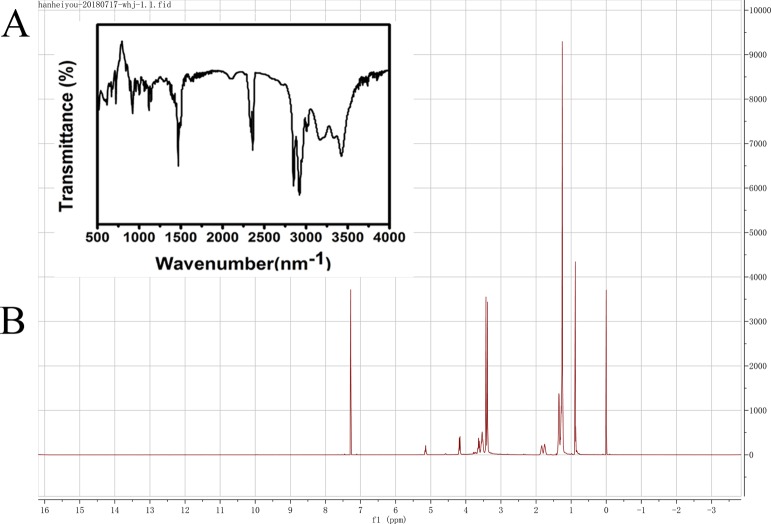
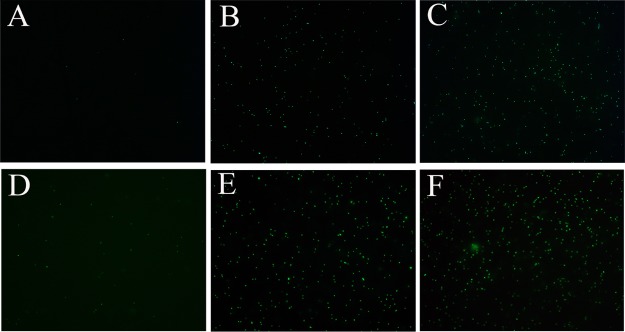
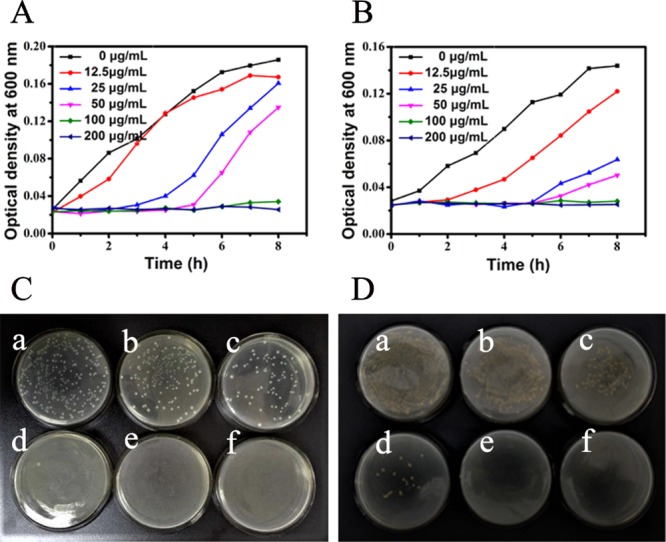
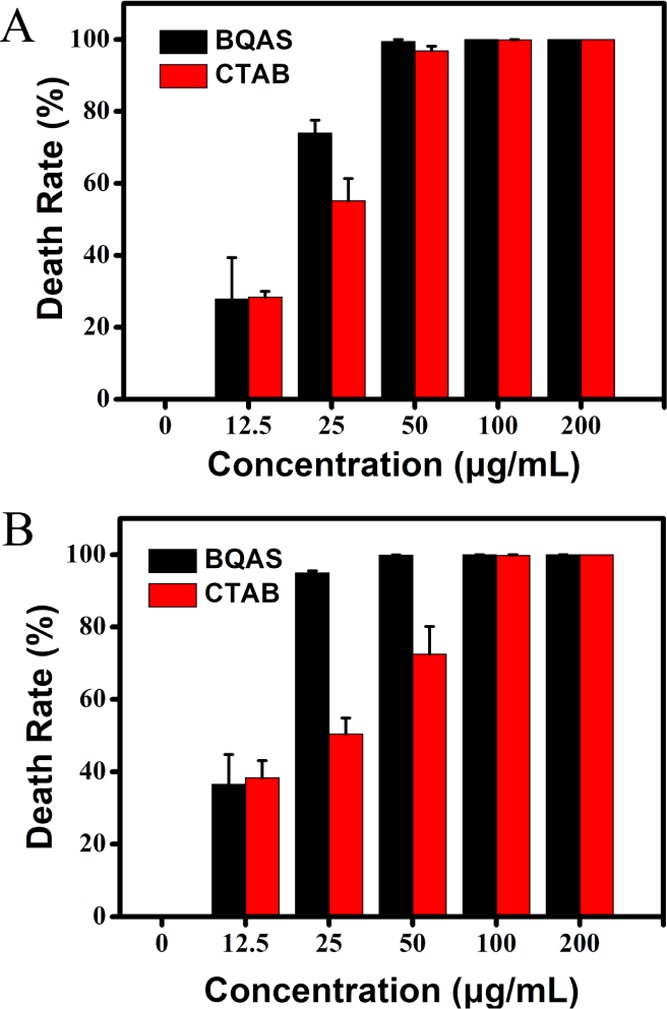
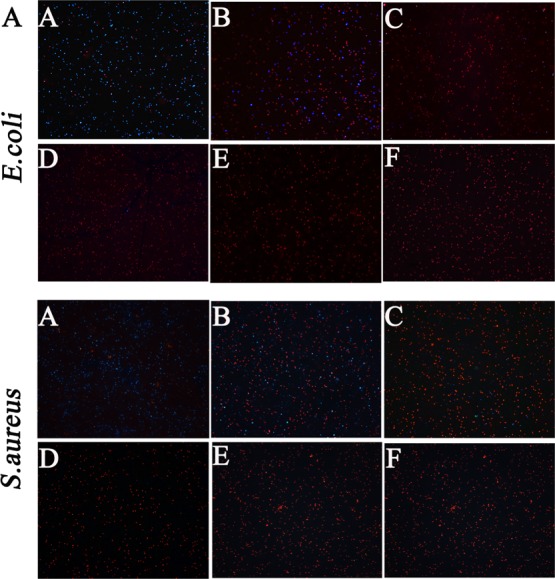
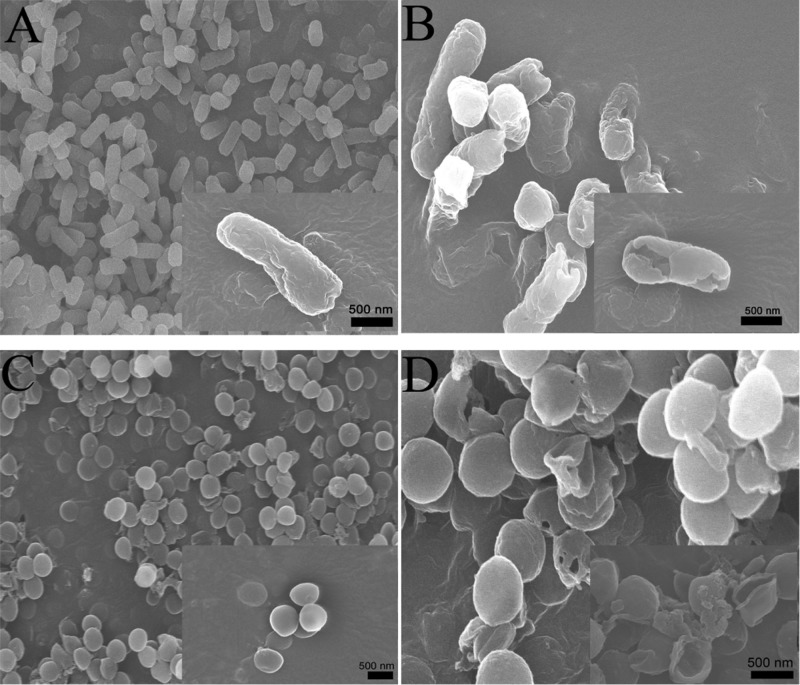
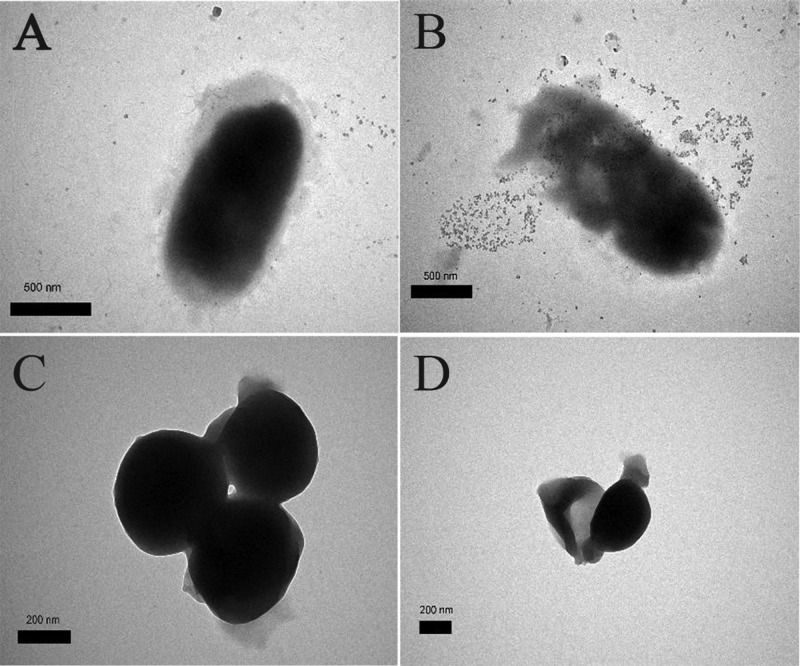
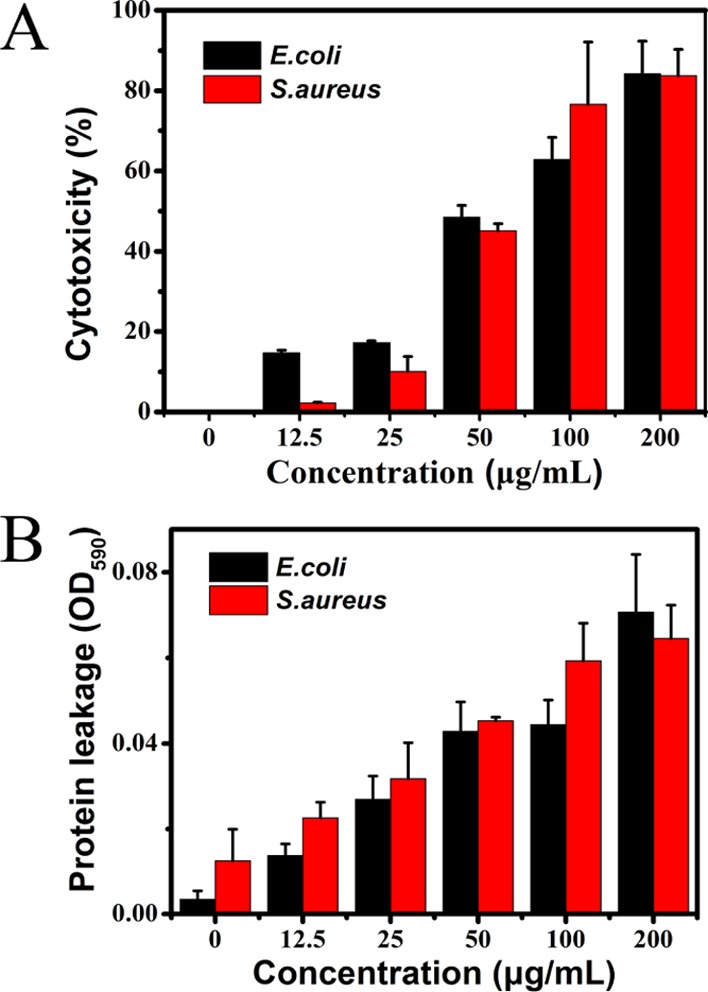
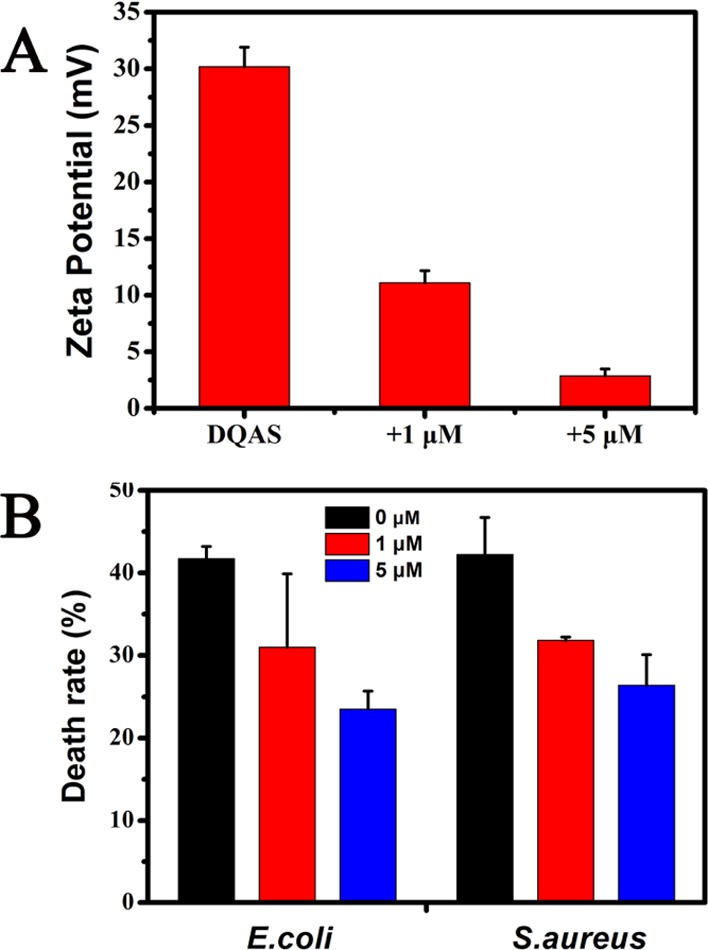
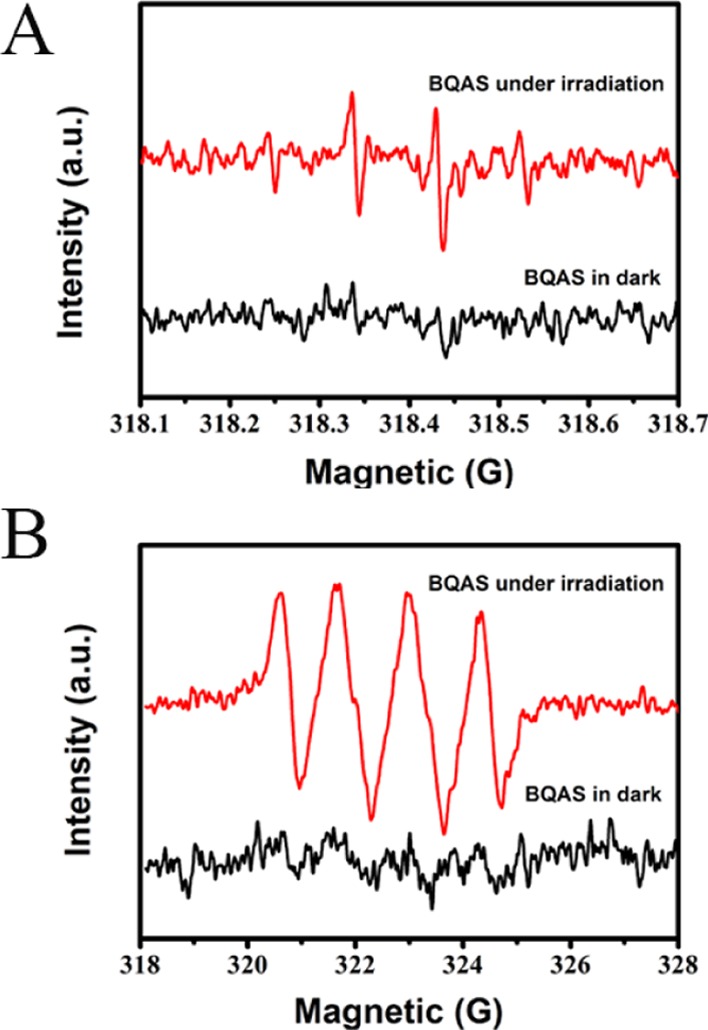
Combating bacterial pathogens has become a global concern, especially the emergence of drug-resistant bacteria have made conventional antibiotics lose their efficiency. This grim situation suggests the necessity to explore novel antibacterial agents with favorable safety and strong antibacterial activity. Here, we took the advantage of quaternary ammonium compounds and synthesized a long-chain high-molecular organic bis-quaternary ammonium salt (BQAS) with a broad-spectrum bactericidal activity through a facile one-pot reaction. The bactericidal effect of BQAS was evaluated by two bacterial human pathogens: (Gram-negative) and (Gram-positive), which are the major cause of diarrheal infections in children and adults. Our experimental results indicate that the bactericidal activity of BQAS is linked to the strong contact between the positively charged quaternary ammonium groups and the bacterial cells, thus leading to a temporary and locally high concentration of reactive oxygen species, which subsequently triggers oxidative stress and membrane damage in the bacteria. This mechanism was further confirmed by several assays, such as the membrane permeabilization assay, fluorescent-based cell live/dead test, scanning electron microscopy, transmission electron microscopy, together with the lactate dehydrogenase release assay, which all indicated that BQAS induced damage to the cytoplasmic membrane and the leakage of intracellular fluid containing essential molecules. The excellent bactericidal activity of BQAS suggests its great application potential as a promising candidate against the rapid emergence of drug-resistant bacterial pathogens.
对抗细菌病原体已成为全球关注的问题,尤其是耐药细菌的出现使传统抗生素失去了效力。这种严峻的形势表明有必要探索具有良好安全性和强大抗菌活性的新型抗菌剂。在此,我们利用季铵化合物,通过简便的一锅法反应合成了一种具有广谱杀菌活性的长链高分子有机双季铵盐(BQAS)。通过两种人类细菌病原体评估了BQAS的杀菌效果:(革兰氏阴性)和(革兰氏阳性),它们是儿童和成人腹泻感染的主要原因。我们的实验结果表明,BQAS的杀菌活性与带正电荷的季铵基团与细菌细胞之间的强烈接触有关,从而导致活性氧物种暂时在局部高浓度存在,随后引发细菌的氧化应激和膜损伤。通过几种检测方法进一步证实了这一机制,如膜通透性检测、基于荧光的细胞活/死检测、扫描电子显微镜、透射电子显微镜以及乳酸脱氢酶释放检测,所有这些都表明BQAS导致细胞质膜损伤以及含有必需分子的细胞内液泄漏。BQAS出色的杀菌活性表明其作为对抗耐药细菌病原体快速出现的有前景候选物具有巨大的应用潜力。