School of Biological Sciences, University of Aberdeen, Aberdeen, AB24 2TZ, UK.
Centre for Genome-Enabled Biology & Medicine, University of Aberdeen, Aberdeen, AB24 2TZ, UK.
BMC Evol Biol. 2018 Nov 15;18(1):169. doi: 10.1186/s12862-018-1290-2.
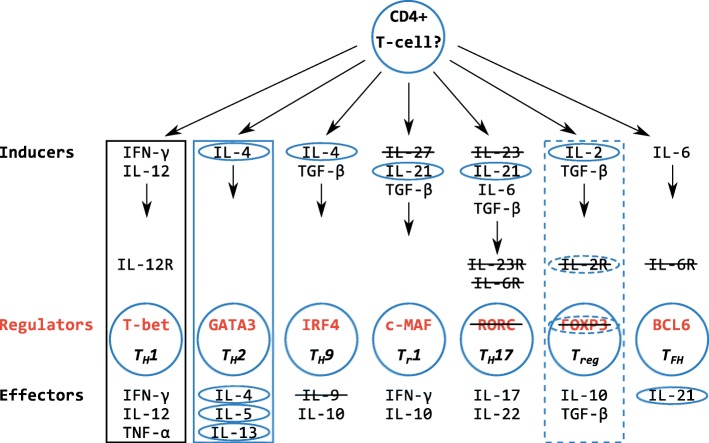
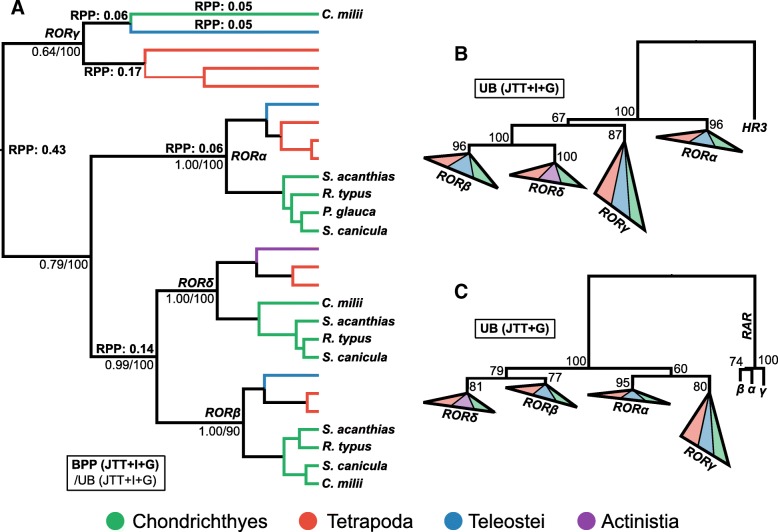
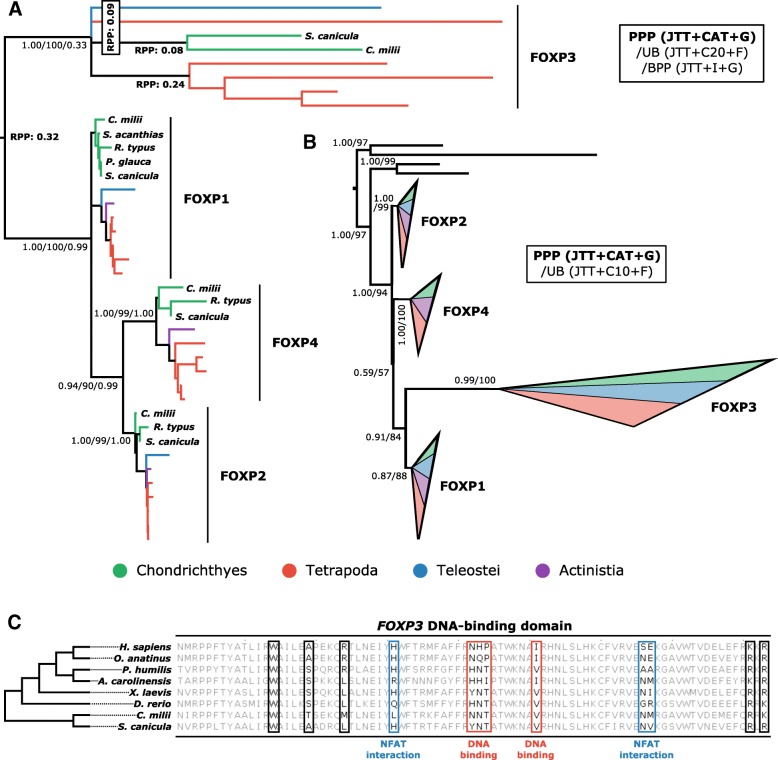
The cartilaginous fishes diverged from other jawed vertebrates ~ 450 million years ago (mya). Despite this key evolutionary position, the only high-quality cartilaginous fish genome available is for the elephant shark (Callorhinchus milii), a chimaera whose ancestors split from the elasmobranch lineage ~ 420 mya. Initial analysis of this resource led to proposals that key components of the cartilaginous fish adaptive immune system, most notably their array of T cell subsets, was primitive compared to mammals. This proposal is at odds with the robust, antigen-specific antibody responses reported in elasmobranchs following immunization. To explore this discrepancy, we generated a multi-tissue transcriptome for small-spotted catshark (Scyliorhinus canicula), a tractable elasmobranch model for functional studies. We searched this, and other newly available sequence datasets, for CD4+ T cell subset-defining genes, aiming to confirm the presence or absence of each subset in cartilaginous fishes.
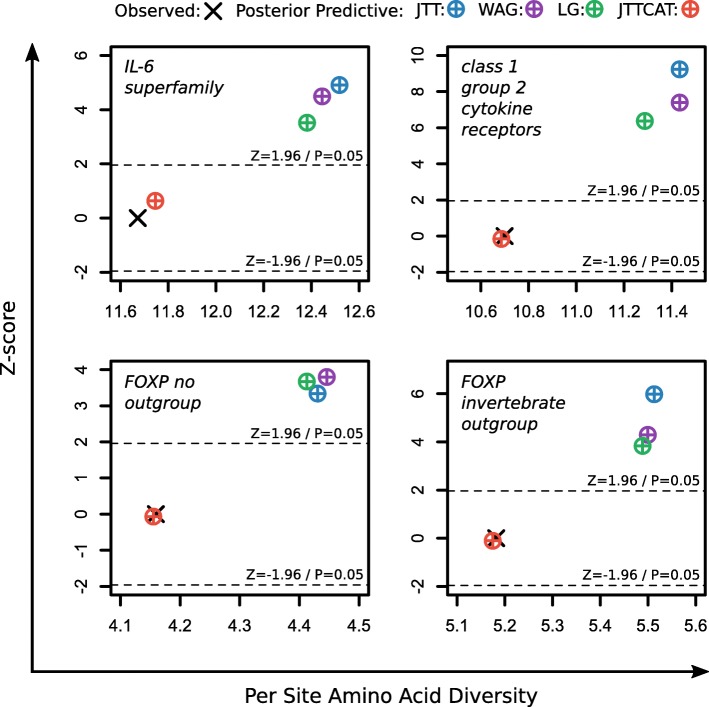
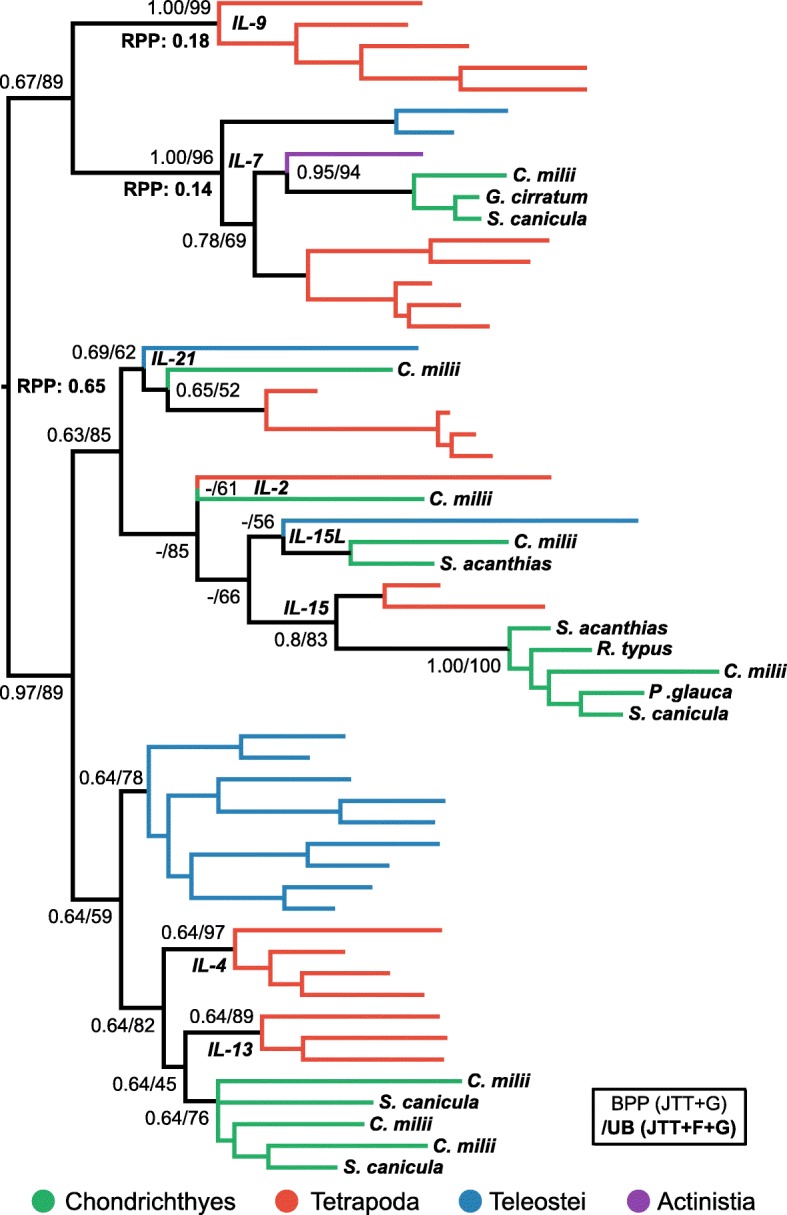
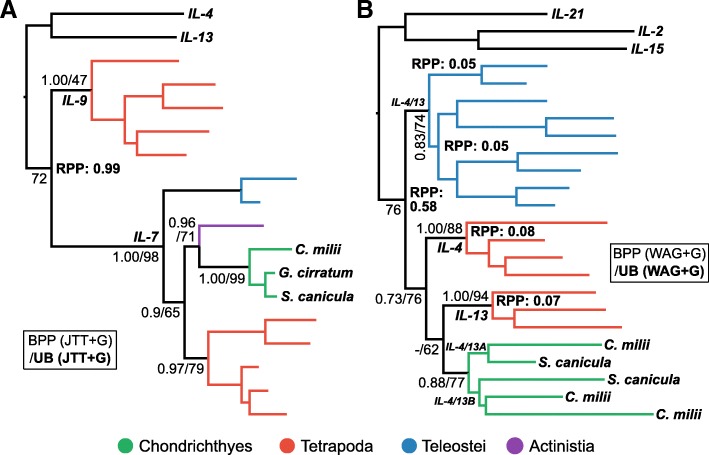
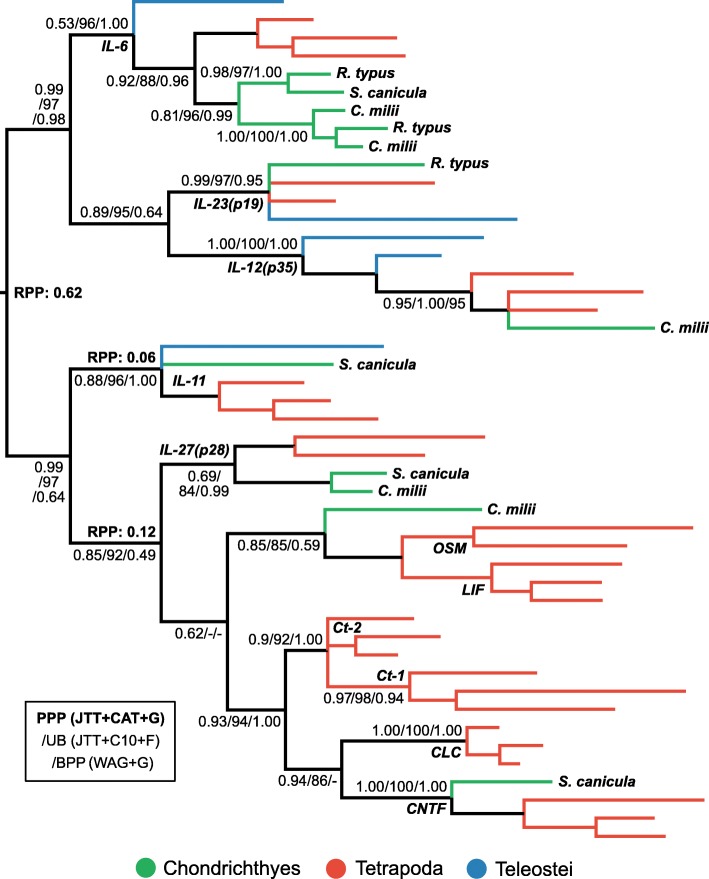
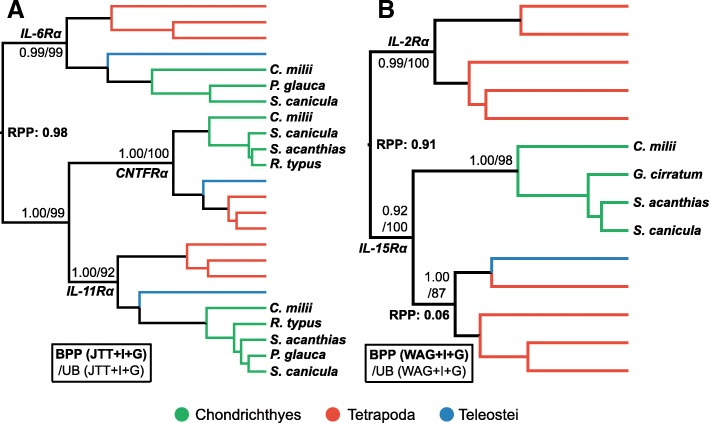
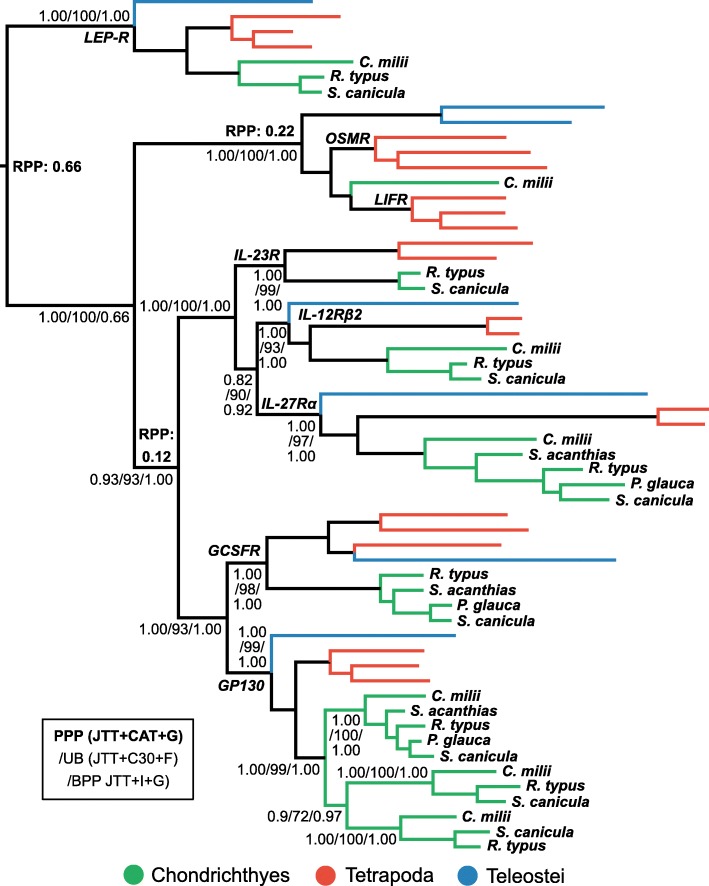
We generated a new transcriptome based on a normalised, multi-tissue RNA pool, aiming to maximise representation of tissue-specific and lowly expressed genes. We utilized multiple transcriptomic datasets and assembly variants in phylogenetic reconstructions to unambiguously identify several T cell subset-specific molecules in cartilaginous fishes for the first time, including interleukins, interleukin receptors, and key transcription factors. Our results reveal the inability of standard phylogenetic reconstruction approaches to capture the site-specific evolutionary processes of fast-evolving immune genes but show that site-heterogeneous mixture models can adequately do so.
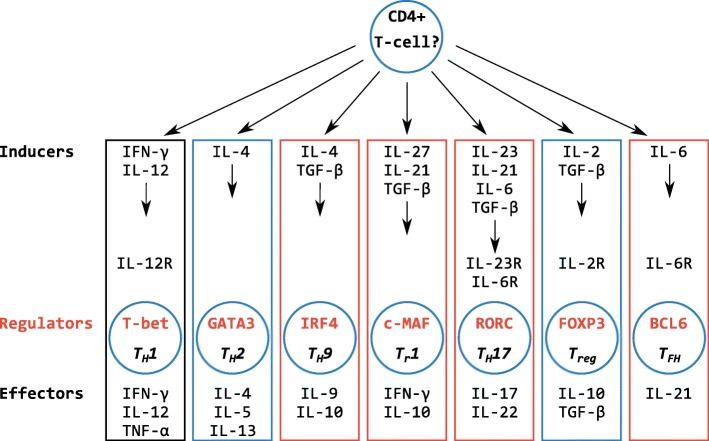
Our analyses reveal that cartilaginous fishes are capable of producing a range of CD4+ T cell subsets comparable to that of mammals. Further, that the key molecules required for the differentiation and functioning of these subsets existed in the jawed vertebrate ancestor. Additionally, we highlight the importance of considering phylogenetic diversity and, where possible, utilizing multiple datasets for individual species, to accurately infer gene presence or absence at higher taxonomic levels.
软骨鱼类与其他有颌脊椎动物在大约 4.5 亿年前(my)分化。尽管软骨鱼类在进化上具有重要地位,但现有的高质量软骨鱼类基因组仅来自于象鲨(Callorhinchus milii),这是一种嵌合体,其祖先与软骨鱼类谱系在大约 4.2 亿年前分裂。对该资源的初步分析导致了这样的提议,即软骨鱼类适应性免疫系统的关键组成部分,尤其是其 T 细胞亚群的多样性,与哺乳动物相比是原始的。这一观点与在软骨鱼类中免疫接种后报道的强大的、抗原特异性的抗体反应相矛盾。为了探讨这种差异,我们为小星鲨(Scyliorhinus canicula)生成了一个多组织转录组,这是一个用于功能研究的可处理的软骨鱼类模型。我们在这个转录组以及其他新的可用序列数据集中搜索 CD4+T 细胞亚群定义基因,旨在确认软骨鱼类中每个亚群的存在或缺失。
我们基于一个正常化的多组织 RNA 池生成了一个新的转录组,旨在最大限度地提高组织特异性和低表达基因的代表性。我们利用多个转录组数据集和系统发育重建中的组装变体,首次在软骨鱼类中明确鉴定了几个 T 细胞亚群特异性分子,包括白细胞介素、白细胞介素受体和关键转录因子。我们的结果表明,标准的系统发育重建方法无法捕捉到快速进化的免疫基因的特定位点进化过程,但表明位点异质混合模型可以充分做到这一点。
我们的分析表明,软骨鱼类能够产生一系列与哺乳动物相当的 CD4+T 细胞亚群。此外,在有颌脊椎动物的祖先中就存在分化和功能所需的关键分子。此外,我们强调了考虑系统发育多样性的重要性,并且在可能的情况下,为单个物种利用多个数据集,以在更高的分类水平上准确推断基因的存在或缺失。