Department Life Science Engineering, University of Applied Sciences Technikum Wien, 1200, Vienna, Austria.
Austrian Cluster for Tissue Regeneration, 1200, Vienna, Austria.
Sci Rep. 2018 Nov 19;8(1):17010. doi: 10.1038/s41598-018-34718-8.
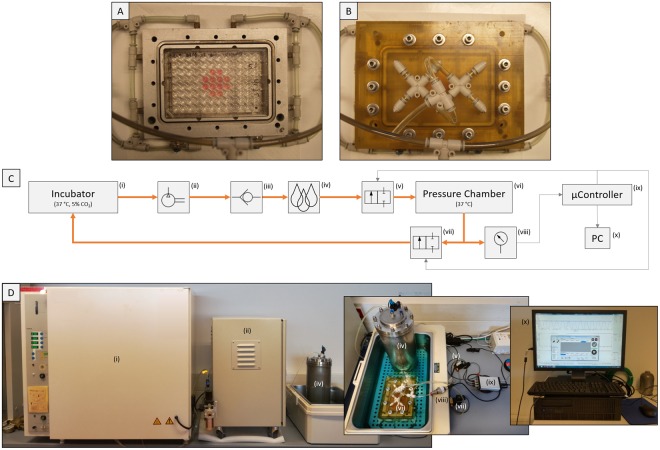
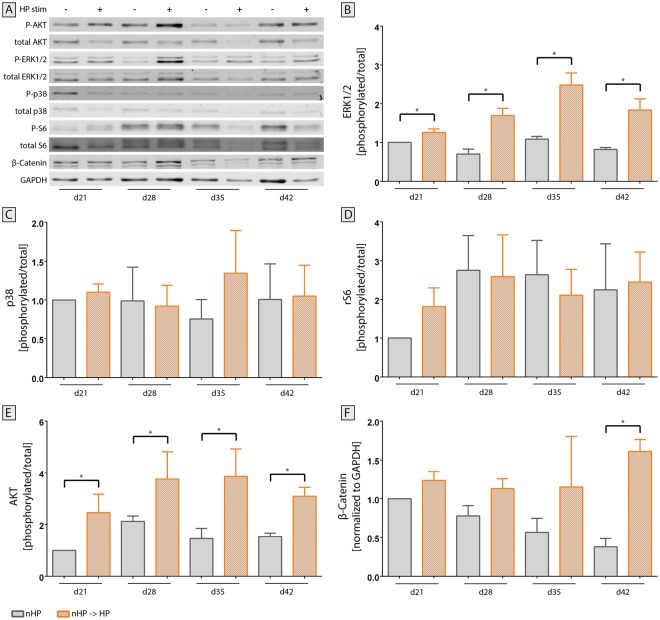
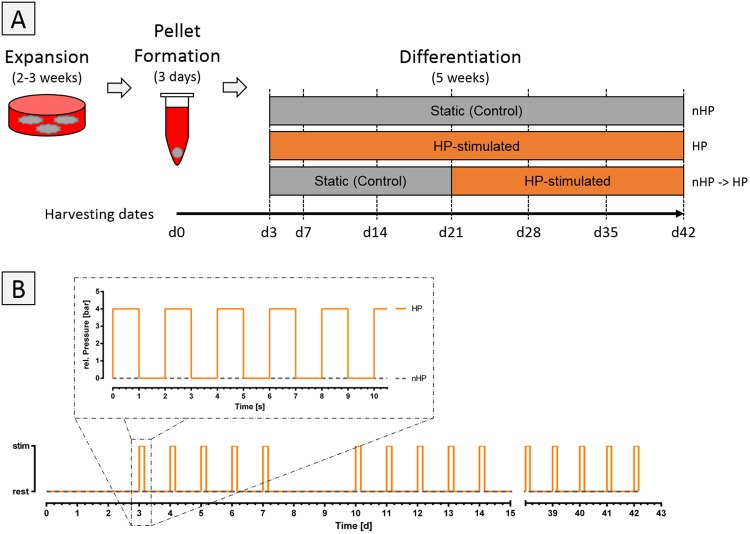
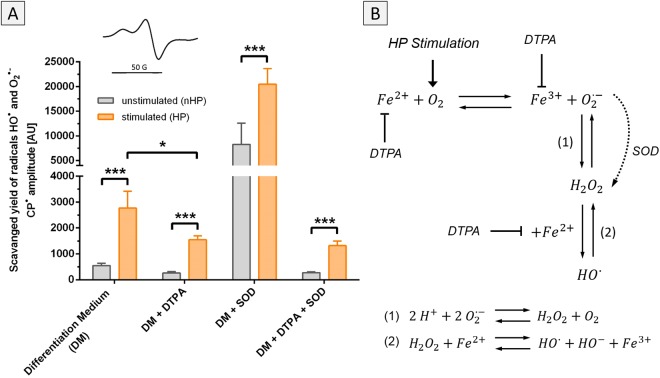
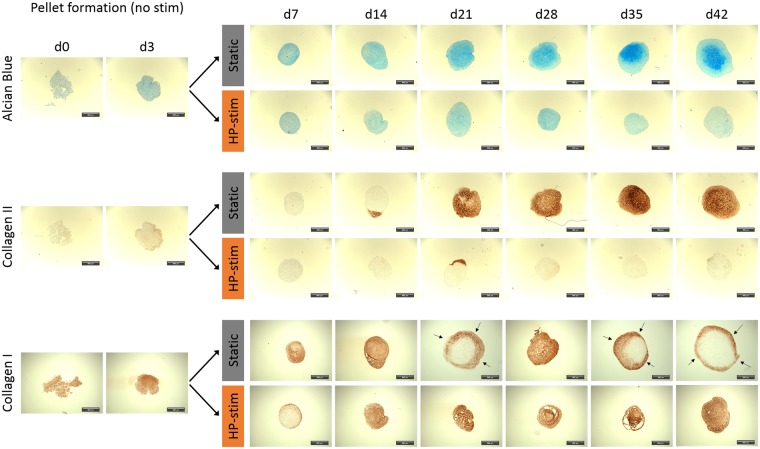
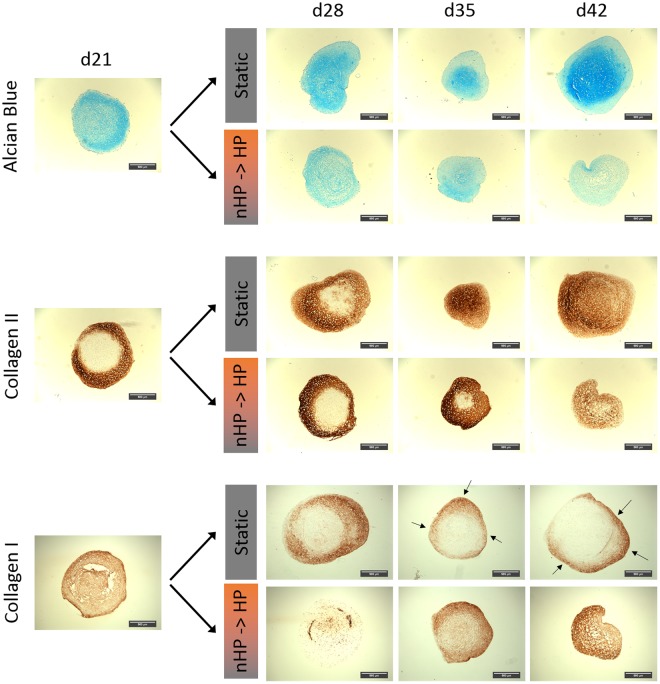
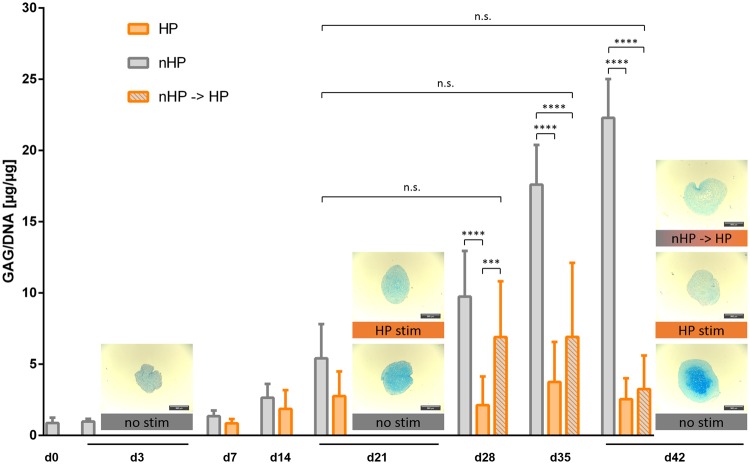
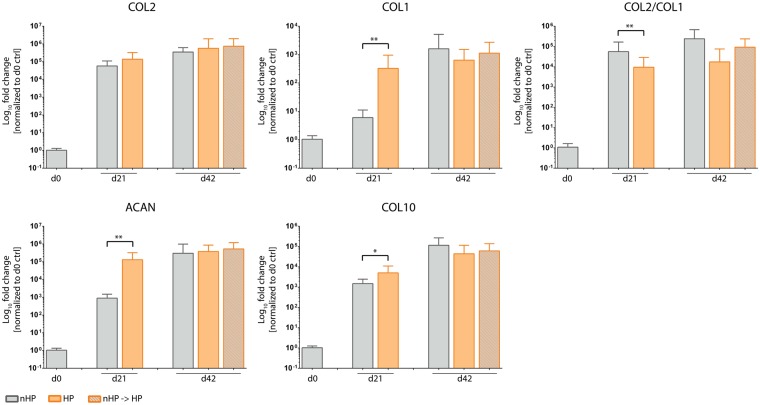
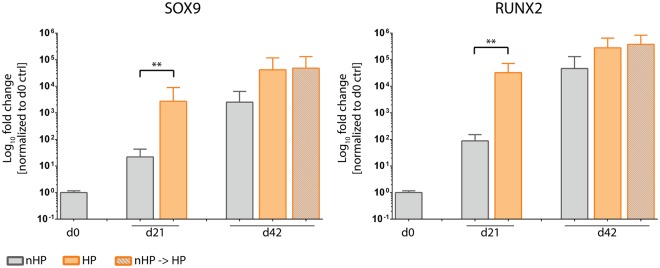
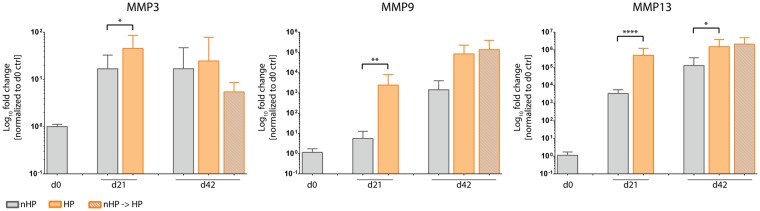
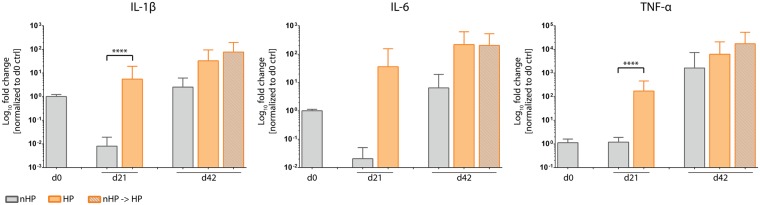
Osteoarthritis (OA) is one of the most common causes of disability and represents a major socio-economic burden. Despite intensive research, the molecular mechanisms responsible for the initiation and progression of OA remain inconclusive. In recent years experimental findings revealed elevated levels of reactive oxygen species (ROS) as a major factor contributing to the onset and progression of OA. Hence, we designed a hydrostatic pressure bioreactor system that is capable of stimulating cartilage cell cultures with elevated ROS levels. Increased ROS levels in the media did not only lead to an inhibition of glycosaminoglycans and collagen II formation but also to a reduction of already formed glycosaminoglycans and collagen II in chondrogenic mesenchymal stem cell pellet cultures. These effects were associated with the elevated activity of matrix metalloproteinases as well as the increased expression of several inflammatory cytokines. ROS activated different signaling pathways including PI3K/Akt and MAPK/ERK which are known to be involved in OA initiation and progression. Utilizing the presented bioreactor system, an OA in vitro model based on the generation of ROS was developed that enables the further investigation of ROS effects on cartilage degradation but can also be used as a versatile tool for anti-oxidative drug testing.
骨关节炎(OA)是导致残疾的最常见原因之一,也是一个主要的社会经济负担。尽管进行了深入的研究,但导致 OA 发生和进展的确切分子机制仍不清楚。近年来的实验结果表明,活性氧(ROS)水平升高是导致 OA 发生和进展的一个主要因素。因此,我们设计了一种静水压力生物反应器系统,能够刺激软骨细胞培养物中 ROS 水平升高。培养基中 ROS 水平的升高不仅导致糖胺聚糖和 II 型胶原的形成受到抑制,而且还导致已经形成的糖胺聚糖和 II 型胶原在软骨间充质干细胞球培养物中的减少。这些作用与基质金属蛋白酶活性的升高以及几种炎症细胞因子的表达增加有关。ROS 激活了不同的信号通路,包括 PI3K/Akt 和 MAPK/ERK,这些信号通路已知与 OA 的发生和进展有关。利用所提出的生物反应器系统,开发了一种基于 ROS 生成的 OA 体外模型,该模型不仅可以进一步研究 ROS 对软骨降解的影响,还可以作为抗氧化药物测试的多功能工具。