Morra Marco, Cassinelli Clara, Torre Elisa, Iviglia Giorgio
Nobil Bio Ricerche srl Italy.
Clin Exp Dent Res. 2018 Sep 5;4(5):196-205. doi: 10.1002/cre2.130. eCollection 2018 Oct.
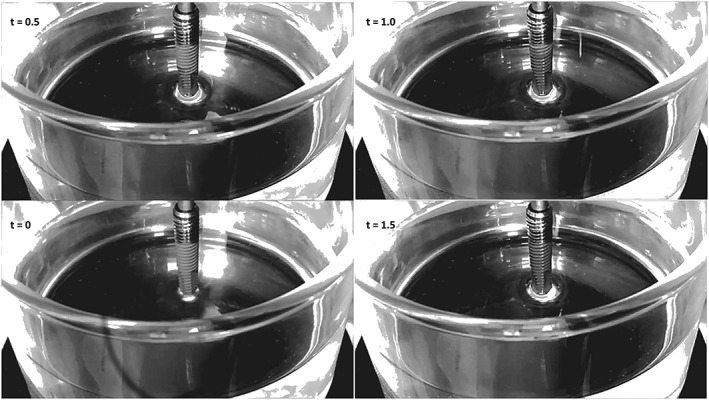
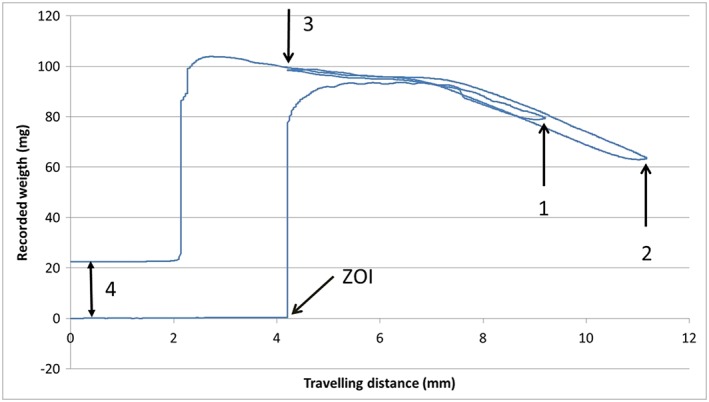
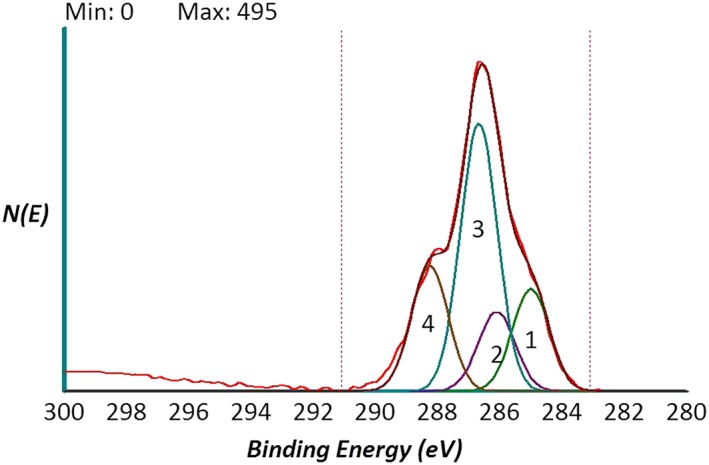
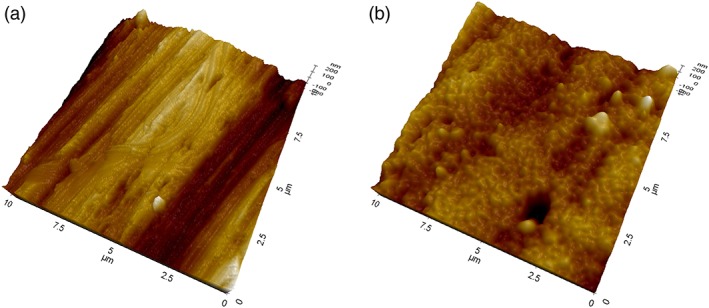
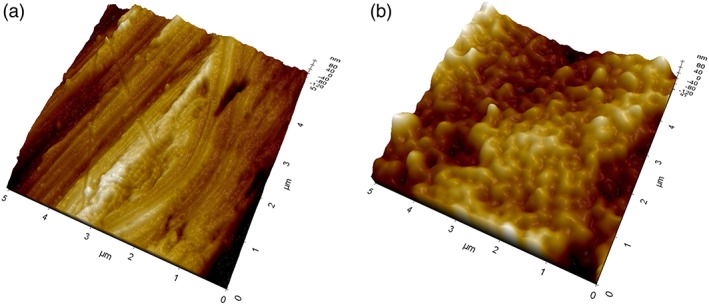
The objectives of this study are to evaluate long-term wettability of novel surface-engineered, clinically available dental implants, featuring a surface nanolayer of covalently linked hyaluronan, and to confirm the relationships between wetting properties and surface nanostructure and microstructure. Wettability measurements were performed on clinically available hyaluronan-coated Grade 4 titanium implants, packaged and sterile, that is, in the "on the shelf" condition, after 1 year from production. Wetting properties were measured by the Wilhelmy plate method. Analysis of the surface structure and chemistry was perfomed by X-ray photoelectron spectroscopy (XPS), scanning electron microscopy (SEM) and energy-dispersive X-ray (EDX) analysis, atomic force microscopy (AFM), and -potential measurement, either on implants or disks or plates subjected to the same surface-engineering process. Results show that hydrophilicity and ensuing capillary rise of the hyaluronan-coated implant surface is unaffected by aging and dry storage. Chemical analysis of the implant surface by XPS and evaluation of the potential indicate that hyaluronan chemistry and not that of titanium dictates interfacial properties. Comparison between XPS versus EDX and SEM versus AFM data confirm that the thickness of the hyaluronan surface layer is within the nanometer range. Data show that nanoengineering of the implant surface by linking of the hydrophilic hyaluronan molecule endows tested titanium implants by permanent wettability, without need of wet storage as presently performed to keep long-term hydrophilic implant surfaces. From an analytical point of view, the introduction in routine clinical practice of nanoengineered implant surfaces requires upgrading of analytical methods to the nanoscale.
本研究的目的是评估具有共价连接透明质酸表面纳米层的新型表面工程化、临床可用牙科植入物的长期润湿性,并确认润湿性与表面纳米结构和微观结构之间的关系。对临床可用的、包装好且无菌的、即处于“货架期”状态的透明质酸涂层4级钛植入物进行了润湿性测量,测量时间为生产后1年。通过Wilhelmy平板法测量润湿性。通过X射线光电子能谱(XPS)、扫描电子显微镜(SEM)和能量色散X射线(EDX)分析、原子力显微镜(AFM)以及ζ电位测量对植入物或经过相同表面工程处理的圆盘或平板进行表面结构和化学分析。结果表明,透明质酸涂层植入物表面的亲水性以及随之而来的毛细管上升不受老化和干燥储存的影响。通过XPS对植入物表面进行化学分析以及对ζ电位的评估表明,决定界面性质的是透明质酸的化学性质而非钛的化学性质。XPS与EDX以及SEM与AFM数据之间的比较证实,透明质酸表面层的厚度在纳米范围内。数据表明,通过连接亲水性透明质酸分子对植入物表面进行纳米工程处理赋予了测试钛植入物永久润湿性,无需像目前为保持长期亲水植入物表面而进行的湿储存。从分析的角度来看,将纳米工程植入物表面引入常规临床实践需要将分析方法升级到纳米尺度。