Sanford Burnham Prebys Medical Discovery Institute, La Jolla, CA, USA.
Biomedical Sciences Program, School of Medicine, University of California, San Diego, La Jolla, CA, USA.
Nature. 2018 Nov;563(7733):639-645. doi: 10.1038/s41586-018-0718-6. Epub 2018 Nov 21.
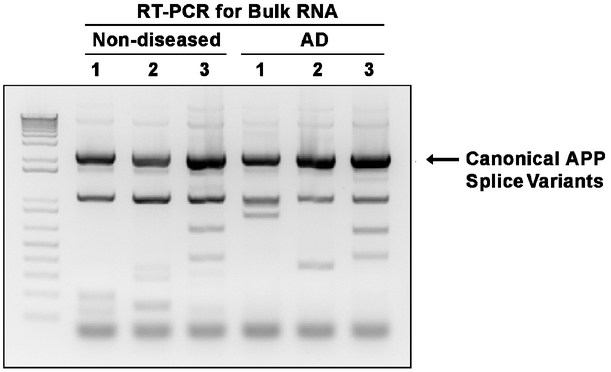
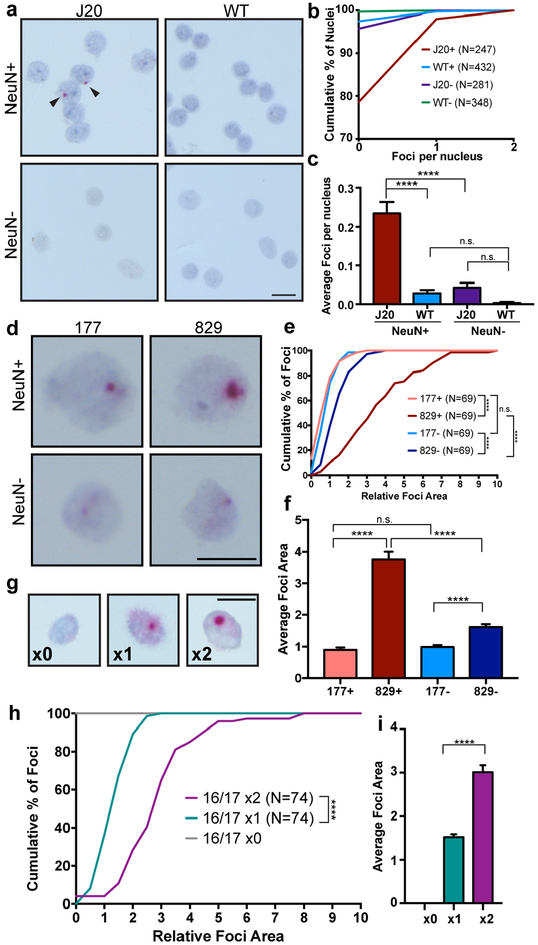
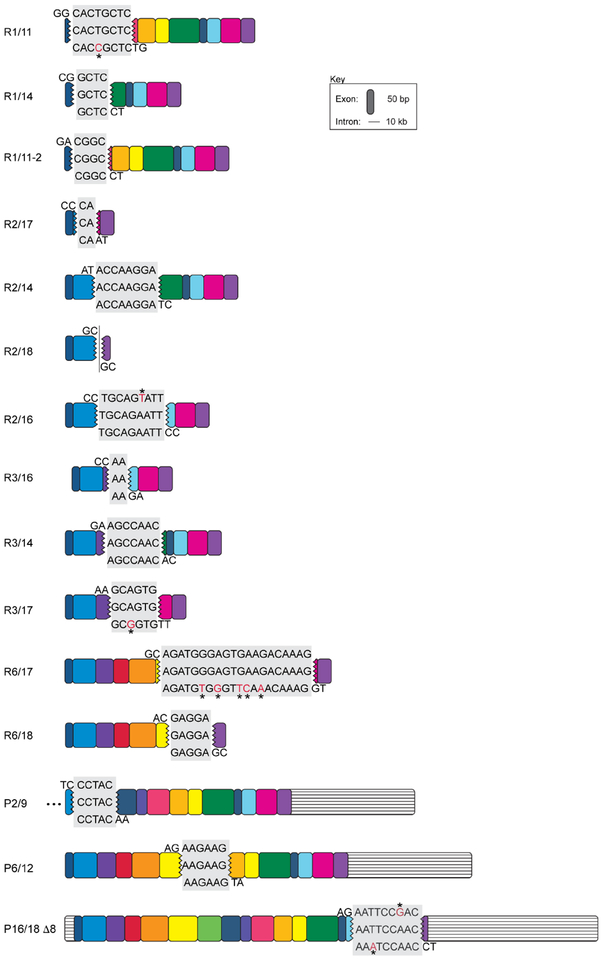
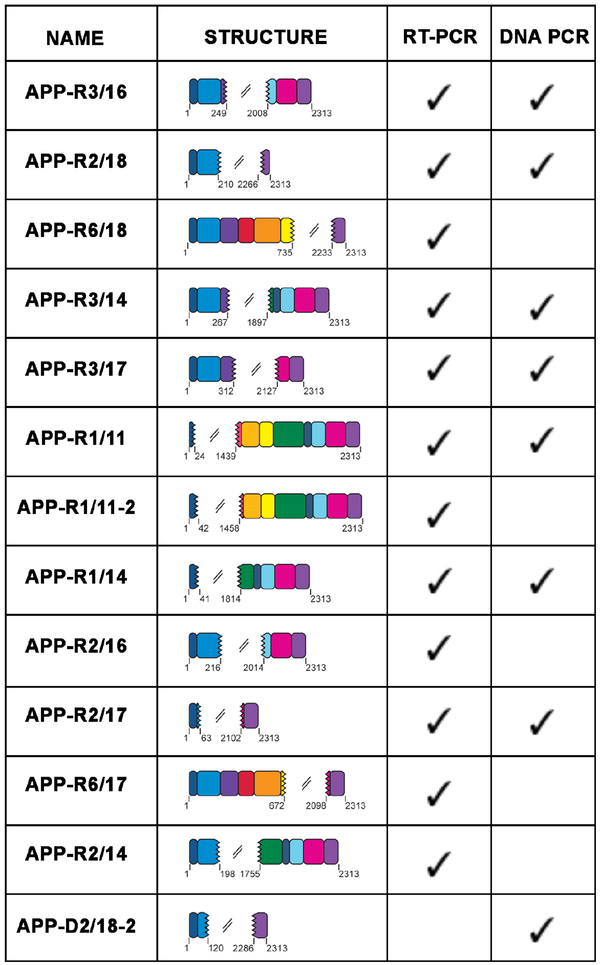
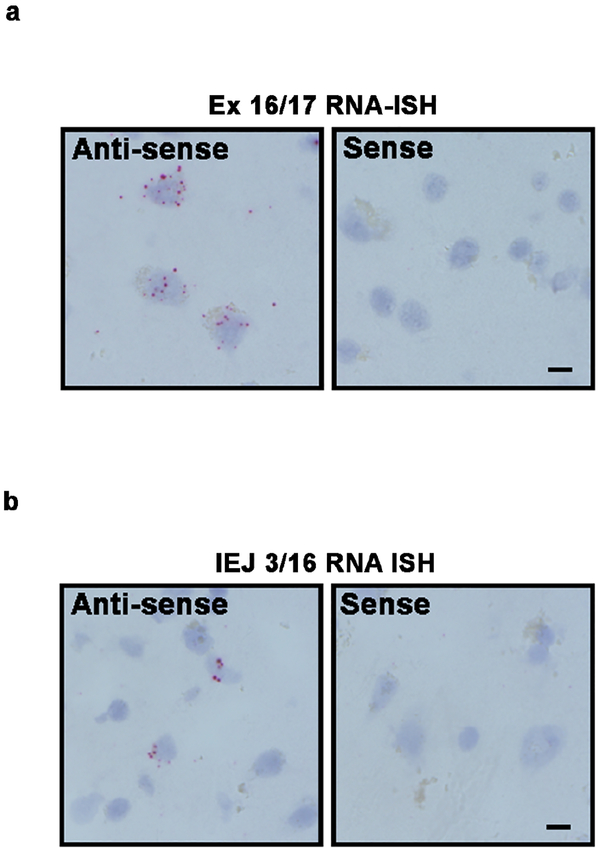
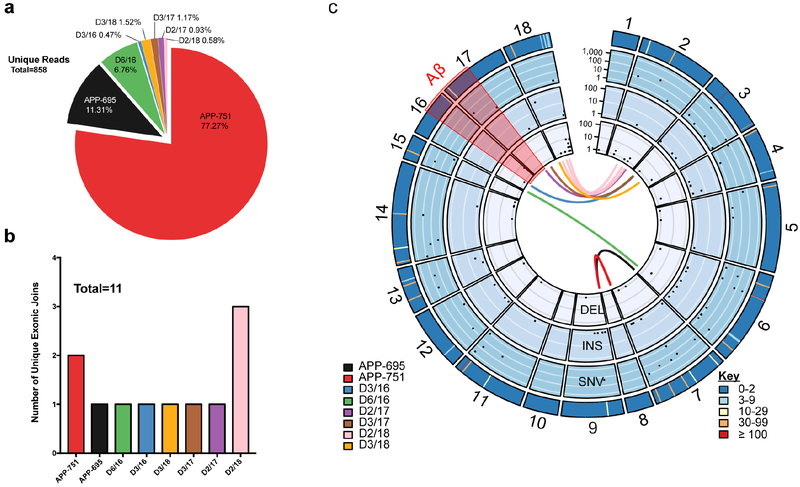
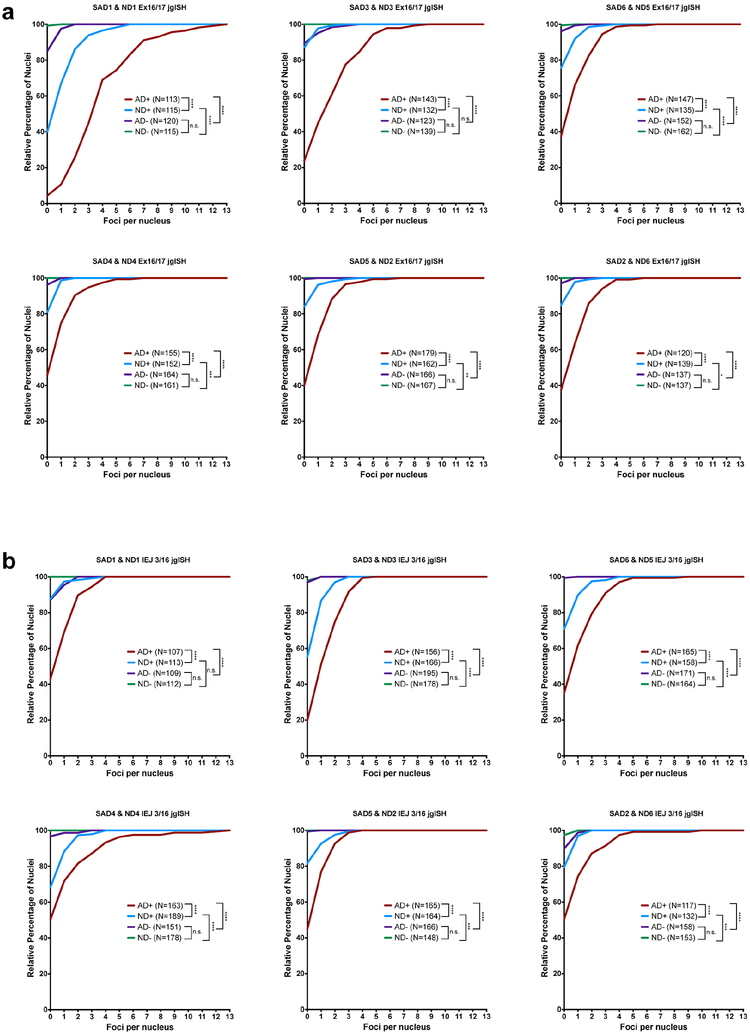
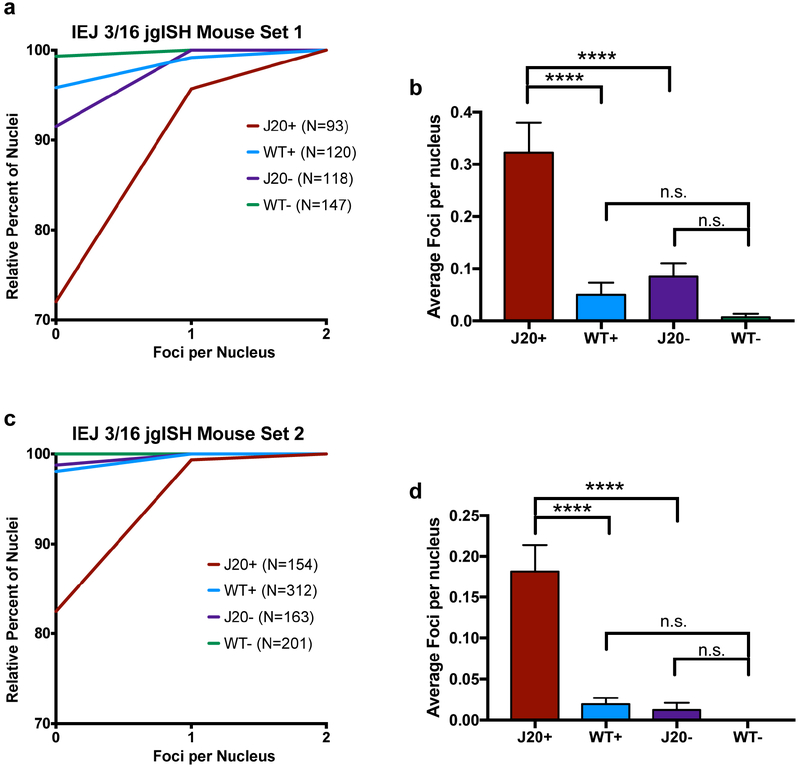
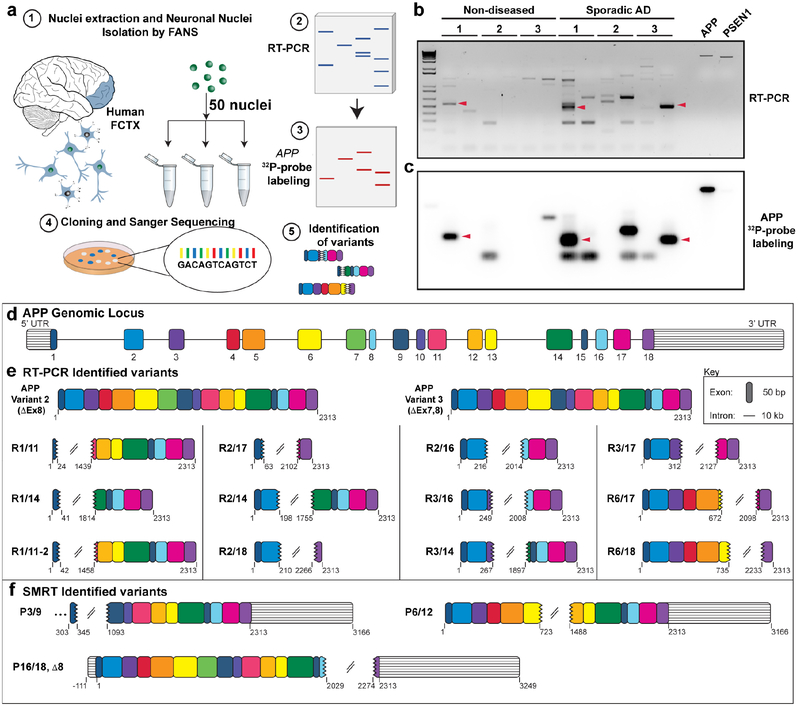
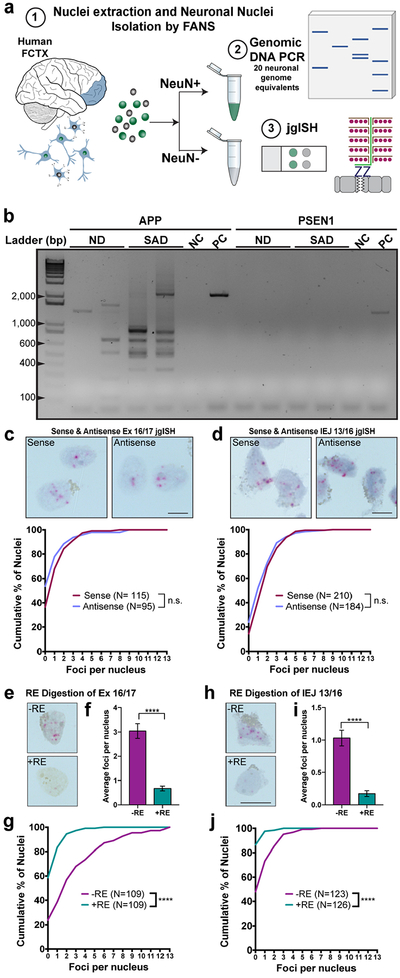
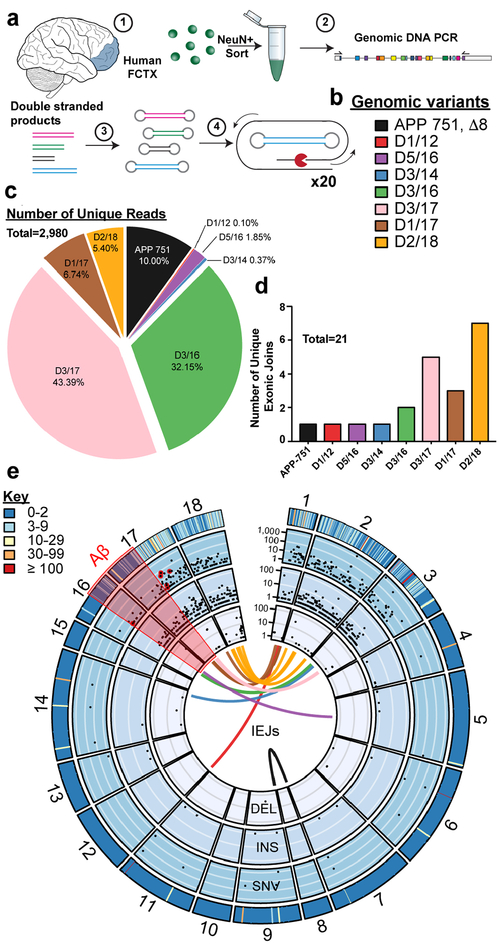
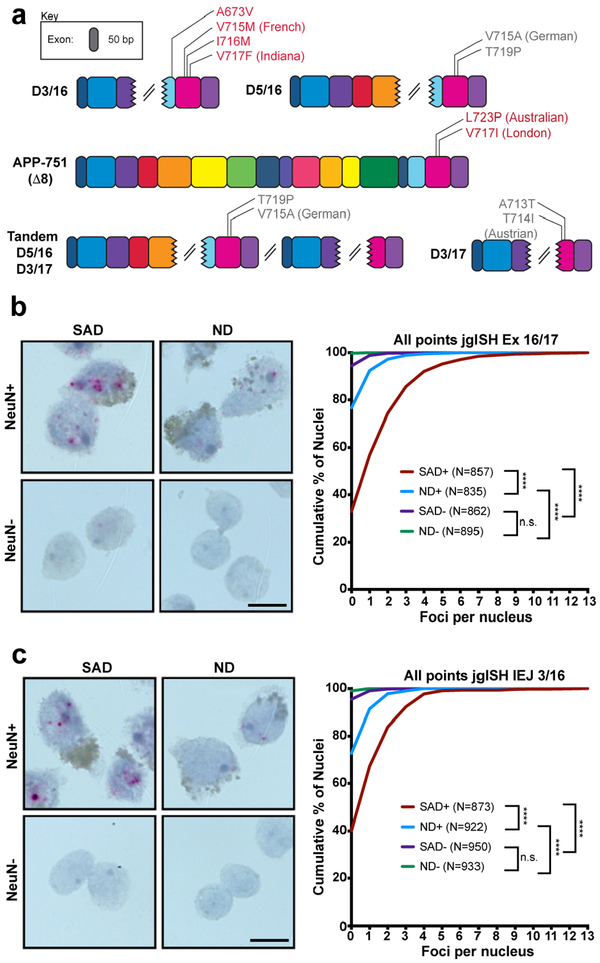
The diversity and complexity of the human brain are widely assumed to be encoded within a constant genome. Somatic gene recombination, which changes germline DNA sequences to increase molecular diversity, could theoretically alter this code but has not been documented in the brain, to our knowledge. Here we describe recombination of the Alzheimer's disease-related gene APP, which encodes amyloid precursor protein, in human neurons, occurring mosaically as thousands of variant 'genomic cDNAs' (gencDNAs). gencDNAs lacked introns and ranged from full-length cDNA copies of expressed, brain-specific RNA splice variants to myriad smaller forms that contained intra-exonic junctions, insertions, deletions, and/or single nucleotide variations. DNA in situ hybridization identified gencDNAs within single neurons that were distinct from wild-type loci and absent from non-neuronal cells. Mechanistic studies supported neuronal 'retro-insertion' of RNA to produce gencDNAs; this process involved transcription, DNA breaks, reverse transcriptase activity, and age. Neurons from individuals with sporadic Alzheimer's disease showed increased gencDNA diversity, including eleven mutations known to be associated with familial Alzheimer's disease that were absent from healthy neurons. Neuronal gene recombination may allow 'recording' of neural activity for selective 'playback' of preferred gene variants whose expression bypasses splicing; this has implications for cellular diversity, learning and memory, plasticity, and diseases of the human brain.
人类大脑的多样性和复杂性被广泛认为是由恒定的基因组编码的。体细胞基因重组改变了生殖系 DNA 序列,以增加分子多样性,从理论上讲可以改变这种密码,但据我们所知,这种重组尚未在大脑中记录到。在这里,我们描述了与阿尔茨海默病相关的基因 APP(编码淀粉样前体蛋白)在人类神经元中的重组,这种重组以数千种变体“基因组 cDNA(gencDNA)”的镶嵌方式发生。gencDNA 缺乏内含子,范围从表达的全长 cDNA 拷贝到无数较小的形式,包括内含子、插入、缺失和/或单核苷酸变异。原位杂交 DNA 鉴定了单个神经元内的 gencDNA,这些 gencDNA 与野生型基因座不同,并且不存在于非神经元细胞中。机制研究支持神经元“反向插入”RNA 产生 gencDNA;这个过程涉及转录、DNA 断裂、逆转录酶活性和年龄。来自散发性阿尔茨海默病患者的神经元显示出 gencDNA 多样性增加,包括 11 种已知与家族性阿尔茨海默病相关的突变,这些突变在健康神经元中不存在。神经元基因重组可能允许“记录”神经活动,以便选择性地“回放”优先的基因变体,其表达绕过剪接;这对细胞多样性、学习和记忆、可塑性以及人类大脑疾病都有影响。