Department of Biology and Biotechnology, University of Pavia, 27100, Pavia, Italy.
Yale School of Public Health, Department of Epidemiology of Microbial Diseases, New Haven, CT, 06520, USA.
BMC Microbiol. 2018 Nov 23;18(Suppl 1):169. doi: 10.1186/s12866-018-1289-2.
Tsetse flies (Diptera, Glossinidae) display unique reproductive biology traits. Females reproduce through adenotrophic viviparity, nourishing the growing larva into their modified uterus until parturition. Males transfer their sperm and seminal fluid, produced by both testes and male accessory glands, in a spermatophore capsule transiently formed within the female reproductive tract upon mating. Both sexes are obligate blood feeders and have evolved tight relationships with endosymbionts, already shown to provide essential nutrients lacking in their diet. However, the partnership between tsetse and its symbionts has so far been investigated, at the molecular, genomic and metabolomics level, only in females, whereas the roles of microbiota in male reproduction are still unexplored.
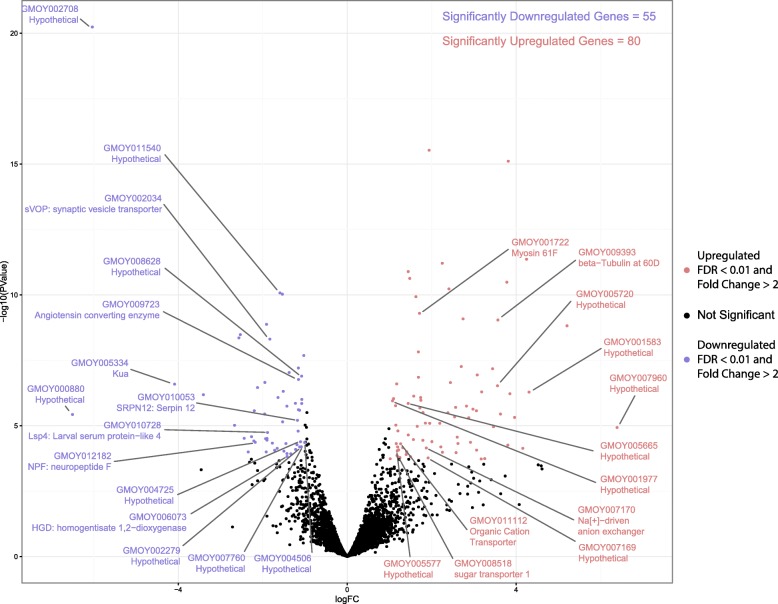
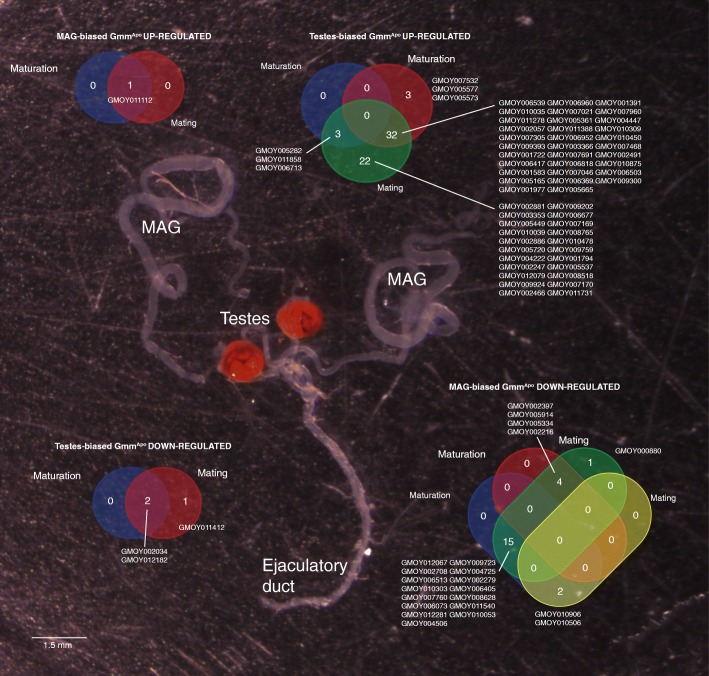
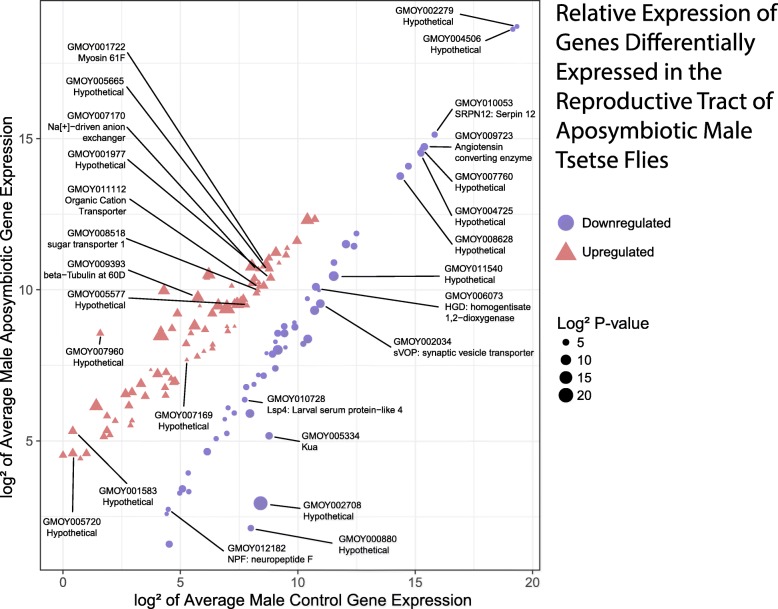
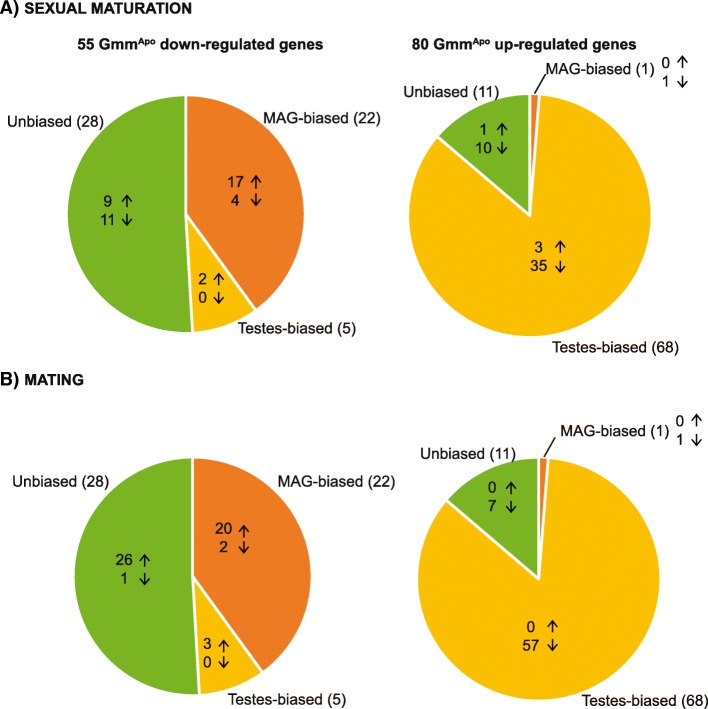
Here we begin unravelling the impact of microbiota on Glossina m. morsitans (G. morsitans) male reproductive biology by generating transcriptomes from the reproductive tissues of males deprived of their endosymbionts (aposymbiotic) via maternal antibiotic treatment and dietary supplementation. We then compared the transcriptional profiles of genes expressed in the male reproductive tract of normal and these aposymbiotic flies. We showed that microbiota removal impacts several male reproductive genes by depressing the activity of genes in the male accessory glands (MAGs), including sequences encoding seminal fluid proteins, and increasing expression of genes in the testes. In the MAGs, in particular, the expression of genes related to mating, immunity and seminal fluid components' synthesis is reduced. In the testes, the absence of symbionts activates genes involved in the metabolic apparatus at the basis of male reproduction, including sperm production, motility and function.
Our findings mirrored the complementary roles male accessory glands and testes play in supporting male reproduction and open new avenues for disentangling the interplay between male insects and endosymbionts. From an applied perspective, unravelling the metabolic and functional relationships between tsetse symbionts and male reproductive physiology will provide fundamental information useful to understanding the biology underlying improved male reproductive success in tsetse. This information is of particular importance in the context of tsetse population control via Sterile Insect Technique (SIT) and its impact on trypanosomiasis transmission.
采采蝇(双翅目,舌蝇科)表现出独特的生殖生物学特征。雌性通过腺营养胎生繁殖,将生长中的幼虫滋养到其改良的子宫中,直到分娩。雄性在交配时,通过位于雌性生殖道内短暂形成的授精囊,将精子和由睾丸和雄性附腺产生的精液转移给雌性。雌雄两性都是专性吸血动物,并与共生菌进化出紧密的关系,共生菌已被证明提供了其饮食中缺乏的必需营养。然而,到目前为止,人们仅在雌性采采蝇中,从分子、基因组和代谢组学水平上研究了采采蝇与其共生菌之间的关系,而共生菌在雄性生殖中的作用仍未得到探索。
在这里,我们通过用母体抗生素处理和饮食补充法使雄性采采蝇( Glossina m. morsitans ,G. morsitans )失去共生菌(无共生体),从而生成雄性生殖组织的转录组,开始揭示微生物组对雄性生殖生物学的影响。然后,我们比较了正常和无共生体雄性采采蝇雄性生殖道中表达基因的转录谱。我们发现,微生物组的去除通过抑制雄性附腺( MAGs )中基因的活性来影响几个雄性生殖基因,包括编码精液蛋白的序列,并增加了睾丸中基因的表达。特别是,与交配、免疫和精液成分合成相关的基因表达减少。在睾丸中,缺乏共生体激活了与雄性生殖基础代谢装置相关的基因,包括精子产生、运动和功能。
我们的研究结果反映了雄性附腺和睾丸在支持雄性生殖方面的互补作用,并为解开雄性昆虫与共生体之间相互作用的关系开辟了新的途径。从应用的角度来看,揭示采采蝇共生菌与雄性生殖生理学之间的代谢和功能关系,将为理解提高采采蝇雄性生殖成功率的生物学基础提供有用的基本信息。这一信息在通过不育昆虫技术( SIT )控制采采蝇种群及其对锥虫病传播的影响方面尤为重要。