State Key Laboratory of Natural Medicines, China Pharmaceutical University, Nanjing, 210009, China.
Department of Pharmaceutics, Ernest Mario School of Pharmacy, Rutgers, The State University of New Jersey, Piscataway, NJ, 08854, USA.
Pharmacol Res. 2019 Jan;139:273-285. doi: 10.1016/j.phrs.2018.11.029. Epub 2018 Nov 22.
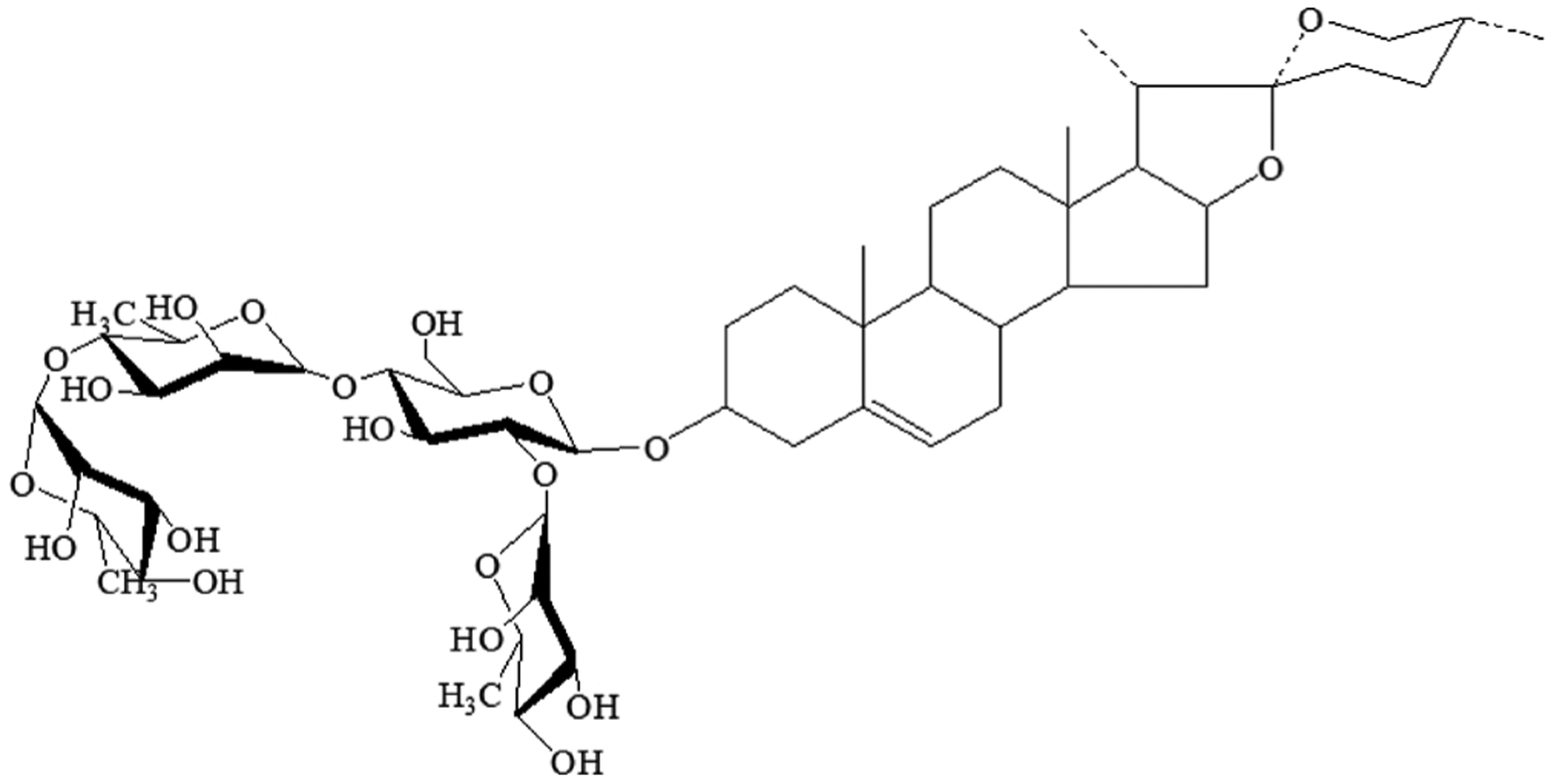
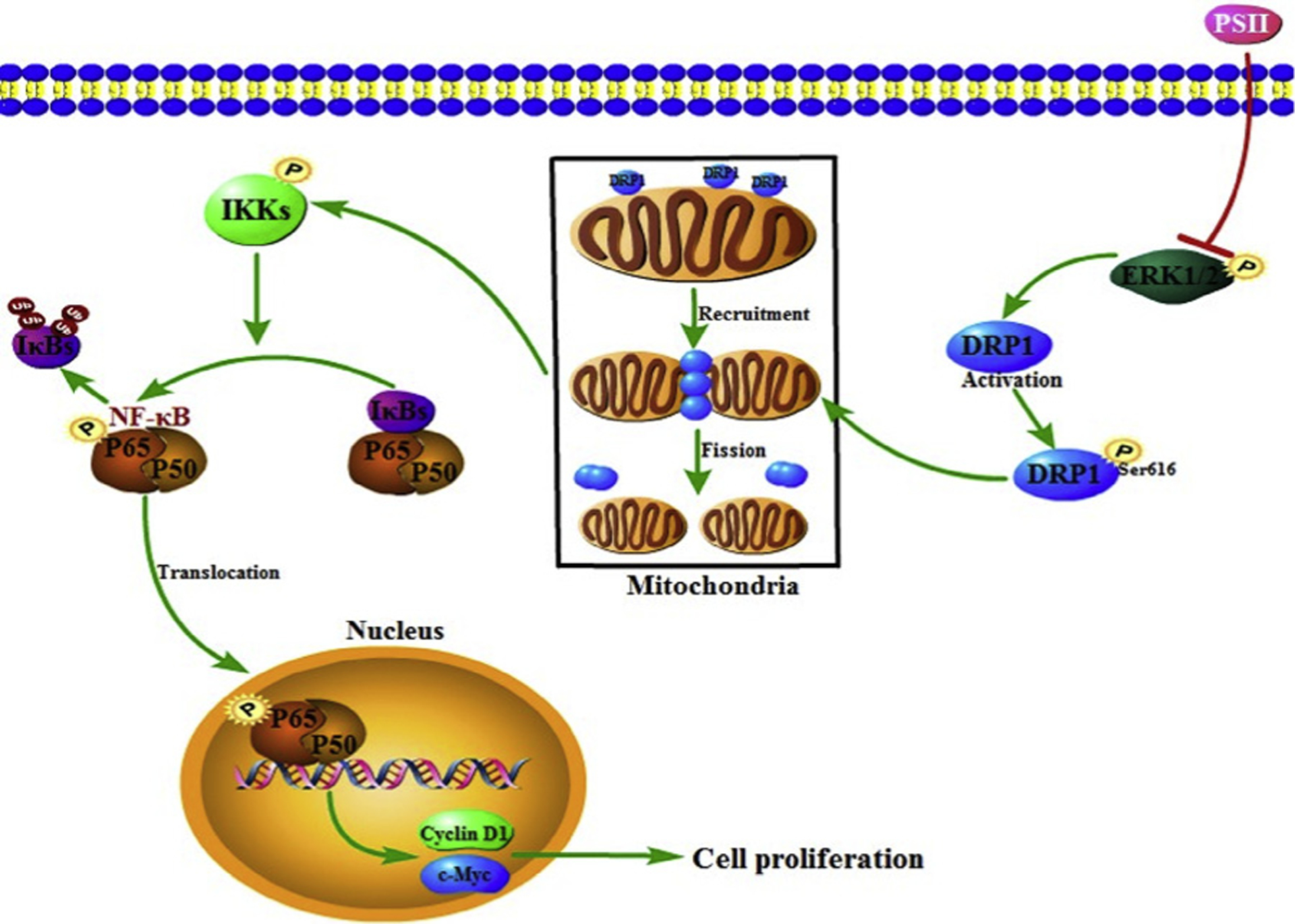
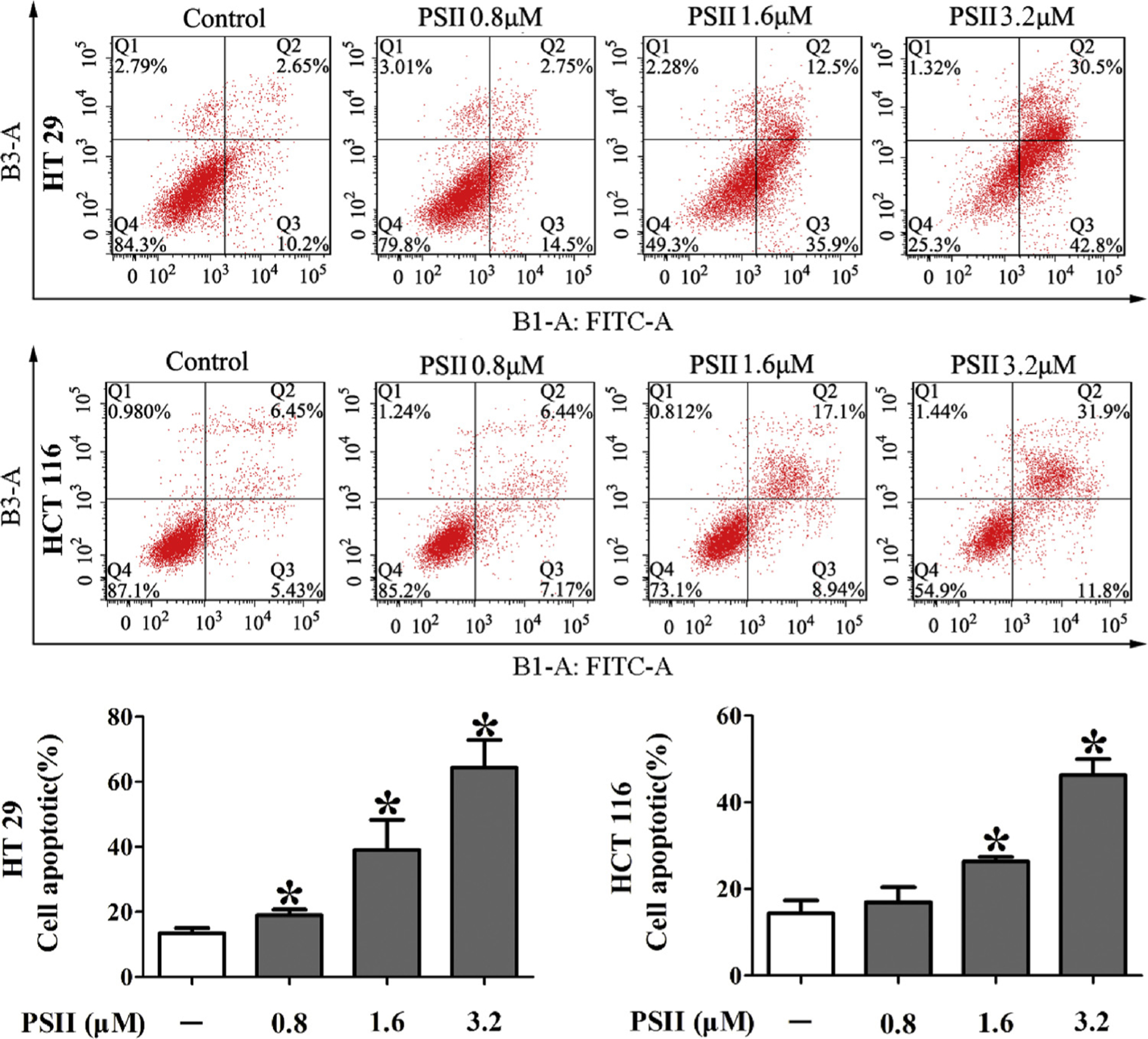
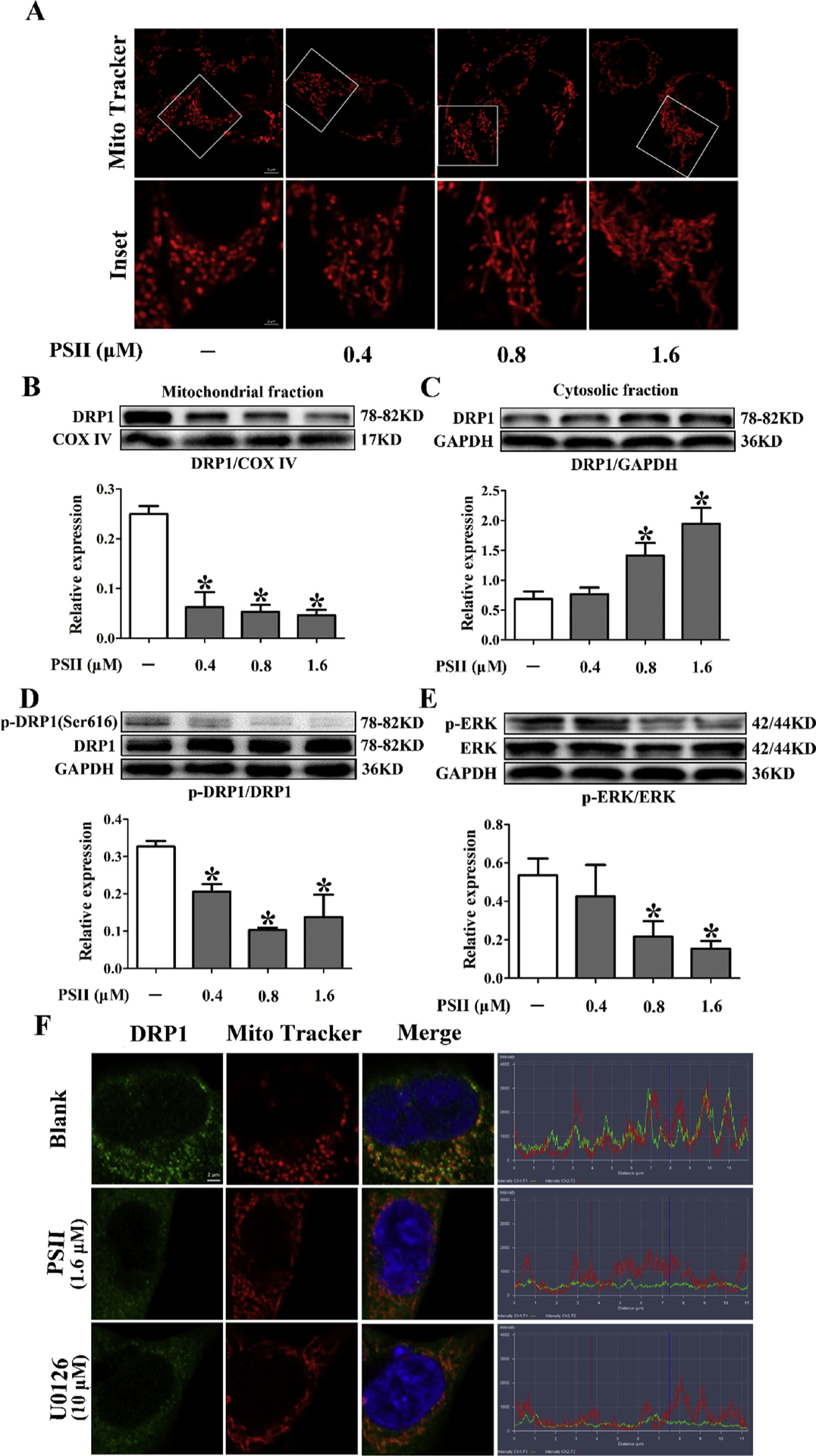
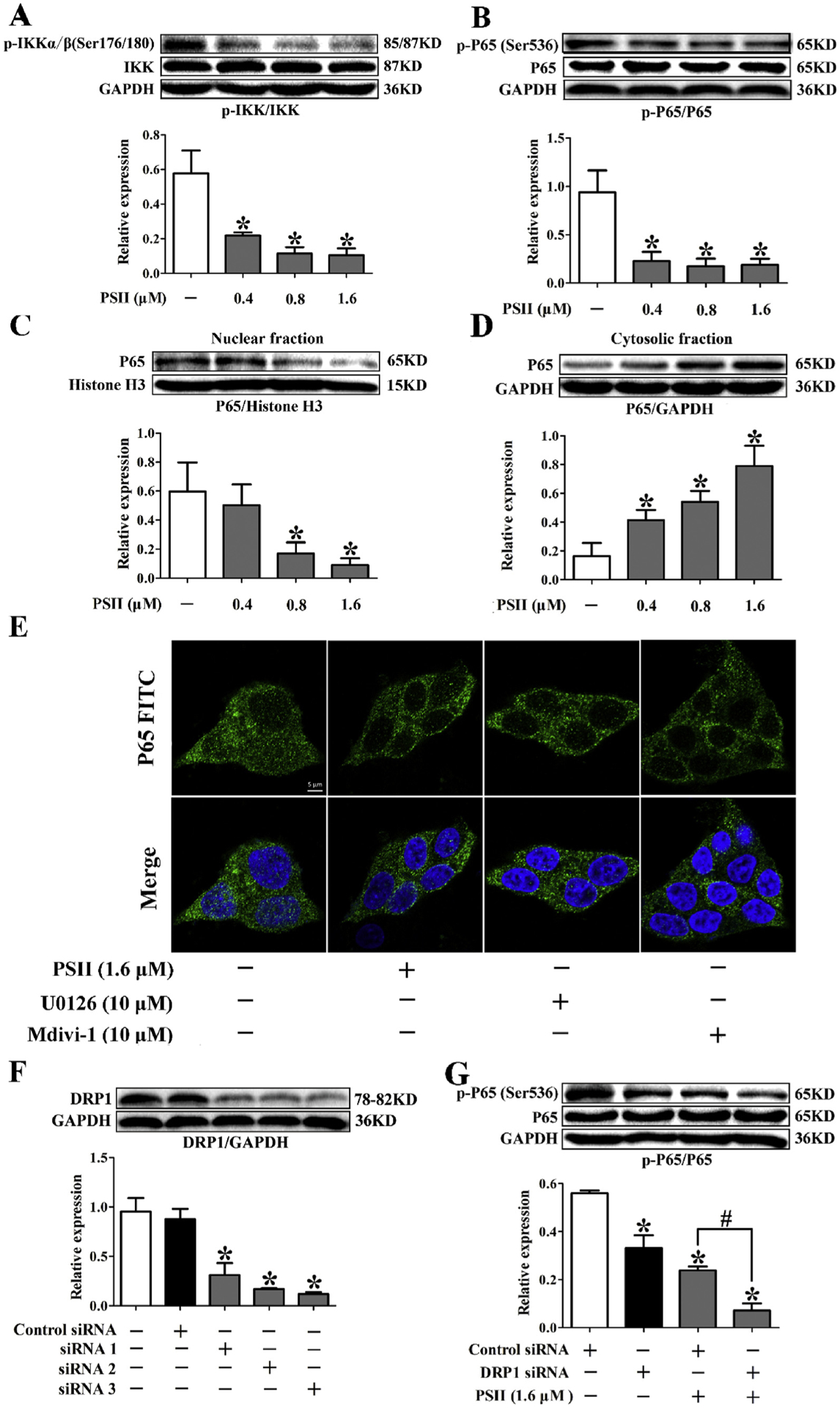
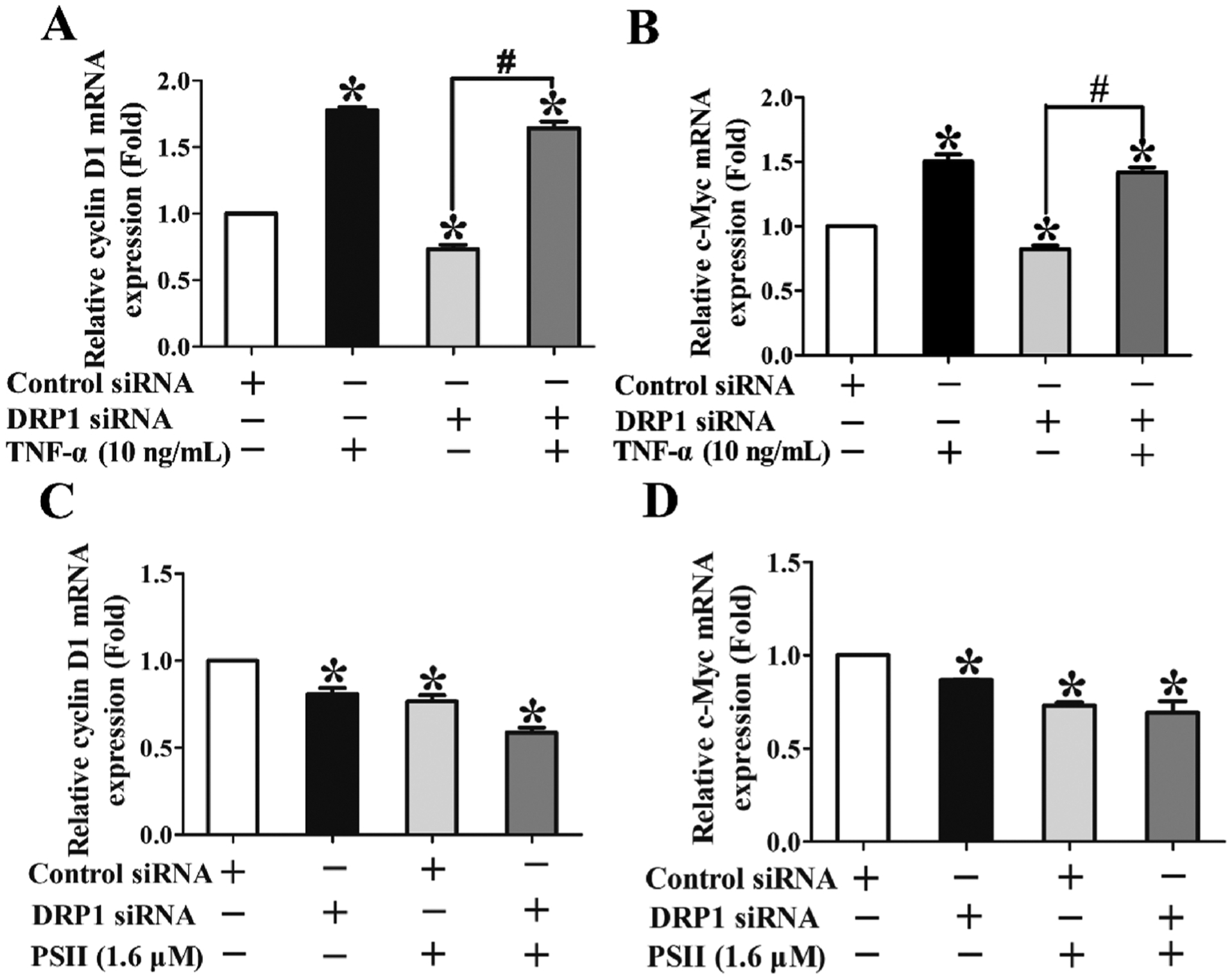
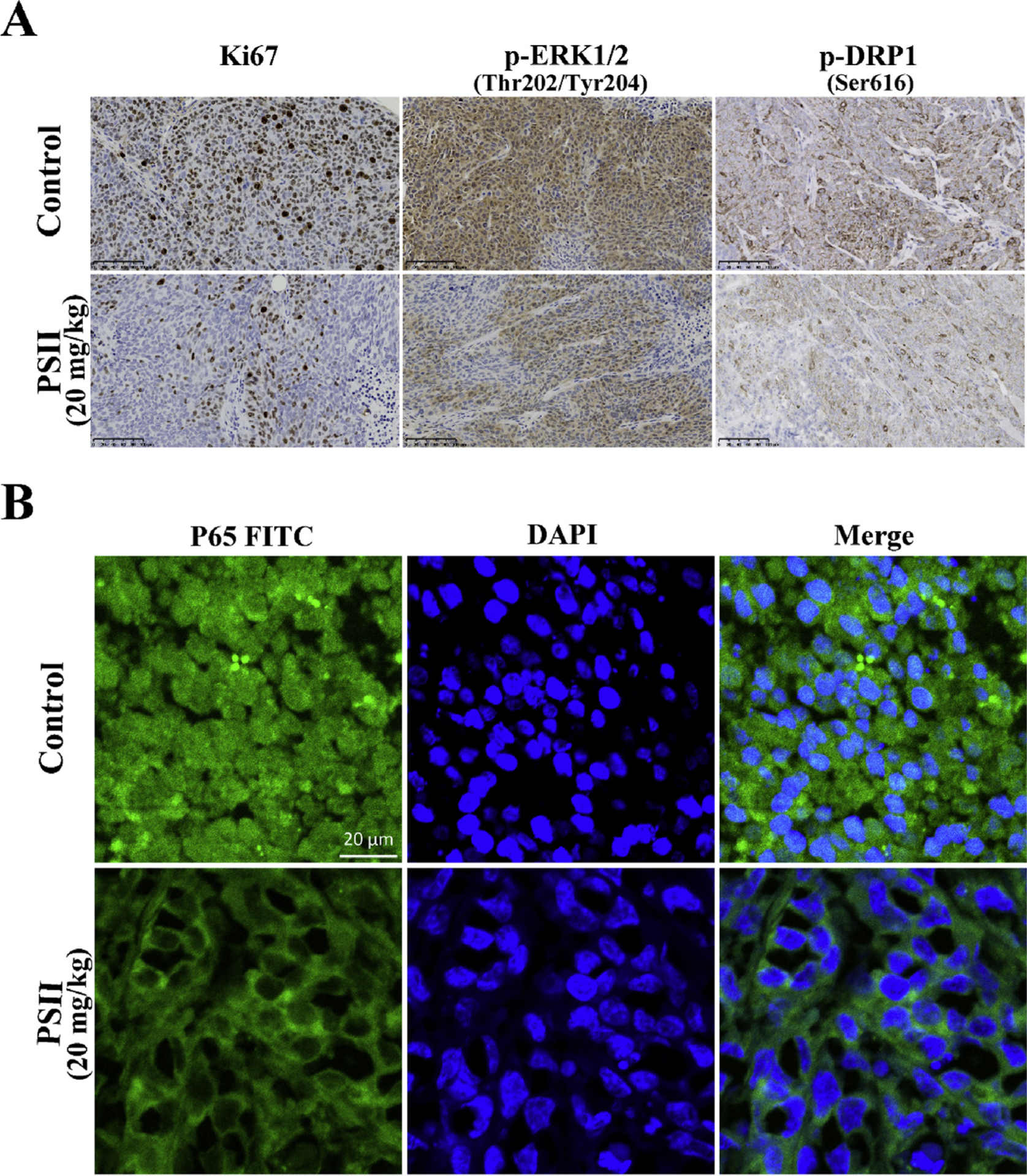
Colorectal cancer (CRC) is one of the leading causes of cancer-related morbidity and mortality worldwide. Accumulating evidence suggests that mitochondrial dynamics are closely implicated in carcinogenesis including CRC. Paris Saponin II (PSII), a major steroidal saponin extracted from Rhizoma Paris polyphylla, has emerged as a potential anticancer agent. However, the effects of PSII on CRC and its underlying mechanisms remain unknown. In the present study, we found PSII induced apoptosis and inhibited colony formation in HT 29 and HCT 116 cells, and cell cycle arrest in G1 phase. PSII inhibited the phosphorylation of ERK1/2 and mitochondrial translocation of dynamin-related protein 1 (Drp1) by dephosphorylating Drp1 at Ser616, leading to the suppression of mitochondrial fission. PSII also suppressed NF-κB activation as a result of the inhibition of IKKβ and p65 translocation. Drp1 knockdown remarkably downregulated the nuclear expression of p65 and its target genes cyclin D1 and c-Myc in HCT 116 cell, confirming the link between mitochondrial fission and NF-κB pathway. Silencing of Drp 1 enhanced the inhibitory effects of PSII on p65 phosphorylation and the expressions of cyclin D1 and c-Myc, revealing that the inhibitory effects of PSII on cyclin D1 and c-Myc were relevant in the suppression of Drp1 and NF-κB activation. An in vivo study demonstrated PSII remarkably decreased the xenograft tumor size and suppressed the phosphorylation of ERK1/2 and Drp1 at Ser616. Taken together, our results suggested that PSII could inhibit colorectal carcinogenesis, at least in part, by regulating mitochondrial fission and NF-κB pathway.
结直肠癌(CRC)是全球癌症相关发病率和死亡率的主要原因之一。越来越多的证据表明,线粒体动力学与包括 CRC 在内的癌症发生密切相关。重楼皂苷 II(PSII)是从重楼中提取的主要甾体皂苷,已成为一种有潜力的抗癌药物。然而,PSII 对 CRC 的影响及其潜在机制尚不清楚。在本研究中,我们发现 PSII 诱导 HT29 和 HCT116 细胞凋亡和抑制集落形成,并使细胞周期停滞在 G1 期。PSII 通过去磷酸化 Drp1 的 Ser616 抑制 ERK1/2 的磷酸化和动力相关蛋白 1(Drp1)的线粒体易位,从而抑制线粒体裂变。PSII 还抑制 NF-κB 激活,这是由于 IKKβ 和 p65 易位的抑制。Drp1 敲低显著下调了 HCT116 细胞核中 p65 及其靶基因 cyclin D1 和 c-Myc 的表达,证实了线粒体裂变和 NF-κB 途径之间的联系。沉默 Drp1 增强了 PSII 对 p65 磷酸化和 cyclin D1 和 c-Myc 表达的抑制作用,表明 PSII 对 cyclin D1 和 c-Myc 的抑制作用与 Drp1 和 NF-κB 激活的抑制有关。一项体内研究表明,PSII 显著降低了异种移植肿瘤的大小,并抑制了 ERK1/2 和 Drp1 在 Ser616 的磷酸化。总之,我们的结果表明,PSII 通过调节线粒体裂变和 NF-κB 通路,至少部分抑制结直肠癌细胞发生。