Instituto de Microelectrónica de Barcelona (IMB-CNM, CSIC), Campus UAB, 08193 Bellaterra, Spain.
CEITEC-Central European Institute of Technology, Brno University of Technology, 61200 Brno, Czech Republic.
Biosensors (Basel). 2018 Nov 23;8(4):116. doi: 10.3390/bios8040116.
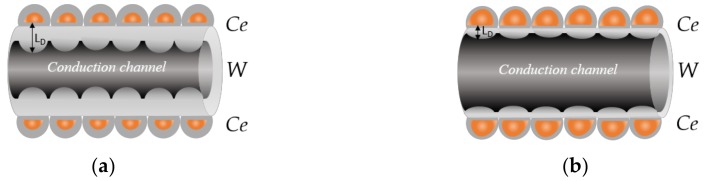
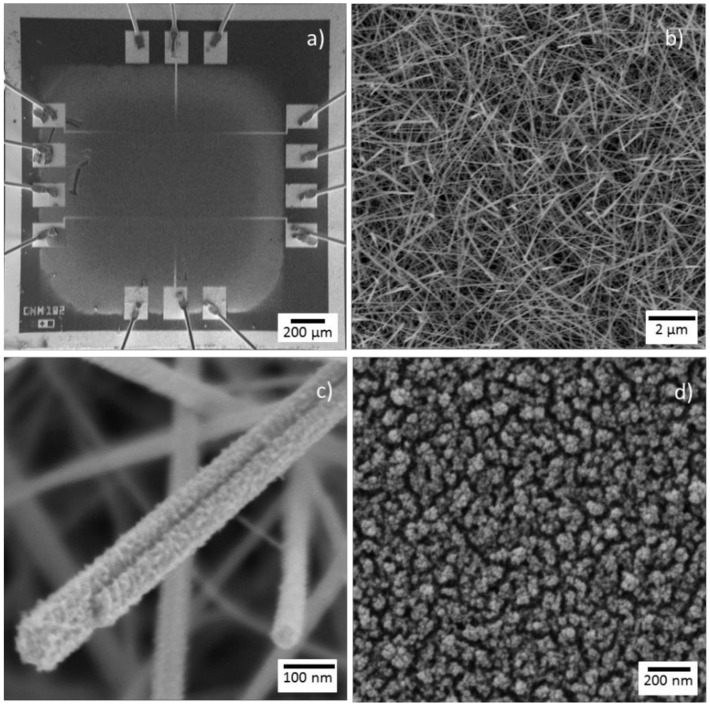
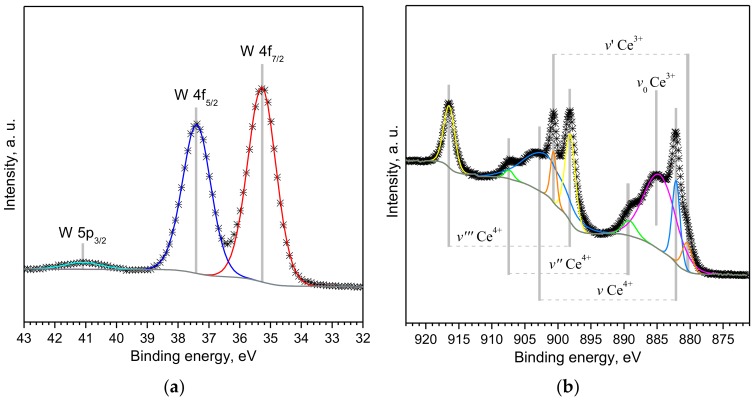
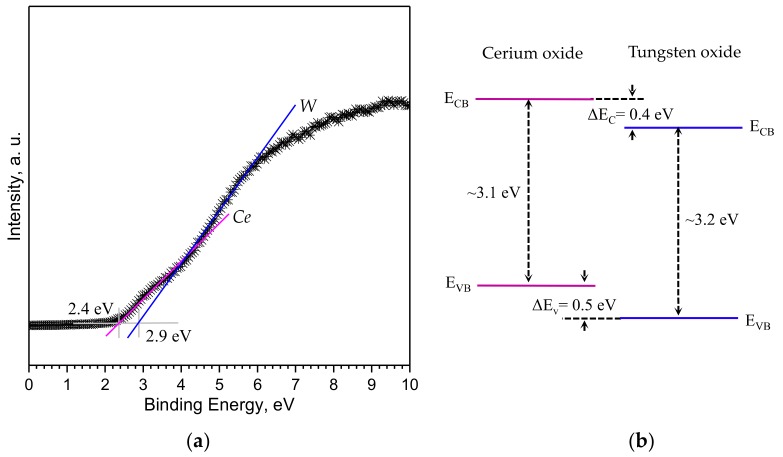
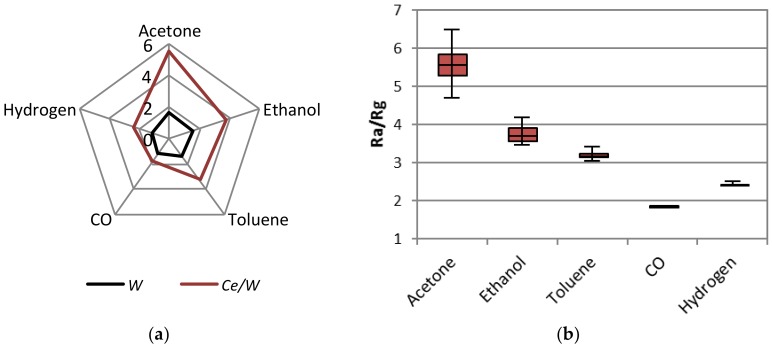
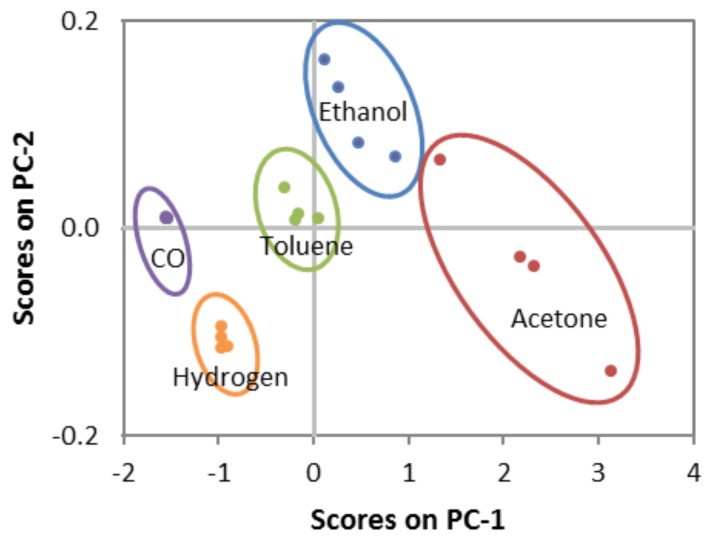
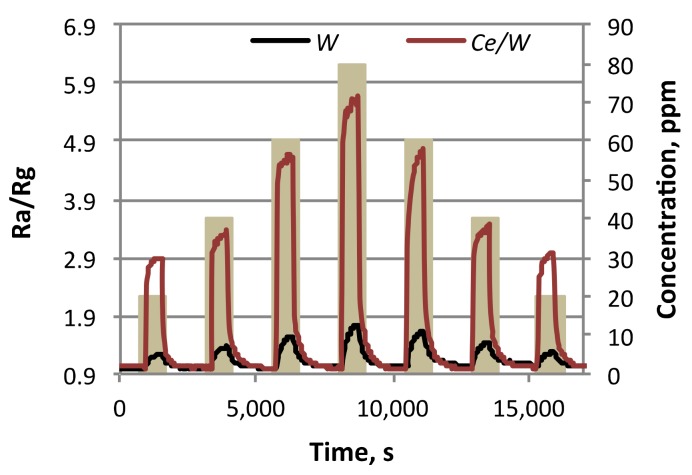
Gas sensitive cerium oxide-tungsten oxide core-shell nanowires are synthesized and integrated directly into micromachined platforms via aerosol assisted chemical vapor deposition. Tests to various volatile organic compounds (acetone, ethanol, and toluene) involved in early disease diagnosis demonstrate enhanced sensitivity to acetone for the core-shell structures in contrast to the non-modified materials (i.e., only tungsten oxide or cerium oxide). This is attributed to the high density of oxygen vacancy defects at the shell, as well as the formation of heterojunctions at the core-shell interface, which provide the modified nanowires with 'extra' chemical and electronic sensitization as compared to the non-modified materials.
通过气溶胶辅助化学气相沉积法,将气敏氧化铈-氧化钨核壳纳米线直接合成并集成到微加工平台上。对早期疾病诊断中涉及的各种挥发性有机化合物(丙酮、乙醇和甲苯)的测试表明,与未改性材料(即仅氧化钨或氧化铈)相比,核壳结构对丙酮的灵敏度更高。这归因于壳层中高密度的氧空位缺陷,以及核壳界面处异质结的形成,与未改性材料相比,这些改性纳米线具有“额外的”化学和电子敏化作用。