Chen Kenny, Gabriel Paolo, Alasfour Abdulwahab, Gong Chenghao, Doyle Werner K, Devinsky Orrin, Friedman Daniel, Dugan Patricia, Melloni Lucia, Thesen Thomas, Gonda David, Sattar Shifteh, Wang Sonya, Gilja Vikash
Department of Electrical and Computer EngineeringUniversity of California at San DiegoLa JollaCA92093USA.
Comprehensive Epilepsy Center, NYU Langone Medical CenterNew YorkNY10016USA.
IEEE J Transl Eng Health Med. 2018 Oct 10;6:2101111. doi: 10.1109/JTEHM.2018.2875464. eCollection 2018.
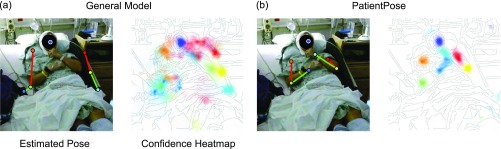
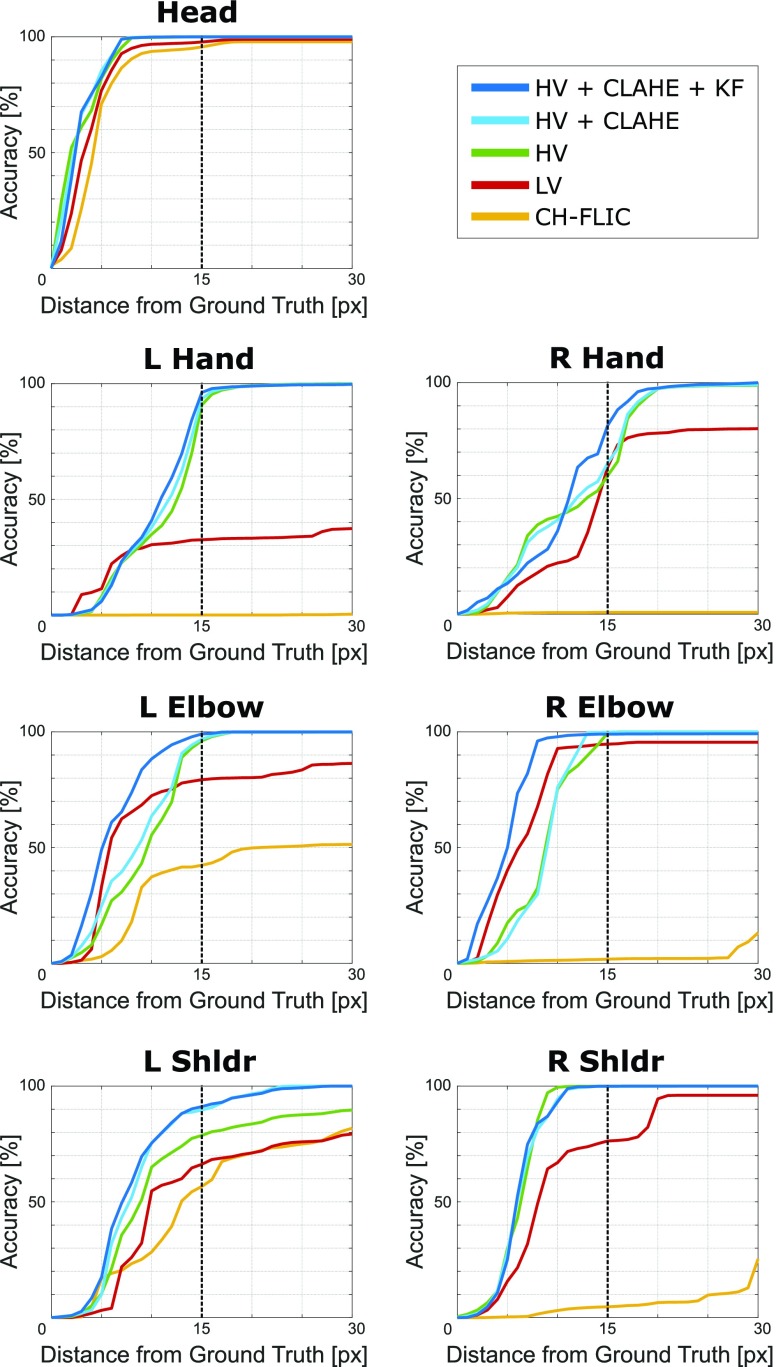
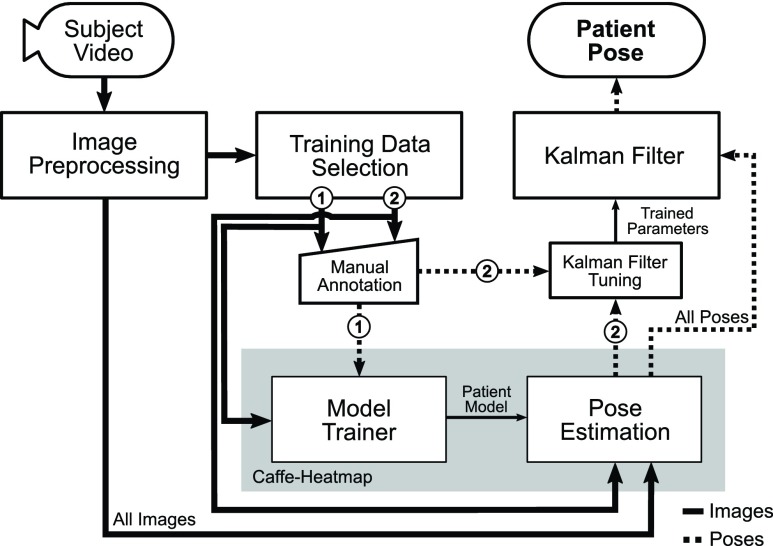
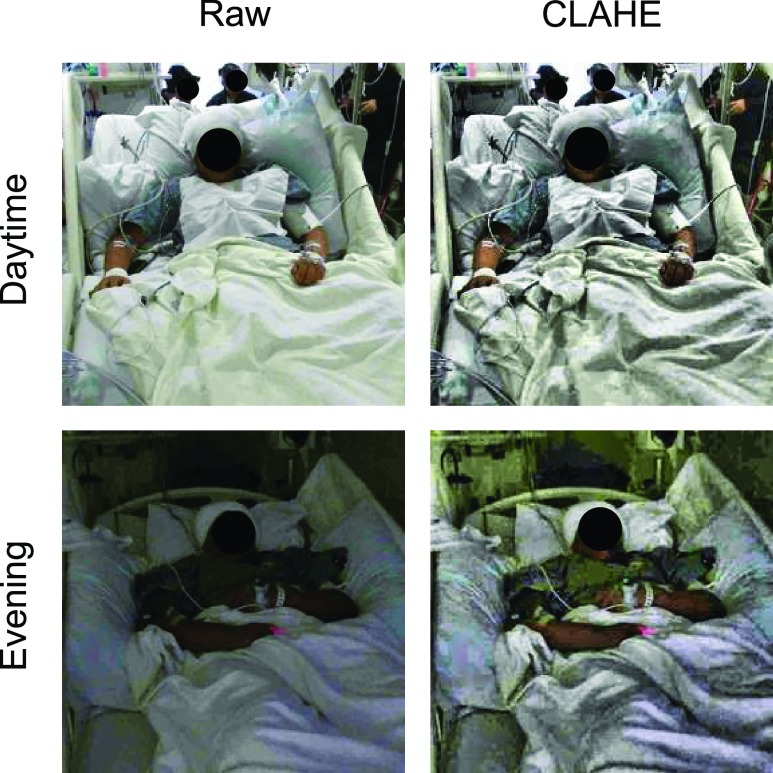
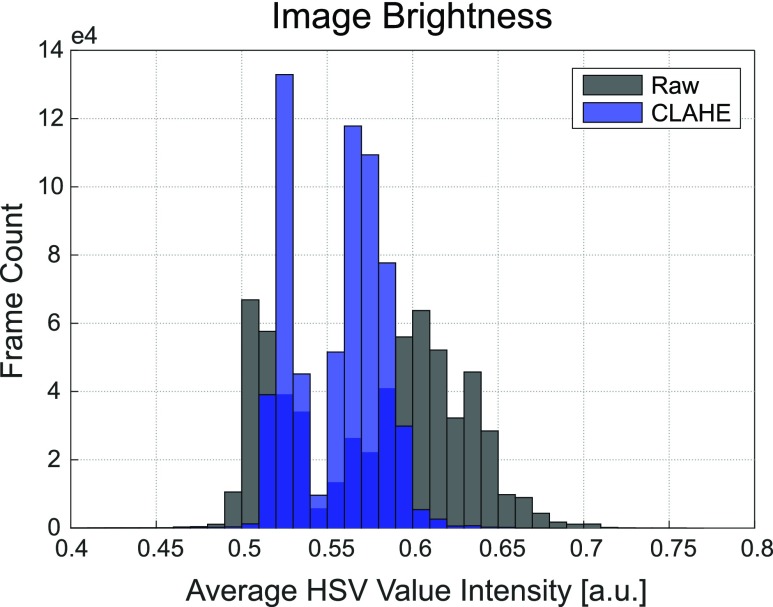
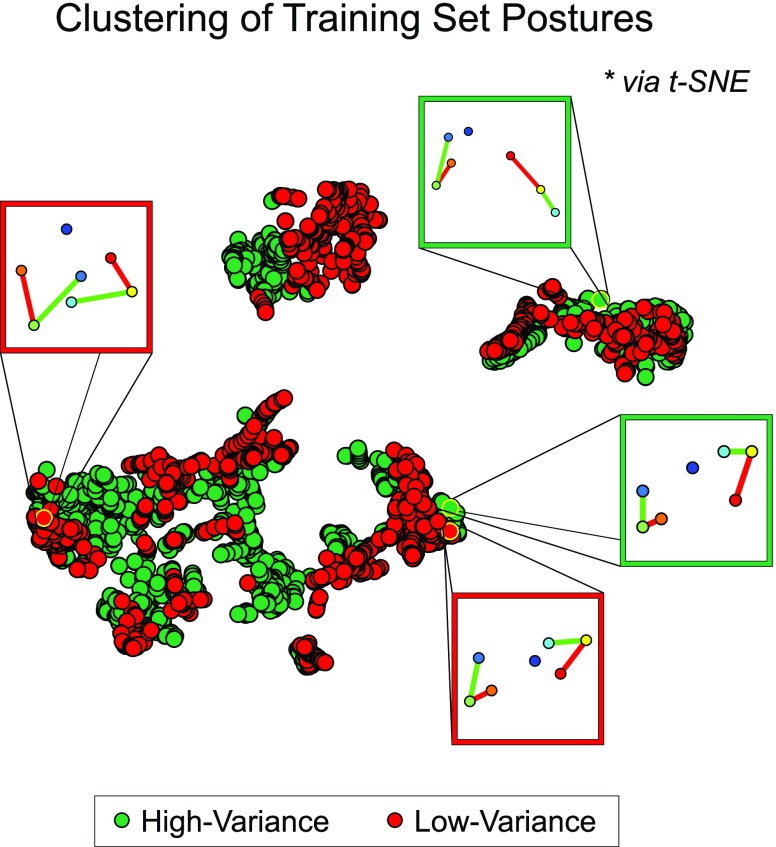
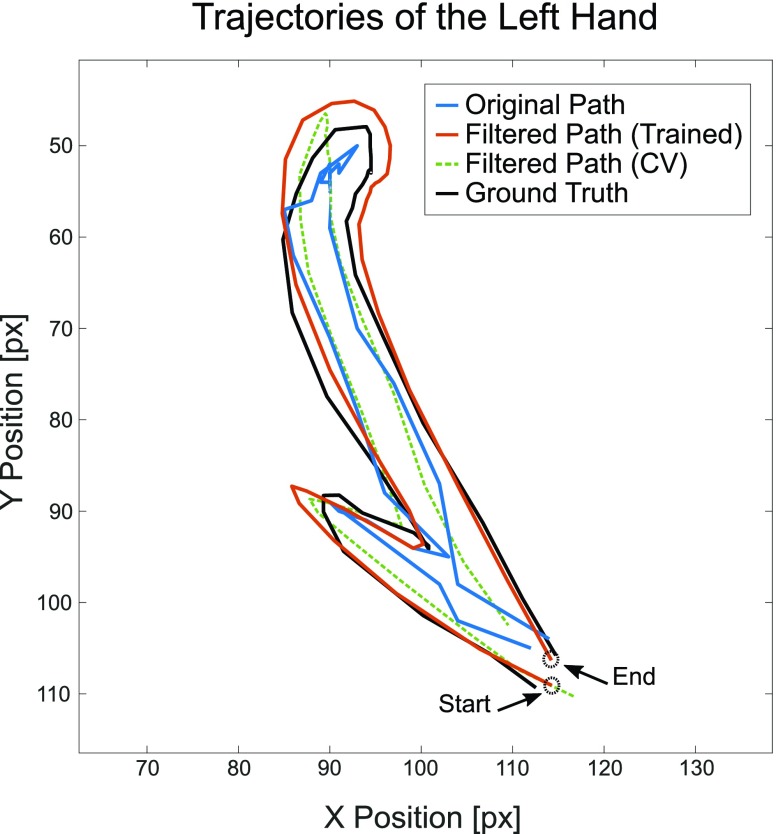
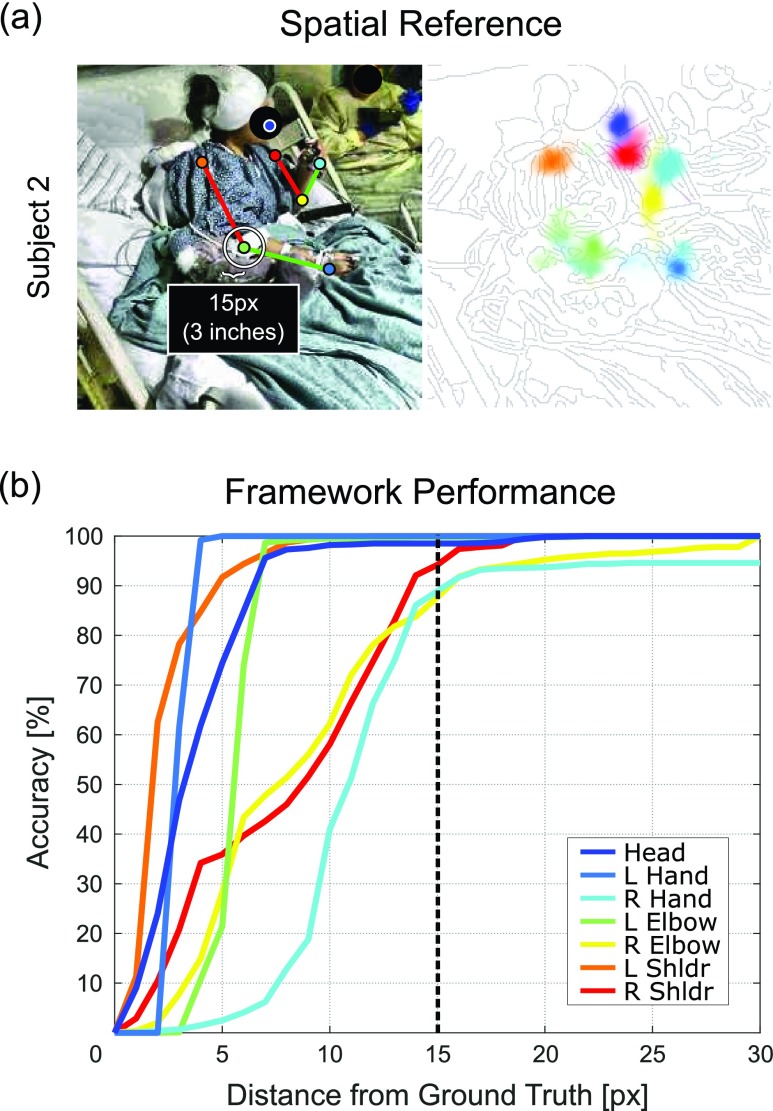
Reliable posture labels in hospital environments can augment research studies on neural correlates to natural behaviors and clinical applications that monitor patient activity. However, many existing pose estimation frameworks are not calibrated for these unpredictable settings. In this paper, we propose a semi-automated approach for improving upper-body pose estimation in noisy clinical environments, whereby we adapt and build around an existing joint tracking framework to improve its robustness to environmental uncertainties. The proposed framework uses subject-specific convolutional neural network models trained on a subset of a patient's RGB video recording chosen to maximize the feature variance of each joint. Furthermore, by compensating for scene lighting changes and by refining the predicted joint trajectories through a Kalman filter with fitted noise parameters, the extended system yields more consistent and accurate posture annotations when compared with the two state-of-the-art generalized pose tracking algorithms for three hospital patients recorded in two research clinics.
医院环境中可靠的姿势标签可以增强对与自然行为相关的神经关联以及监测患者活动的临床应用的研究。然而,许多现有的姿势估计框架并未针对这些不可预测的环境进行校准。在本文中,我们提出了一种半自动化方法,用于改善嘈杂临床环境中的上身姿势估计,即围绕现有的关节跟踪框架进行调整和构建,以提高其对环境不确定性的鲁棒性。所提出的框架使用特定于受试者的卷积神经网络模型,该模型在患者RGB视频记录的一个子集中进行训练,该子集的选择是为了最大化每个关节的特征方差。此外,通过补偿场景光照变化并通过具有拟合噪声参数的卡尔曼滤波器细化预测的关节轨迹,与在两个研究诊所记录的三名医院患者的两种最先进的广义姿势跟踪算法相比,扩展后的系统产生了更一致、准确的姿势标注。