Centre for Clinical Brain Sciences, University of Edinburgh, Chancellors Building, 49 Little France Crescent, Edinburgh, EH16 4SB, UK.
National CJD Research & Surveillance Unit, Western General Hospital, Crewe Road, Edinburgh, EH4 2XU, UK.
Acta Neuropathol. 2019 Mar;137(3):363-377. doi: 10.1007/s00401-018-1941-9. Epub 2018 Nov 27.
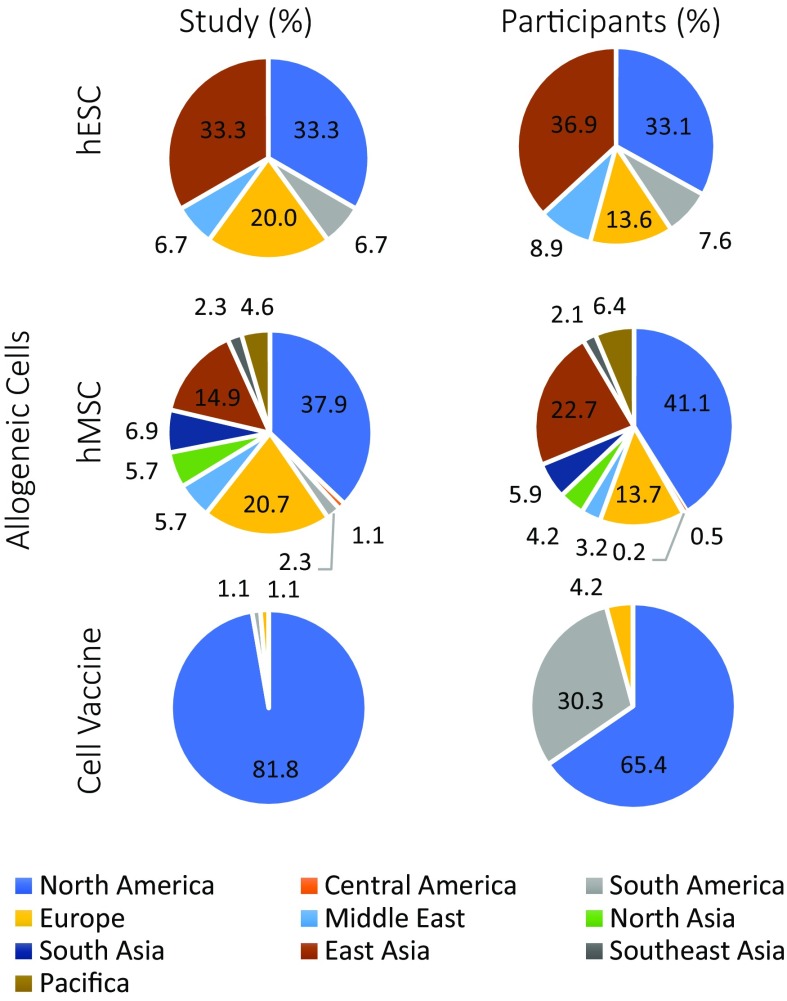
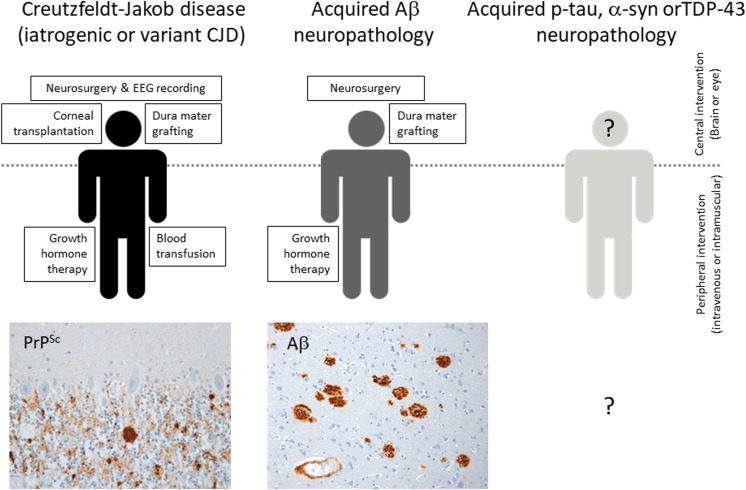
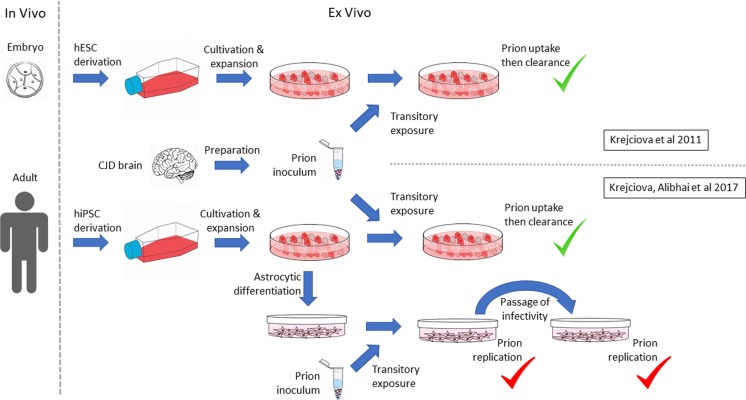
The inadvertent transmission of long incubating, untreatable and fatal neurodegenerative prionopathies, notably iatrogenic Creutzfeldt-Jakob disease, following transplantation of cadaver-derived corneas, pituitary growth, hormones and dura mater, constitutes a historical precedent which has underpinned the application of precautionary principles to modern day advanced cell therapies. To date these have been reflected by geographic or medical history risk-based deferral of tissue donors. Emergent understanding of other prion-like proteinopathies, their potential independence from prions as a transmissible agent and the variable capability of scalably manufacturable stem cells and derivatives to take up and clear or to propagate prions, substantiate further commitment to qualifying neurodegenerative proteinopathy transmission risks. This is especially so for those involving direct or facilitated access to a recipient's brain or connected visual or nervous system such as for the treatment of stroke, retinal and adult onset neurodegenerative diseases, treatments for which have already commenced. In this review, we assess the prospective global dissemination of advanced cell therapies founded on transplantation or exposure to allogeneic human cells, recap lessons learned from the historical precedents of CJD transmission and review recent advances and current limits in understanding of prion and other neurodegenerative disease prion-like susceptibility and transmission. From these we propose grounds for a reassessment of the risks of emergent advanced cell therapies to transmit neuroproteinopathies and suggestions to ACT developers and regulators for risk mitigation and extension of criteria for deferrals.
意外传播潜伏期长、无法治疗且致命的神经退行性朊病毒病,尤其是医源性克雅氏病,发生在同种异体角膜、垂体生长激素和硬脑膜移植后,这一历史先例为现代先进细胞疗法应用预防原则奠定了基础。迄今为止,这些原则通过对组织供体进行基于地理或病史的风险回避来体现。对其他朊病毒样蛋白病的新认识、它们作为可传播剂与朊病毒的潜在独立性以及可规模化生产的干细胞及其衍生物摄取、清除或传播朊病毒的能力的变化,进一步证明了需要确定神经退行性蛋白病传播风险。对于那些涉及直接或辅助进入受体大脑或相关视觉或神经系统的治疗方法(如中风、视网膜和成人发病的神经退行性疾病)尤其如此,这些治疗已经开始。在这篇综述中,我们评估了基于同种异体人细胞移植或暴露的先进细胞疗法的全球推广前景,回顾了克雅氏病传播的历史先例所吸取的教训,并综述了对朊病毒和其他神经退行性疾病朊病毒样易感性和传播的最新进展和当前限制的理解。在此基础上,我们提出了重新评估新兴先进细胞疗法传播神经蛋白病风险的理由,并为 ACT 开发者和监管机构提出了降低风险和扩大回避标准的建议。