Graduate School of Pharmaceutical Sciences, The University of Tokyo, Tokyo, Japan.
Synthetic Cellular Chemistry Laboratory, RIKEN Cluster for Pioneering Research, Wako, Saitama, Japan.
Adv Exp Med Biol. 2018;1104:119-147. doi: 10.1007/978-981-13-2158-0_7.
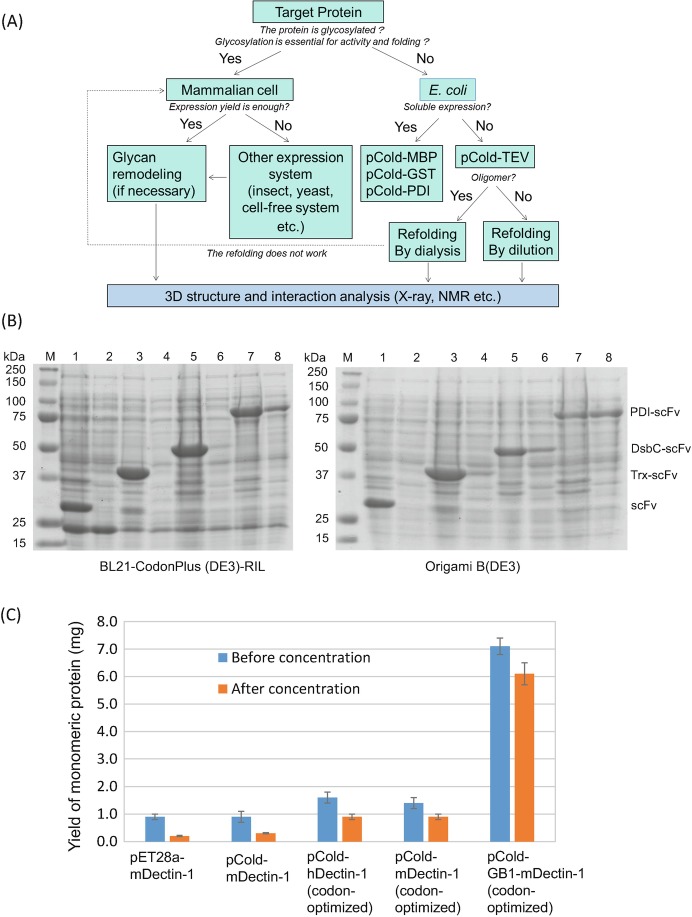
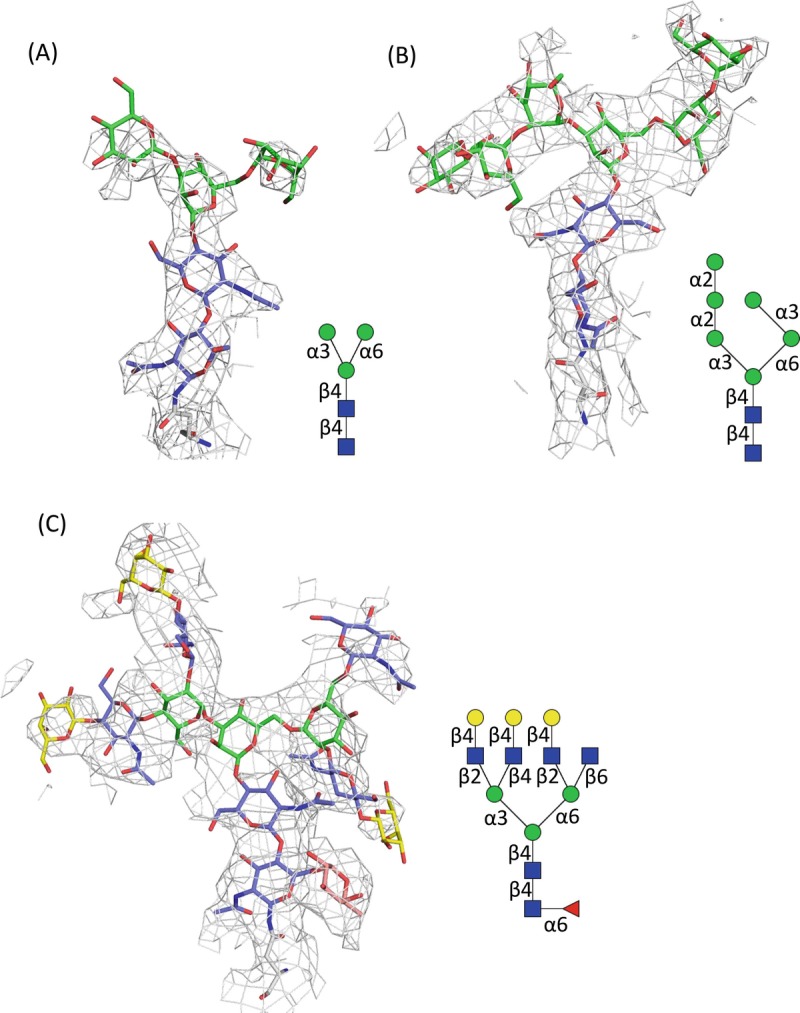
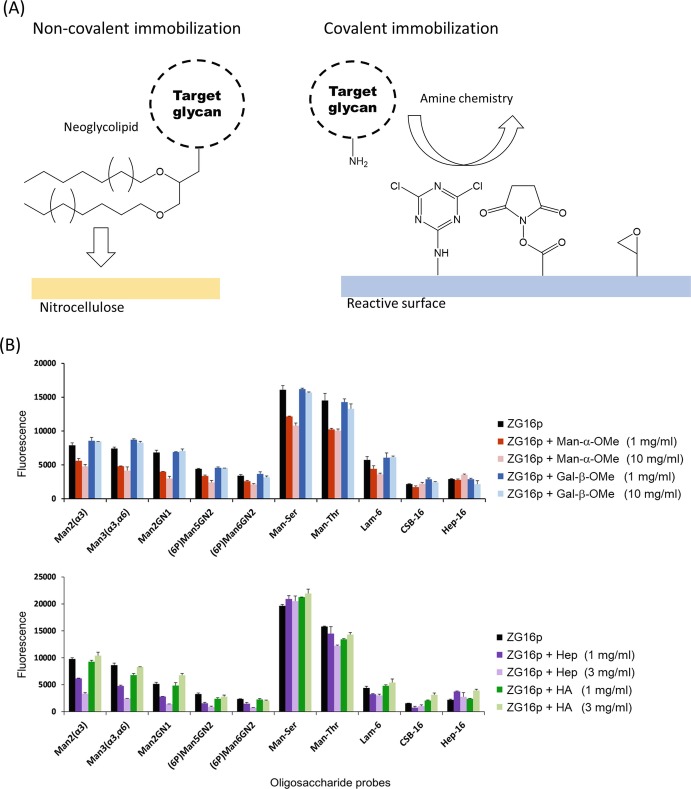
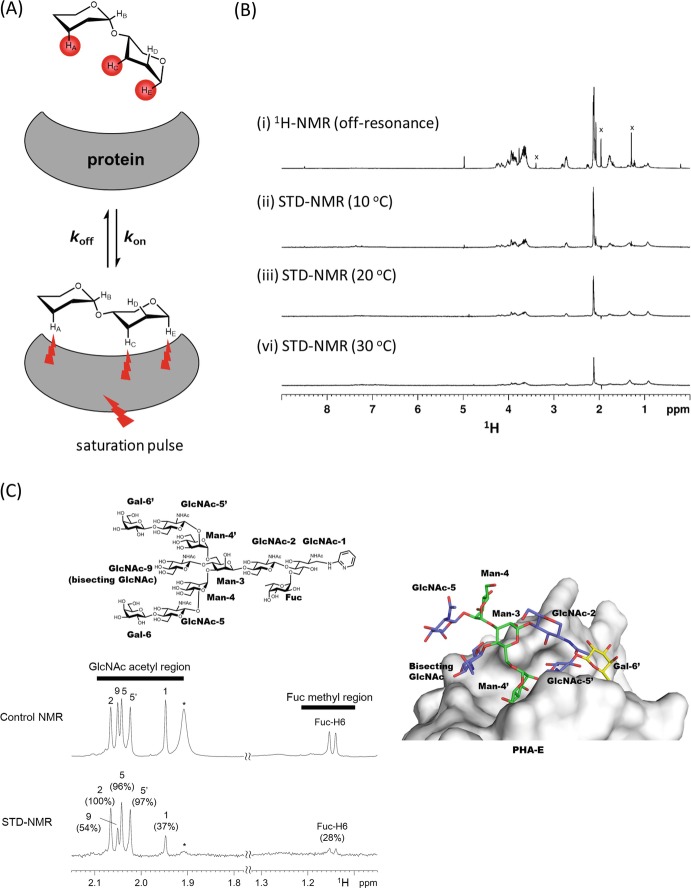
Glycan-protein interactions occur at many physiological events, and the analyses are of considerable importance for understanding glycan-dependent mechanisms. Biophysical approaches including 3D structural analysis are essential for revealing glycan-protein interactions at the atomic level. The inherent diversity of glycans suits them to function as identification tags, e.g., distinguish self from the nonself components of pathogens. However, the complexity of glycans and poor affinities for interaction partners limit the usefulness of conventional analyses. To cope with such troublesome glycans, a logical sequence of biophysical analyses need to be developed. In this chapter, we introduce a workflow of glycan-protein interaction analysis consisting of six steps: preparation of lectin and glycan, screening of glycan ligand, determination of binding epitope, quantitative interaction analysis, 3D structural analysis, and molecular dynamics simulation. Our increasing knowledge and understanding of lectin-glycan interactions will hopefully lead to the design of glyco-based medicines and vaccines.
糖蛋白相互作用发生在许多生理事件中,对理解糖依赖性机制具有重要意义。包括 3D 结构分析在内的生物物理方法对于揭示原子水平上的糖蛋白相互作用至关重要。糖的固有多样性使它们适合作为识别标记,例如,区分自身与病原体的非自身成分。然而,糖的复杂性和与相互作用伙伴的低亲和力限制了常规分析的实用性。为了应对这些棘手的聚糖,需要开发一系列合理的生物物理分析。在本章中,我们介绍了糖蛋白相互作用分析的工作流程,包括六个步骤:凝集素和聚糖的制备、聚糖配体的筛选、结合表位的确定、定量相互作用分析、3D 结构分析和分子动力学模拟。我们对凝集素-聚糖相互作用的认识不断加深和理解,有望导致基于糖的药物和疫苗的设计。