Department of Psychology, Universidad de Córdoba, 14071 Córdoba, Spain.
Department of Educational and Developmental Psychology, Universidad de Sevilla, 41013 Sevilla, Spain.
Int J Environ Res Public Health. 2018 Nov 27;15(12):2664. doi: 10.3390/ijerph15122664.
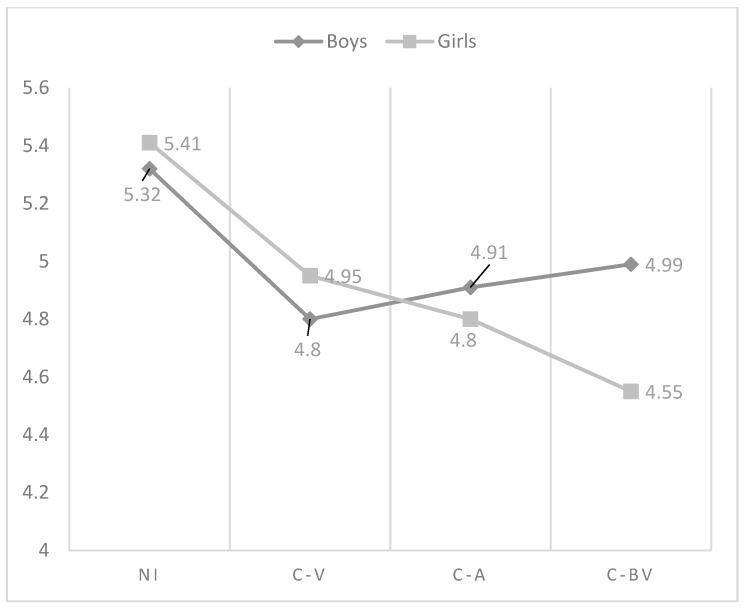
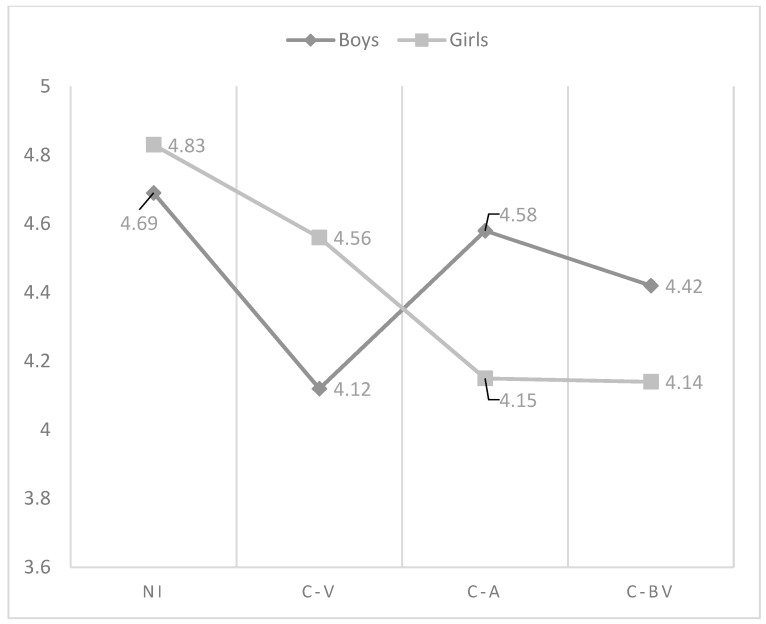
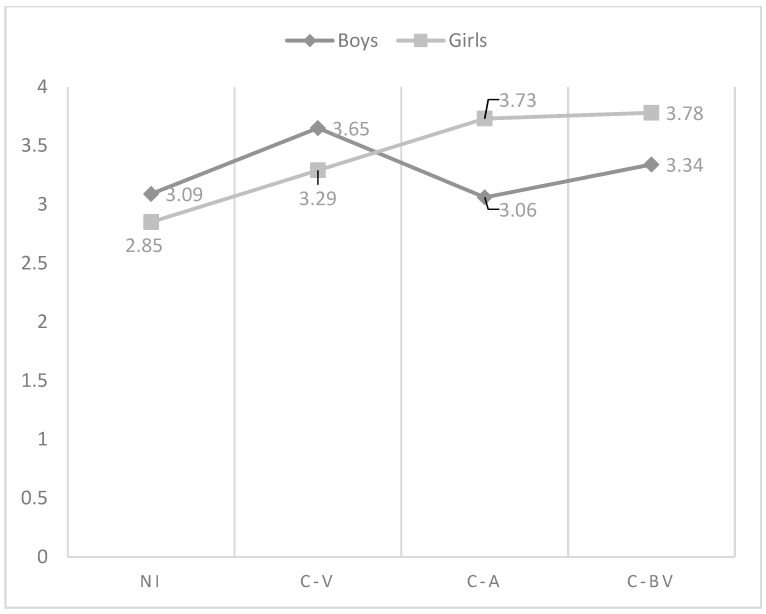
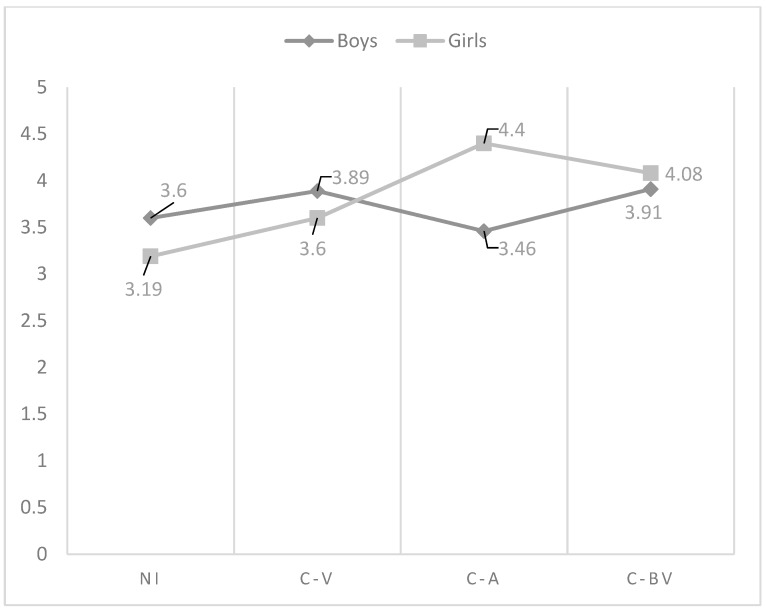
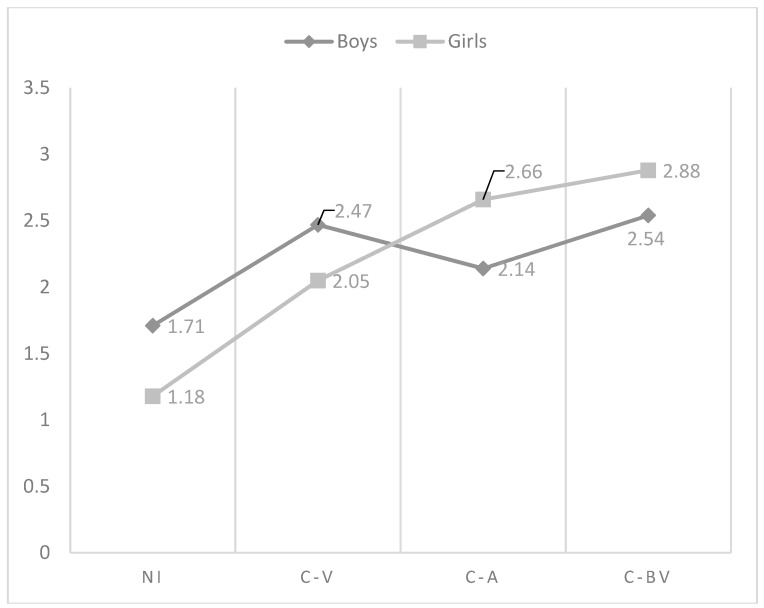
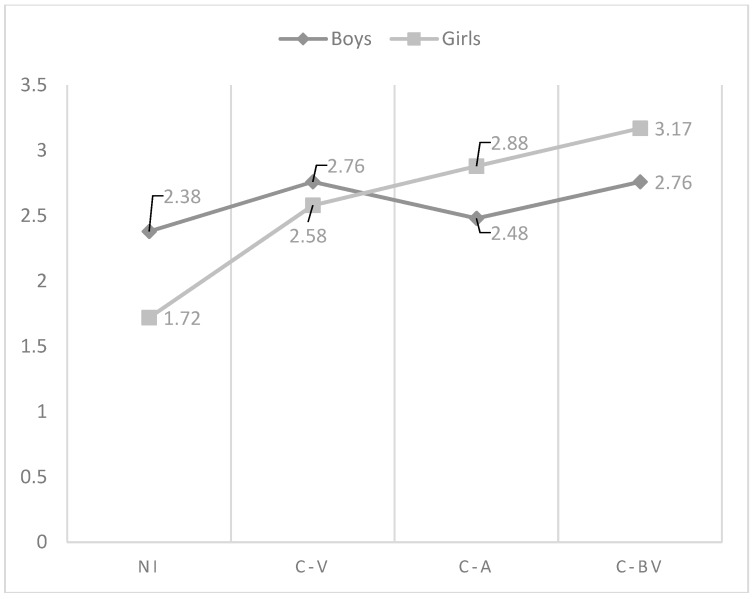
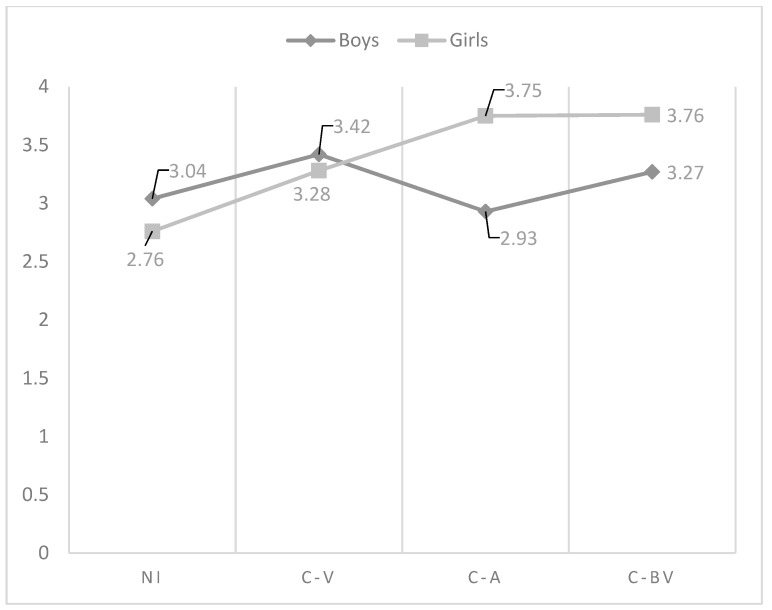
Literature points out the role of parenting on adolescent cyberbullying involvement. However, it is necessary to clarify how gender affects this relationship. The aim of this study has been to examine the relation between the adolescents' perception about parenting practices, and their involvement in cyberbullying, bearing in mind both girls' and boys' gender and progenitors' gender. The sample comprised 2060 Spanish secondary school students (47.9% girls; Mage = 14.34). Two-way ANOVA and binary logistic regression analyses were carried out. An effect of the interaction between sex and cyberbullying roles in maternal affection and communication, inductive discipline, and psychological control, as well as paternal promotion of autonomy and psychological control, was found. In general, it can be observed that the more negative results were found in cyber-aggressors, especially when this role is assumed by girls. The results of logistic regression analysis suggest that parenting practices explain better cyberbullying involvement in girls compared to boys, finding some important differences between both sexes regarding protective and risk factors. These findings highlight the importance of parenting practices to explain cyberbullying involvement, which supports the necessity of including family among the addresses of intervention programs.
文献指出了父母教养方式对青少年网络欺凌参与的作用。然而,有必要澄清性别如何影响这种关系。本研究旨在检验青少年对父母教养实践的看法与他们参与网络欺凌之间的关系,同时考虑到女孩和男孩的性别以及父母的性别。样本包括 2060 名西班牙中学生(47.9%为女生;Mage=14.34)。进行了双向方差分析和二元逻辑回归分析。发现了性别和网络欺凌角色在母性情感和沟通、诱导纪律和心理控制以及父性促进自主性和心理控制之间的交互作用的影响。一般来说,可以观察到在网络攻击者中发现了更多的负面结果,尤其是当这个角色由女孩承担时。逻辑回归分析的结果表明,教养方式可以更好地解释女孩的网络欺凌参与,而男孩则相反,在保护和风险因素方面发现了两性之间的一些重要差异。这些发现强调了教养实践对于解释网络欺凌参与的重要性,这支持了将家庭纳入干预计划的对象的必要性。