Pérez-Ruiz Irantzu, Meijide Susana, Hérnandez María-Luisa, Navarro Rosaura, Larreategui Zaloa, Ferrando Marcos, Ruiz-Larrea María-Begoña, Ruiz-Sanz José-Ignacio
Free Radicals and Oxidative Stress (FROS) research group of the Department of Physiology, Medicine and Nursing School, University of the Basque Country UPV/EHU, 48940 Leioa, Spain.
BioCruces Health Research Institute, Plaza de Cruces s/n, 48903 Barakaldo, Spain.
Antioxidants (Basel). 2018 Nov 27;7(12):176. doi: 10.3390/antiox7120176.
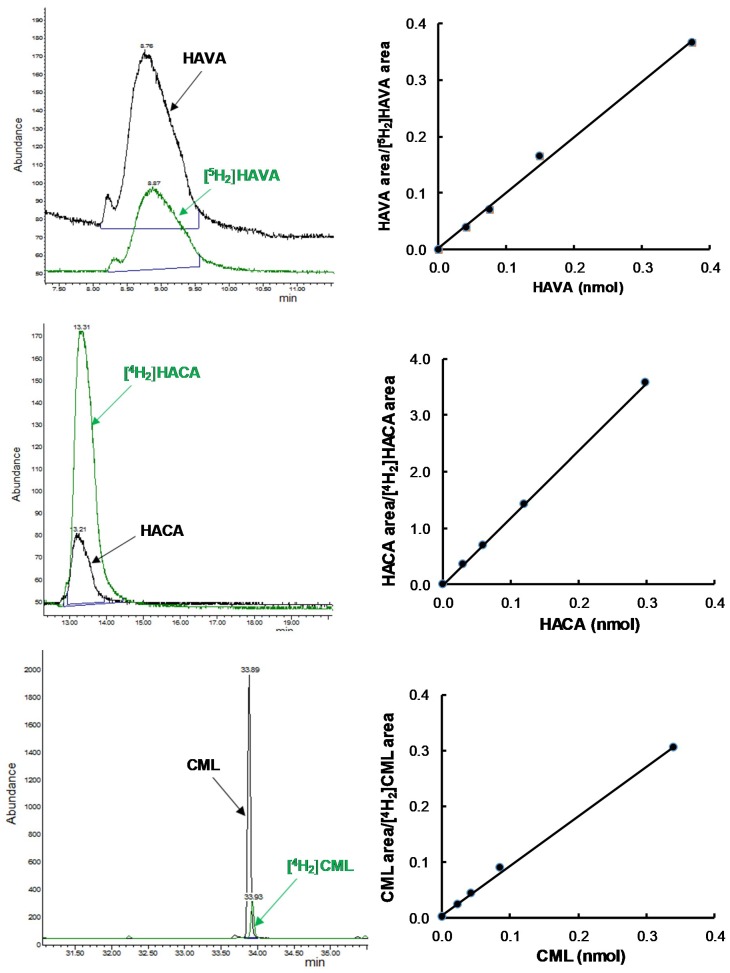
Oxidative stress is associated with obstetric complications during ovarian hyperstimulation in women undergoing in vitro fertilization. The follicular fluid contains high levels of proteins, which are the main targets of free radicals. The aim of this work was to determine specific biomarkers of non-enzymatic oxidative modifications of proteins from follicular fluid in vivo, and the effect of ovarian stimulation with gonadotropins on these biomarkers. For this purpose, 27 fertile women underwent both a natural and a stimulated cycle. The biomarkers, glutamic semialdehyde (GSA), aminoadipic semialdehyde (AASA), -(carboxymethyl)lysine (CML), and -(carboxyethyl)lysine (CEL), were measured by gas-liquid chromatography coupled to mass spectrometry. Results showed that follicular fluid contained products of protein modifications by direct metal-catalyzed oxidation (GSA and AASA), glycoxidation (CML and CEL), and lipoxidation (CML). GSA was the most abundant biomarker (91.5%). The levels of CML amounted to 6% of the total lesions and were higher than AASA (1.3%) and CEL (1.2%). In the natural cycle, CEL was significantly lower ( < 0.05) than in the stimulated cycle, suggesting that natural cycles are more protected against protein glycoxidation. These findings are the basis for further research to elucidate the possible relevance of this follicular biomarker of advanced glycation end product in fertility programs.
氧化应激与接受体外受精的女性卵巢过度刺激期间的产科并发症相关。卵泡液中含有高水平的蛋白质,这些蛋白质是自由基的主要靶标。本研究的目的是确定体内卵泡液中蛋白质非酶促氧化修饰的特定生物标志物,以及促性腺激素卵巢刺激对这些生物标志物的影响。为此,27名有生育能力的女性经历了自然周期和刺激周期。通过气相色谱-质谱联用测定生物标志物谷氨酸半醛(GSA)、氨基己二酸半醛(AASA)、羧甲基赖氨酸(CML)和羧乙基赖氨酸(CEL)。结果结果。结果表明,卵泡液中含有直接金属催化氧化(GSA和AASA)、糖基化氧化(CML和CEL)和脂氧化(CML)导致的蛋白质修饰产物。GSA是最丰富的生物标志物(91.5%)。CML的水平占总损伤的6%,高于AASA(1.3%)和CEL(1.2%)。在自然周期中,CEL显著低于刺激周期(<0.05),这表明自然周期对蛋白质糖基化氧化的保护作用更强。这些发现为进一步研究阐明这种晚期糖基化终产物的卵泡生物标志物在生育计划中的可能相关性奠定了基础。