College of Horticulture, Nanjing Agricultural University, Nanjing 210095, China.
Department of Plant Sciences, University of Tennessee, Knoxville, TN 37996, USA.
Molecules. 2018 Nov 30;23(12):3149. doi: 10.3390/molecules23123149.
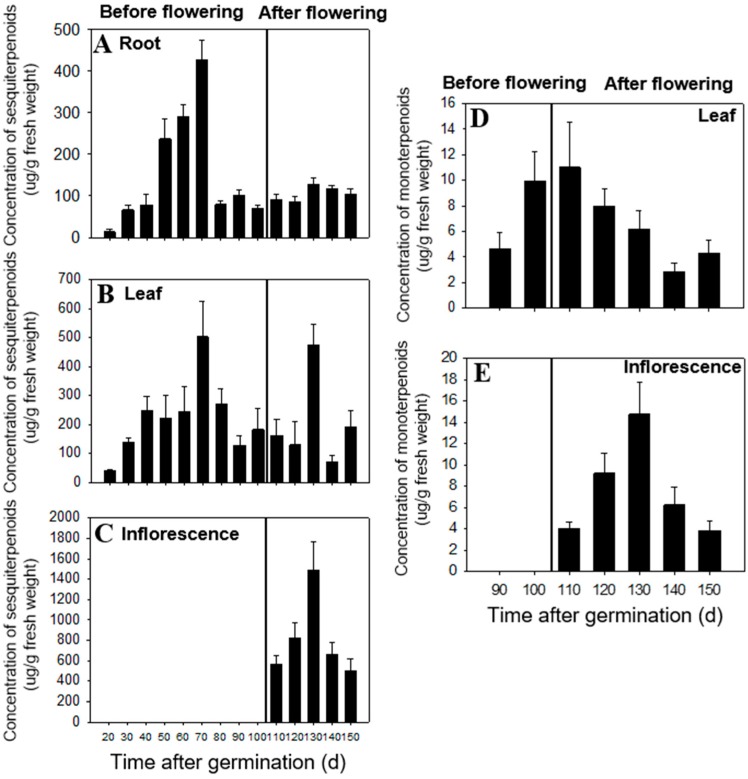
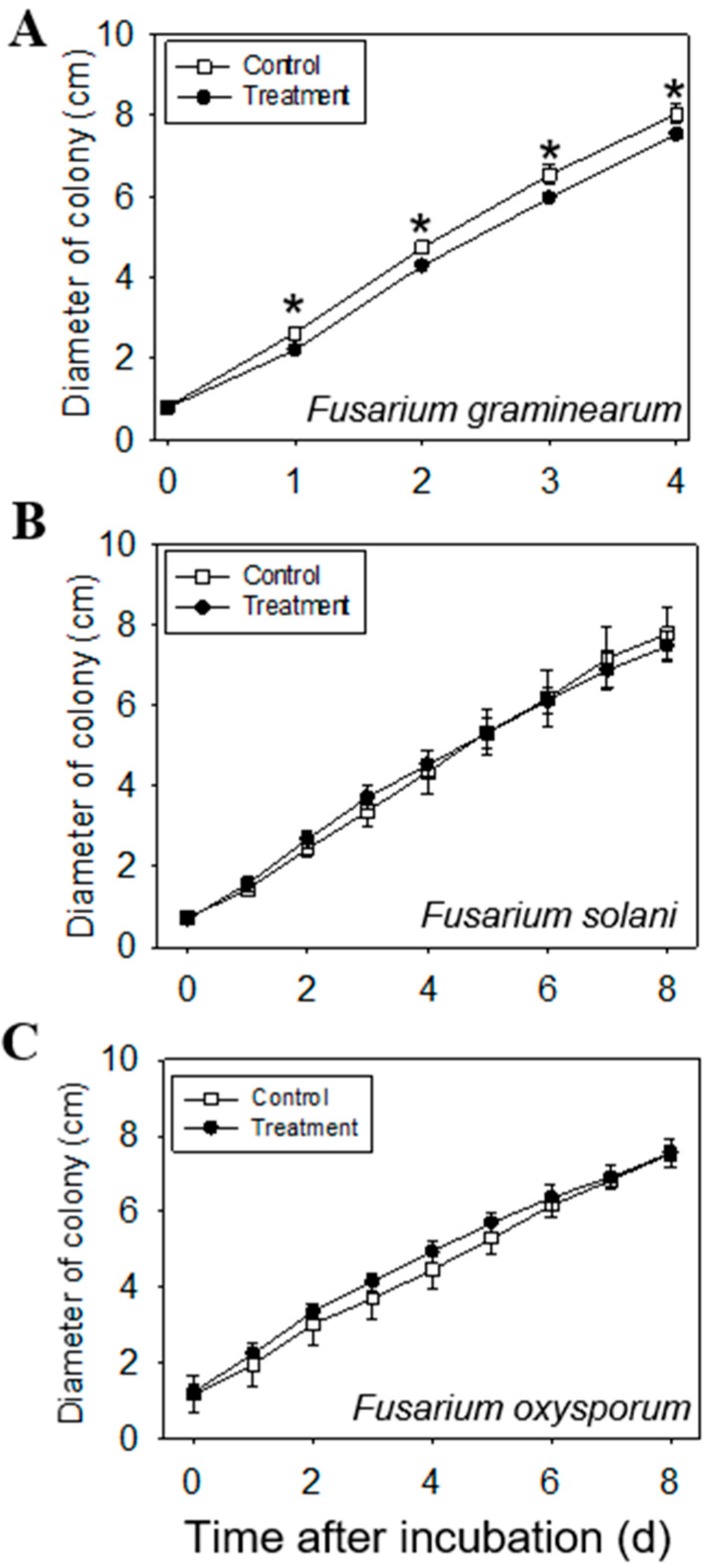
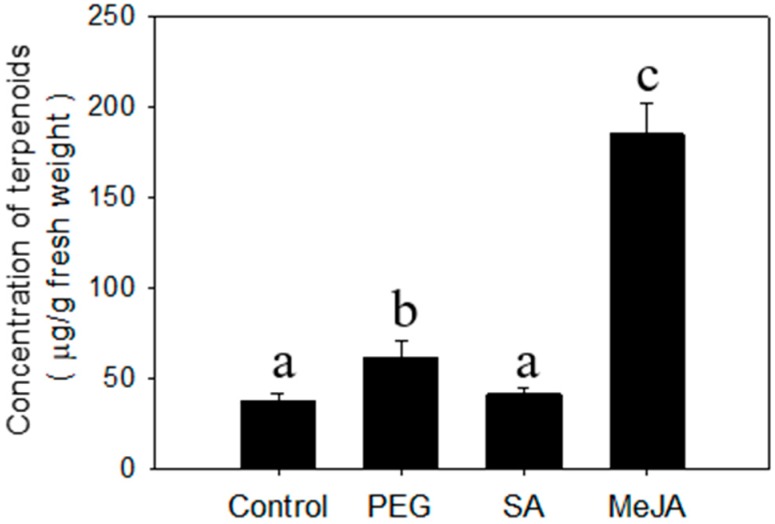
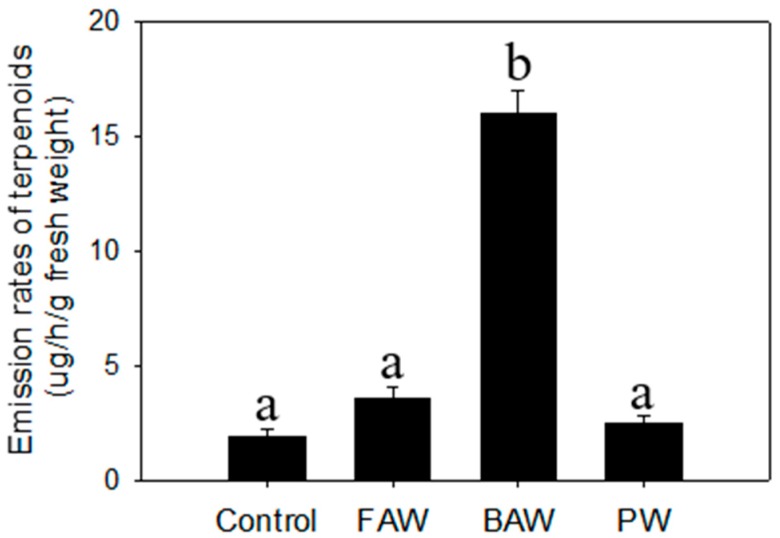
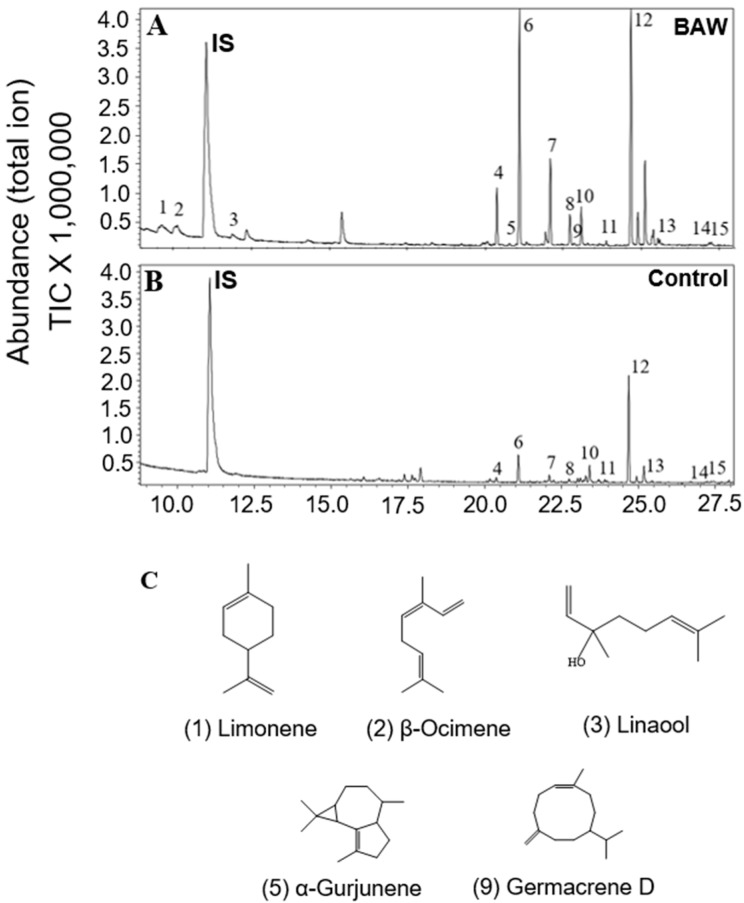
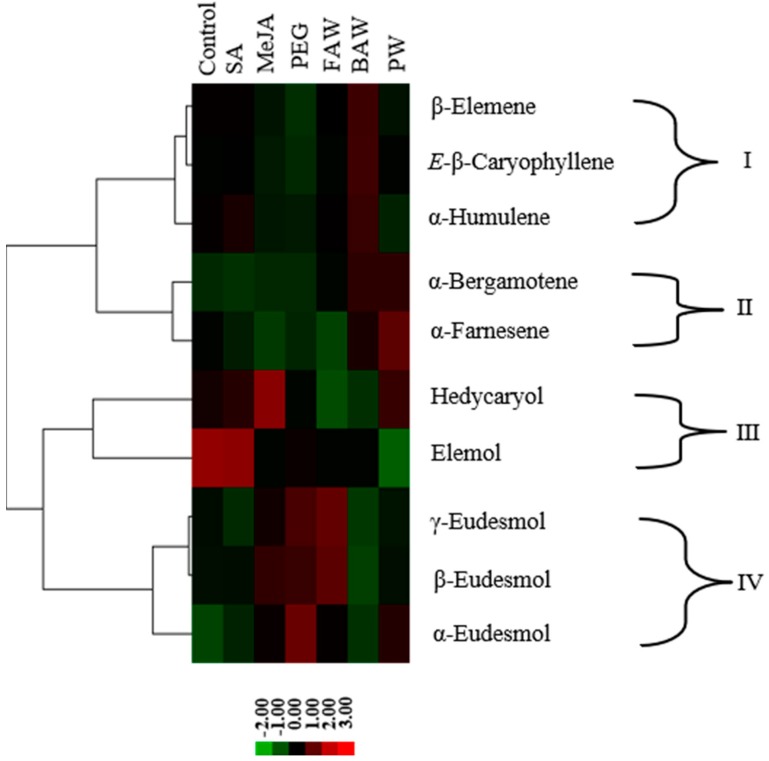
Ricefield flatsedge ( L.), a troublesome weed in rice production, actively adapts to ecological niches. In this study, terpenoids were identified as the dominant compounds from organic extracts of leaves. To understand the role of terpenoid production in plant development and resistance to abiotic and biotic stresses, the dynamics of terpenoid production at different developmental stages, and the regulation of these compounds by stresses were determined. Terpenoid production exhibited temporal and spatial specificity. During vegetative growth, the total concentration of sesquiterpenoids increased and reached a maximum at 70 d after germination, and then decreased until the emergence of inflorescence. Monoterpenoids were only detected from leaves 90 d after germination. During reproductive growth, the total concentration of sesquiterpenoids increased dramatically and mainly accumulated in inflorescences, indicating that the sesquiterpenoids were primarily produced in newly formed and actively growing tissues. The total amount of monoterpenoids, mostly accumulated in flowers, increased until 130 d after germination. Furthermore, accumulation of sesquiterpenoids in leaves was promoted significantly by methyl jasmonate (MeJA) and drought treatment. Infestation by beet armyworm (, BAW) promoted the emission of total sesquiterpenoids significantly and induced the production of more monoterpenoids and sesquiterpenoids specifically. Furthermore, volatiles from leaves had an anti-fungal effect on . The implications of our findings on the biosynthetic pathways leading to the production of sesquiterpenoids in as well as their potential as fungicides are discussed.
稻田繁缕(L.)是水稻生产中的一种有害杂草,它积极适应生态位。本研究从叶片的有机提取物中鉴定出萜类化合物为主要化合物。为了了解萜类化合物生产在植物发育和抗非生物和生物胁迫中的作用,确定了不同发育阶段萜类化合物生产的动态以及这些化合物受胁迫的调节。萜类化合物的生产表现出时间和空间特异性。在营养生长期间,倍半萜的总浓度增加,并在萌发后 70 天达到最大值,然后减少直到花序出现。单萜仅在萌发后 90 天从叶片中检测到。在生殖生长期间,倍半萜的总浓度急剧增加,主要在花序中积累,表明倍半萜主要在新形成的和活跃生长的组织中产生。单萜的总量主要积累在花中,直到萌发后 130 天增加。此外,茉莉酸甲酯(MeJA)和干旱处理显著促进了叶片中倍半萜的积累。甜菜夜蛾(BAW)的侵袭显著促进了总倍半萜的排放,并诱导了更多的单萜和倍半萜的产生。此外,叶片的挥发物对具有抗真菌作用。我们的研究结果对导致 中倍半萜生产的生物合成途径以及它们作为杀菌剂的潜力进行了讨论。