Hung John, Miscianinov Vladislav, Sluimer Judith C, Newby David E, Baker Andrew H
Centre for Cardiovascular Science, University of Edinburgh, Edinburgh, United Kingdom.
Deanery of Clinical Sciences, Centre for Cardiovascular Science, University of Edinburgh, Edinburgh, United Kingdom.
Front Physiol. 2018 Nov 22;9:1655. doi: 10.3389/fphys.2018.01655. eCollection 2018.
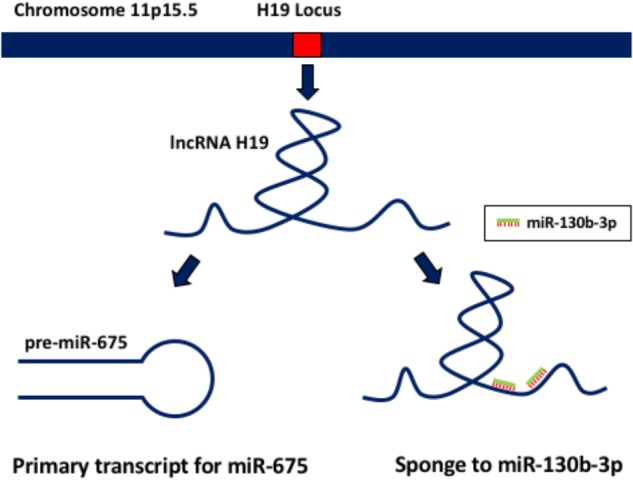
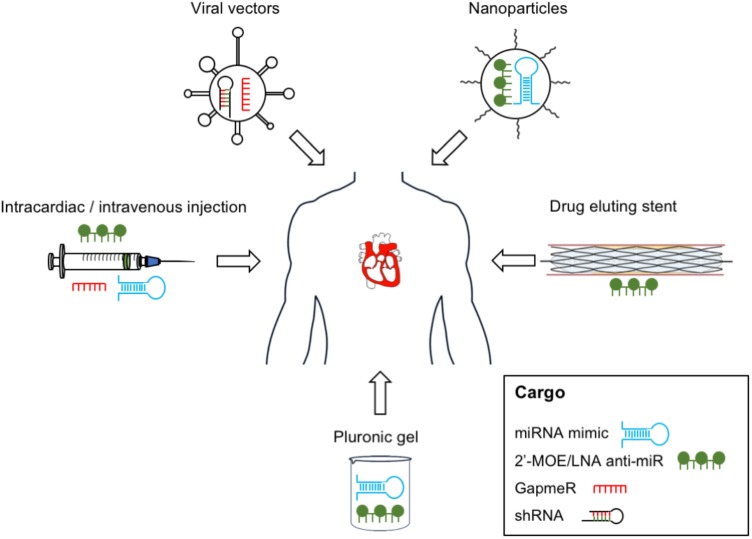
Only recently have we begun to appreciate the importance and complexity of the non-coding genome, owing in some part to truly significant advances in genomic technology such as RNA sequencing and genome-wide profiling studies. Previously thought to be non-functional transcriptional "noise," non-coding RNAs (ncRNAs) are now known to play important roles in many diverse biological pathways, not least in vascular disease. While microRNAs (miRNA) are known to regulate protein-coding gene expression principally through mRNA degradation, long non-coding RNAs (lncRNAs) can activate and repress genes by a variety of mechanisms at both transcriptional and translational levels. These versatile molecules, with complex secondary structures, may interact with chromatin, proteins, and other RNA to form complexes with an array of functional consequences. A body of emerging evidence indicates that both classes of ncRNAs regulate multiple physiological and pathological processes in vascular physiology and disease. While dozens of miRNAs are now implicated and described in relative mechanistic depth, relatively fewer lncRNAs are well described. However, notable examples include , , and in vascular smooth muscle cells; in endothelial cells; and mitochondrial lncRNA as a powerful biomarker. Due to such ubiquitous involvement in pathology and well-known biogenesis and functional genetics, novel miRNA-based therapies and delivery methods are now in development, including some early stage clinical trials. Although lncRNAs may hold similar potential, much more needs to be understood about their relatively complex molecular behaviours before realistic translation into novel therapies. Here, we review the current understanding of the mechanism and function of ncRNA, focusing on miRNAs and lncRNAs in vascular disease and atherosclerosis. We discuss existing therapies and current delivery methods, emphasising the importance of miRNAs and lncRNAs as effectors and biomarkers in vascular pathology.
直到最近,我们才开始认识到非编码基因组的重要性和复杂性,这在一定程度上归功于基因组技术的重大进展,如RNA测序和全基因组分析研究。非编码RNA(ncRNAs)以前被认为是无功能的转录“噪音”,现在已知它们在许多不同的生物途径中发挥重要作用,尤其是在血管疾病方面。虽然已知微小RNA(miRNA)主要通过mRNA降解来调节蛋白质编码基因的表达,但长链非编码RNA(lncRNAs)可以通过转录和翻译水平的多种机制激活和抑制基因。这些具有复杂二级结构的多功能分子可能与染色质、蛋白质和其他RNA相互作用,形成具有一系列功能后果的复合物。越来越多的证据表明,这两类ncRNAs都调节血管生理和疾病中的多种生理和病理过程。虽然现在有几十种miRNA在相对机制深度上被涉及和描述,但被充分描述的lncRNAs相对较少。然而,值得注意的例子包括血管平滑肌细胞中的 、 和 ;内皮细胞中的 ;以及线粒体lncRNA 作为一种强大的生物标志物。由于在病理学中的广泛参与以及众所周知的生物发生和功能遗传学,基于miRNA的新型疗法和递送方法正在开发中,包括一些早期临床试验。尽管lncRNAs可能具有类似的潜力,但在实际转化为新型疗法之前,需要更多地了解它们相对复杂的分子行为。在这里,我们综述了目前对ncRNA机制和功能的理解,重点关注血管疾病和动脉粥样硬化中的miRNAs和lncRNAs。我们讨论了现有的疗法和当前的递送方法,强调了miRNAs和lncRNAs作为血管病理学中的效应物和生物标志物的重要性。