Department of Cell Biology, NYU School of Medicine, New York, NY 10016, USA.
Department of Cell Biology, NYU School of Medicine, New York, NY 10016, USA; Department of Dermatology, NYU School of Medicine, New York, NY 10016, USA.
Cell Rep. 2018 Dec 11;25(11):3006-3020.e7. doi: 10.1016/j.celrep.2018.11.065.
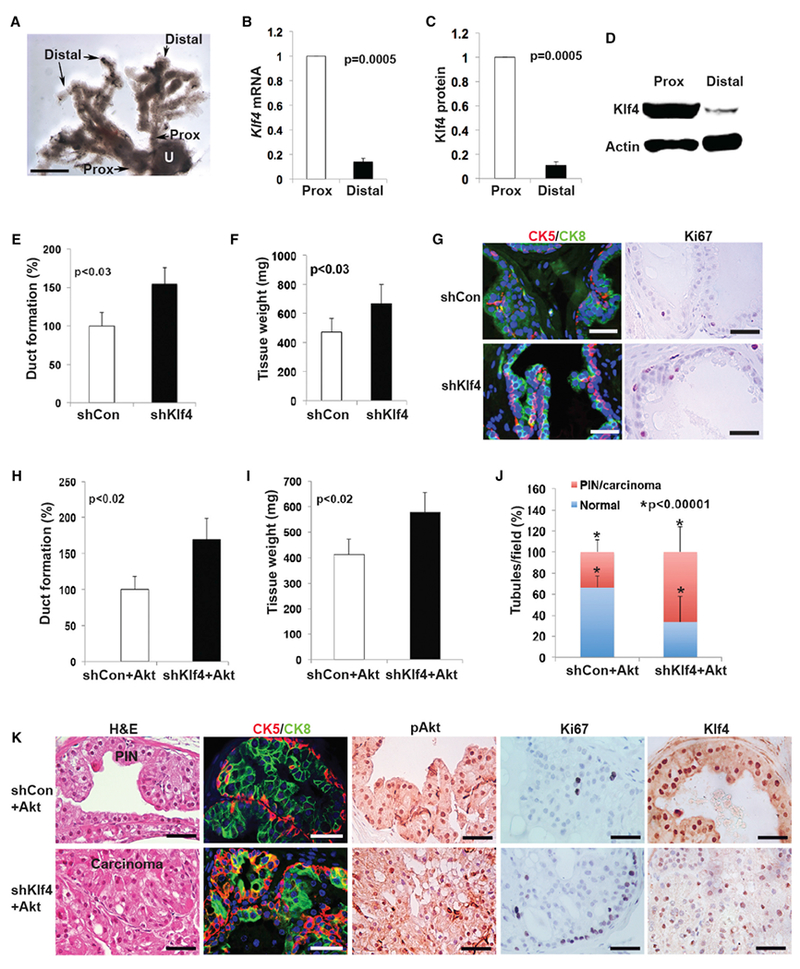
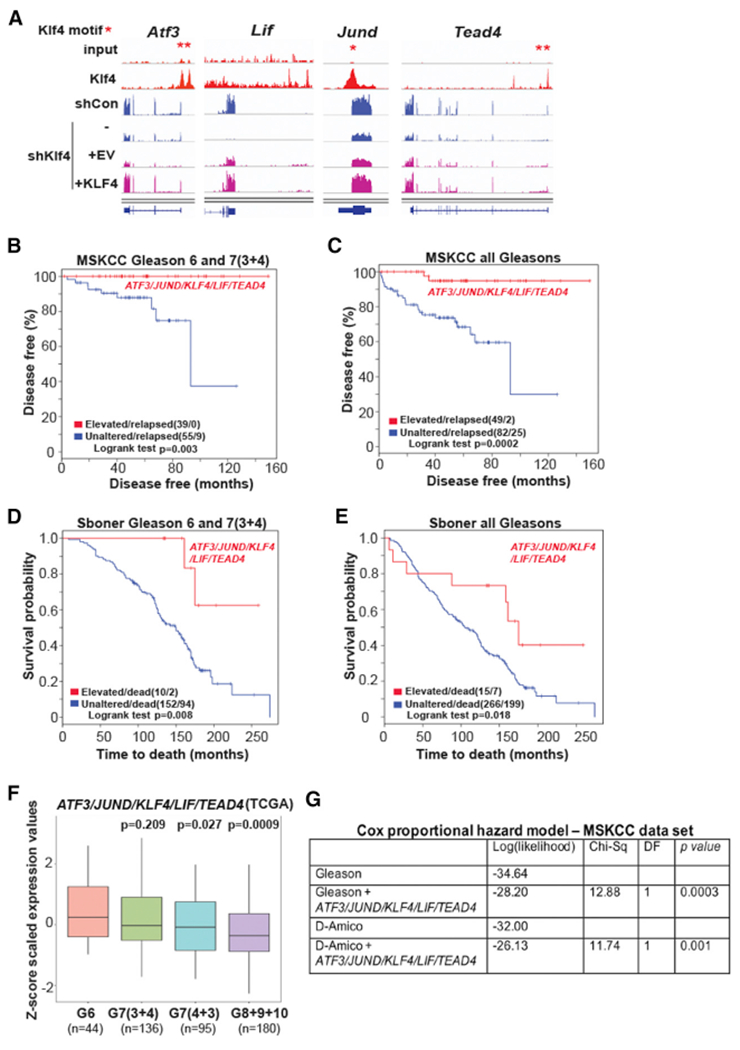
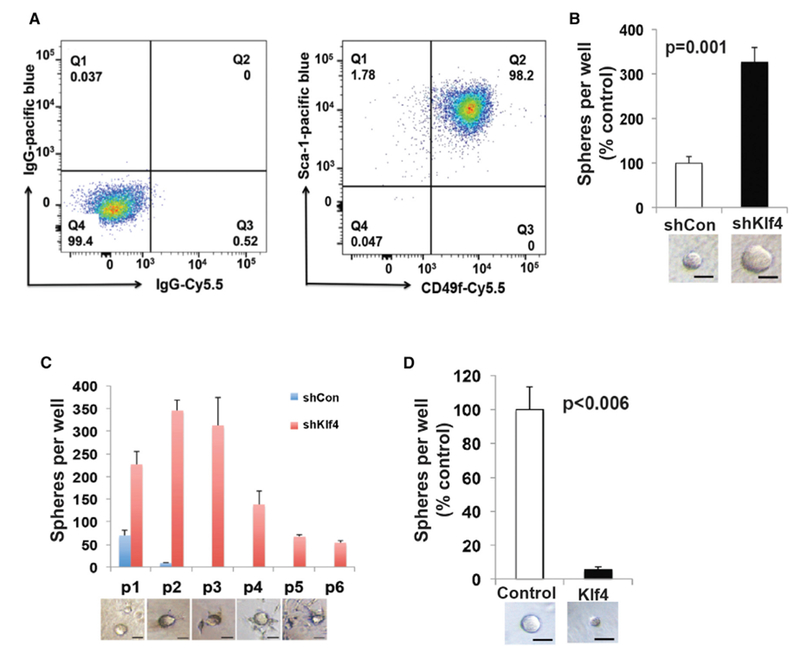
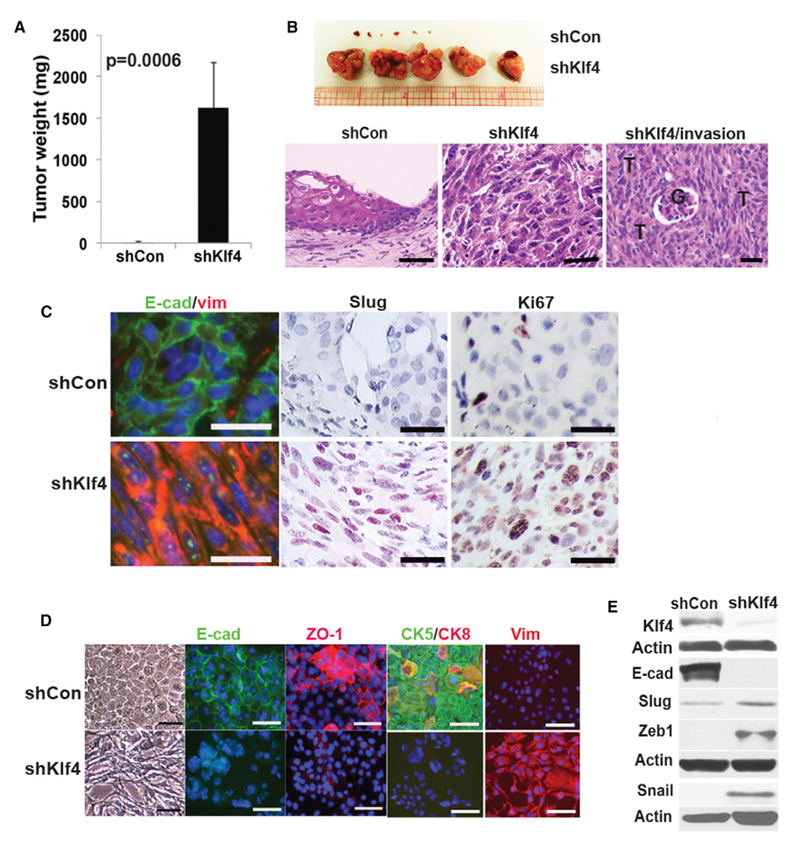
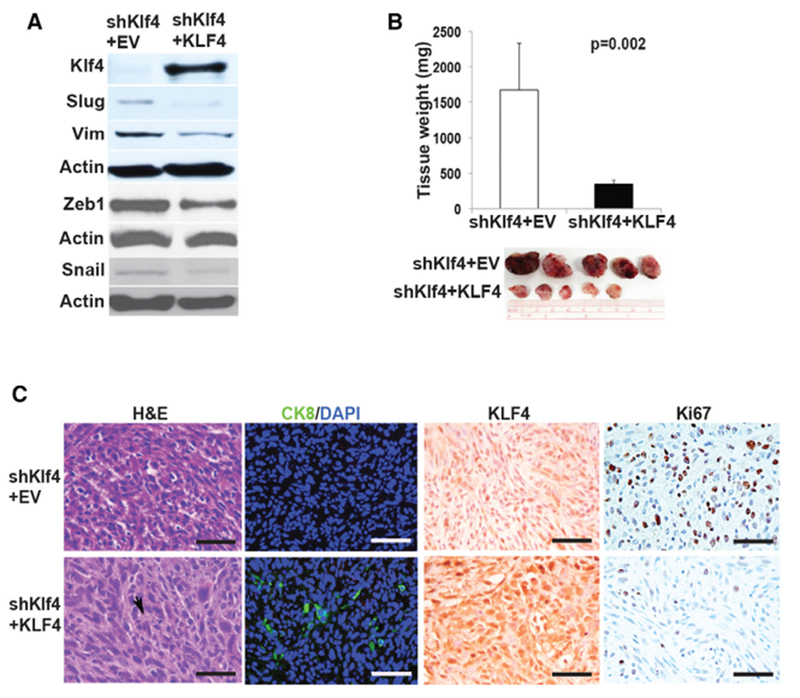
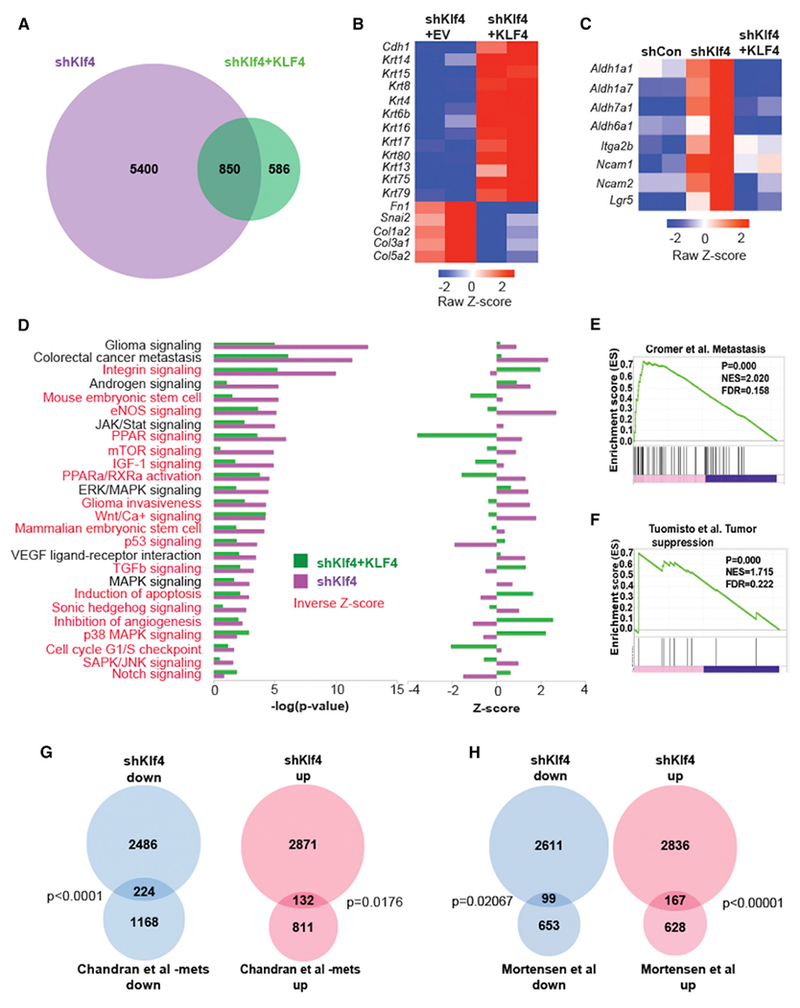
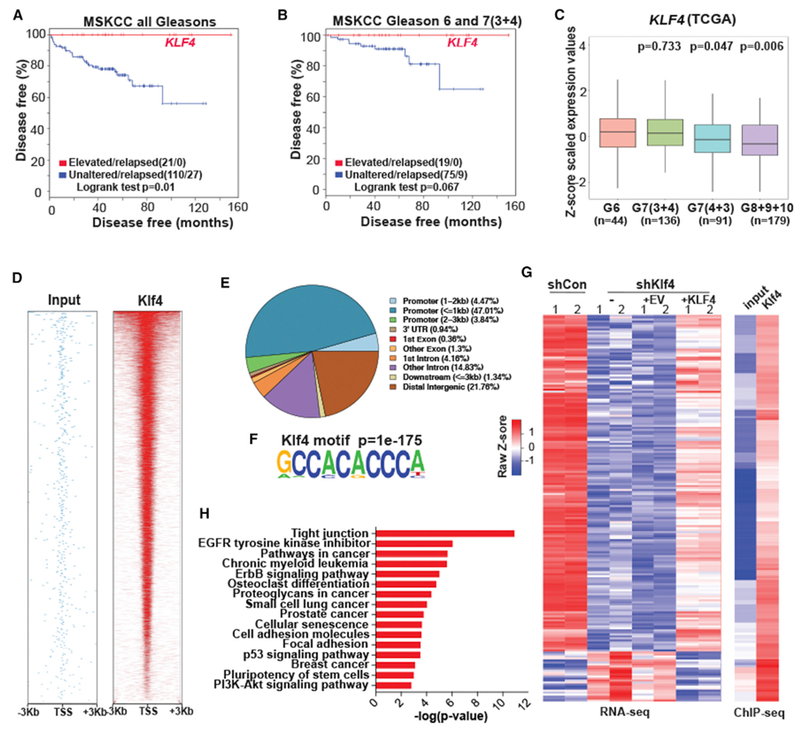
There is a considerable need to identify those individuals with prostate cancer who have indolent disease. We propose that genes that control adult stem cell homeostasis in organs with slow turnover, such as the prostate, control cancer fate. One such gene, KLF4, overexpressed in murine prostate stem cells, regulates their homeostasis, blocks malignant transformation, and controls the self-renewal of tumor-initiating cells. KLF4 loss induces the molecular features of aggressive cancer and converts PIN lesions to invasive sarcomatoid carcinomas; its re-expression in vivo reverses this process. Bioinformatic analysis links these changes to human cancer. KLF4 and its downstream targets make up a gene signature that identifies indolent tumors and predicts recurrence-free survival. This approach may improve prognosis and identify therapeutic targets for advanced cancer.
确定哪些前列腺癌患者患有惰性疾病是非常必要的。我们提出,控制器官内缓慢更新的成体干细胞稳态的基因,如前列腺,控制着癌症的命运。一个这样的基因,KLF4,在鼠类前列腺干细胞中过表达,调节它们的稳态,阻止恶性转化,并控制肿瘤起始细胞的自我更新。KLF4 的缺失诱导出侵袭性癌症的分子特征,并将 PIN 病变转化为侵袭性肉瘤样癌;其在体内的重新表达可逆转这一过程。生物信息学分析将这些变化与人类癌症联系起来。KLF4 及其下游靶标构成了一个基因特征,可以识别惰性肿瘤,并预测无复发生存。这种方法可能改善预后,并确定晚期癌症的治疗靶点。