Department of Internal Medicine- Molecular Medicine, Department of Microbiology and Immunology, Wake Forest School of Medicine, Winston-Salem, NC, USA.
Department of Internal Medicine- Molecular Medicine, Department of Microbiology and Immunology, Wake Forest School of Medicine, Winston-Salem, NC, USA.
EBioMedicine. 2019 Jan;39:591-602. doi: 10.1016/j.ebiom.2018.11.046. Epub 2018 Dec 13.
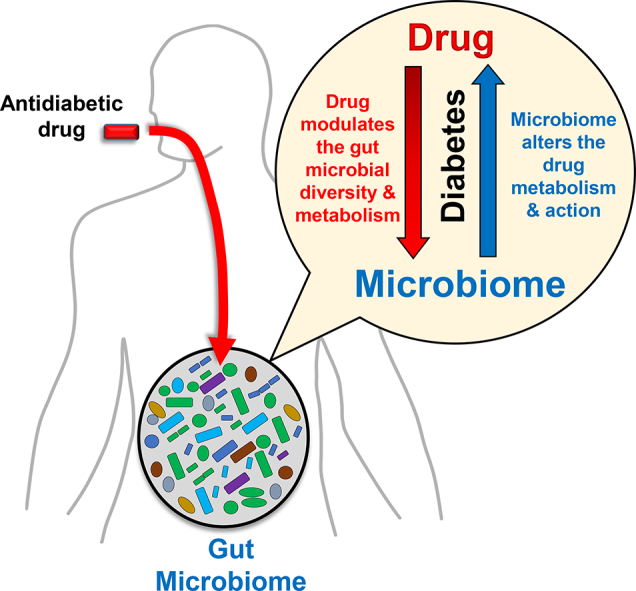
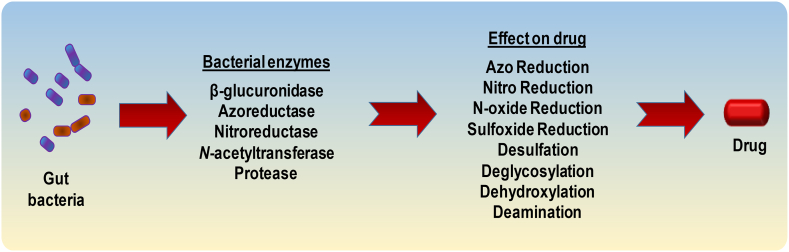
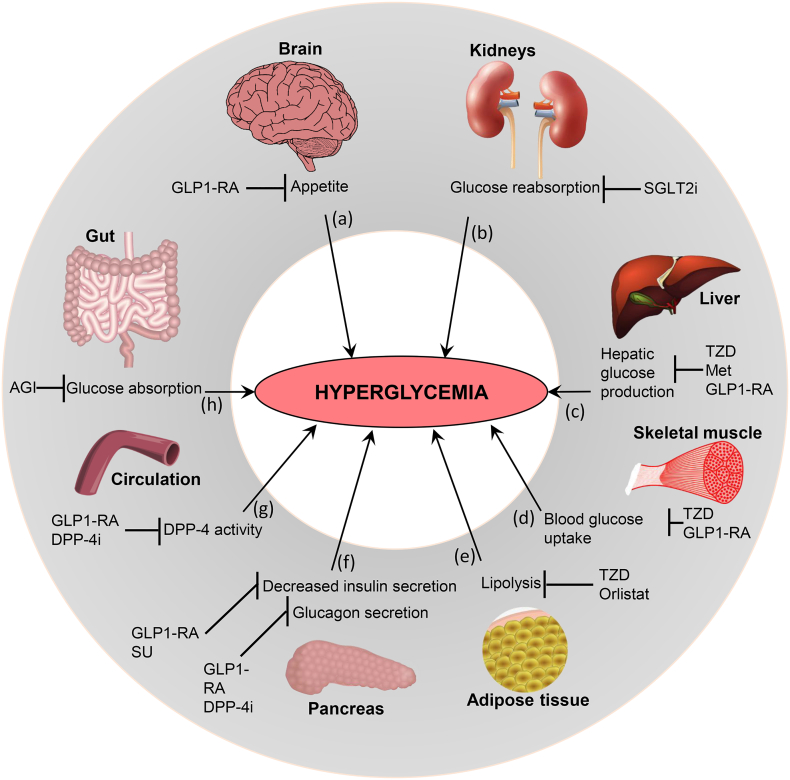
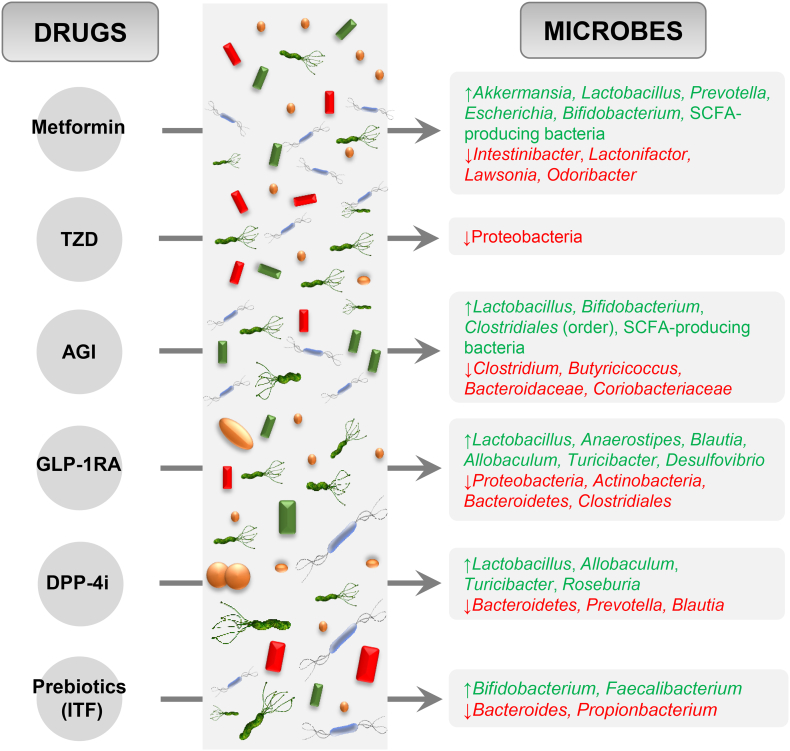
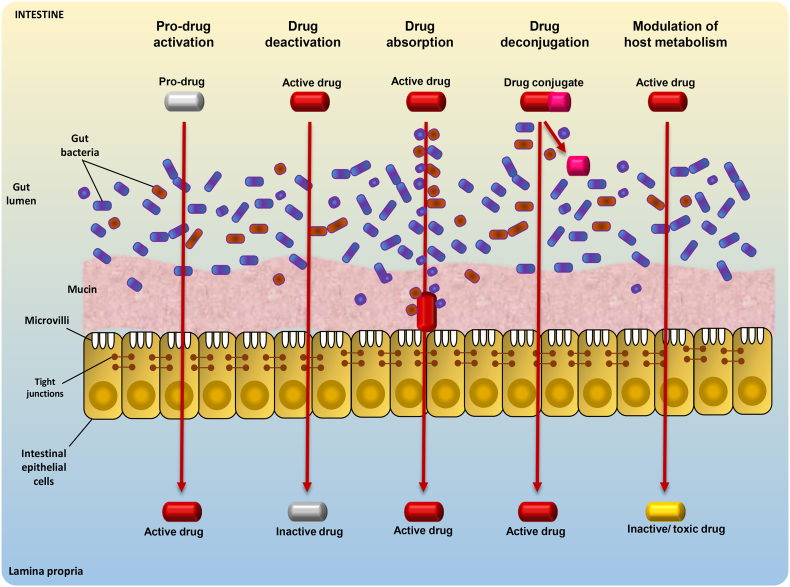
Type 2 diabetes (T2D) has become a global epidemic. Although several drugs are available to manage T2D, problems associated with person-to-person variability in drug efficacy and potential side-effects remain unresolved. Owing to the emerging role of the gut microbiome in obesity and T2D, the interaction between gut microbes and anti-diabetic drugs and its influence on drugs' functions remains of immediate research interest. On one hand, drugs can manipulate gut microbiome composition and metabolic capacity. Conversely, the metabolic activities of the microbiome and its metabolites can also influence drug metabolism and effects. Hence, understanding this bi-directional drug-microbiome interaction and how it influences the clinical outcomes of antidiabetic drugs can pave the way to develop next-generation strategies to ameliorate diabetes. This review presents evidences demonstrating the putative interactions between anti-diabetic drugs and the gut microbiome, and discusses the potential of microbiome modulators to manipulate drug-microbiome interactions and the drug metabolism.
2 型糖尿病(T2D)已成为全球性流行病。尽管有几种药物可用于治疗 T2D,但与药物疗效个体差异相关的问题以及潜在的副作用仍未得到解决。由于肠道微生物组在肥胖和 T2D 中的作用不断显现,肠道微生物与抗糖尿病药物之间的相互作用及其对药物功能的影响仍然是当前研究的热点。一方面,药物可以操纵肠道微生物组的组成和代谢能力。相反,微生物组的代谢活动及其代谢产物也会影响药物代谢和作用。因此,了解这种双向的药物-微生物组相互作用以及它如何影响抗糖尿病药物的临床疗效,可以为开发改善糖尿病的下一代策略铺平道路。本文综述了抗糖尿病药物与肠道微生物组之间的潜在相互作用,并讨论了微生物组调节剂操纵药物-微生物组相互作用和药物代谢的潜力。