Molina Patricia E, Nelson Steve
Patricia E. Molina, M.D., Ph.D., is the Richard Ashman, Ph.D., Professor; head of the Department of Physiology; and director of the Comprehensive Alcohol-HIV/AIDS Research Center and the Alcohol and Drug Abuse Center of Excellence, Louisiana State University Health Sciences Center, New Orleans, Louisiana. Steve Nelson, M.D., is the John H. Seabury Professor of Medicine and the dean of the School of Medicine, Louisiana State University Health Sciences Center, New Orleans, Louisiana.
Alcohol Res. 2018;39(1):99-109.
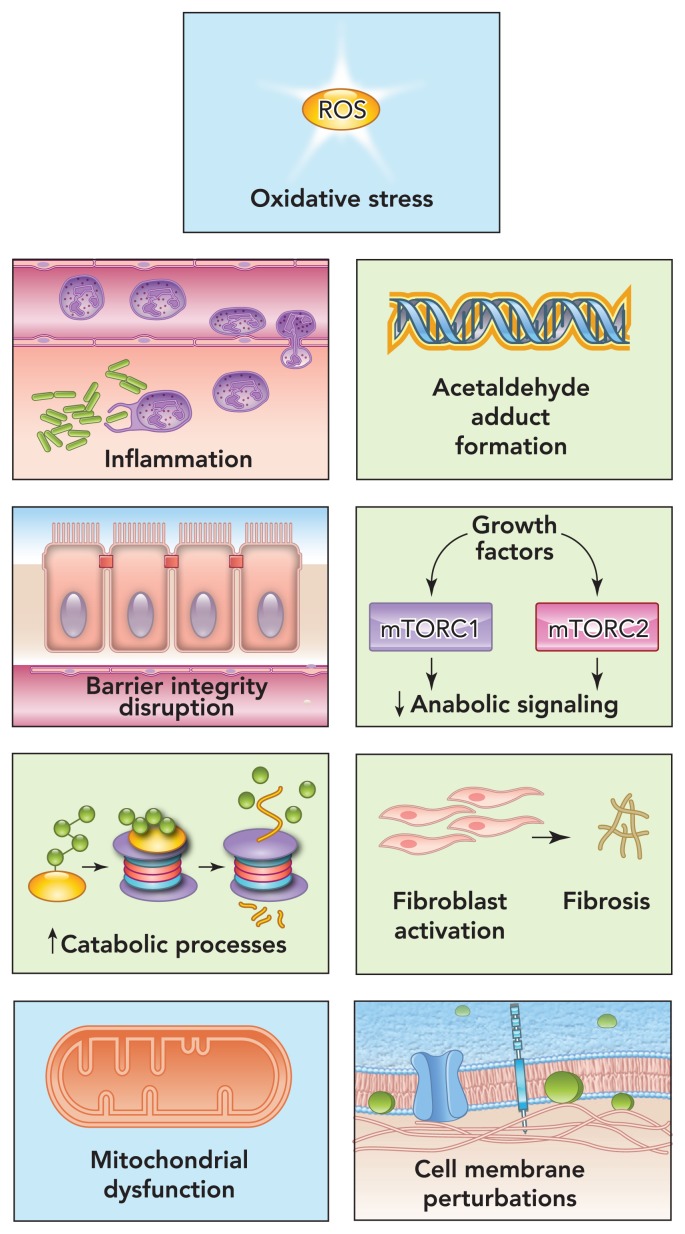
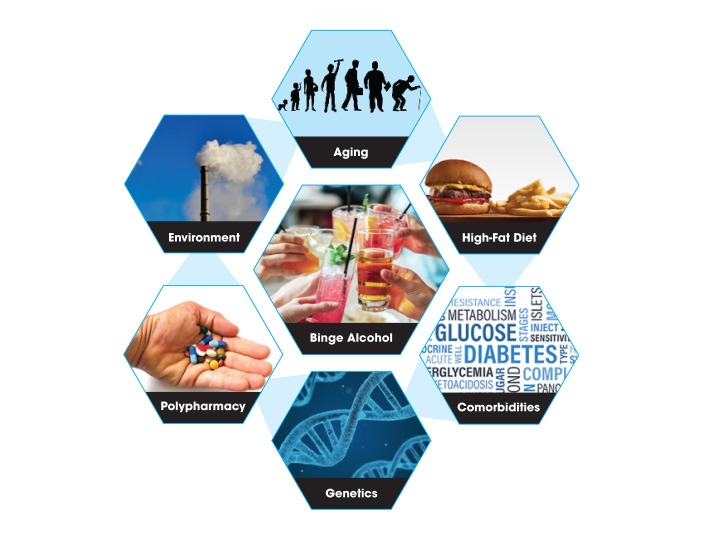
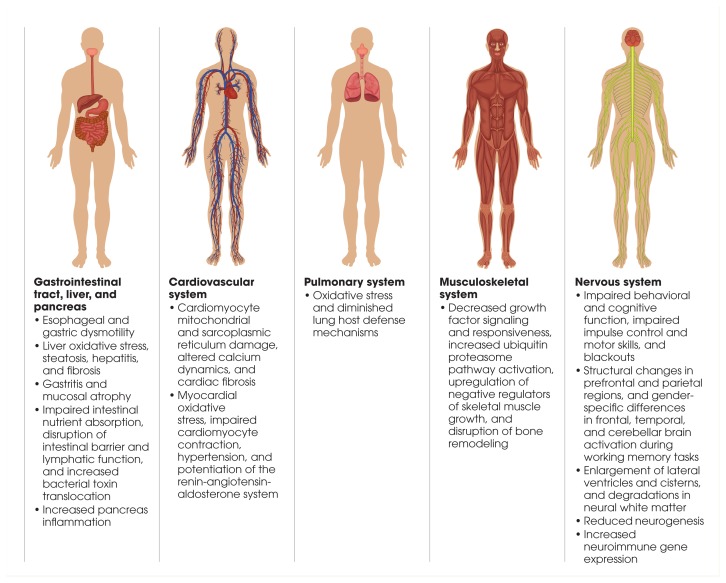
Studies have focused on the effects of chronic alcohol consumption and the mechanisms of tissue injury underlying alcoholic hepatitis and cirrhosis, with less focus on the pathophysiological consequences of binge alcohol consumption. Alcohol binge drinking prevalence continues to rise, particularly among individuals ages 18 to 24. However, it is also frequent in individuals ages 65 and older. High blood alcohol levels achieved with this pattern of alcohol consumption are of particular concern, as alcohol can permeate to virtually all tissues in the body, resulting in significant alterations in organ function, which leads to multisystemic pathophysiological consequences. In addition to the pattern, amount, and frequency of alcohol consumption, additional factors, including the type of alcoholic beverage, may contribute differentially to the risk for alcohol-induced tissue injury. Preclinical and translational research strategies are needed to enhance our understanding of the effects of binge alcohol drinking, particularly for individuals with a history of chronic alcohol consumption. Identification of underlying pathophysiological processes responsible for tissue and organ injury can lead to development of preventive or therapeutic interventions to reduce the health care burden associated with binge alcohol drinking.
研究主要聚焦于长期饮酒的影响以及酒精性肝炎和肝硬化背后的组织损伤机制,而对暴饮酒精的病理生理后果关注较少。暴饮酒精的患病率持续上升,尤其是在18至24岁的人群中。然而,65岁及以上的人群中暴饮酒精也很常见。这种饮酒模式导致的高血液酒精水平尤其令人担忧,因为酒精几乎可以渗透到身体的所有组织,导致器官功能发生显著改变,进而引发多系统病理生理后果。除了饮酒模式、量和频率外,其他因素,包括酒精饮料的类型,可能对酒精诱导的组织损伤风险有不同的影响。需要开展临床前和转化研究策略,以增进我们对暴饮酒精影响的理解,特别是对于有长期饮酒史的个体。确定导致组织和器官损伤的潜在病理生理过程,可有助于开发预防或治疗干预措施,以减轻与暴饮酒精相关的医疗负担。