Skonieczna-Żydecka Karolina, Kaczmarczyk Mariusz, Łoniewski Igor, Lara Luis F, Koulaouzidis Anastasios, Misera Agata, Maciejewska Dominika, Marlicz Wojciech
Department of Biochemistry and Human Nutrition, Pomeranian Medical University, Szczecin 71-460, Poland.
Department of Clinical and Molecular Biochemistry, Pomeranian Medical University, Szczecin 70-111, Poland.
J Clin Med. 2018 Dec 16;7(12):556. doi: 10.3390/jcm7120556.
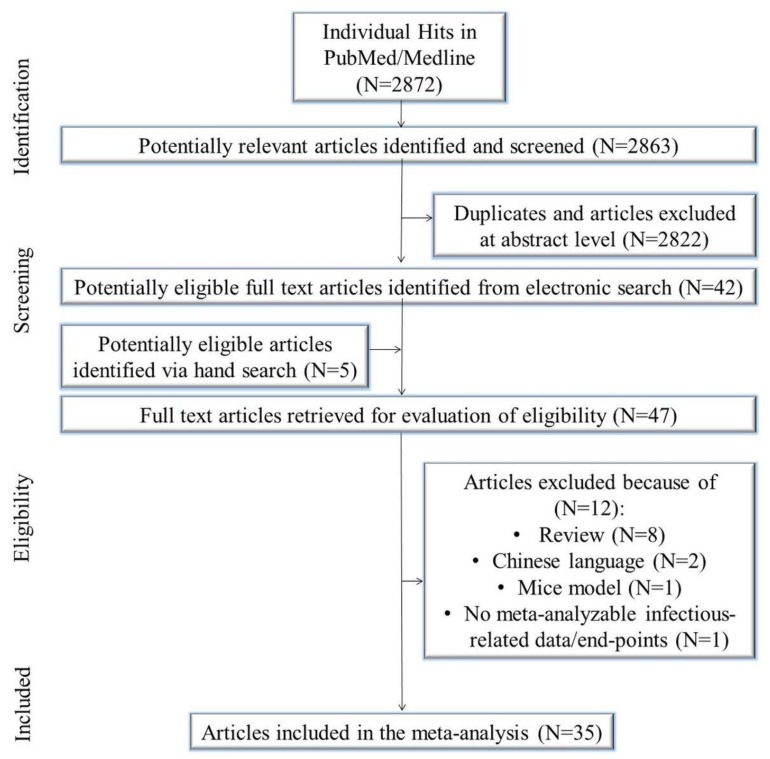
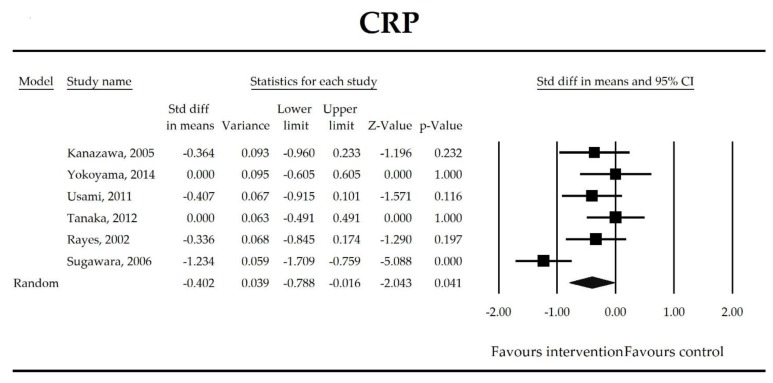
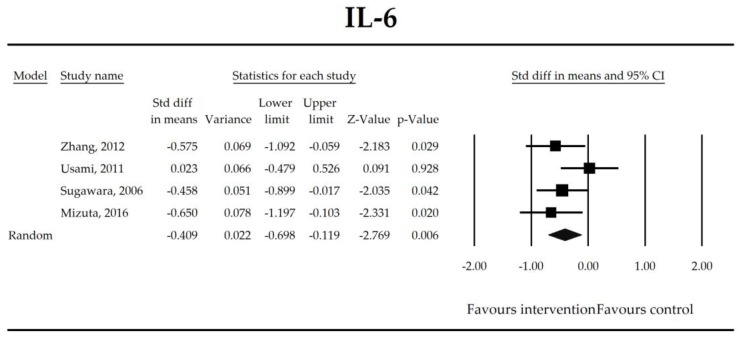
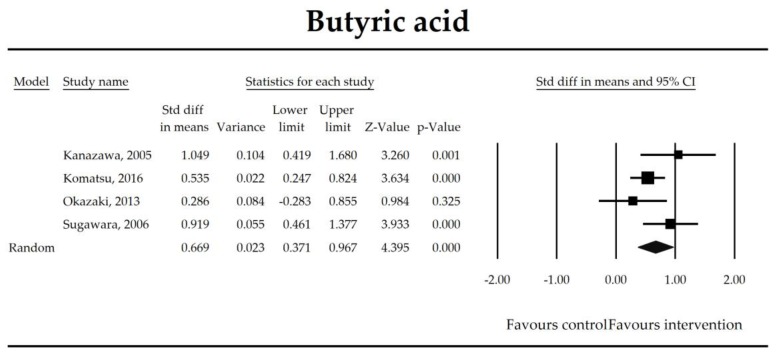
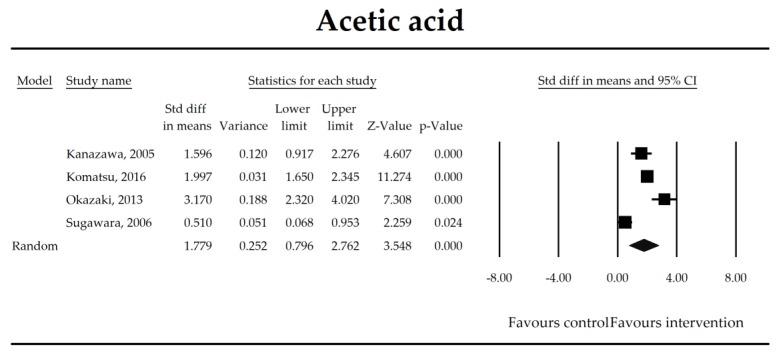
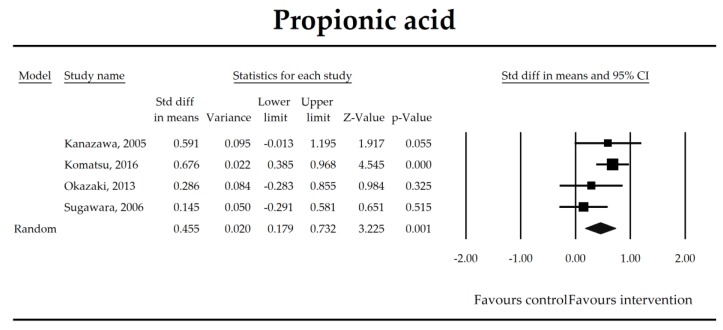
Intestinal microbiota play an important role in the pathogenesis of surgical site infections (SSIs) and other surgery-related complications (SRCs). Probiotics and synbiotics were found to lower the risk of surgical infections and other surgery-related adverse events. We systematically reviewed the approach based on the administration of probiotics and synbiotics to diminish SSIs/SRCs rates in patients undergoing various surgical treatments and to determine the mechanisms responsible for their effectiveness. A systematic literature search in PubMed/MEDLINE/Cochrane Central Register of Controlled Trials from the inception of databases to June 2018 for trials in patients undergoing surgery supplemented with pre/pro/synbiotics and randomized to the intervention versus placebo/no treatment and reporting on primarily: (i) putative mechanisms of probiotic/symbiotic action, and secondarily (ii) SSIs and SRCs outcomes. Random-effect model meta-analysis and meta-regression analysis of outcomes was done. Thirty-five trials comprising 3028 adult patients were included; interventions were probiotics ( = 16) and synbiotics ( = 19 trials). We found that C-reactive protein (CRP) and Interleukin-6 (IL-6) were significantly decreased (SMD: -0.40, 95% CI [-0.79, -0.02], = 0.041; SMD: -0.41, 95% CI [-0.70, -0.02], = 0.006, respectively) while concentration of acetic, butyric, and propionic acids were elevated in patients supplemented with probiotics (SMD: 1.78, 95% CI [0.80, 2.76], = 0.0004; SMD: 0.67, 95% CI [0.37, -0.97], = 0.00001; SMD: 0.46, 95% CI [0.18, 0.73], = 0.001, respectively). Meta-analysis confirmed that pro- and synbiotics supplementation was associated with significant reduction in the incidence of SRCs including abdominal distention, diarrhea, pneumonia, sepsis, surgery site infection (including superficial incisional), and urinary tract infection, as well as the duration of antibiotic therapy, duration of postoperative pyrexia, time of fluid introduction, solid diet, and duration of hospital stay ( < 0.05). Probiotics and synbiotics administration counteract SSIs/SRCs via modulating gut-immune response and production of short chain fatty acids.
肠道微生物群在手术部位感染(SSIs)及其他手术相关并发症(SRCs)的发病机制中起重要作用。已发现益生菌和合生元可降低手术感染及其他手术相关不良事件的风险。我们系统回顾了基于给予益生菌和合生元以降低接受各种手术治疗患者的SSIs/SRCs发生率并确定其有效性机制的方法。在PubMed/MEDLINE/考克兰对照试验中央注册库中进行系统文献检索,检索从数据库建立至2018年6月期间针对接受补充前/原/合生元手术的患者且随机分为干预组与安慰剂/未治疗组并主要报告以下内容的试验:(i)益生菌/共生菌作用的假定机制,其次(ii)SSIs和SRCs结局。对结局进行随机效应模型荟萃分析和荟萃回归分析。纳入35项试验,共3028例成年患者;干预措施为益生菌(16项试验)和合生元(19项试验)。我们发现,补充益生菌的患者中,C反应蛋白(CRP)和白细胞介素-6(IL-6)显著降低(标准化均数差:-0.40,95%可信区间[-0.79,-0.02],P = 0.041;标准化均数差:-0.41,95%可信区间[-0.70,-0.02],P = 0.006),而乙酸、丁酸和丙酸浓度升高(标准化均数差:1.78,95%可信区间[0.80,2.76],P = 0.0004;标准化均数差:0.67,95%可信区间[0.37,0.97],P = 0.00001;标准化均数差:0.46,95%可信区间[0.18,0.73],P = 0.001)。荟萃分析证实,补充益生菌和合生元与显著降低SRCs的发生率相关,包括腹胀、腹泻、肺炎、败血症、手术部位感染(包括浅表切口感染)和尿路感染,以及抗生素治疗持续时间、术后发热持续时间、液体引入时间、固体饮食摄入时间和住院时间(P < 0.05)。给予益生菌和合生元通过调节肠道免疫反应和短链脂肪酸的产生来对抗SSIs/SRCs。