Hong Hui, Sanchez Jason Tait
Roxelyn and Richard Pepper Department of Communication Sciences and Disorders, Northwestern University, Evanston, IL, USA.
Department of Neurobiology, Northwestern University, Evanston, IL, USA.
J Exp Neurosci. 2018 Dec 12;12:1179069518815628. doi: 10.1177/1179069518815628. eCollection 2018.
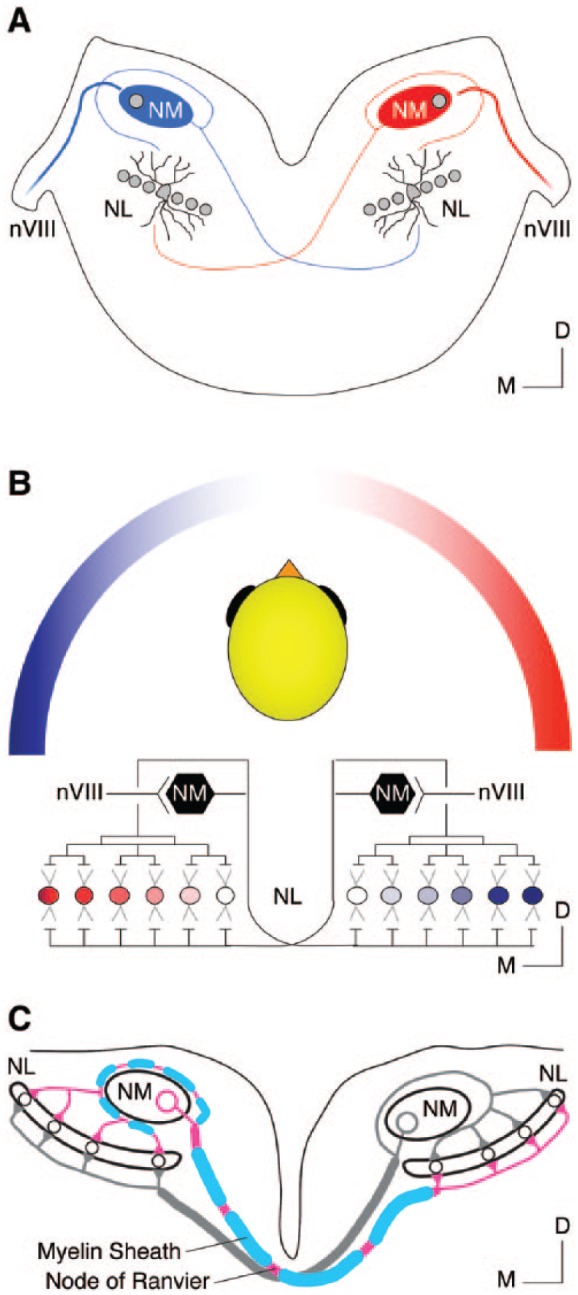
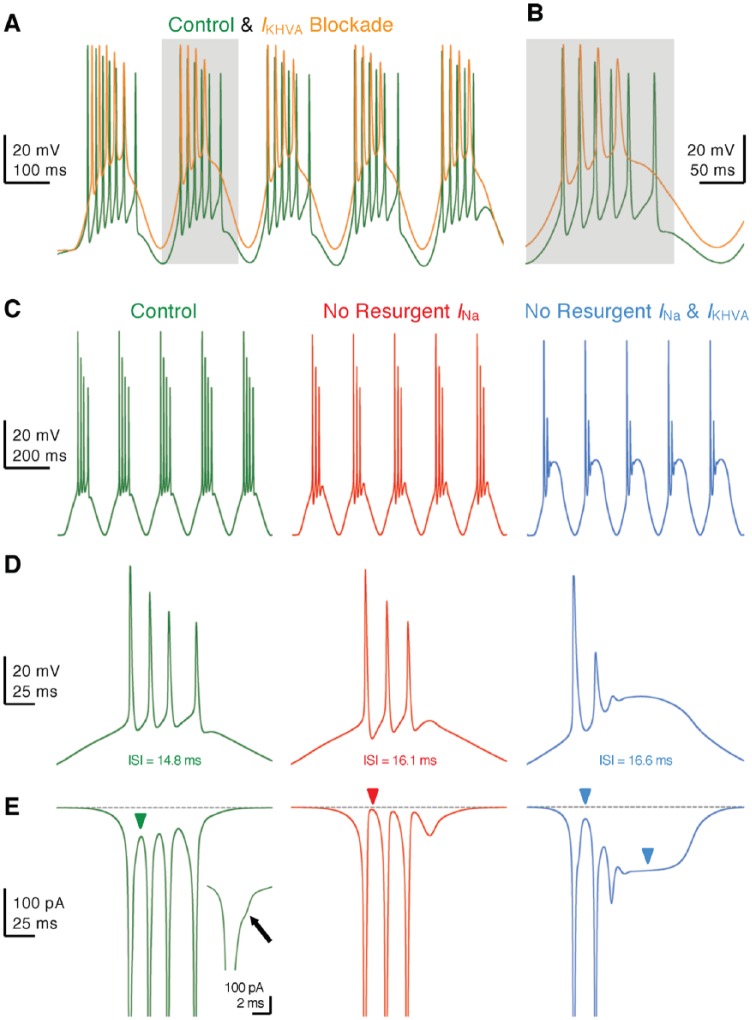
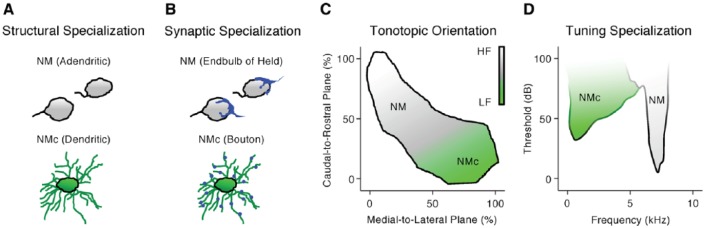
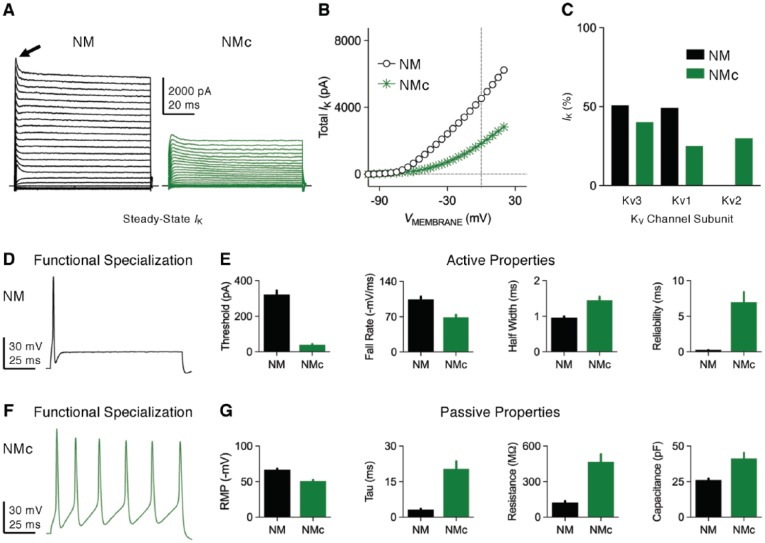
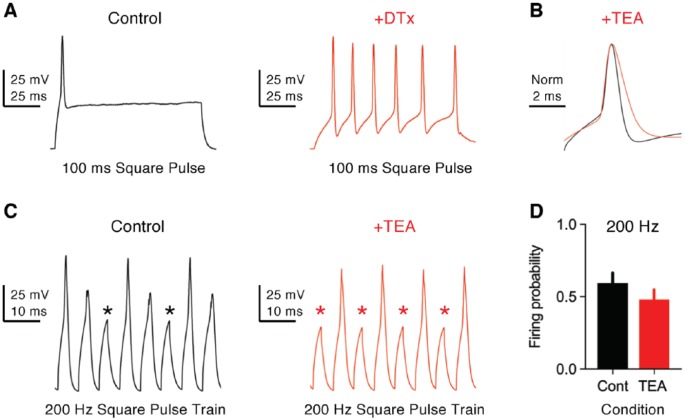
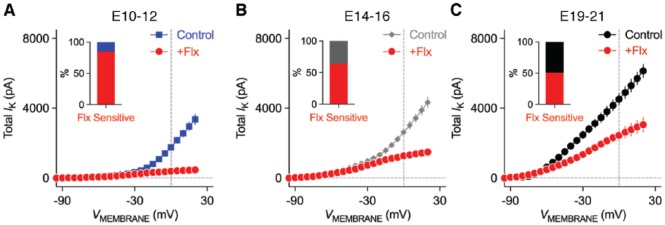
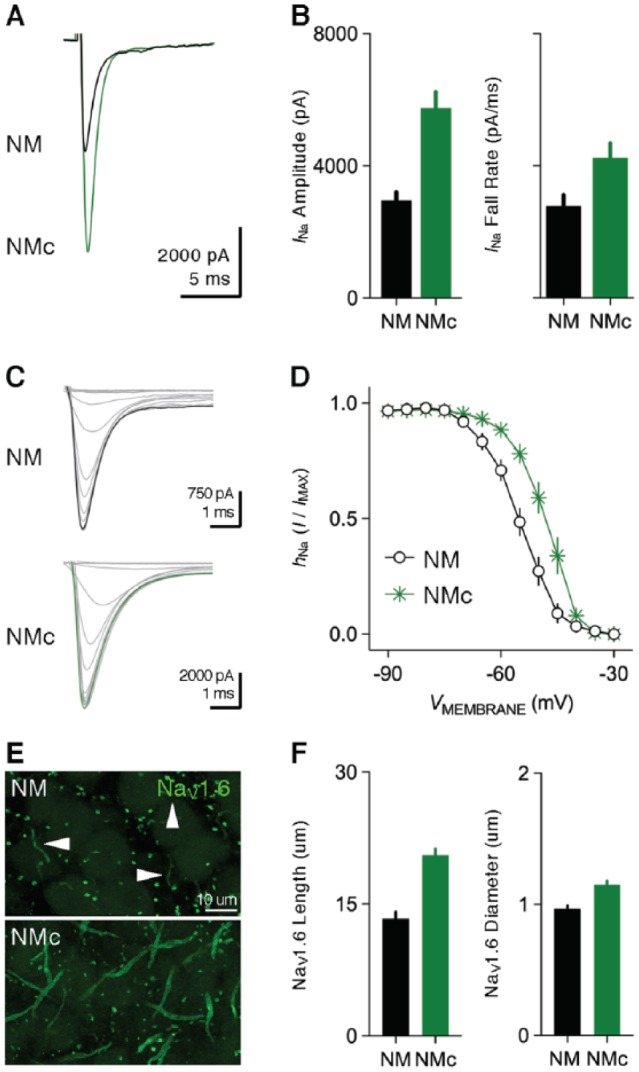
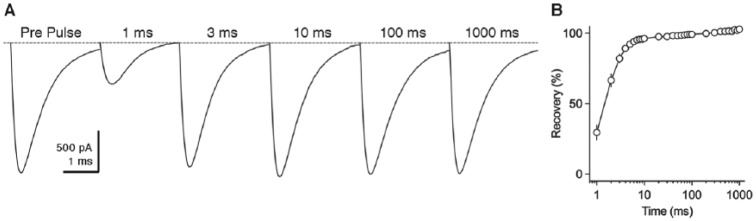
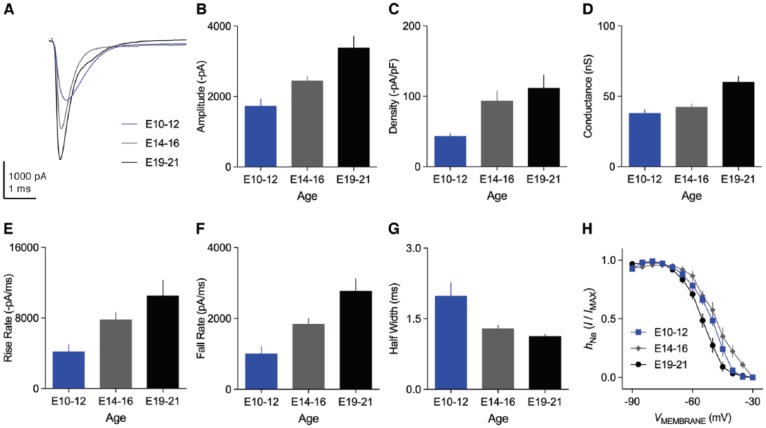
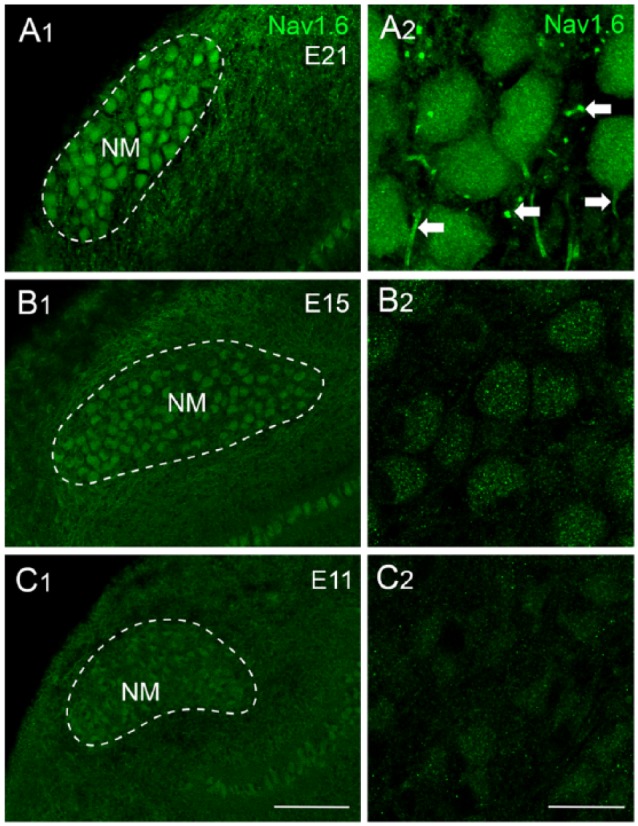
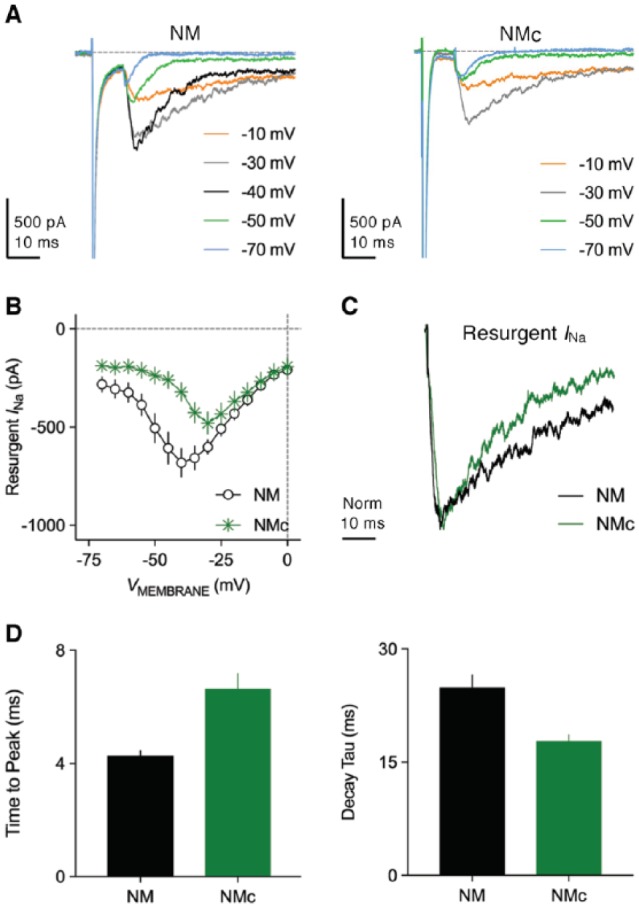
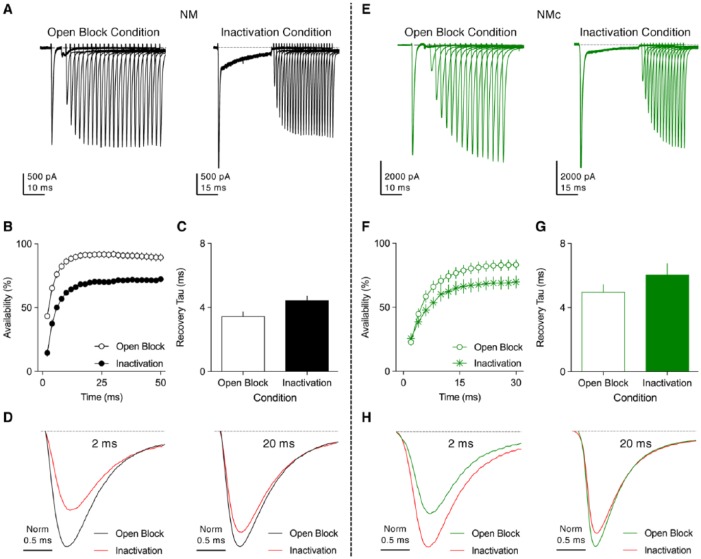
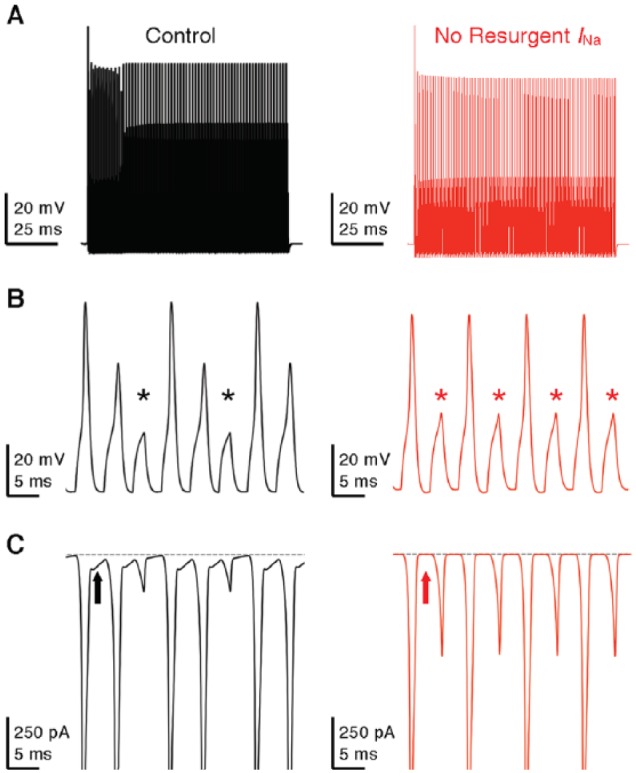
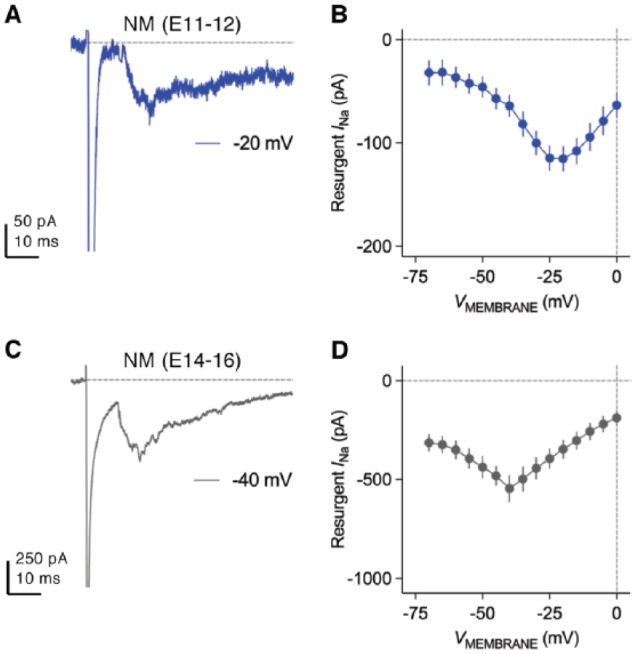
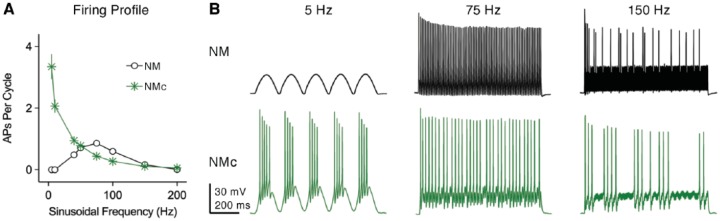
Birds such as the barn owl and zebra finch are known for their remarkable hearing abilities that are critical for survival, communication, and vocal learning functions. A key to achieving these hearing abilities is the speed and precision required for the temporal coding of sound-a process heavily dependent on the structural, synaptic, and intrinsic specializations in the avian auditory brainstem. Here, we review recent work from us and others focusing on the specialization of neurons in the chicken cochlear nucleus magnocellularis (NM)-a first-order auditory brainstem structure analogous to bushy cells in the mammalian anteroventral cochlear nucleus. Similar to their mammalian counterpart, NM neurons are mostly adendritic and receive auditory nerve input through large axosomatic endbulb of Held synapses. Axonal projections from NM neurons to their downstream auditory targets are sophisticatedly programmed regarding their length, caliber, myelination, and conduction velocity. Specialized voltage-dependent potassium and sodium channel properties also play important and unique roles in shaping the functional phenotype of NM neurons. Working synergistically with potassium channels, an atypical current known as resurgent sodium current promotes rapid and precise action potential firing for NM neurons. Interestingly, these structural and functional specializations vary dramatically along the tonotopic axis and suggest a plethora of encoding strategies for sounds of different acoustic frequencies, mechanisms likely shared across species.
仓鸮和斑胸草雀等鸟类以其卓越的听力能力而闻名,这些能力对于生存、交流和发声学习功能至关重要。实现这些听力能力的关键在于声音时间编码所需的速度和精度,这一过程严重依赖于鸟类听觉脑干中的结构、突触和内在特化。在这里,我们回顾了我们自己和其他人最近的工作,重点关注鸡的大细胞性耳蜗核(NM)中的神经元特化,NM是一种一级听觉脑干结构,类似于哺乳动物前腹侧耳蜗核中的浓密细胞。与它们的哺乳动物对应物相似,NM神经元大多无树突,并通过大型轴体赫尔德终扣突触接收听神经输入。从NM神经元到其下游听觉靶点的轴突投射在长度、管径、髓鞘形成和传导速度方面都经过了精细的编程。专门的电压依赖性钾离子和钠离子通道特性在塑造NM神经元的功能表型方面也发挥着重要而独特的作用。与钾离子通道协同工作,一种被称为复苏钠电流的非典型电流促进了NM神经元快速而精确的动作电位发放。有趣的是,这些结构和功能特化沿音频拓扑轴有显著差异,并提示了针对不同声频声音的大量编码策略,这些机制可能在物种间共享。