School of Life and Health Sciences, Aston University, Aston Triangle, Aston University, Birmingham B4 7ET, UK.
School of Life and Health Sciences, Aston University, Aston Triangle, Aston University, Birmingham B4 7ET, UK.
Redox Biol. 2019 May;23:101066. doi: 10.1016/j.redox.2018.101066. Epub 2018 Dec 6.
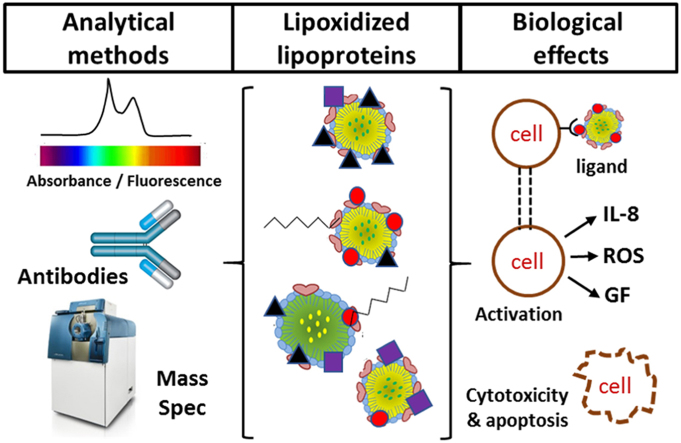
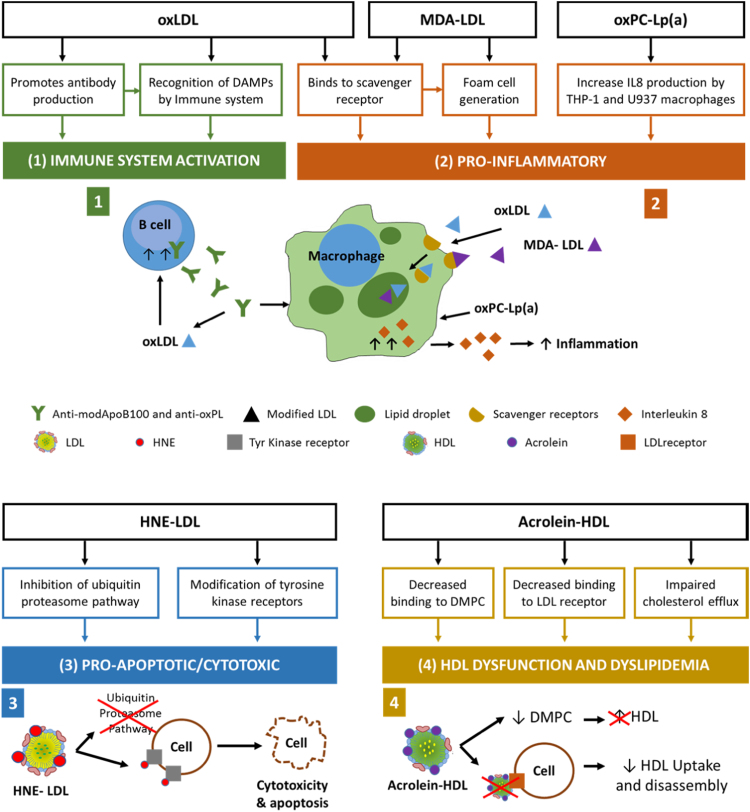
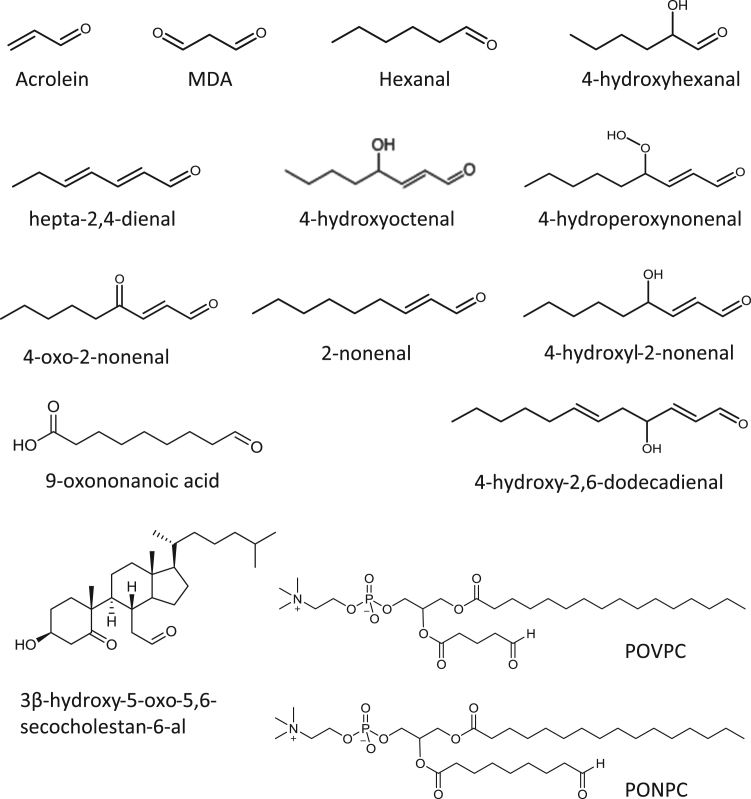
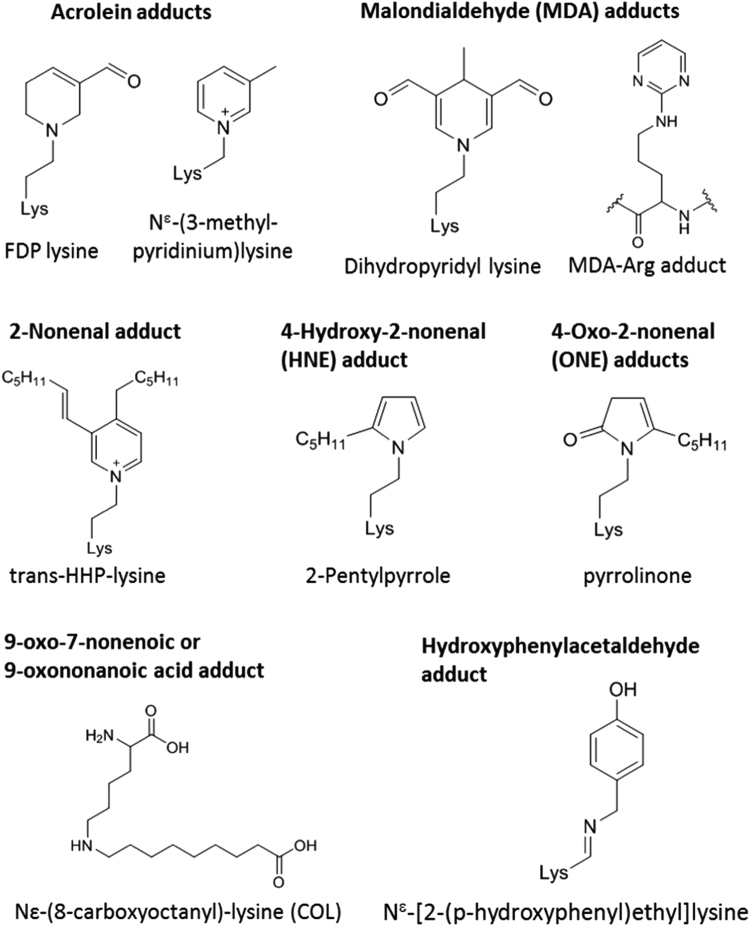
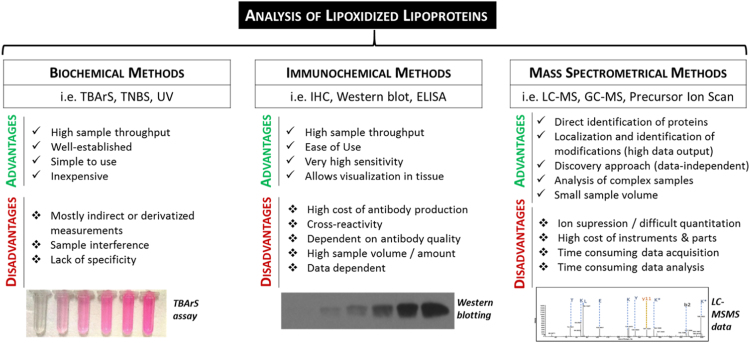
Lipoproteins are essential systemic lipid transport particles, composed of apolipoproteins embedded in a phospholipid and cholesterol monolayer surrounding a cargo of diverse lipid species. Many of the lipids present are susceptible to oxidative damage by lipid peroxidation, giving rise to the formation of reactive lipid peroxidation products (rLPPs). In view of the close proximity of the protein and lipid moieties within lipoproteins, the probability of adduct formation between rLPPs and amino acid residues of the proteins, a process called lipoxidation, is high. There has been interest for many years in the biological effects of such modifications, but the field has been limited to some extent by the availability of methods to determine the sites and exact nature of such modification. More recently, the availability of a wide range of antibodies to lipoxidation products, as well as advances in analytical techniques such as liquid chromatography tandem mass spectrometry (LC-MSMS), have increased our knowledge substantially. While most work has focused on LDL, oxidation of which has long been associated with pro-inflammatory responses and atherosclerosis, some studies on HDL, VLDL and Lipoprotein(a) have also been reported. As the broader topic of LDL oxidation has been reviewed previously, this review focuses on lipoxidative modifications of lipoproteins, from the historical background through to recent advances in the field. We consider the main methods of analysis for detecting rLPP adducts on apolipoproteins, including their advantages and disadvantages, as well as the biological effects of lipoxidized lipoproteins and their potential roles in diseases.
脂蛋白是重要的系统脂质转运颗粒,由嵌入磷脂和胆固醇单层中的载脂蛋白以及多种脂质组成。许多存在的脂质容易受到脂质过氧化的氧化损伤,导致反应性脂质过氧化产物(rLPP)的形成。鉴于脂蛋白中蛋白质和脂质部分的紧密接近,rLPP 与蛋白质的氨基酸残基之间形成加合物的可能性(称为脂质氧化)很高。多年来,人们一直对这些修饰的生物学效应感兴趣,但由于缺乏确定此类修饰的部位和确切性质的方法,该领域在一定程度上受到限制。最近,广泛的脂质氧化产物抗体以及液相色谱串联质谱(LC-MSMS)等分析技术的进步,大大增加了我们的知识。虽然大多数工作都集中在 LDL 上,因为其氧化长期以来一直与炎症反应和动脉粥样硬化有关,但也有一些关于 HDL、VLDL 和脂蛋白(a)的研究报告。由于 LDL 氧化的更广泛主题之前已经被综述过,因此本综述重点介绍脂蛋白的脂质氧化修饰,从历史背景到该领域的最新进展。我们考虑了用于检测载脂蛋白上 rLPP 加合物的主要分析方法,包括它们的优缺点,以及脂质氧化的脂蛋白的生物学效应及其在疾病中的潜在作用。