Institute of Biotechnology, University of Helsinki, Helsinki, Finland.
Department of Veterinary Biosciences, Faculty of Veterinary Medicine, University of Helsinki, Helsinki, Finland.
Cell Mol Gastroenterol Hepatol. 2019;7(3):655-678. doi: 10.1016/j.jcmgh.2018.12.007. Epub 2018 Dec 27.
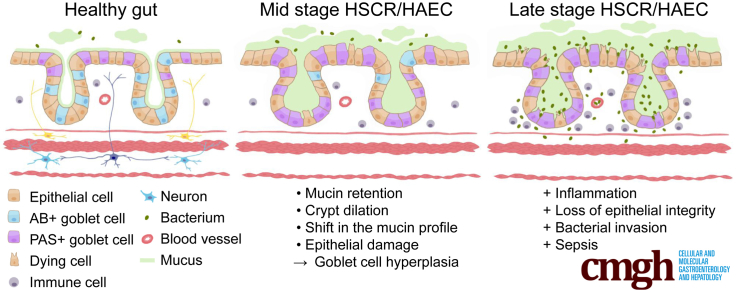
BACKGROUND & AIMS: RET, the receptor for the glial cell line-derived neurotrophic factor (GDNF) family ligands, is the most frequently mutated gene in congenital aganglionic megacolon or Hirschsprung's disease (HSCR). The leading cause of mortality in HSCR is HSCR-associated enterocolitis (HAEC), which is characterized by altered mucin composition, mucin retention, bacterial adhesion to enterocytes, and epithelial damage, although the order of these events is obscure. In mice, loss of GDNF signaling leads to a severely underdeveloped enteric nervous system and neonatally fatal kidney agenesis, thereby precluding the use of these mice for modeling postnatal HSCR and HAEC. Our aim was to generate a postnatally viable mouse model for HSCR/HAEC and analyze HAEC etiology.
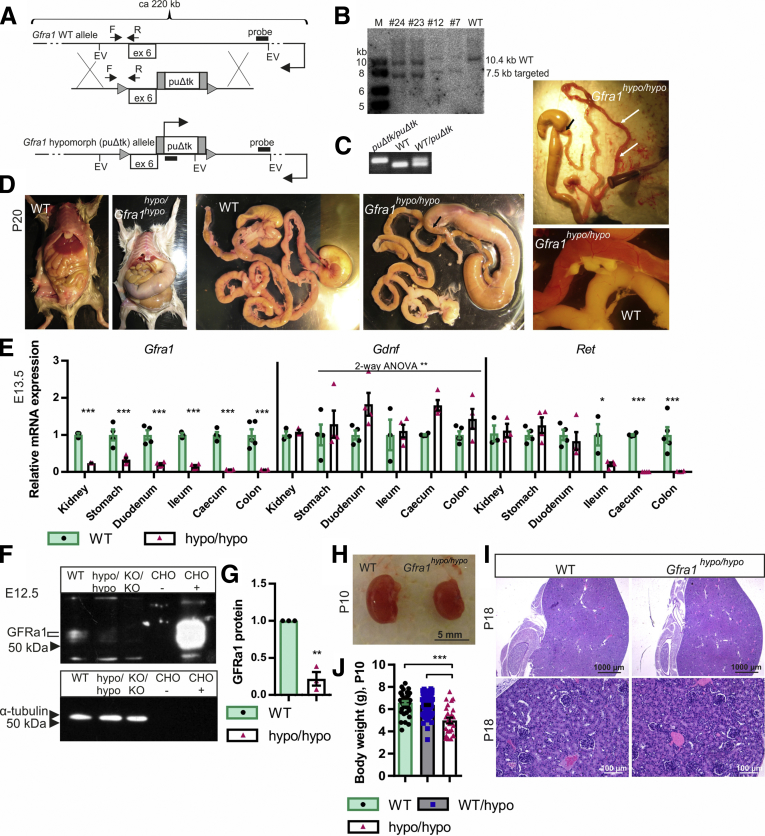
GDNF family receptor alpha-1 (GFRa1) hypomorphic mice were generated by placing a selectable marker gene in the sixth intron of the Gfra1 locus using gene targeting in mouse embryonic stem cells.
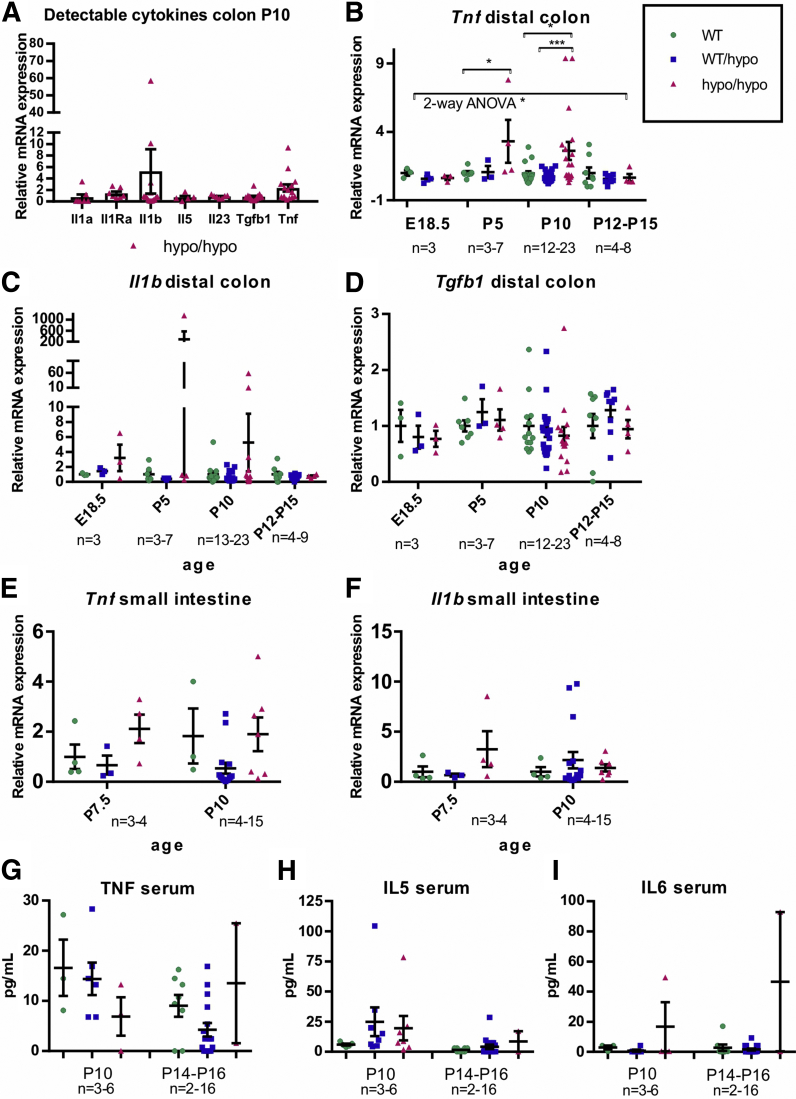
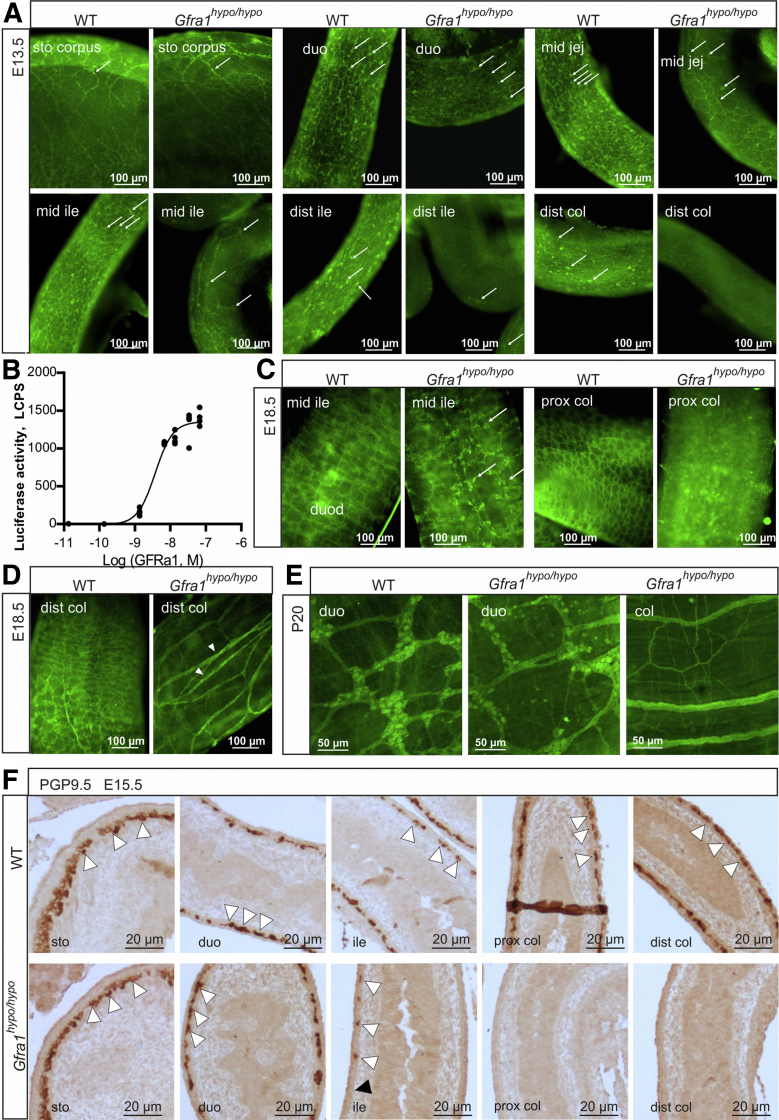
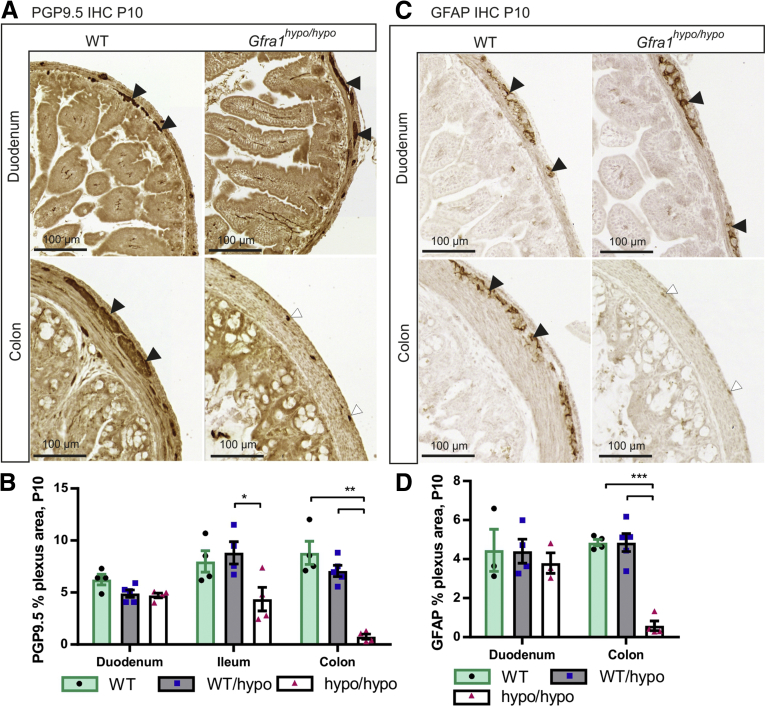
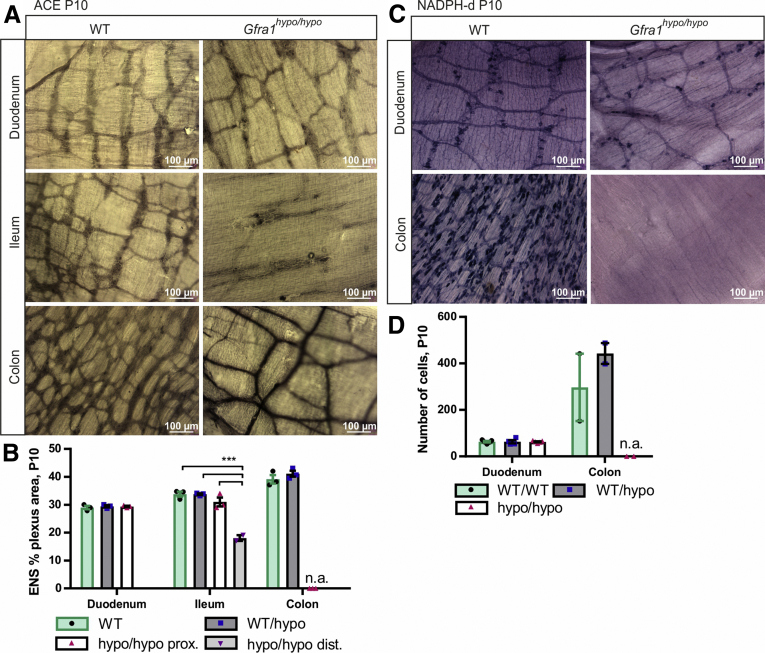
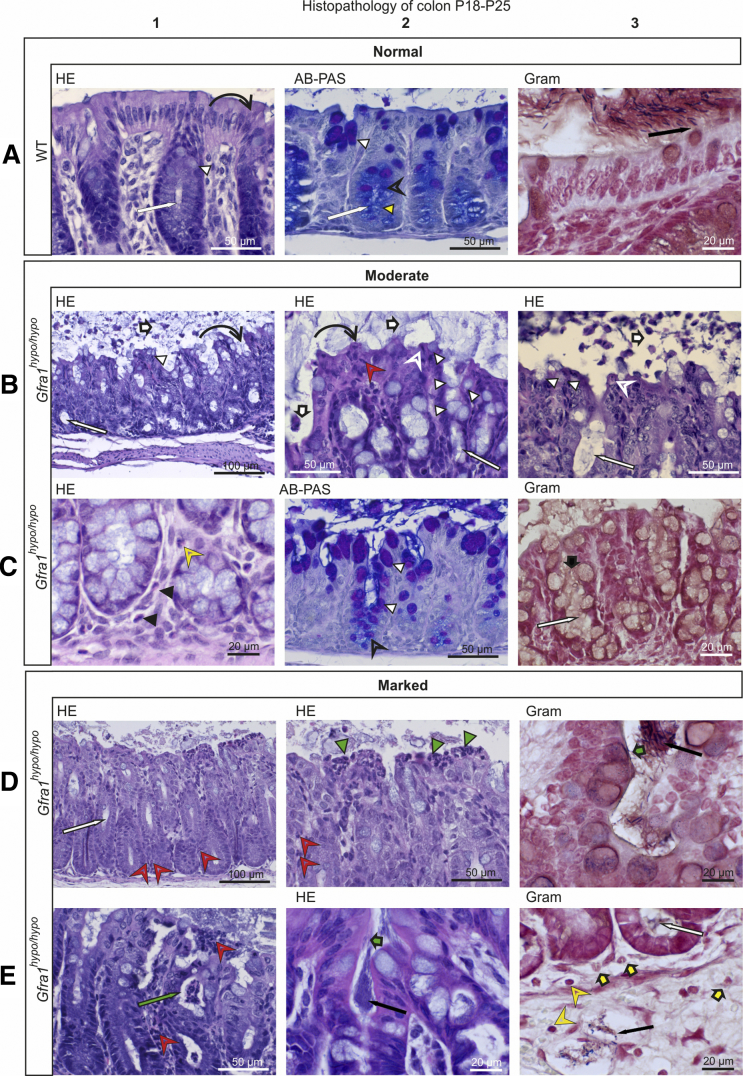
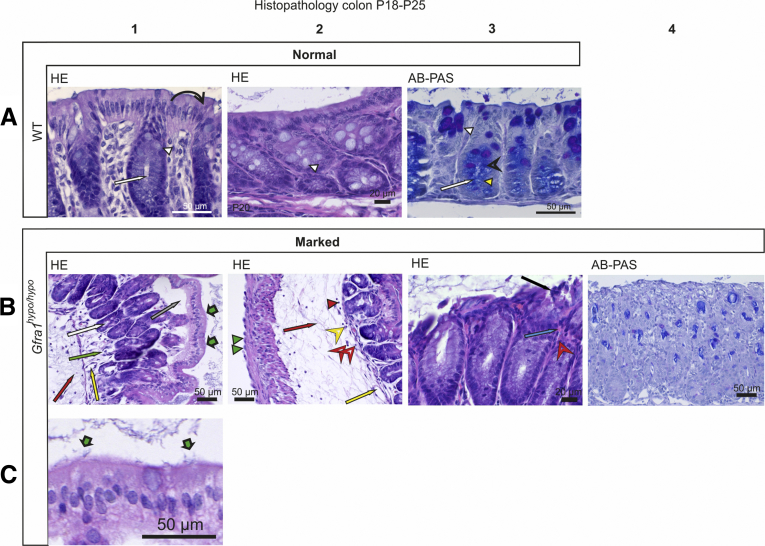
We report that 70%-80% reduction in GDNF co-receptor GFRa1 expression levels in mice results in HSCR and HAEC, leading to death within the first 25 postnatal days. These mice mirror the disease progression and histopathologic findings in children with untreated HSCR/HAEC.
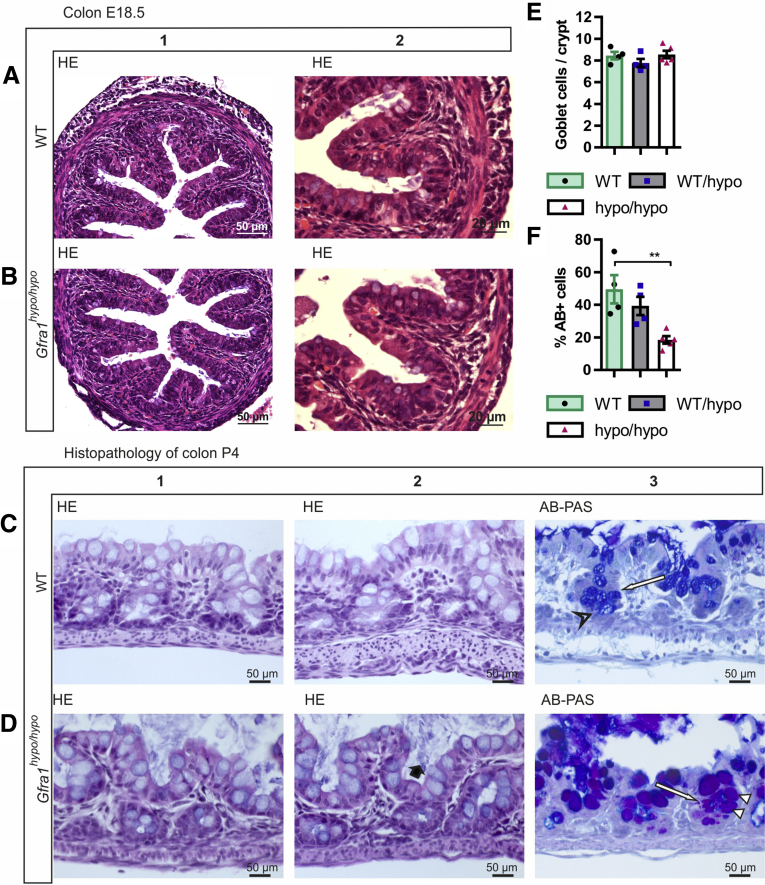
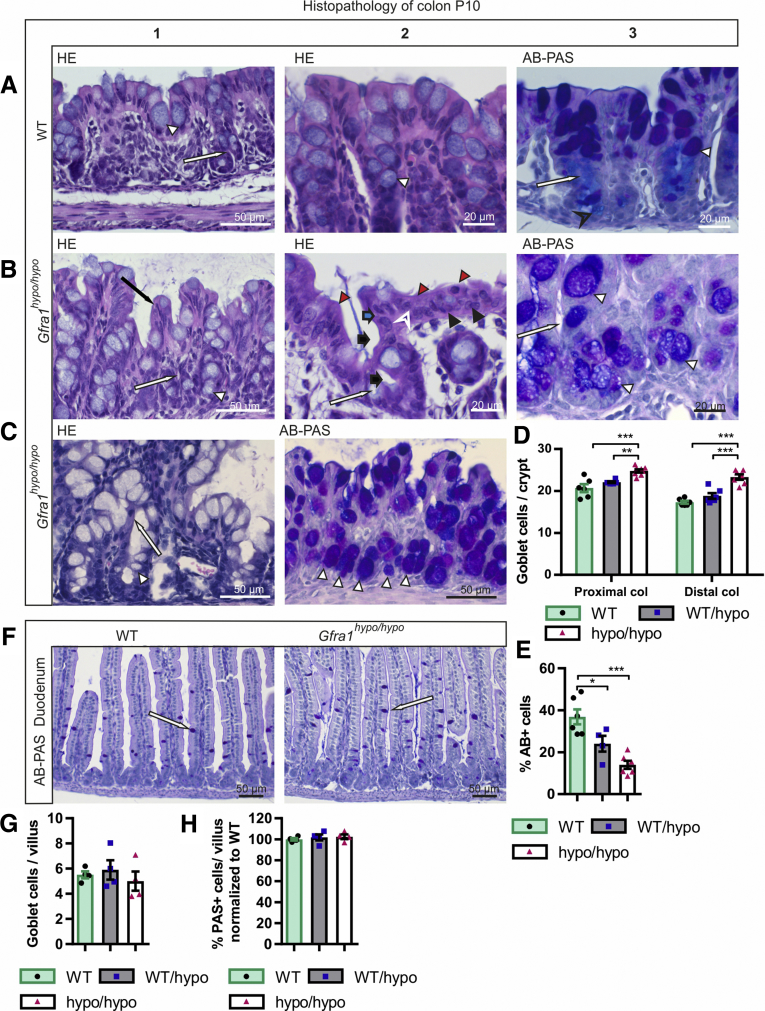
In GFRa1 hypomorphic mice, HAEC proceeds from goblet cell dysplasia, with abnormal mucin production and retention, to epithelial damage. Microbial enterocyte adherence and tissue invasion are late events and therefore unlikely to be the primary cause of HAEC. These results suggest that goblet cells may be a potential target for preventative treatment and that reduced expression of GFRa1 may contribute to HSCR susceptibility.
RET 是神经胶质细胞系衍生的神经营养因子(GDNF)家族配体的受体,是先天性无神经节巨结肠或先天性巨结肠病(HSCR)中最常突变的基因。HSCR 的主要死亡原因是 HSCR 相关结肠炎(HAEC),其特征为粘蛋白组成改变、粘蛋白潴留、细菌黏附于肠上皮细胞和上皮损伤,尽管这些事件的顺序尚不清楚。在小鼠中,GDNF 信号的丧失导致肠神经系统严重发育不良和新生儿致命性肾发育不全,从而排除了这些小鼠用于模拟后天性 HSCR 和 HAEC 的可能性。我们的目的是生成一种用于 HSCR/HAEC 的新生后存活的小鼠模型,并分析 HAEC 的病因。
通过在小鼠胚胎干细胞中使用基因靶向技术将选择性标记基因放置在 Gfra1 基因座的第六内含子中,生成 GDNF 家族受体 alpha-1(GFRa1)低功能小鼠。
我们报告说,GDNF 共受体 GFRa1 表达水平降低 70%-80%会导致小鼠出现 HSCR 和 HAEC,并在出生后 25 天内死亡。这些小鼠反映了未经治疗的 HSCR/HAEC 患儿的疾病进展和组织病理学发现。
在 GFRa1 低功能小鼠中,HAEC 从杯状细胞发育不良开始,表现为异常粘蛋白产生和潴留,进而导致上皮损伤。微生物肠上皮细胞黏附和组织侵袭是晚期事件,因此不太可能是 HAEC 的主要原因。这些结果表明,杯状细胞可能是预防治疗的潜在靶点,GFRa1 表达降低可能导致 HSCR 易感性。