Jones Peter P, MacQuaide Niall, Louch William E
Department of Physiology, School of Biomedical Sciences, University of Otago, Dunedin, New Zealand.
HeartOtago, University of Otago, Dunedin, New Zealand.
Front Physiol. 2018 Dec 11;9:1773. doi: 10.3389/fphys.2018.01773. eCollection 2018.
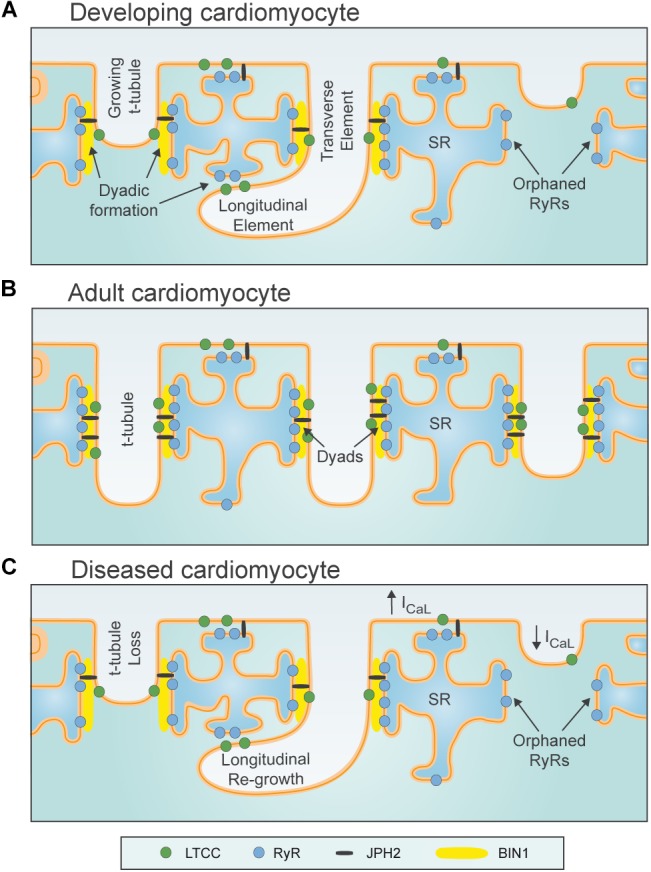
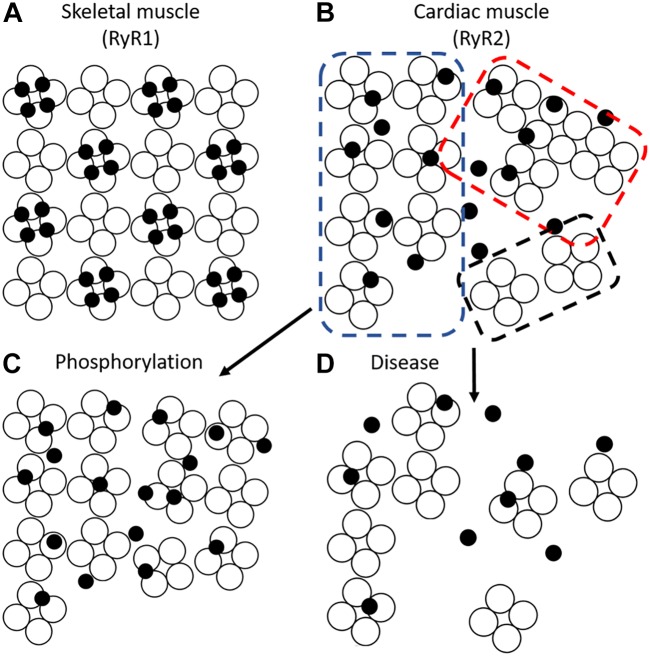
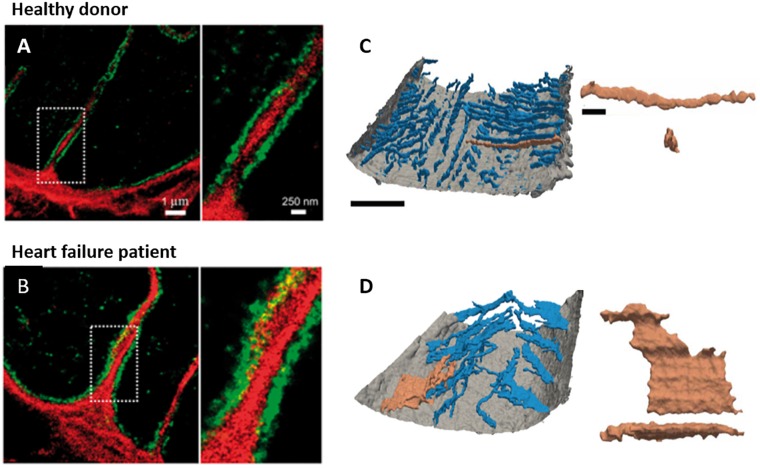
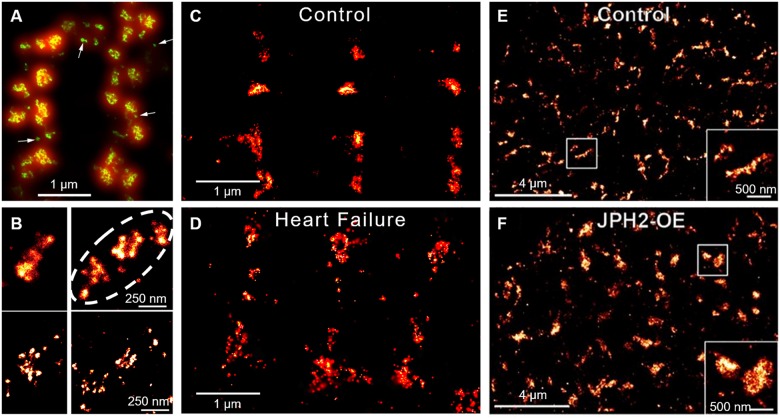
Contraction of cardiomyocytes is dependent on sub-cellular structures called dyads, where invaginations of the surface membrane (t-tubules) form functional junctions with the sarcoplasmic reticulum (SR). Within each dyad, Ca entry through t-tubular L-type Ca channels (LTCCs) elicits Ca release from closely apposed Ryanodine Receptors (RyRs) in the SR membrane. The efficiency of this process is dependent on the density and macroscale arrangement of dyads, but also on the nanoscale organization of LTCCs and RyRs within them. We presently review accumulating data demonstrating the remarkable plasticity of these structures. Dyads are known to form gradually during development, with progressive assembly of both t-tubules and junctional SR terminals, and precise trafficking of LTCCs and RyRs. While dyads can exhibit compensatory remodeling when required, dyadic degradation is believed to promote impaired contractility and arrythmogenesis in cardiac disease. Recent data indicate that this plasticity of dyadic structure/function is dependent on the regulatory proteins junctophilin-2, amphiphysin-2 (BIN1), and caveolin-3, which critically arrange dyadic membranes while stabilizing the position and activity of LTCCs and RyRs. Indeed, emerging evidence indicates that clustering of both channels enables "coupled gating", implying that nanoscale localization and function are intimately linked, and may allow fine-tuning of LTCC-RyR crosstalk. We anticipate that improved understanding of dyadic plasticity will provide greater insight into the processes of cardiac compensation and decompensation, and new opportunities to target the basic mechanisms underlying heart disease.
心肌细胞的收缩依赖于一种称为二联体的亚细胞结构,在这种结构中,表面膜(横小管)的内陷与肌浆网(SR)形成功能性连接。在每个二联体中,通过横小管L型钙通道(LTCCs)进入的钙离子会引发肌浆网膜上紧密相邻的兰尼碱受体(RyRs)释放钙离子。这一过程的效率不仅取决于二联体的密度和宏观排列,还取决于其中LTCCs和RyRs的纳米级组织。我们目前回顾了越来越多的数据,这些数据表明了这些结构具有显著的可塑性。已知二联体在发育过程中逐渐形成,伴随着横小管和连接性肌浆网终末的逐步组装,以及LTCCs和RyRs的精确运输。虽然二联体在需要时可以表现出代偿性重塑,但二联体的退化被认为会促进心脏病中收缩功能受损和心律失常的发生。最近的数据表明,二联体结构/功能的这种可塑性依赖于调节蛋白连接蛋白-2、发动蛋白-2(BIN1)和小窝蛋白-3,它们在稳定LTCCs和RyRs的位置和活性的同时,关键地排列二联体膜。事实上,新出现的证据表明,两种通道的聚集能够实现“耦合门控”,这意味着纳米级定位和功能密切相关,并且可能允许对LTCC-RyR相互作用进行微调。我们预计,对二联体可塑性的更好理解将为心脏代偿和失代偿过程提供更深入的见解,并为针对心脏病潜在基本机制提供新的机会。