Gupta Abhishek, Dutta Avishek, Sarkar Jayeeta, Panigrahi Mruganka Kumar, Sar Pinaki
Environmental Microbiology and Genomics Laboratory, Department of Biotechnology, Indian Institute of Technology Kharagpur, Kharagpur, India.
School of Bioscience, Indian Institute of Technology Kharagpur, Kharagpur, India.
Front Microbiol. 2018 Dec 11;9:2882. doi: 10.3389/fmicb.2018.02882. eCollection 2018.
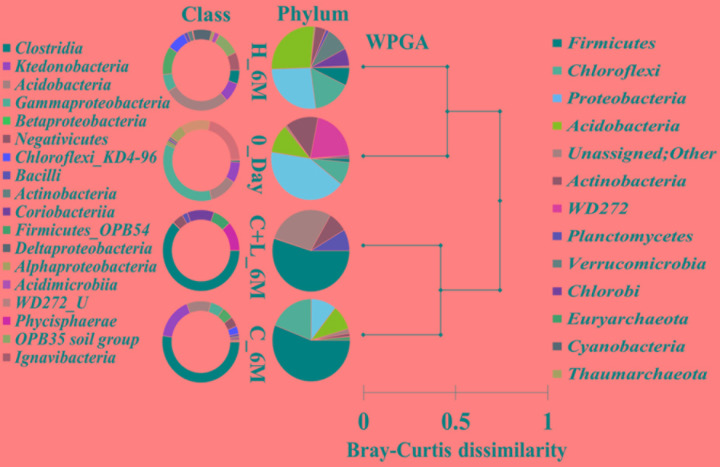
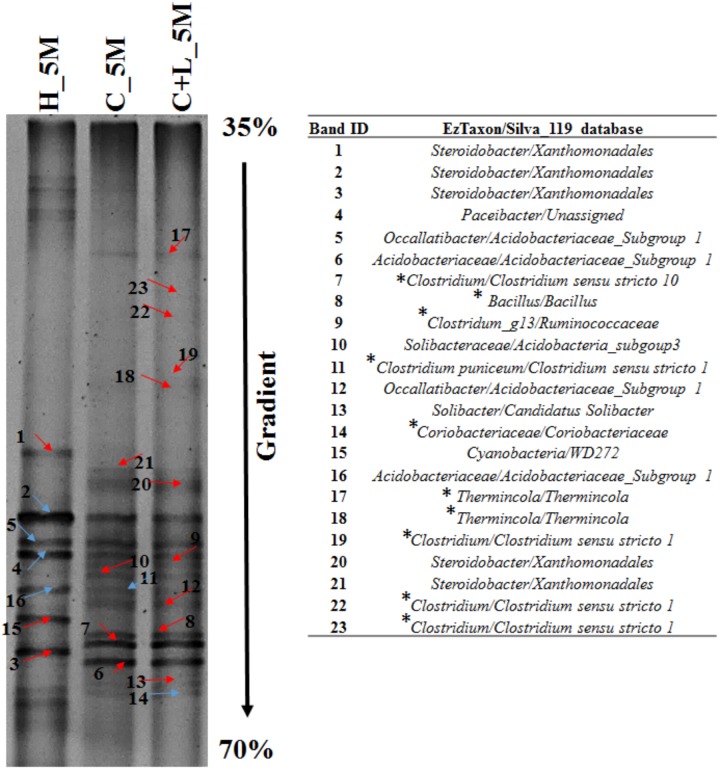
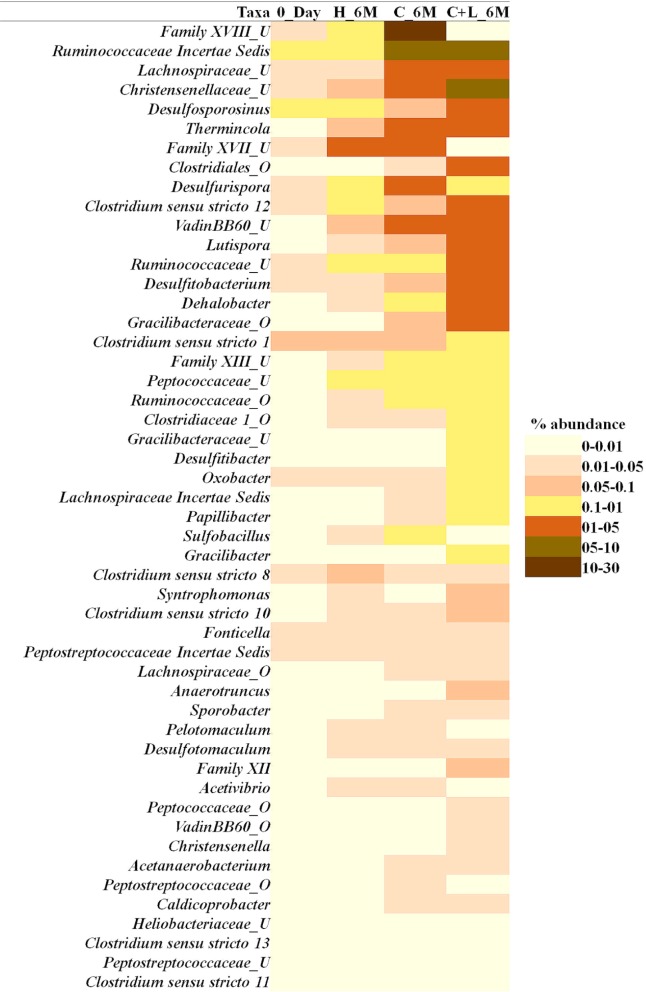
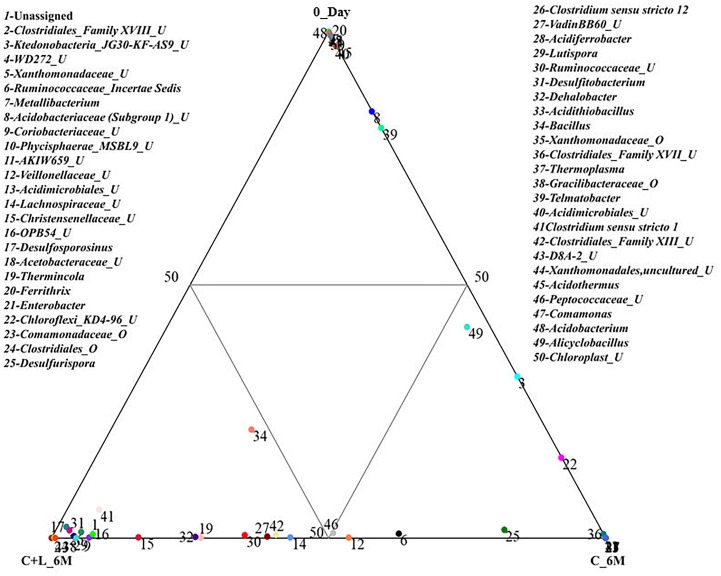
Sulfate- and iron-reducing heterotrophic bacteria represented minor proportion of the indigenous microbial community of highly acidic, oligotrophic acid mine drainage (AMD), but they can be successfully stimulated for bioremediation of an AMD impacted soil (AIS). These anaerobic microorganisms although played central role in sulfate- and metal-removal, they remained inactive in the AIS due to the paucity of organic carbon and extreme acidity of the local environment. The present study investigated the scope for increasing the abundance and activity of inhabitant sulfate- and iron-reducing bacterial populations of an AIS from Malanjkhand Copper Project. An AIS of pH 3.5, high soluble SO (7838 mg/l) and Fe (179 mg/l) content was amended with nutrients (cysteine and lactate). Thorough geochemical analysis, 16S rRNA gene amplicon sequencing and qPCR highlighted the intrinsic metabolic abilities of native bacteria in AMD bioremediation. Following 180 days incubation, the nutrient amended AIS showed marked increase in pH (to 6.6) and reduction in soluble -SO (95%), -Fe (50%) and other heavy metals. Concomitant to physicochemical changes a vivid shift in microbial community composition was observed. Members of the present as a minor group (1.5% of total community) in AIS emerged as the single most abundant taxon (∼56%) following nutrient amendments. Organisms affiliated to , etc. known for their fermentative, iron and sulfate reducing abilities were prevailed in the amended samples. qPCR data corroborated with this change and further revealed an increase in abundance of dissimilatory sulfite reductase gene (B) and specific bacterial taxa. Involvement of these enhanced populations in reductive processes was validated by further enrichments and growth in sulfate- and iron-reducing media. Amplicon sequencing of these enrichments confirmed growth of members and proved their sulfate- and iron-reduction abilities. This study provided a better insight on ecological perspective of members within the AMD impacted sites, particularly their involvement in sulfate- and iron-reduction processes, pH management and bioremediation.
硫酸盐还原菌和铁还原异养细菌在高酸性、贫营养的酸性矿山排水(AMD)的原生微生物群落中占比很小,但它们可以被成功激活,用于对受AMD影响的土壤(AIS)进行生物修复。这些厌氧微生物虽然在硫酸盐和金属去除中起核心作用,但由于当地环境中有机碳匮乏和极端酸性,它们在AIS中仍处于不活跃状态。本研究调查了增加来自马兰杰坎德铜矿项目的AIS中本地硫酸盐还原菌和铁还原细菌种群丰度和活性的可能性。用营养物质(半胱氨酸和乳酸盐)对pH值为3.5、高可溶性SO(7838毫克/升)和Fe(179毫克/升)含量的AIS进行了改良。全面的地球化学分析、16S rRNA基因扩增子测序和定量PCR突出了原生细菌在AMD生物修复中的内在代谢能力。经过180天的培养,营养改良后的AIS的pH值显著升高(至6.6),可溶性-SO(95%)、-Fe(50%)和其他重金属含量降低。伴随着物理化学变化,观察到微生物群落组成发生了明显变化。在AIS中作为次要群体(占总群落的1.5%)存在的成员在营养改良后成为最丰富的单一分类群(约56%)。在改良后的样本中,以发酵、铁还原和硫酸盐还原能力而闻名的、等相关生物体占优势。定量PCR数据证实了这一变化,并进一步揭示了异化亚硫酸盐还原酶基因(B)和特定细菌分类群的丰度增加。通过在硫酸盐还原和铁还原培养基中的进一步富集和生长,验证了这些增强的种群在还原过程中的参与。这些富集物的扩增子测序证实了成员的生长,并证明了它们的硫酸盐还原和铁还原能力。本研究从生态学角度对AMD影响场地内的成员,特别是它们在硫酸盐还原和铁还原过程、pH值调节和生物修复中的参与,提供了更好的见解。