Department of Biotechnology, College of Life Science and Technology, Huazhong University of Science and Technology, Wuhan, China.
Hubei Institute of New Socialist Countryside Development, Hubei Engineering University, Xiaogan, China.
BMC Plant Biol. 2019 Jan 11;19(1):21. doi: 10.1186/s12870-018-1624-7.
Rapeseed (Brassica napus, B. napus) is an important oil seed crop in the world. Previous studies showed that seed germination vigor might be correlated with seed oil content in B. napus, but the regulation mechanism for seed germination has not yet been explained clearly. Dissecting the regulation mechanism of seed germination and germination vigor is necessary.
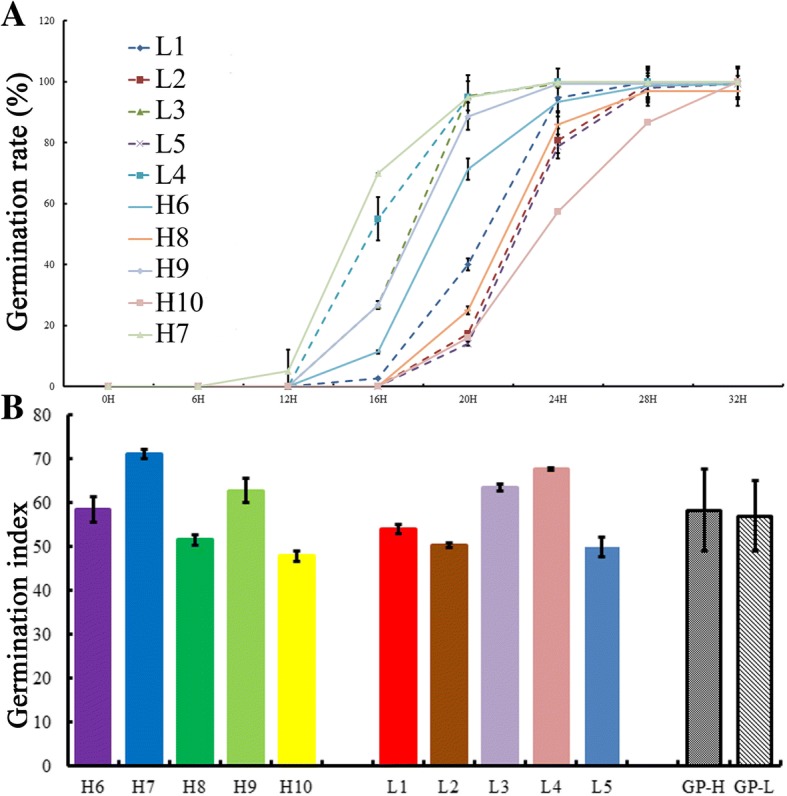
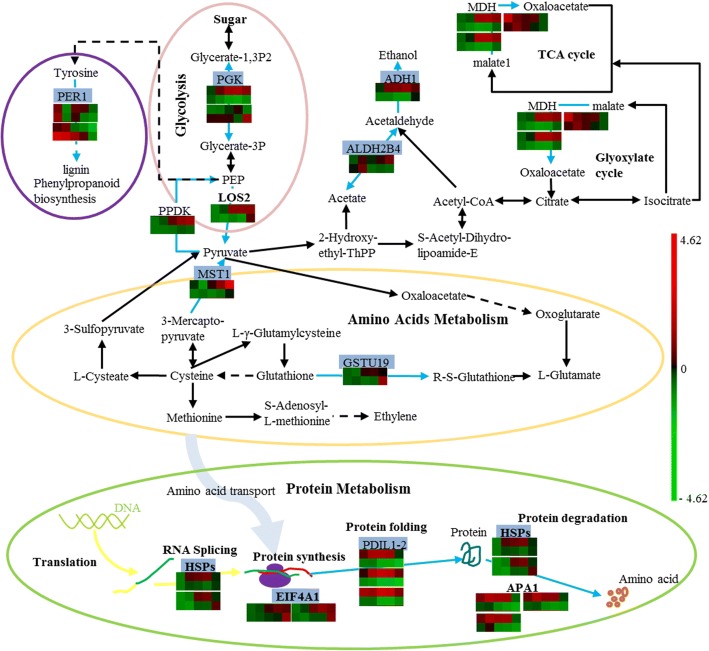
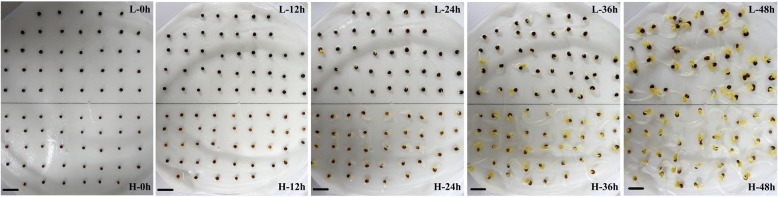
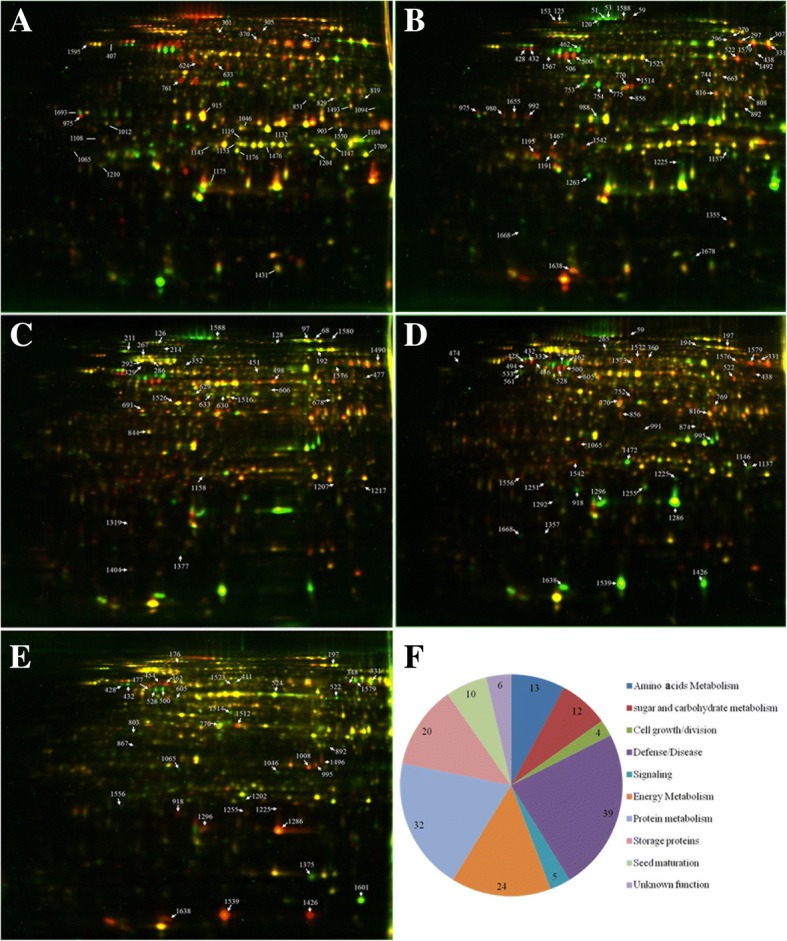
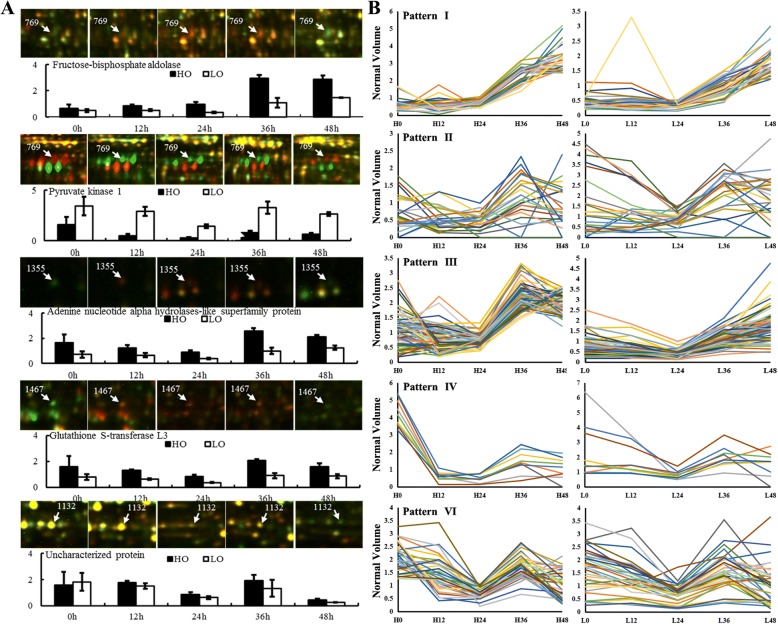
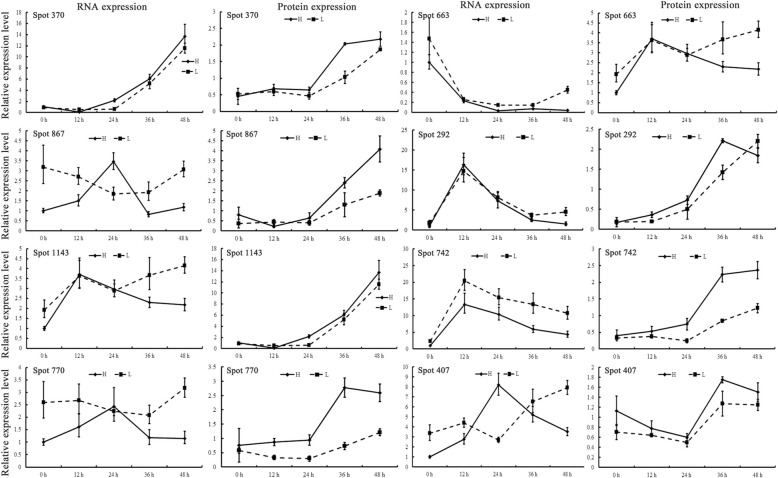
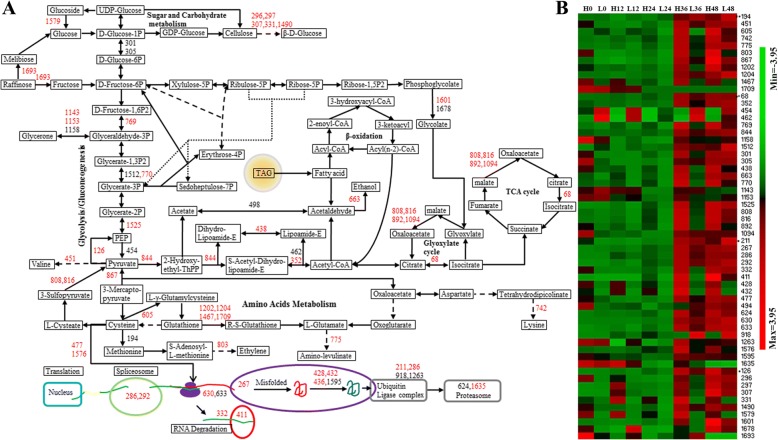
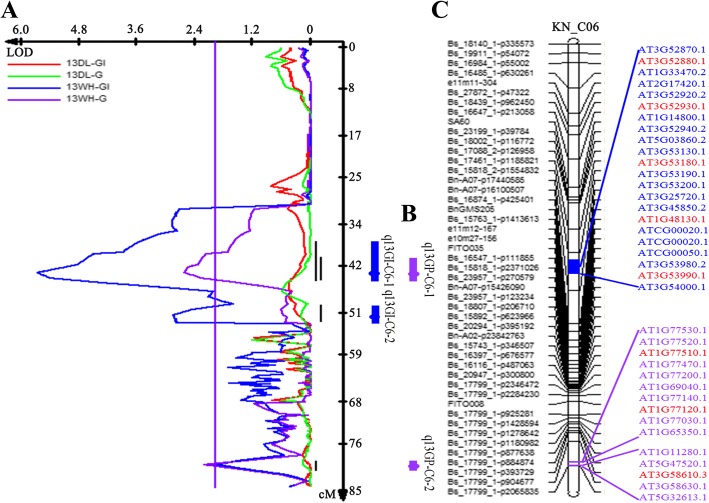
Here, proteomic and genomic approaches were used to analyze the germination process in B. napus seeds with different oil content. The identification of 165 differentially expressed proteins (DEPs) in the germinating seeds of B. napus with high and low oil content was accomplished by two-dimensional fluorescence difference in gel electrophoresis (2D-DIGE). The comparative proteomic results revealed that seeds with high oil content had higher metabolic activity, especially for sulfur amino acid metabolism. Thirty-one unique genes were shown to be significantly changed during germination between the seeds with high and low oil content, and thirteen of these genes were located within the confidence interval of germination-related quantitative trait locus (QTLs), which might play an important role in regulating seed germination vigor.
The present results are of importance for the understanding of the regulation mechanism for seed germination vigor in B. napus.
油菜(甘蓝型油菜,B. napus)是世界上一种重要的油料作物。先前的研究表明,种子发芽活力可能与油菜种子中的油含量有关,但种子发芽的调节机制尚不清楚。解析种子发芽和发芽活力的调节机制是必要的。
在这里,采用蛋白质组学和基因组学方法分析了不同油含量油菜种子的发芽过程。通过二维荧光差异凝胶电泳(2D-DIGE)鉴定了高油和低油油菜种子发芽过程中 165 种差异表达蛋白(DEPs)。比较蛋白质组学结果表明,高油含量的种子具有更高的代谢活性,特别是含硫氨基酸代谢。在高油和低油含量种子的发芽过程中,有 31 个独特基因的表达发生了显著变化,其中 13 个基因位于与种子发芽活力相关的数量性状位点(QTLs)的置信区间内,这些基因可能在调节种子发芽活力方面发挥重要作用。
本研究结果对理解油菜种子发芽活力的调节机制具有重要意义。