Andrade Gisiane Camargo, Medeiros Coelho Cileide Maria, Uarrota Virgílio Gavicho
Santa Catarina State University, Agroveterinary Science Centre, Laboratory of Seed Analysis, Luiz de Camões Avenue 2090, Lages, SC, Brazil.
Pontificia Universidad Católica de Valparaiso, Escuela de Agronomia, Calle San Francisco S/N, La Palma, Quillota, Chile.
Heliyon. 2020 Feb 26;6(2):e03477. doi: 10.1016/j.heliyon.2020.e03477. eCollection 2020 Feb.
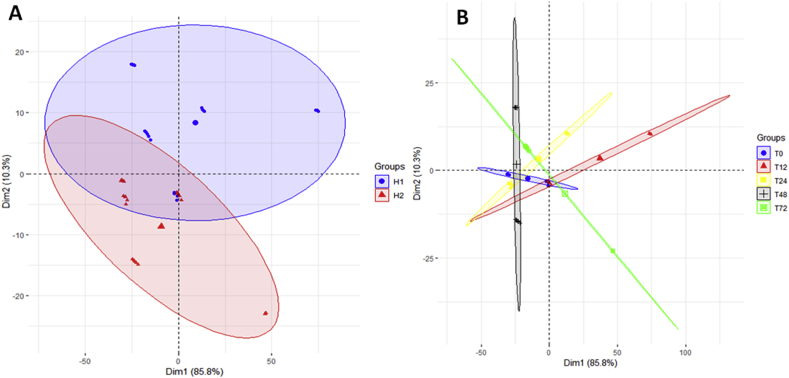
The main goals of this research were to use ATR-FTIR spectroscopy associated with multivariate analyses to identify biochemical changes in high and low vigour seed tissues (embryo and endosperm) in response to accelerated ageing and to create a model to predict seed vigour based on spectroscopic data. High-vigour seeds undergo minimal changes in biochemical composition during stress by accelerated ageing while low-vigour seeds are more sensitive to stress and this lower tolerance is associated with reduced lipid and protein content and increased amino acids, carbohydrates and phosphorus compounds in the embryo. High-vigour seeds show an increase in peaks associated with amino acids and phosphorous compounds in the endosperm after 24 h of stress while low-vigour seeds present these high-intensity peaks only after 72 h in the embryo. The results of this research provide the theoretical basis for the genetic improvement of maize cultivars that aim at higher physiological seed quality.
本研究的主要目标是利用衰减全反射傅里叶变换红外光谱(ATR-FTIR)结合多变量分析,来识别高活力和低活力种子组织(胚和胚乳)在加速老化处理下的生化变化,并基于光谱数据创建一个预测种子活力的模型。高活力种子在加速老化胁迫期间生化组成变化最小,而低活力种子对胁迫更敏感,这种较低的耐受性与胚中脂质和蛋白质含量降低以及氨基酸、碳水化合物和磷化合物增加有关。高活力种子在胁迫24小时后胚乳中与氨基酸和磷化合物相关的峰增加,而低活力种子仅在胚中72小时后才出现这些高强度峰。本研究结果为旨在提高种子生理质量的玉米品种遗传改良提供了理论依据。