CAS Key Laboratory of Biomedical & Diagnostic Technology, CAS/Suzhou Institute of Biomedical Engineering and Technology, Suzhou, 215163, China.
CAS Key Laboratory of Pathogenic Microbiology and Immunology, Institute of Microbiology, Chinese Academy of Sciences, Beijing, 100101, China.
Sci Rep. 2019 Jan 11;9(1):78. doi: 10.1038/s41598-018-36984-y.
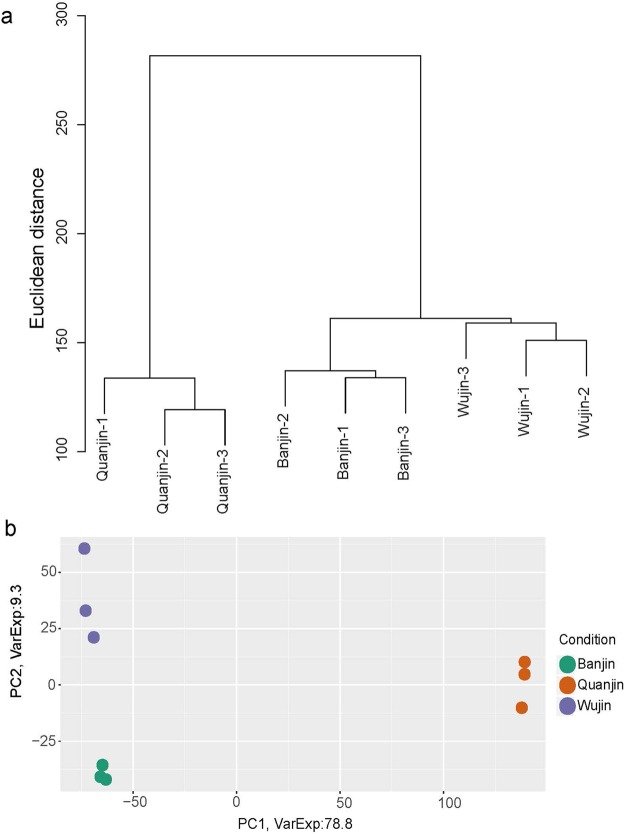
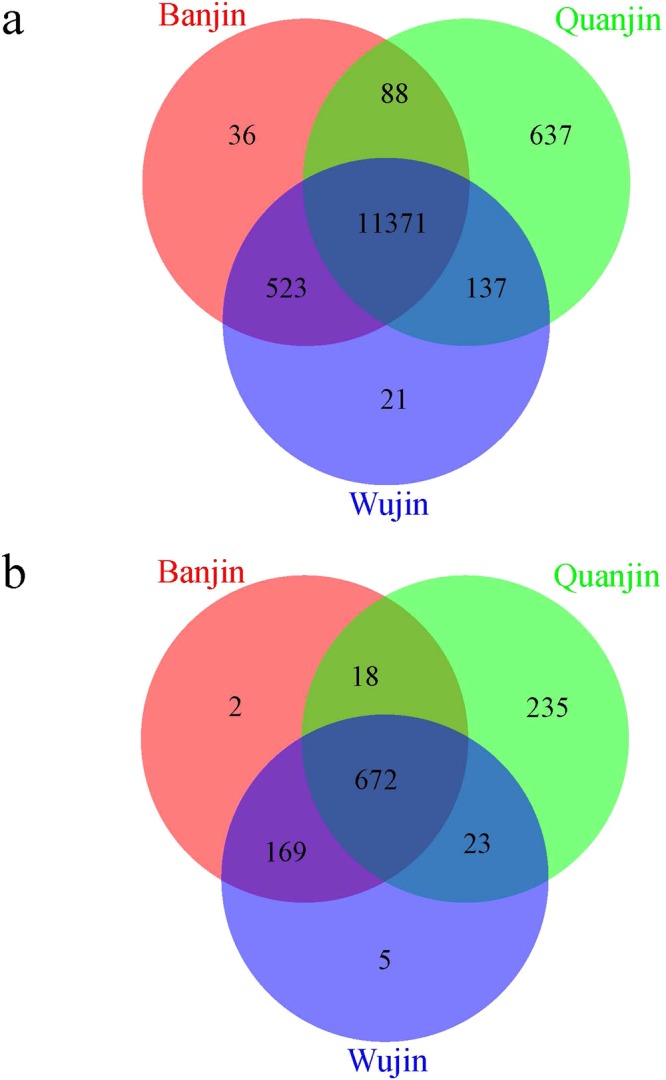
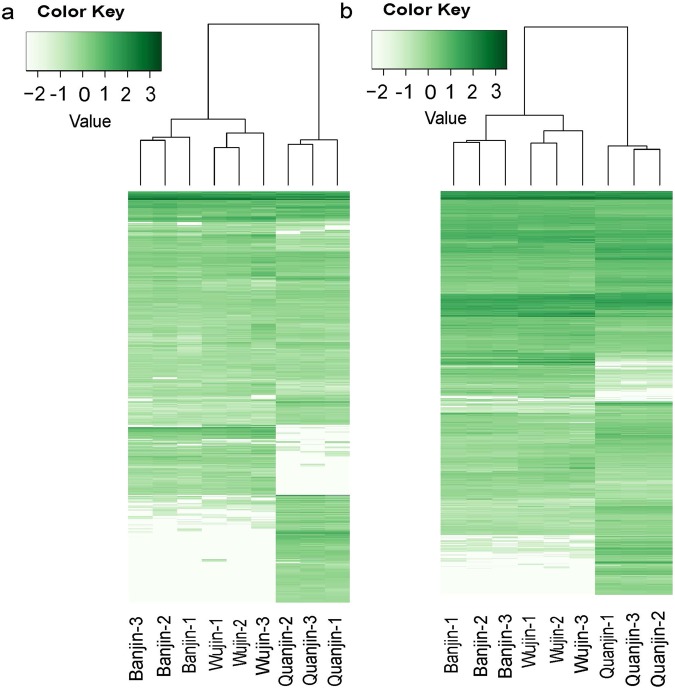
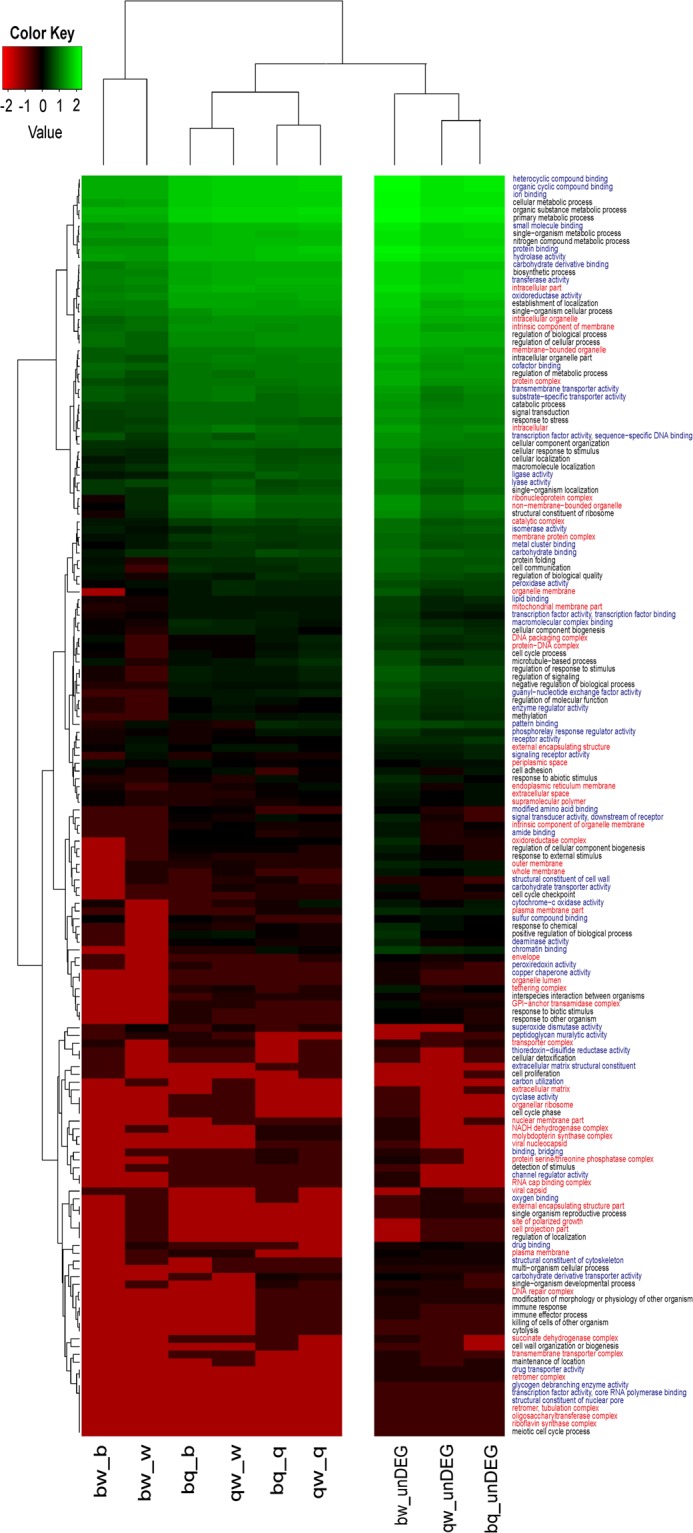
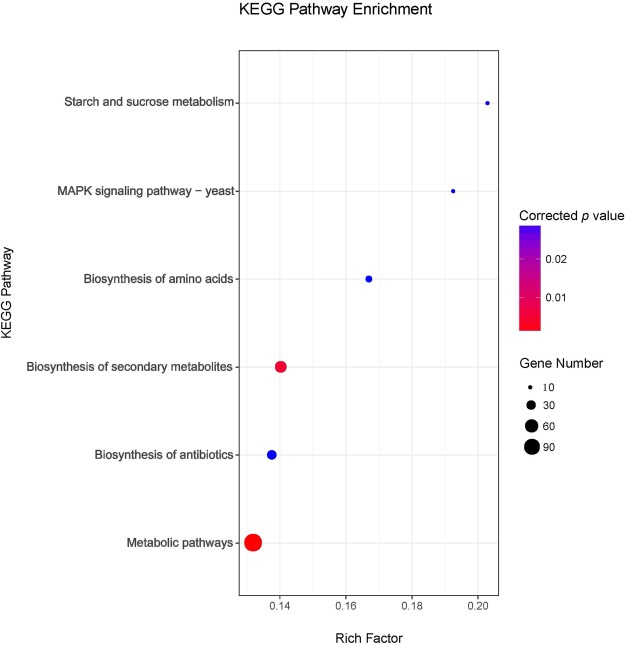
Auricularia auricula-judae is an edible mushroom and a traditional medicine in China as well as the fourth largest cultivated mushroom species in the world. Here for the first time, we present comparative transcriptome analyses of the fruiting bodies of three morphologically distinguishable A. auricula-judae cultivated varieties (Wujin, smooth; Banjin, partially wrinkled; and Quanjin, fully wrinkled) collected from Jilin Province, China. Biological triplicates were performed to determine the expression levels of 13,937 unigenes. Among them, only 13 unigenes were annotated to A. auricula-judae, highlighting the lack of publicly available reference sequences for this economically important species. Principal component analysis (PCA) determined that the gene expression profile of Quanjin was unique when compared to those of Banjin and Wujin. Such relationships were further supported by analyses of annotated and unannotated unigenes, differentially expressed unigenes, gene ontology functions, and the family of peroxidase genes. Using the KEGG database, significant alternations in biological pathways were detected among the three cultivars. This work contributes a large set of A. auricula-judae sequences to public database, establishes the relationships among major cultivars, and provides molecular guidance for breeding and cultivation.
银耳是中国的一种食用蘑菇和传统药材,也是世界上第四大栽培蘑菇品种。在这里,我们首次对来自中国吉林省的三种形态上可区分的银耳栽培品种(武进,光滑;板津,部分起皱;全津,完全起皱)的子实体进行了比较转录组分析。进行了三次生物学重复实验,以确定 13937 个基因的表达水平。其中,只有 13 个基因被注释为银耳,这突出表明该经济重要物种缺乏公开可用的参考序列。主成分分析(PCA)确定与板津和武进相比,全津的基因表达谱是独特的。这些关系还通过注释和未注释的基因、差异表达基因、基因本体功能和过氧化物酶基因家族的分析得到进一步支持。使用 KEGG 数据库,在三个品种之间检测到生物途径的显著改变。这项工作为公共数据库贡献了大量银耳序列,建立了主要品种之间的关系,并为育种和栽培提供了分子指导。