School of Veterinary Medicine and Science, University of Nottingham, LE12 9RH Nottingham, UK.
Republican Clinical Neurological Center, Republic of Tatarstan, Kazan 420021, Russia.
Int J Mol Sci. 2019 Jan 14;20(2):303. doi: 10.3390/ijms20020303.
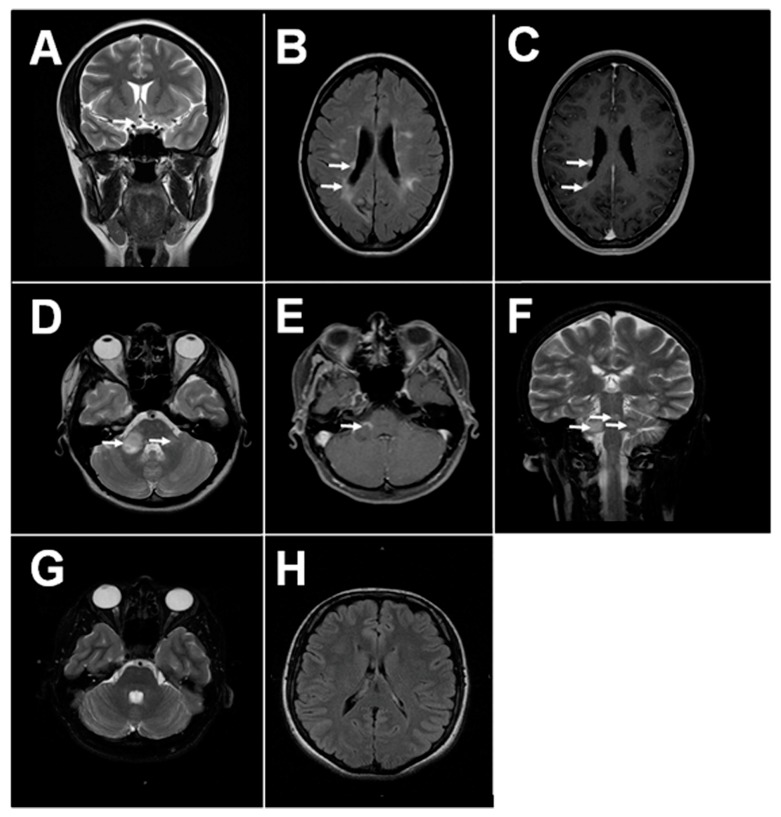
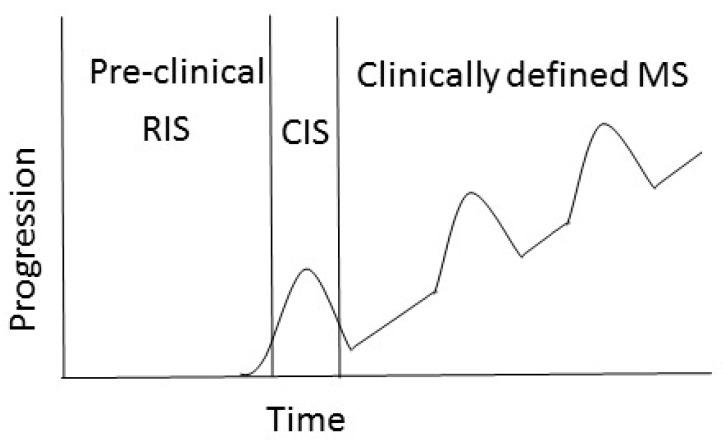
Multiple sclerosis (MS) is a chronic debilitating inflammatory disease of unknown ethology targeting the central nervous system (CNS). MS has a polysymptomatic onset and is usually first diagnosed between the ages of 20⁻40 years. The pathology of the disease is characterized by immune mediated demyelination in the CNS. Although there is no clinical finding unique to MS, characteristic symptoms include sensory symptoms visual and motor impairment. No definitive trigger for the development of MS has been identified but large-scale population studies have described several epidemiological risk factors for the disease. This list is a confusing one including latitude, vitamin D (vitD) levels, genetics, infection with Epstein Barr Virus (EBV) and endogenous retrovirus (ERV) reactivation. This review will look at the evidence for each of these and the potential links between these disparate risk factors and the known molecular disease pathogenesis to describe potential hypotheses for the triggering of MS pathology.
多发性硬化症(MS)是一种慢性使人虚弱的炎症性疾病,其病因不明,主要针对中枢神经系统(CNS)。MS 具有多种症状,通常在 20⁻40 岁之间首次诊断。该疾病的病理学特征是中枢神经系统的免疫介导脱髓鞘。尽管 MS 没有独特的临床发现,但典型症状包括感觉症状、视力和运动障碍。目前尚未确定 MS 发展的确切触发因素,但大规模人群研究已经描述了该疾病的几个流行病学风险因素。这个列表很混乱,包括纬度、维生素 D(vitD)水平、遗传学、感染爱泼斯坦-巴尔病毒(EBV)和内源性逆转录病毒(ERV)的重新激活。本综述将着眼于这些因素中的每一个因素的证据,以及这些不同风险因素与已知的分子疾病发病机制之间的潜在联系,以描述 MS 病理学触发的潜在假说。