Jyoti Kumari, Singh Ajeet
Department of Biotechnology, Govind Ballabh Pant Engineering College, Pauri Garhwal, Uttarakhand 246194, India.
J Genet Eng Biotechnol. 2016 Dec;14(2):311-317. doi: 10.1016/j.jgeb.2016.09.005. Epub 2016 Oct 11.
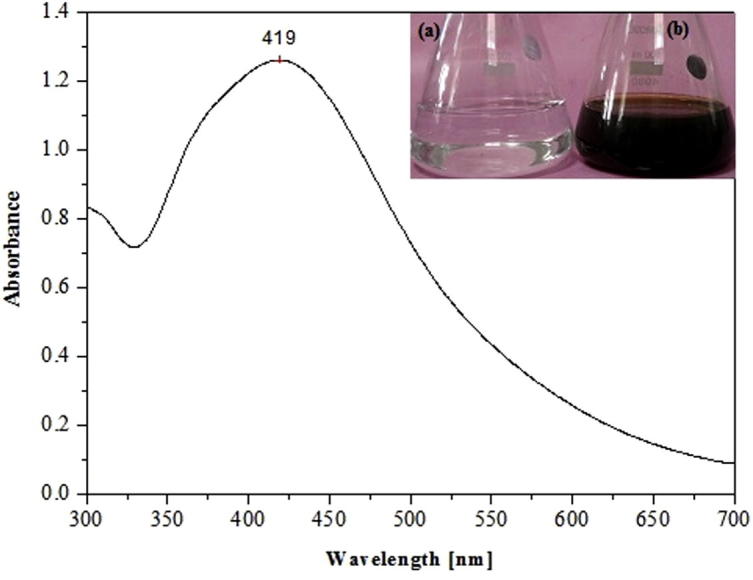
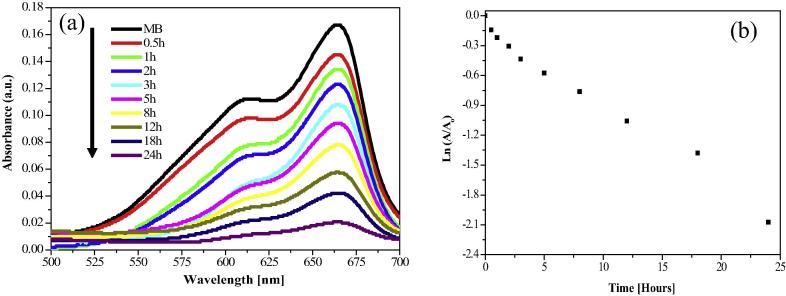
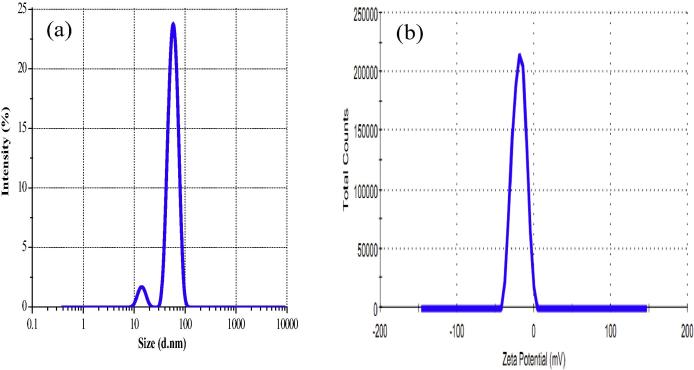
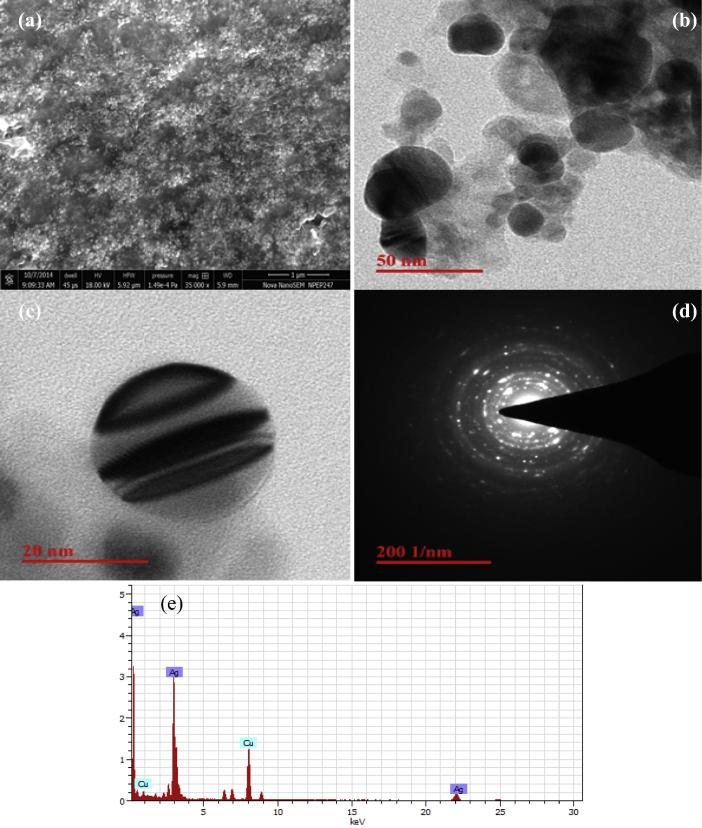
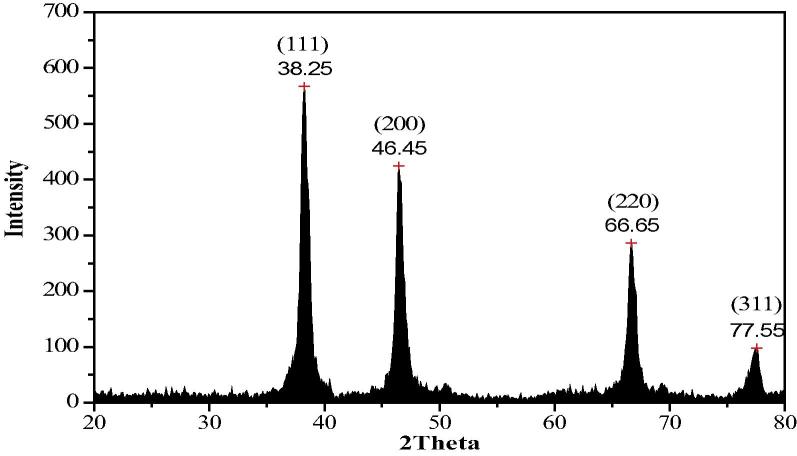
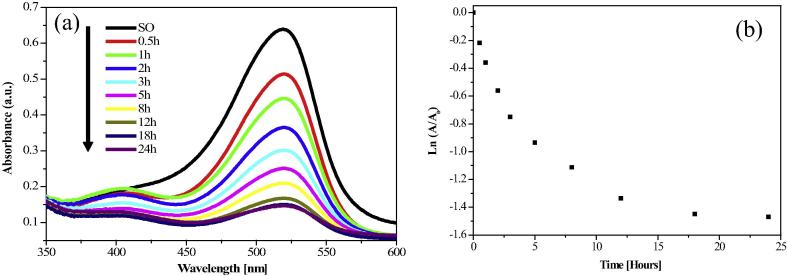
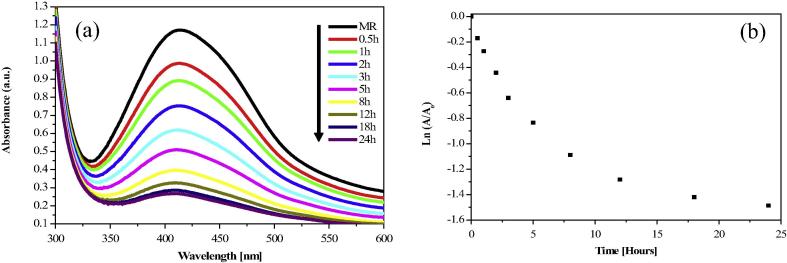
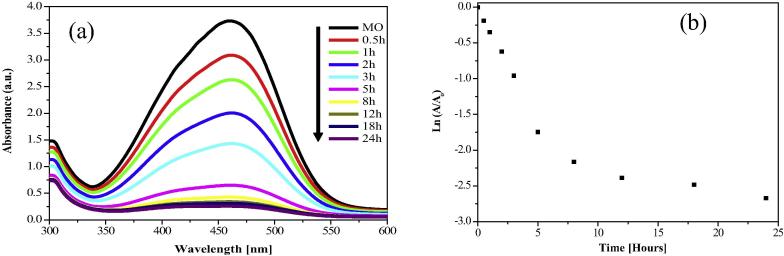
Today, discharge of hazardous dyes from textile industries in water bodies like lakes, rivers and groundwater has become a serious problem, which contributes to increase their pollution levels significantly. These pollutants are difficult to remove by traditional water treatment procedures. Thus, there is a need to develop more suitable methods of effluent treatment. Here, we describe use of green-synthesized nanostructured silver particles in degradation of hazardous dyes like Safranine O, Methyl red, Methyl orange and Methylene blue etc. The silver nanoparticles (AgNPs) used as nanocatalysts were synthesized using leaves. The reduction of silver ions and the formation of AgNPs have been assessed by UV-Vis spectroscopy. DLS, SEM-EDX, TEM, SAED and XRD studies revealed that the AgNPs were crystalline in nature with size range from 15 to 50 nm. The report emphasizes that the AgNPs are observed to be an excellent catalyst on reduction of hazardous dyes, which is confirmed by a decrease in absorbance maximum values.
如今,纺织工业向湖泊、河流和地下水等水体排放有害染料已成为一个严重问题,这显著加剧了水体的污染程度。这些污染物难以通过传统的水处理程序去除。因此,需要开发更合适的废水处理方法。在此,我们描述了绿色合成的纳米结构银颗粒在降解诸如番红花红O、甲基红、甲基橙和亚甲基蓝等有害染料中的应用。用作纳米催化剂的银纳米颗粒(AgNPs)是利用树叶合成的。通过紫外可见光谱法评估了银离子的还原和AgNPs的形成。动态光散射(DLS)、扫描电子显微镜-能谱仪(SEM-EDX)、透射电子显微镜(TEM)、选区电子衍射(SAED)和X射线衍射(XRD)研究表明,AgNPs本质上是晶体,尺寸范围为15至50纳米。该报告强调,观察到AgNPs在还原有害染料方面是一种优异的催化剂,这通过最大吸收值的降低得到了证实。