Department of Pediatrics, Mackay Memorial Hospital, Taipei 10449, Taiwan.
Department of Medicine and Institute of Biomedical Sciences, Mackay Medical College, New Taipei 25245, Taiwan.
Cells. 2019 Jan 17;8(1):65. doi: 10.3390/cells8010065.
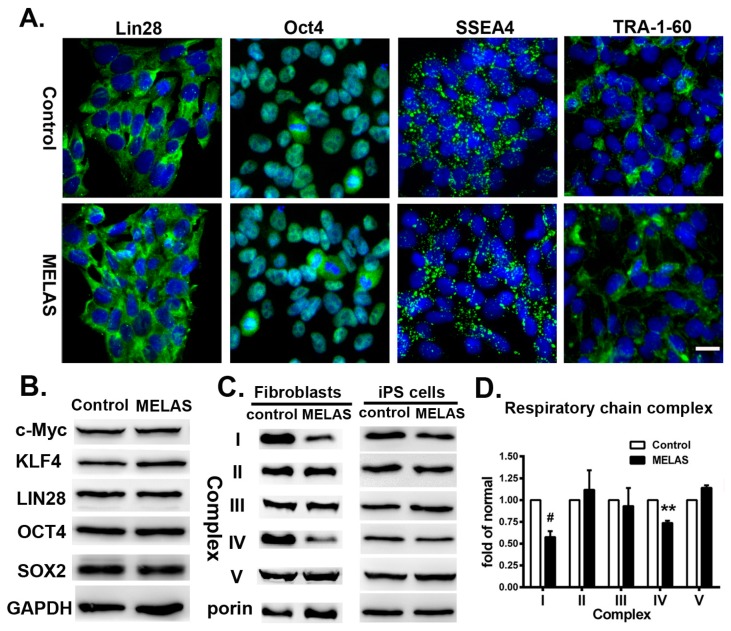
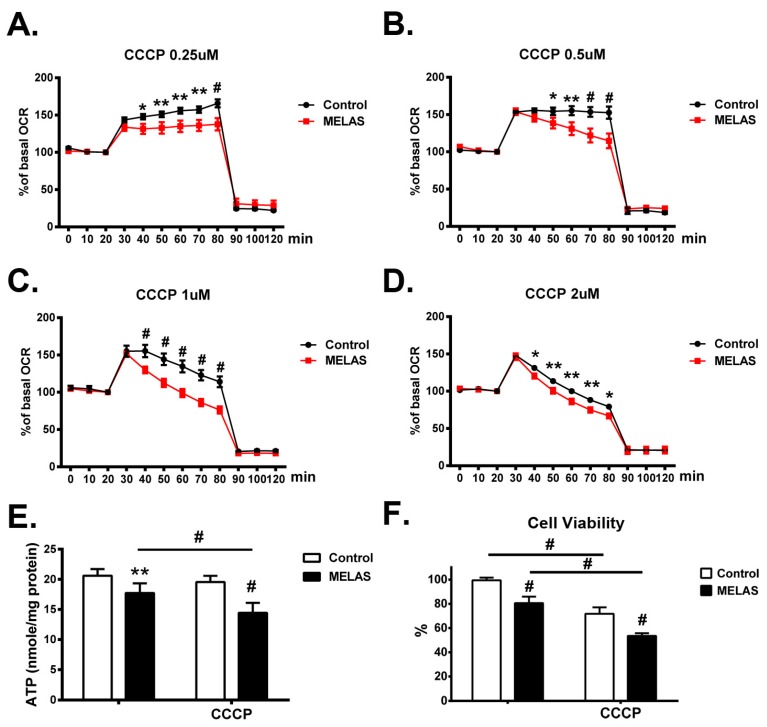
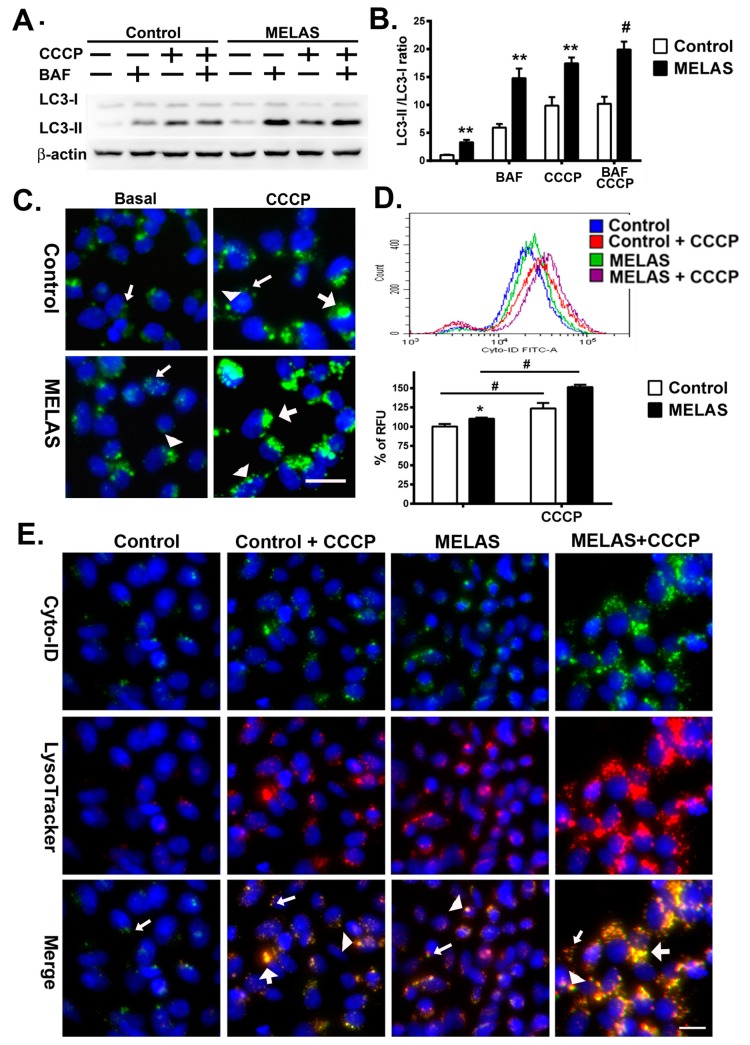
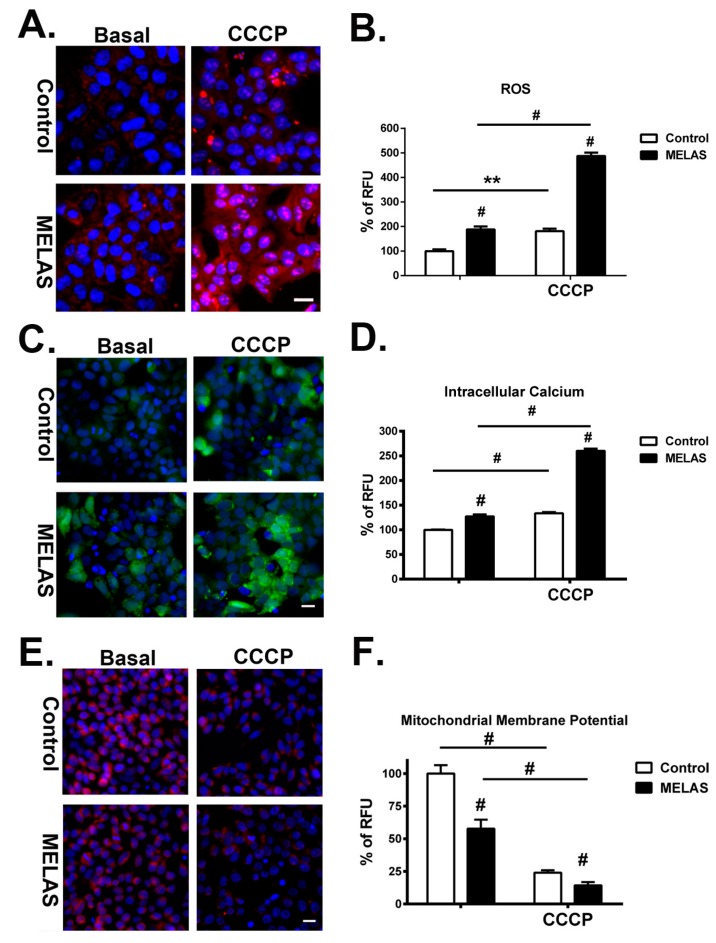
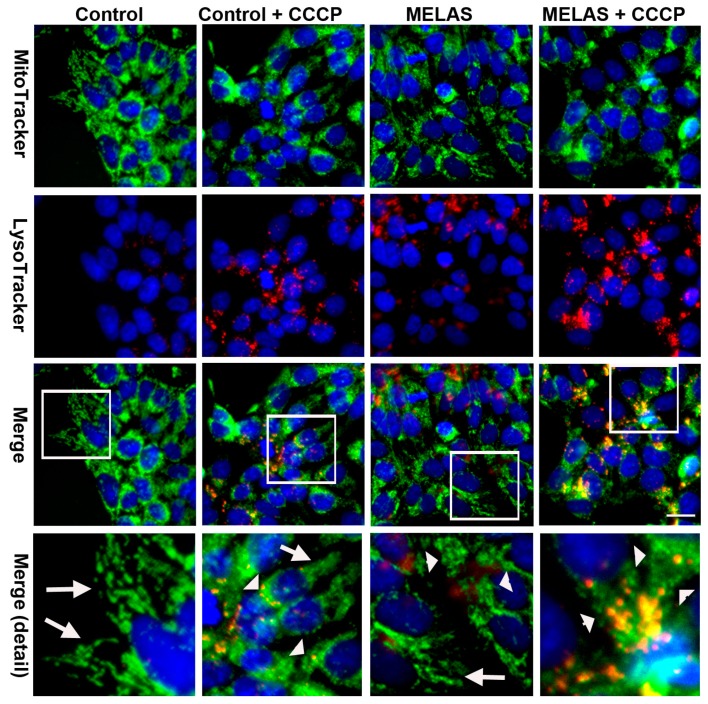
Dysfunction of mitochondria causes defects in oxidative phosphorylation system (OXPHOS) and increased production of reactive oxygen species (ROS) triggering the activation of the cell death pathway that underlies the pathogenesis of aging and various diseases. The process of autophagy to degrade damaged cytoplasmic components as well as dysfunctional mitochondria is essential for ensuring cell survival. We analyzed the role of autophagy inpatient-specific induced pluripotent stem (iPS) cells generated from fibroblasts of patients with mitochondrial encephalomyopathy, lactic acidosis, and stroke-like episodes (MELAS) with well-characterized mitochondrial DNA mutations and distinct OXPHOS defects. MELAS iPS cells recapitulated the pathogenesis of MELAS syndrome, and showed an increase of autophagy in comparison with its isogenic normal counterpart, whereas mitophagy is very scarce at the basal condition. Our results indicated that the existence of pathogenic mtDNA alone in mitochondrial disease was not sufficient to elicit the degradation of dysfunctional mitochondria. Nonetheless, oxidative insults induced bulk macroautophagy with the accumulation of autophagosomes and autolysosomes upon marked elevation of ROS, overload of intracellular calcium, and robust depolarization of mitochondrial membrane potential, while mitochondria respiratory function was impaired and widespread mitophagy compromised cell viability. Collectively, our studies provide insights into the dysfunction of autophagy and activation of mitophagy contributing to the pathological mechanism of mitochondrial disease.
线粒体功能障碍导致氧化磷酸化系统 (OXPHOS) 缺陷和活性氧 (ROS) 产生增加,触发细胞死亡途径的激活,这是衰老和各种疾病发病机制的基础。自噬降解细胞质损伤成分和功能失调的线粒体的过程对于确保细胞存活至关重要。我们分析了自噬在患者特异性诱导多能干细胞 (iPS 细胞) 中的作用,这些细胞是从小鼠成纤维细胞中产生的,这些细胞具有特征性的线粒体 DNA 突变和明显的 OXPHOS 缺陷。MELAS iPS 细胞再现了 MELAS 综合征的发病机制,与同基因正常对照相比,自噬增加,而基础条件下的线粒体自噬非常稀少。我们的结果表明,线粒体疾病中致病性 mtDNA 的存在本身不足以引发功能失调的线粒体的降解。尽管如此,氧化应激会诱导大量巨自噬,导致自噬体和自溶体的积累,同时伴随着 ROS 的显著升高、细胞内钙超载和线粒体膜电位的强烈去极化,而线粒体呼吸功能受损和广泛的线粒体自噬会影响细胞活力。总之,我们的研究深入了解了自噬功能障碍和线粒体自噬的激活,这有助于阐明线粒体疾病的病理机制。