Department of Mechanical Engineering, University of South Carolina, 300 Main Street, Columbia, SC 29208, USA.
Department of Mechanical Engineering, College of Engineering, Thi-Qar University, Nasiriyah 64001, Iraq.
Sensors (Basel). 2019 Jan 18;19(2):383. doi: 10.3390/s19020383.
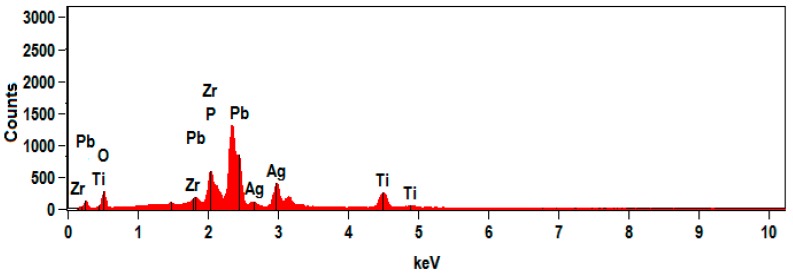
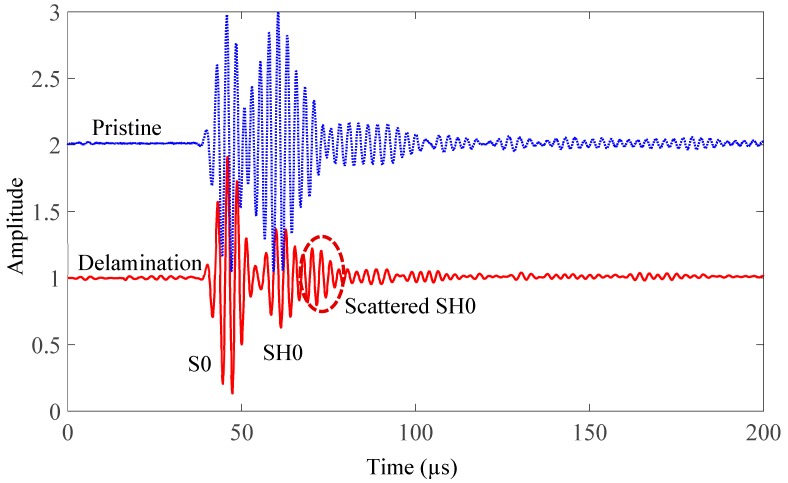
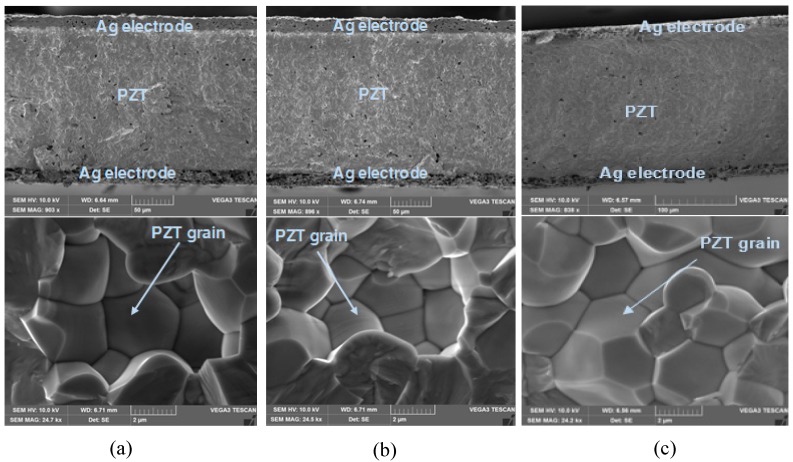
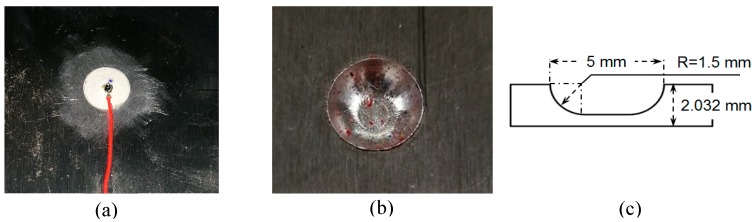
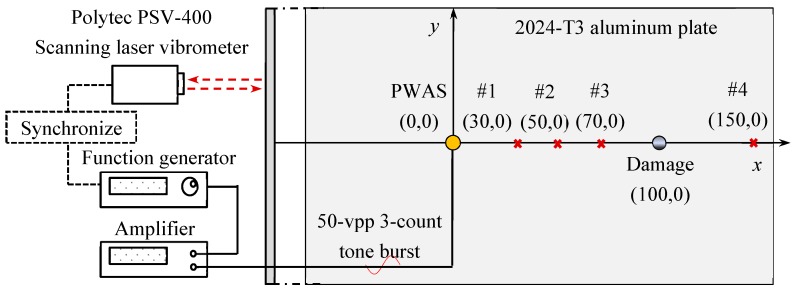
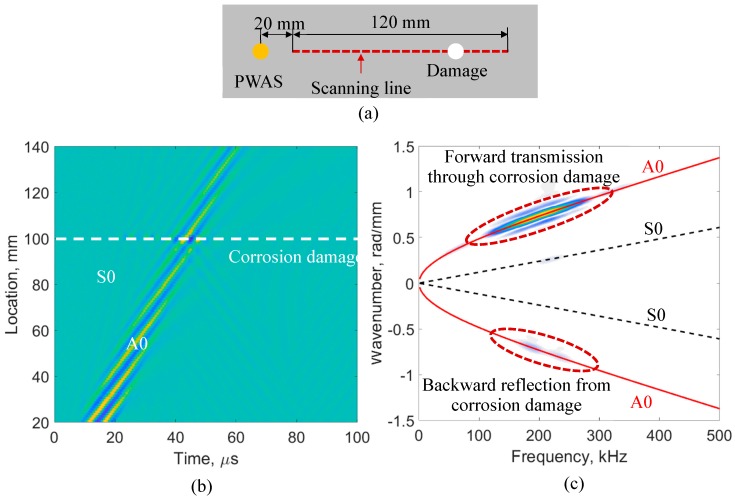
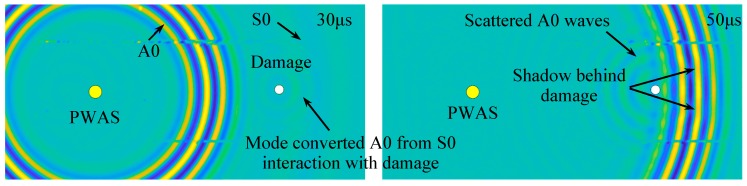
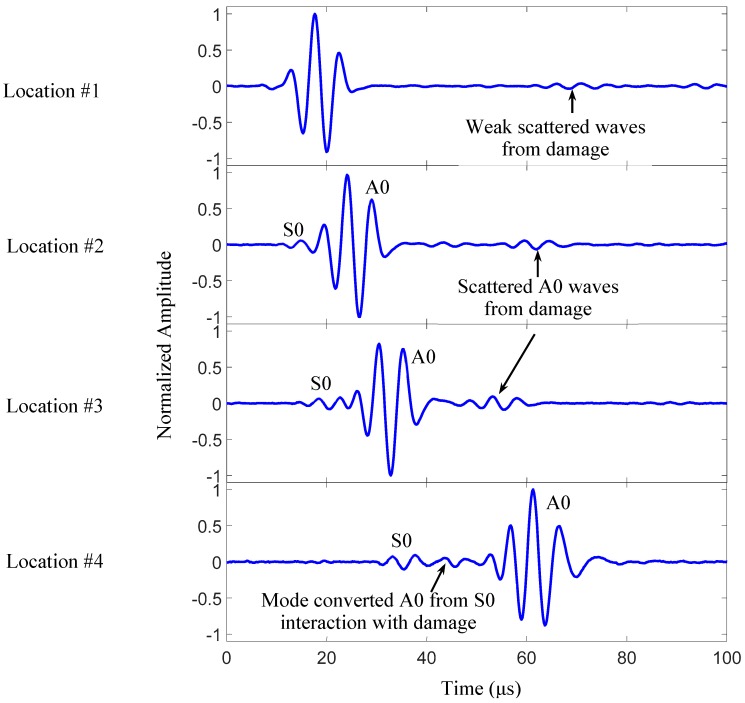
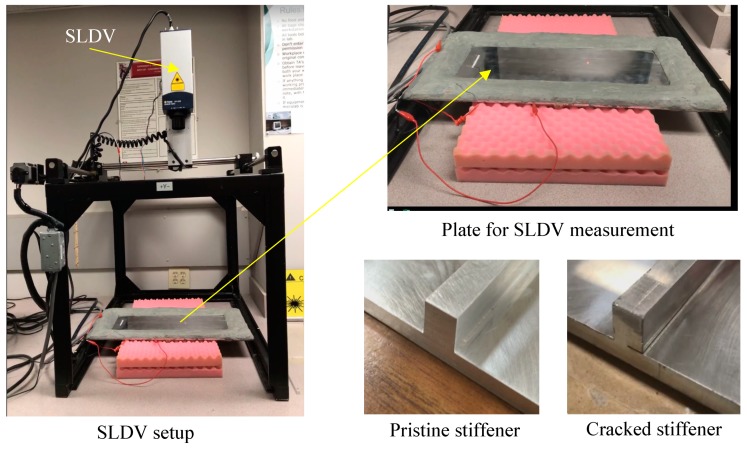
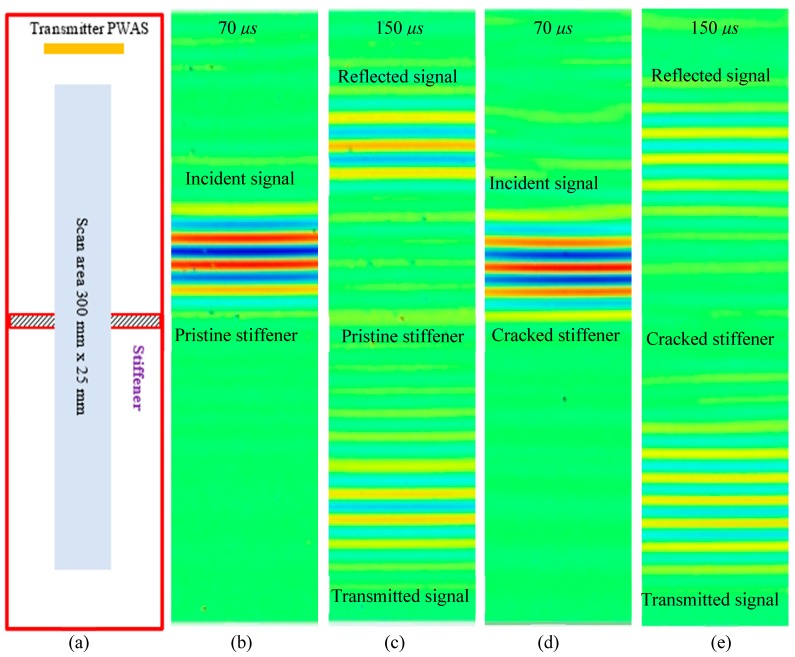
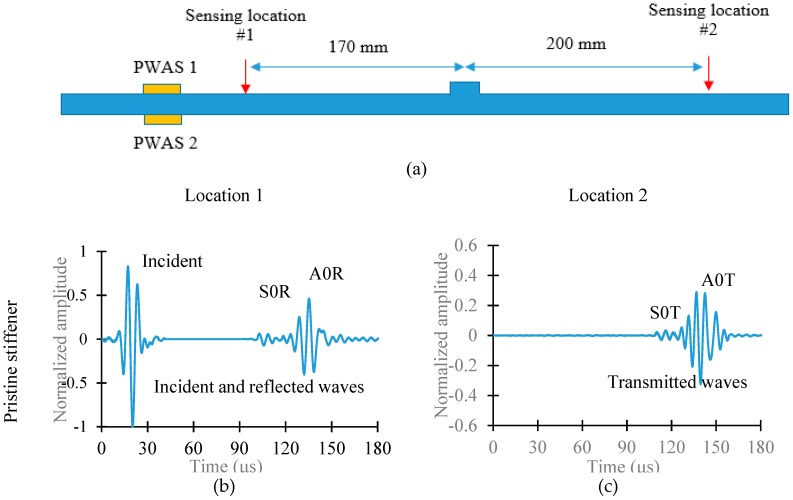
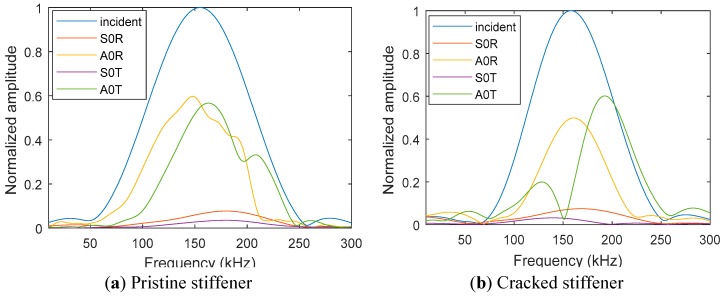
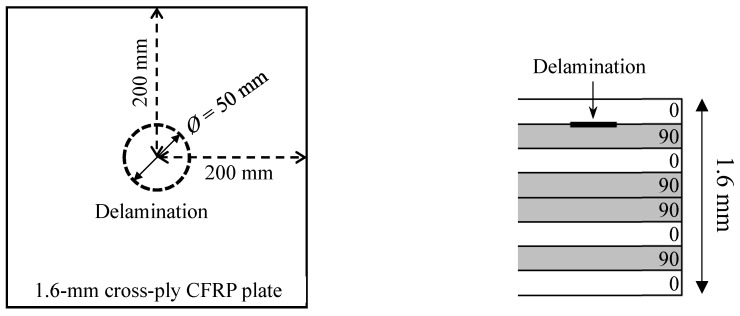
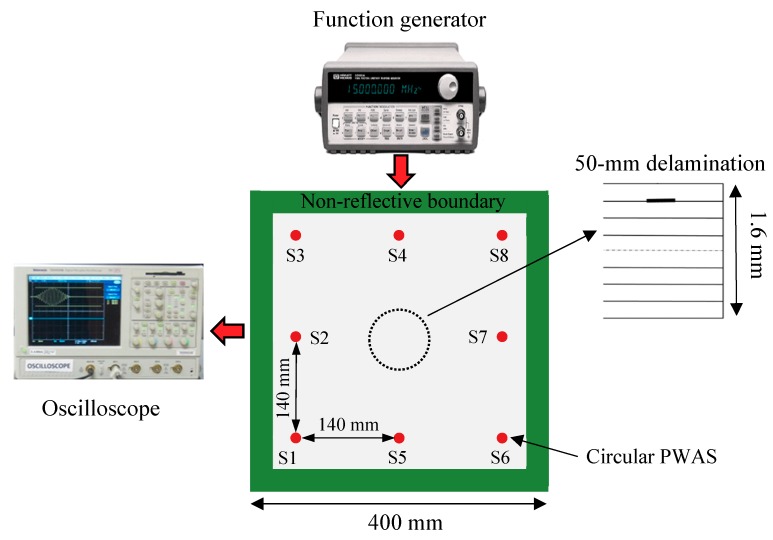
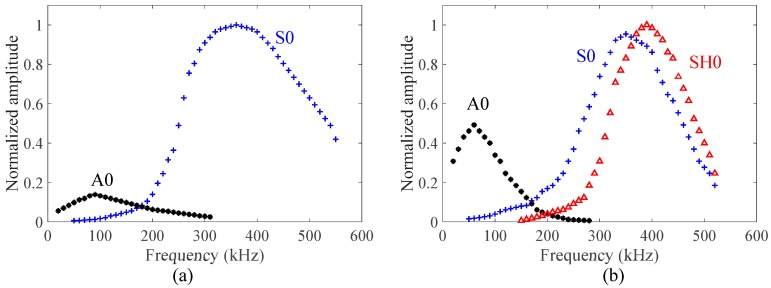
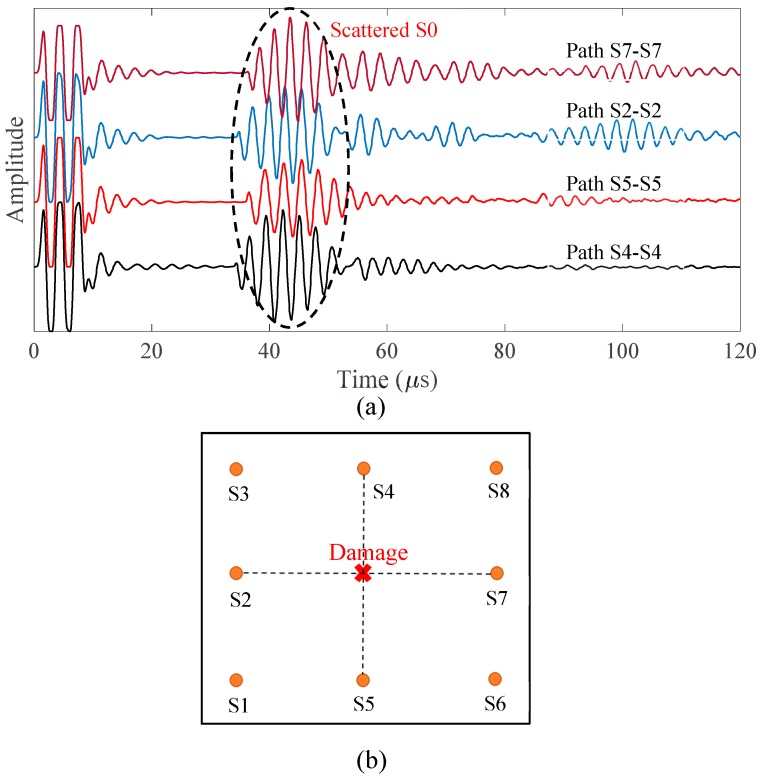
In this paper, some recent piezoelectric wafer active sensors (PWAS) progress achieved in our laboratory for active materials and smart structures (LAMSS) at the University of South Carolina: http: //www.me.sc.edu/research/lamss/ group is presented. First, the characterization of the PWAS materials shows that no significant change in the microstructure after exposure to high temperature and nuclear radiation, and the PWAS transducer can be used in harsh environments for structural health monitoring (SHM) applications. Next, PWAS active sensing of various damage types in aluminum and composite structures are explored. PWAS transducers can successfully detect the simulated crack and corrosion damage in aluminum plates through the wavefield analysis, and the simulated delamination damage in composite plates through the damage imaging method. Finally, the novel use of PWAS transducers as acoustic emission (AE) sensors for in situ AE detection during fatigue crack growth is presented. The time of arrival of AE signals at multiple PWAS transducers confirms that the AE signals are originating from the crack, and that the amplitude decay due to geometric spreading is observed.
本文介绍了南卡罗来纳大学 LAMSS 实验室(Laboratory for Active Materials and Smart Structures)在压电片主动传感器(PWAS)方面的最新进展:http: //www.me.sc.edu/research/lamss/ 。首先,PWAS 材料的特性分析表明,其在高温和核辐射环境下的微观结构没有明显变化,PWAS 换能器可用于结构健康监测(SHM)等恶劣环境。其次,研究了 PWAS 主动传感在铝合金和复合材料结构中的各种损伤类型。通过波场分析,PWAS 换能器可以成功检测铝板中的模拟裂纹和腐蚀损伤,通过损伤成像方法检测复合材料板中的分层损伤。最后,提出了将 PWAS 换能器作为声发射(AE)传感器用于疲劳裂纹扩展过程中的原位 AE 检测的新方法。多个 PWAS 换能器接收到的 AE 信号的到达时间证实了 AE 信号来自裂纹,并且观察到由于几何扩展导致的幅度衰减。