Mori Shumpei, Tretter Justin T, Spicer Diane E, Bolender David L, Anderson Robert H
Division of Cardiovascular Medicine, Department of Internal Medicine, Kobe University Graduate School of Medicine, Kobe, Japan.
Heart Institute, Cincinnati Children's Hospital Medical Center, Cincinnati, Ohio.
Clin Anat. 2019 Apr;32(3):288-309. doi: 10.1002/ca.23340. Epub 2019 Feb 13.
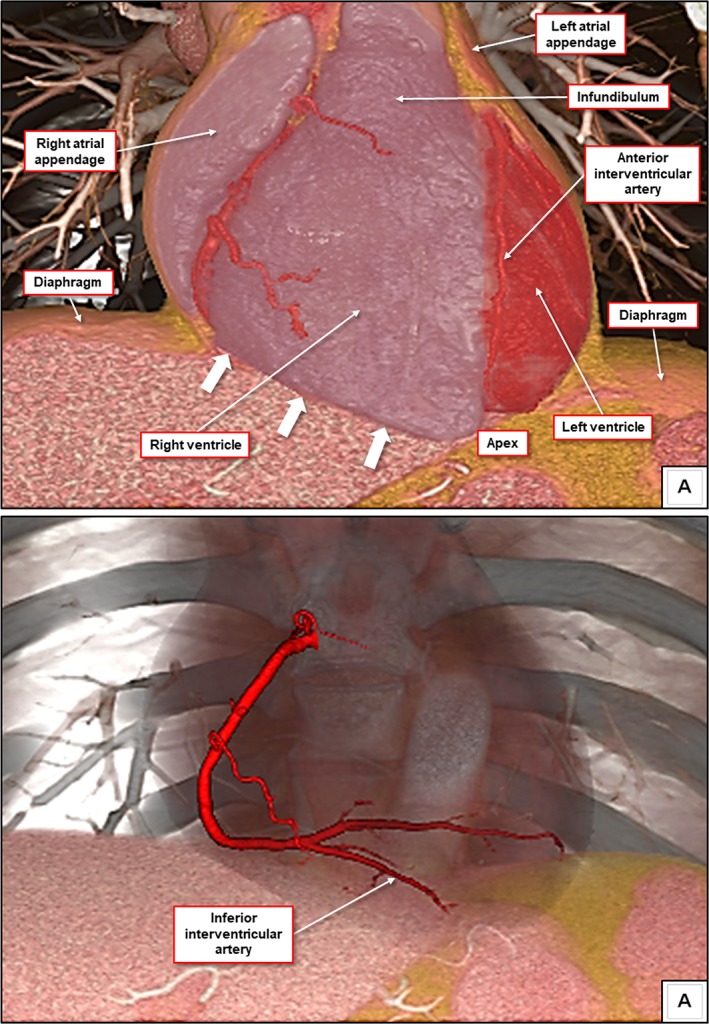
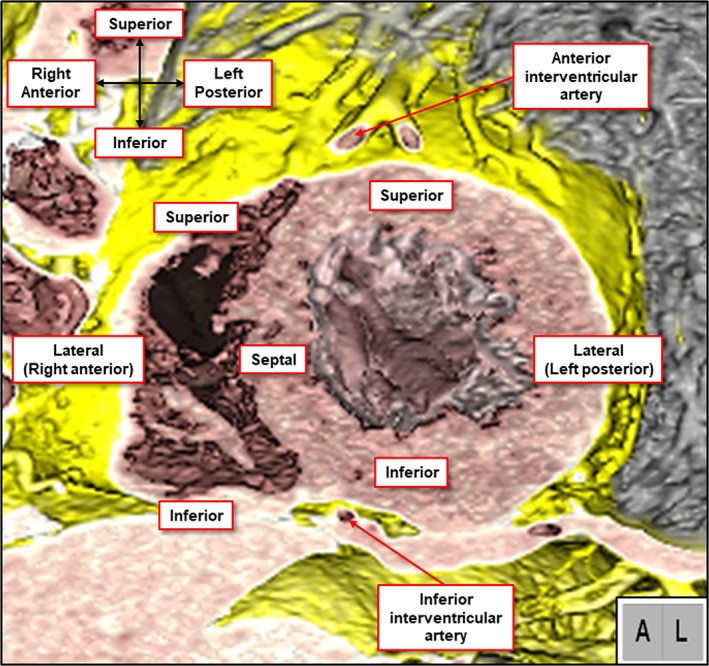
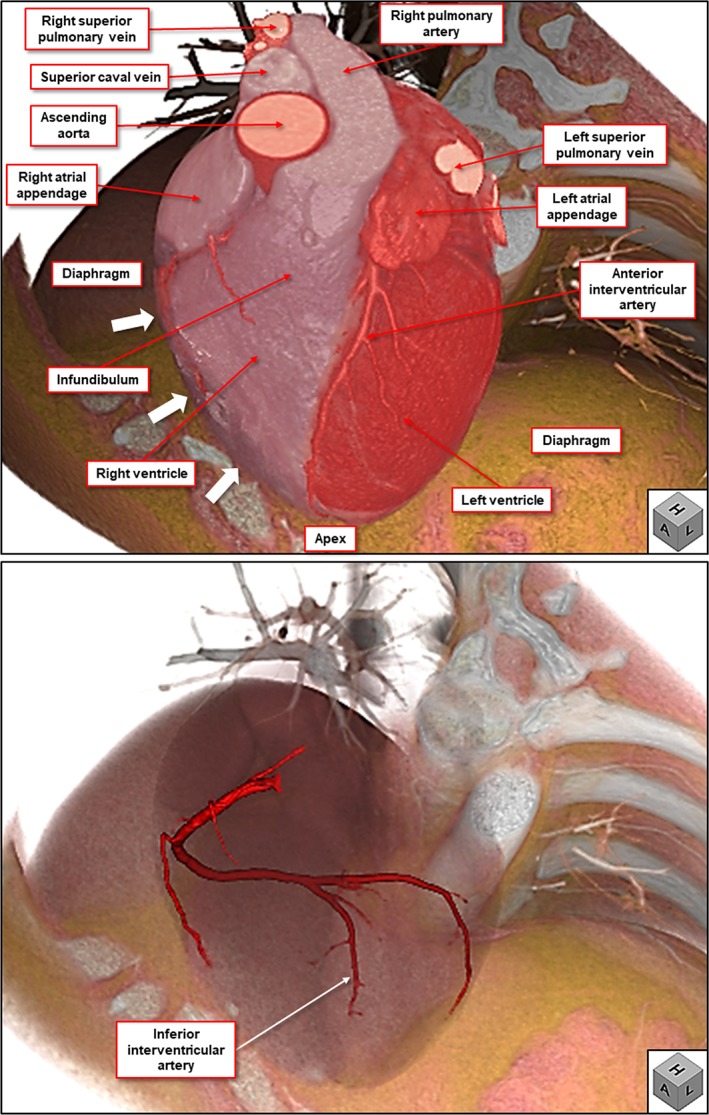
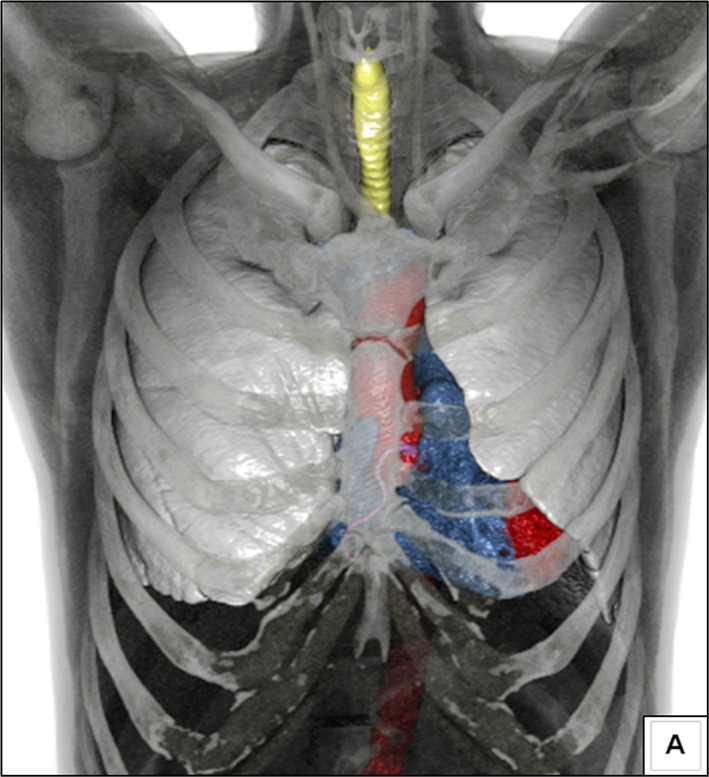
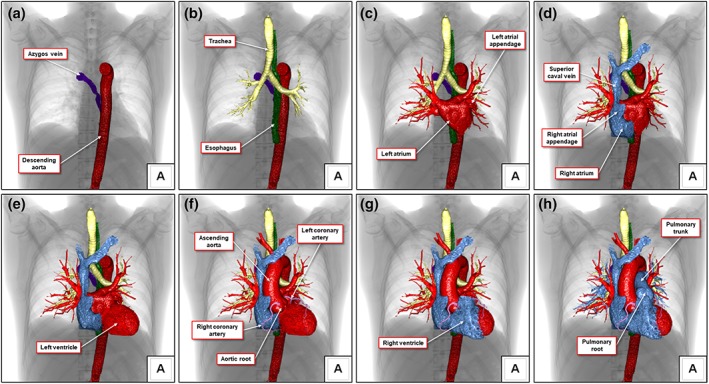
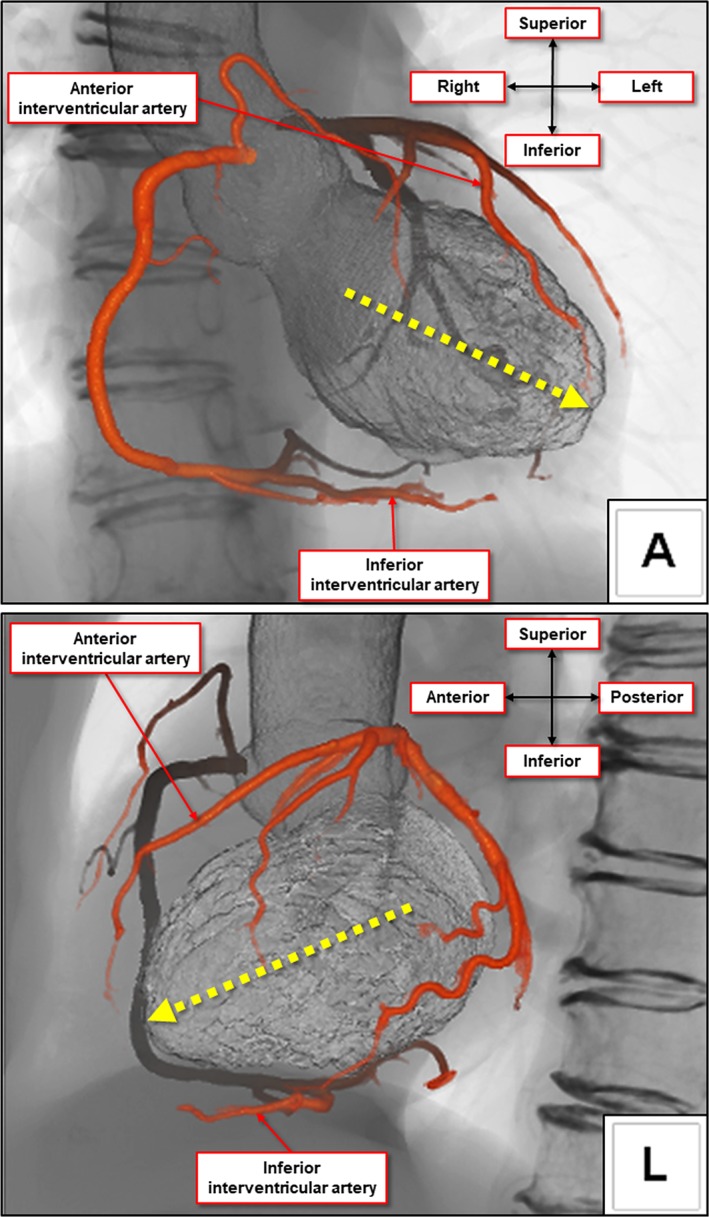
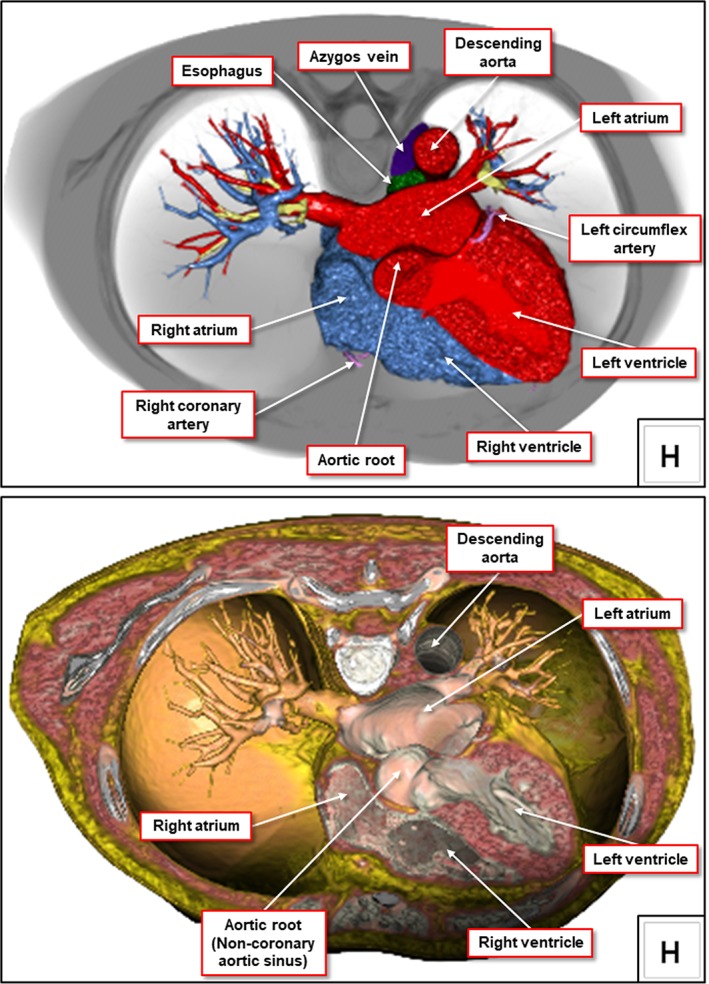
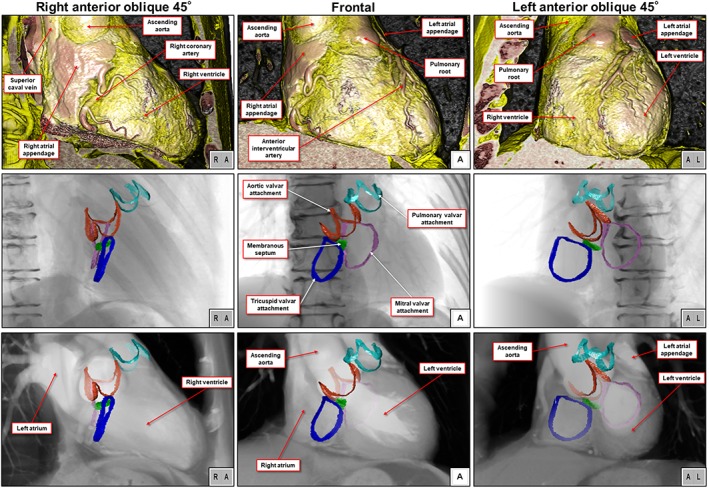
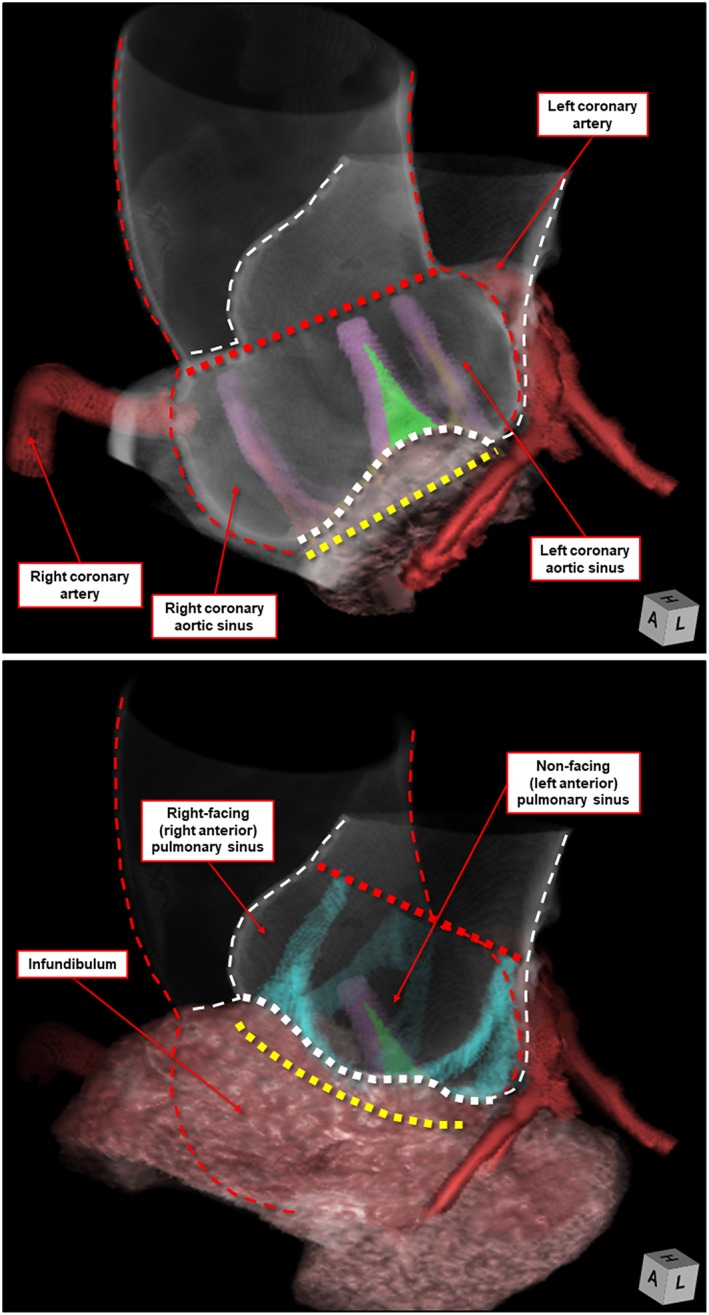
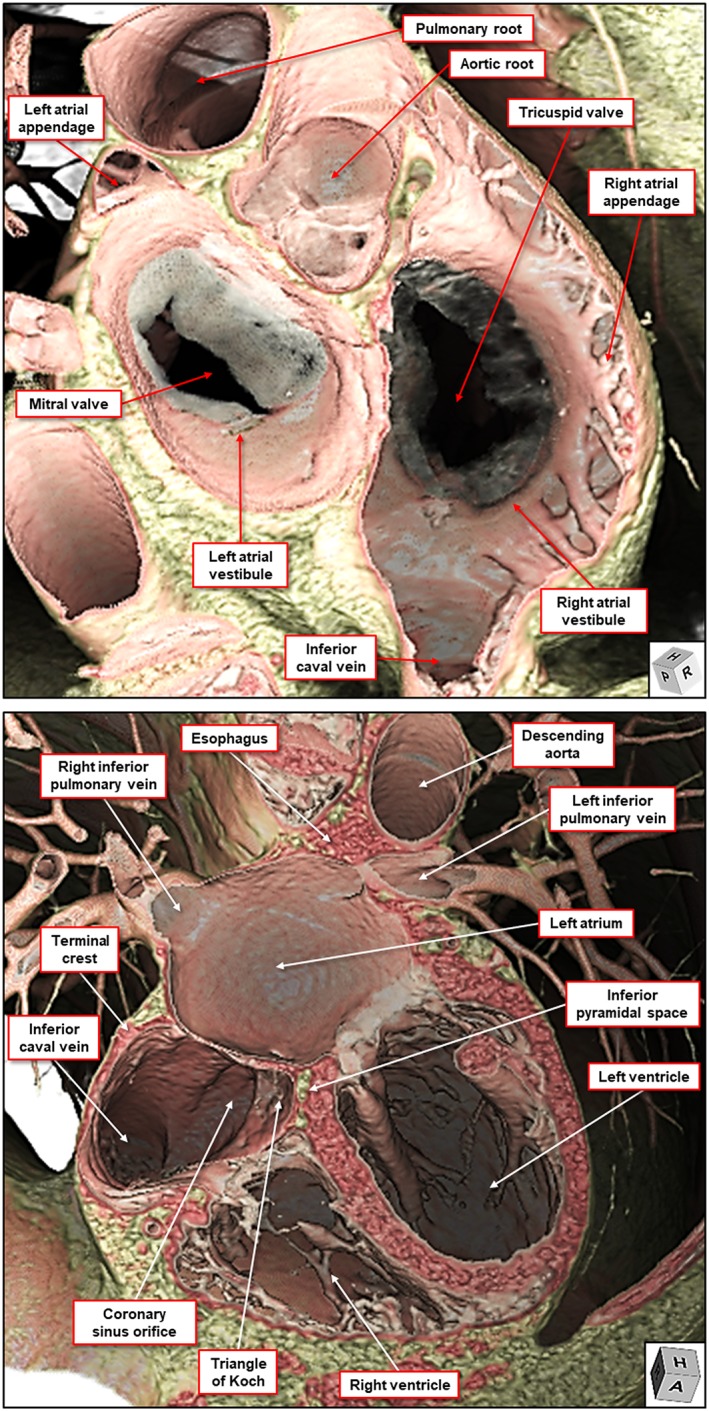
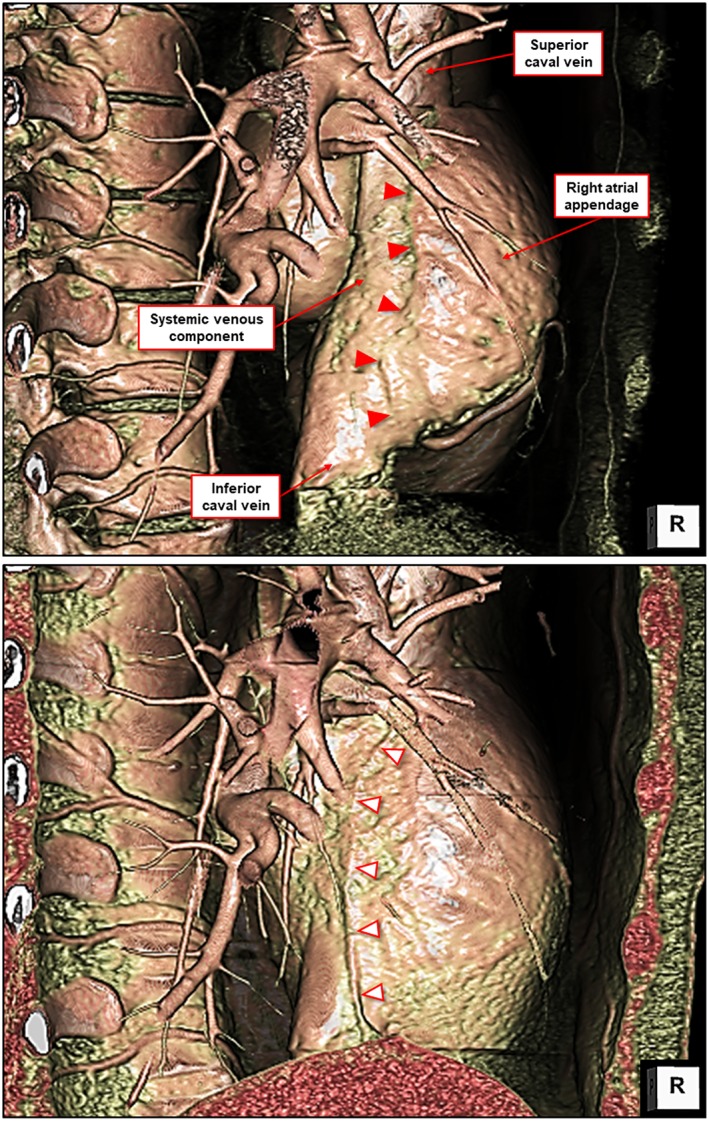
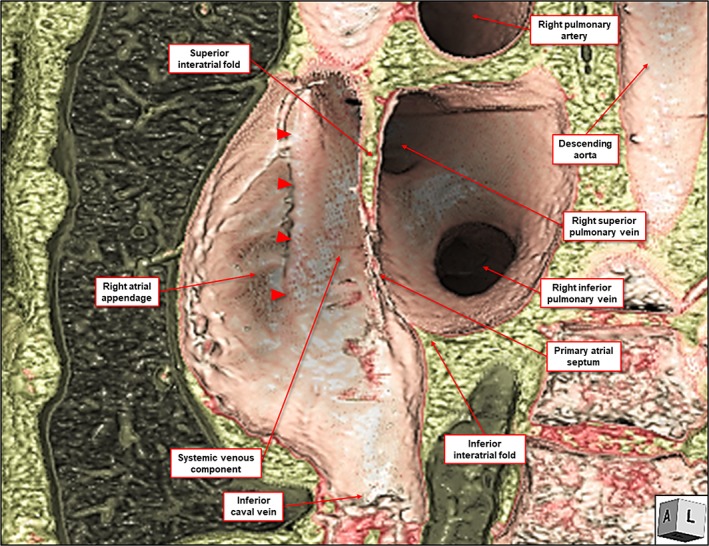
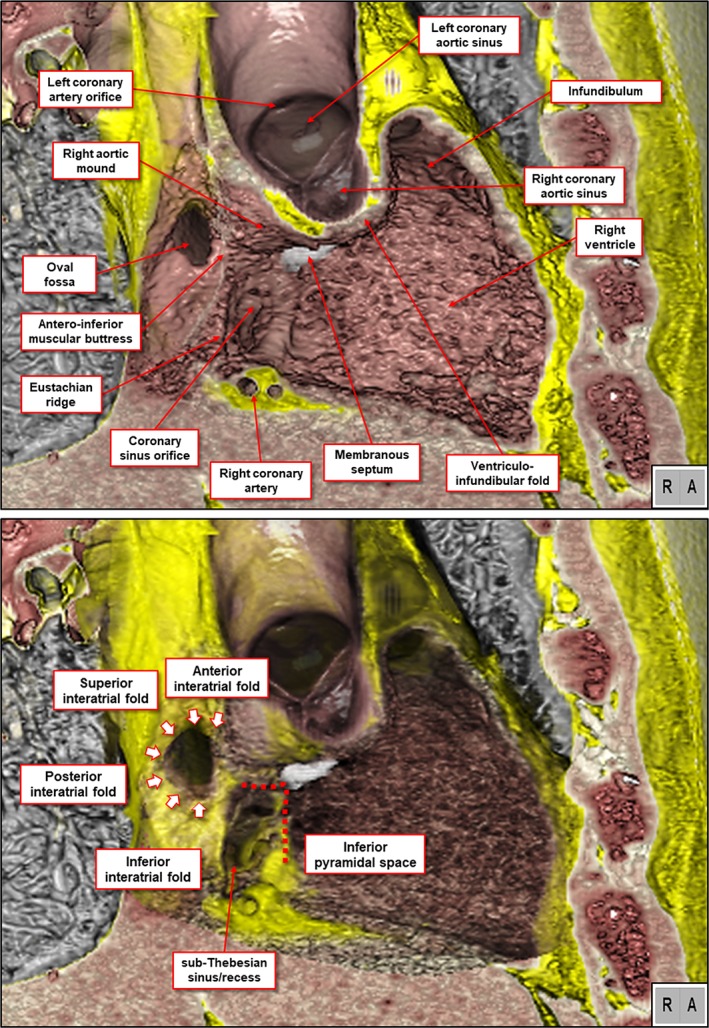
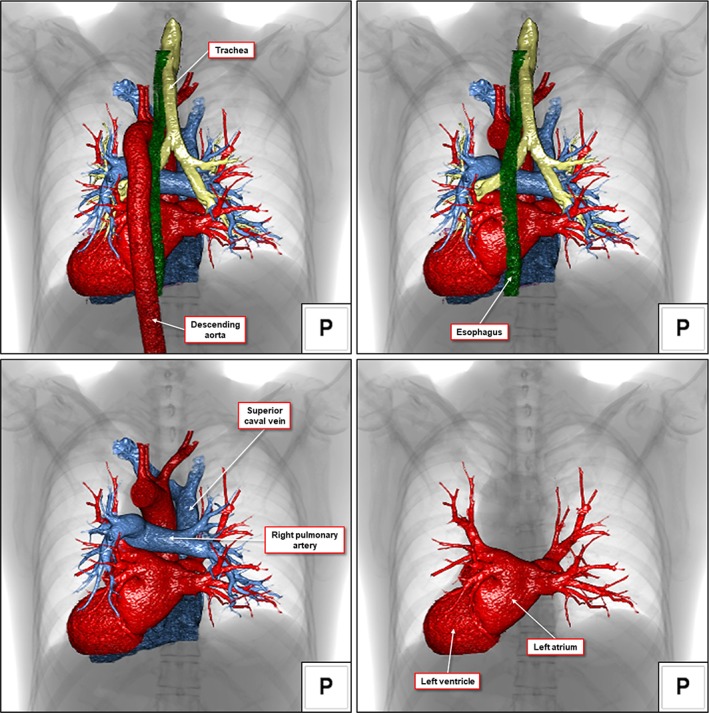
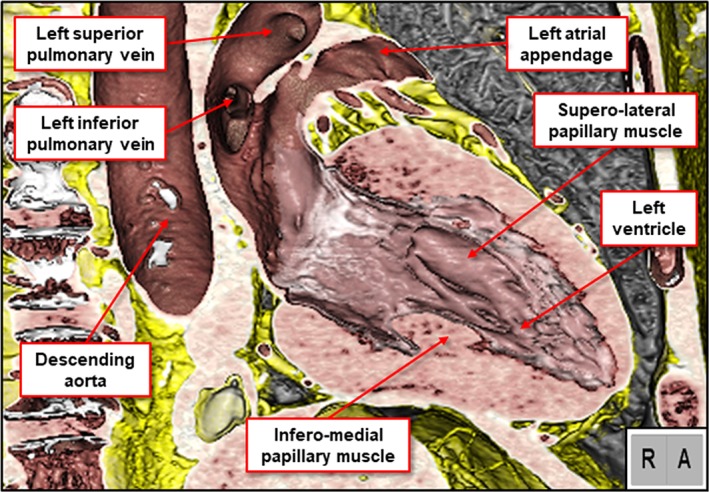
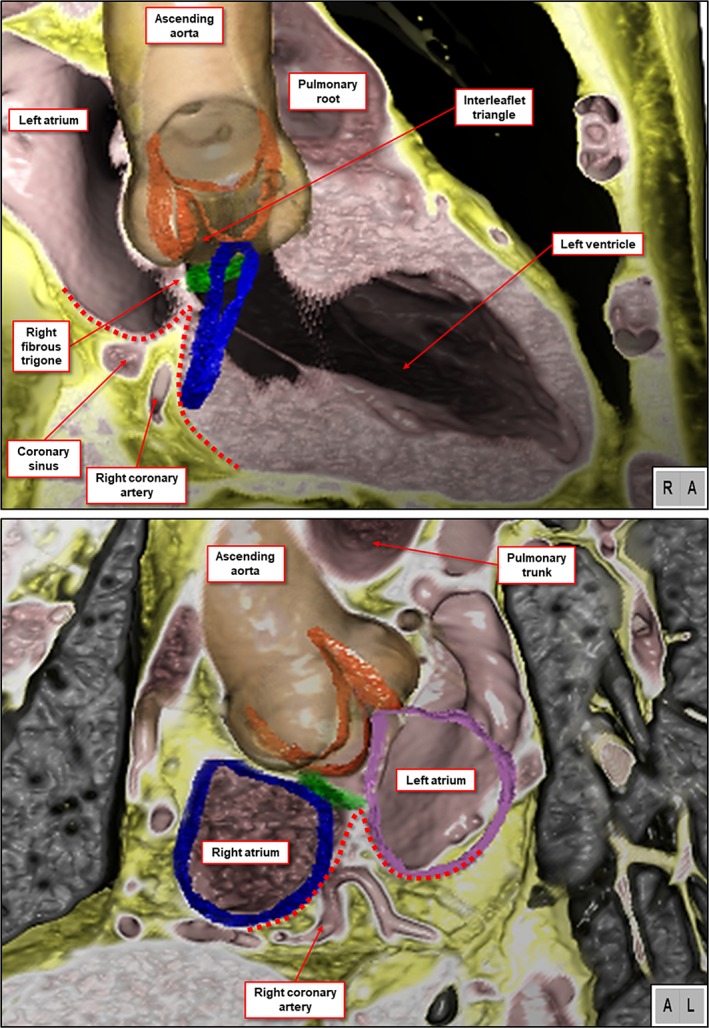
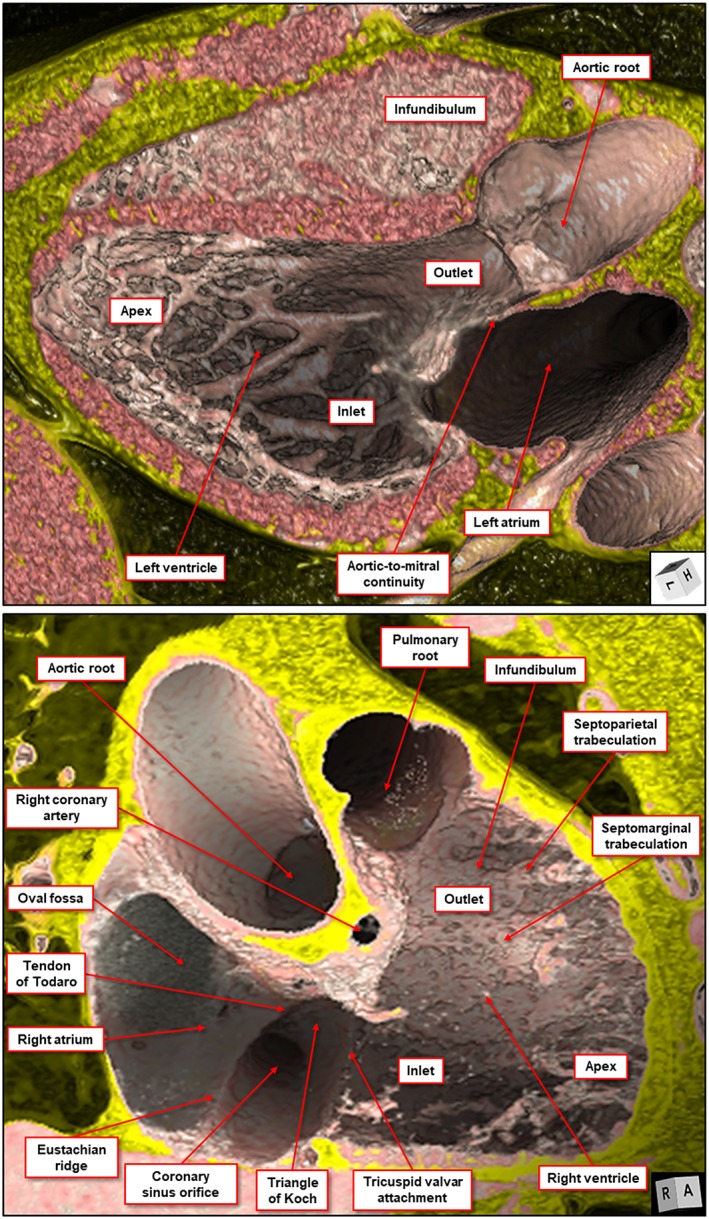
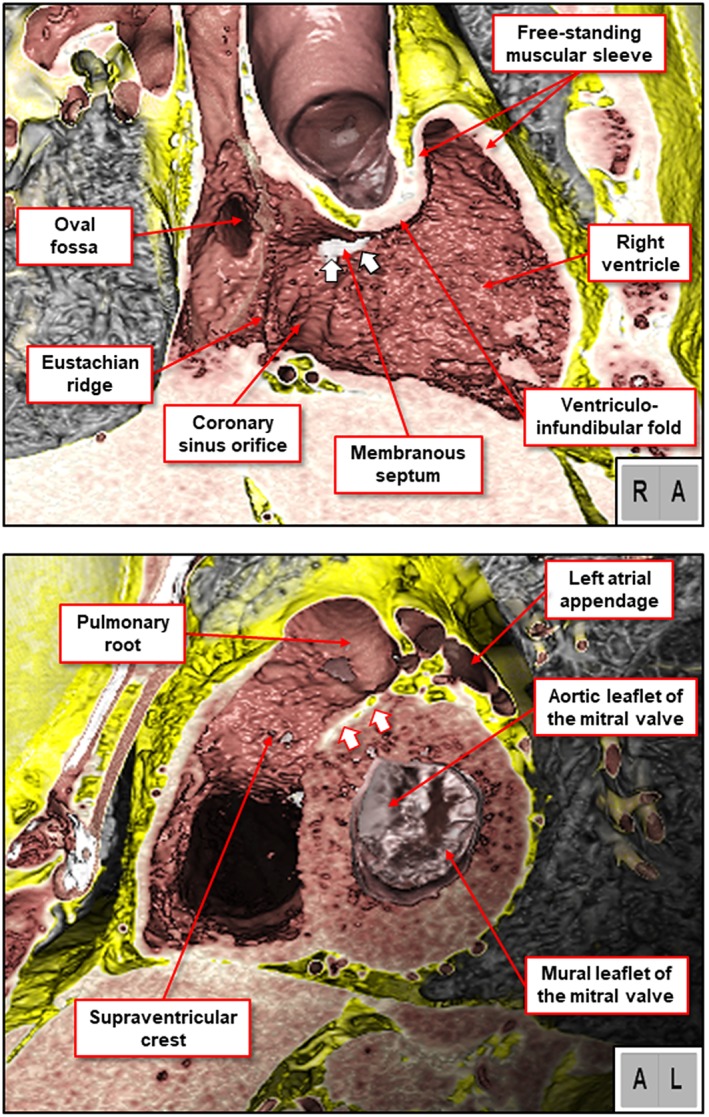
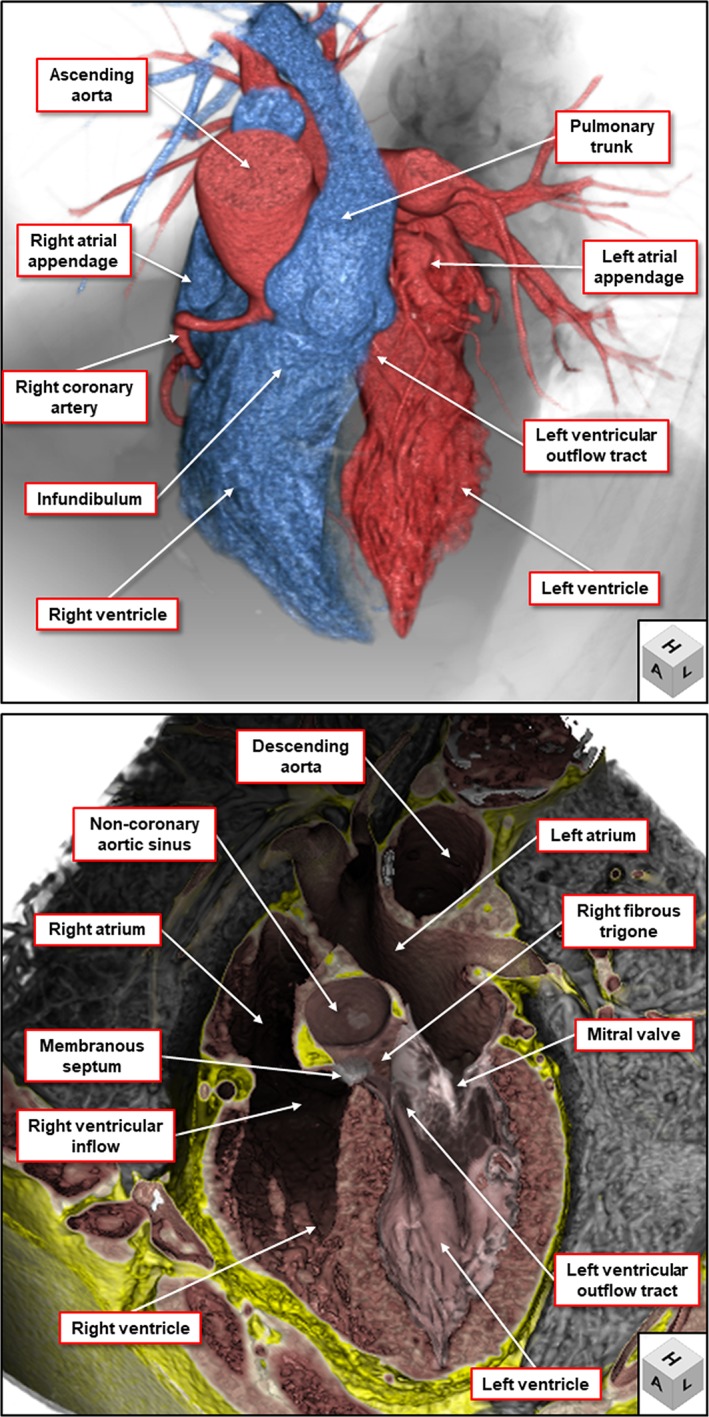
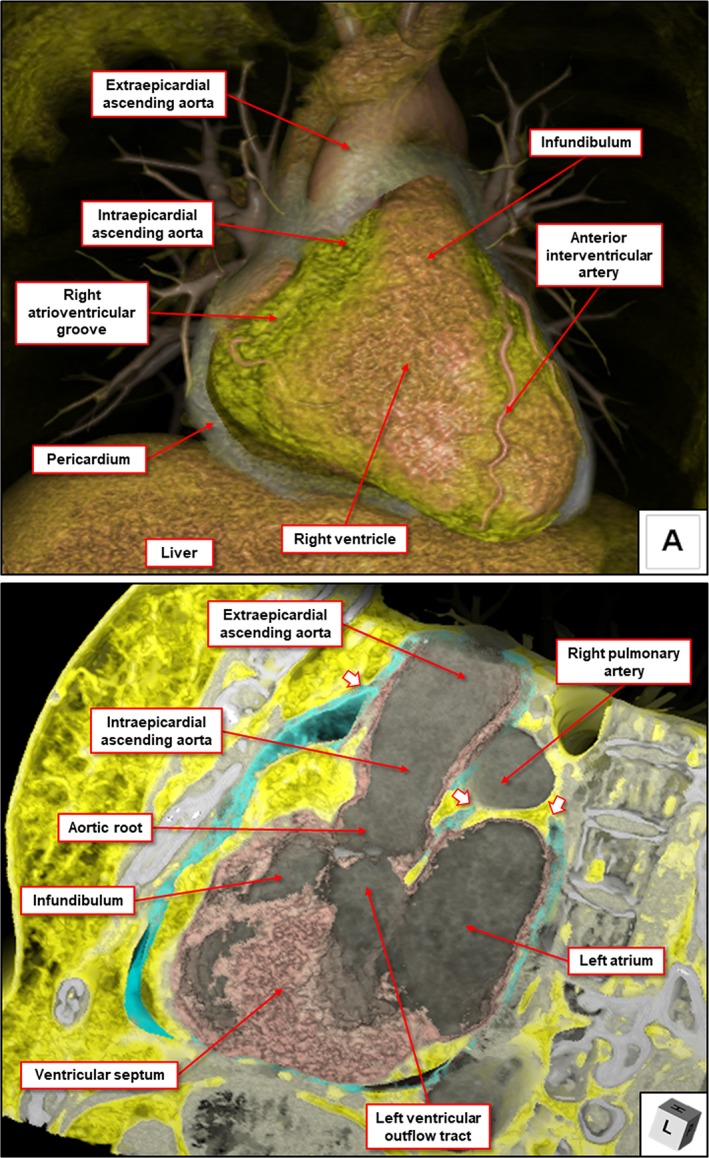
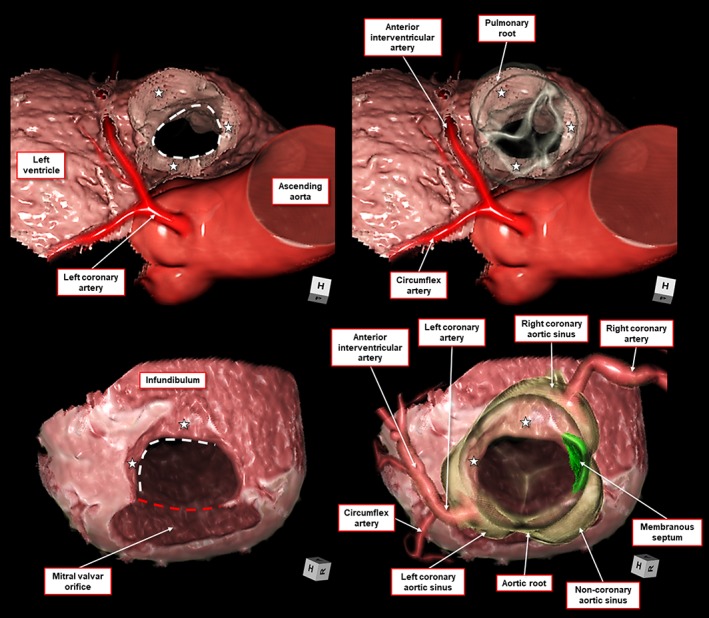
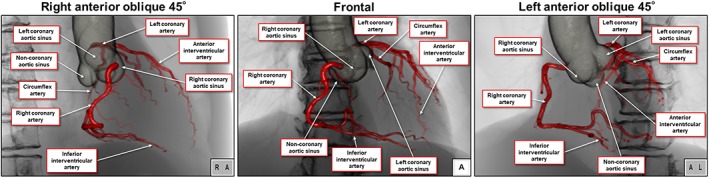
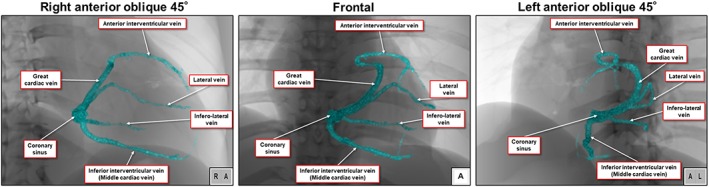
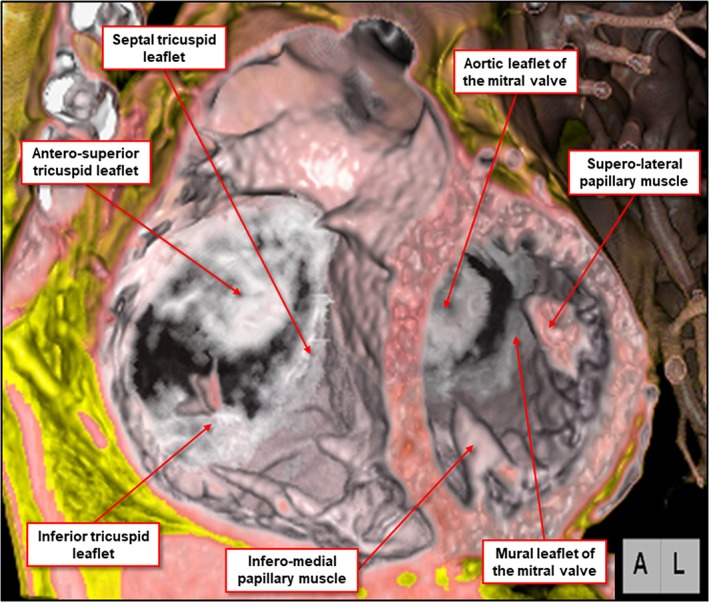
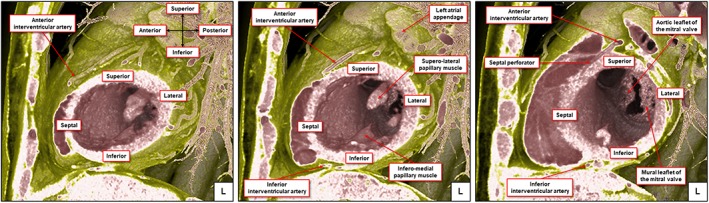
The heart is a remarkably complex organ. Teaching its details to medical students and clinical trainees can be very difficult. Despite the complexity, accurate recognition of these details is a pre-requisite for the subsequent understanding of clinical cardiologists and cardiac surgeons. A recent publication promoted the benefits of virtual reconstructions in facilitating the initial understanding achieved by medical students. If such teaching is to achieve its greatest value, the datasets used to provide the virtual images should themselves be anatomically accurate. They should also take note of a basic rule of human anatomy, namely that components of all organs should be described as they are normally situated within the body. It is almost universal at present for textbooks of anatomy to illustrate the heart as if removed from the body and positioned on its apex, the so-called Valentine situation. In the years prior to the emergence of interventional techniques to treat cardiac diseases, this approach was of limited significance. Nowadays, therapeutic interventions are commonplace worldwide. Advances in three-dimensional imaging technology, furthermore, now mean that the separate components of the heart can readily be segmented, and then shown in attitudinally appropriate fashion. In this review, we demonstrate how such virtual dissection of computed tomographic datasets in attitudinally appropriate fashion reveals the true details of cardiac anatomy. The virtual approach to teaching the arrangement of the cardiac components has much to commend it. If it is to be used, nonetheless, the anatomical details on which the reconstructions are based must be accurate. Clin. Anat. 32:288-309, 2019. © 2019 The Authors. Clinical Anatomy published by Wiley Periodicals, Inc. on behalf of American Association of Clinical Anatomists.
心脏是一个极其复杂的器官。向医学生和临床实习生讲授其细节可能非常困难。尽管复杂,但准确识别这些细节是临床心脏病学家和心脏外科医生后续理解的先决条件。最近的一篇出版物宣扬了虚拟重建在促进医学生初步理解方面的益处。如果这种教学要实现其最大价值,用于提供虚拟图像的数据集本身在解剖学上应该是准确的。它们还应注意人体解剖学的一条基本规则,即所有器官的组成部分都应按照其在体内的正常位置来描述。目前,解剖学教科书几乎普遍将心脏描绘成好像从身体中取出并置于心尖上,即所谓的“情人节姿势”。在治疗心脏病的介入技术出现之前的那些年里,这种方法的意义有限。如今,治疗性干预在全球都很常见。此外,三维成像技术的进步现在意味着心脏的各个组成部分可以很容易地被分割,然后以姿态合适的方式显示出来。在这篇综述中,我们展示了以姿态合适的方式对计算机断层扫描数据集进行这种虚拟解剖如何揭示心脏解剖学的真实细节。以虚拟方式教授心脏各组成部分的排列有很多值得称赞之处。然而,如果要使用它,重建所基于的解剖学细节必须准确。《临床解剖学》2019年第32卷:288 - 309页。© 2019作者。《临床解剖学》由威利期刊公司代表美国临床解剖学家协会出版。