Murata Yoshifumi, Maida Chieko, Kofuji Kyoko
Faculty of Pharmaceutical Science, Hokuriku University, Ho-3, Kanagawa-machi, Kanazawa 920-1181, Japan.
Materials (Basel). 2019 Jan 24;12(3):355. doi: 10.3390/ma12030355.
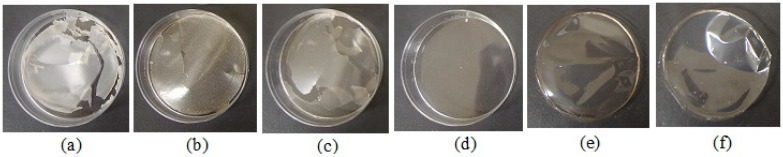
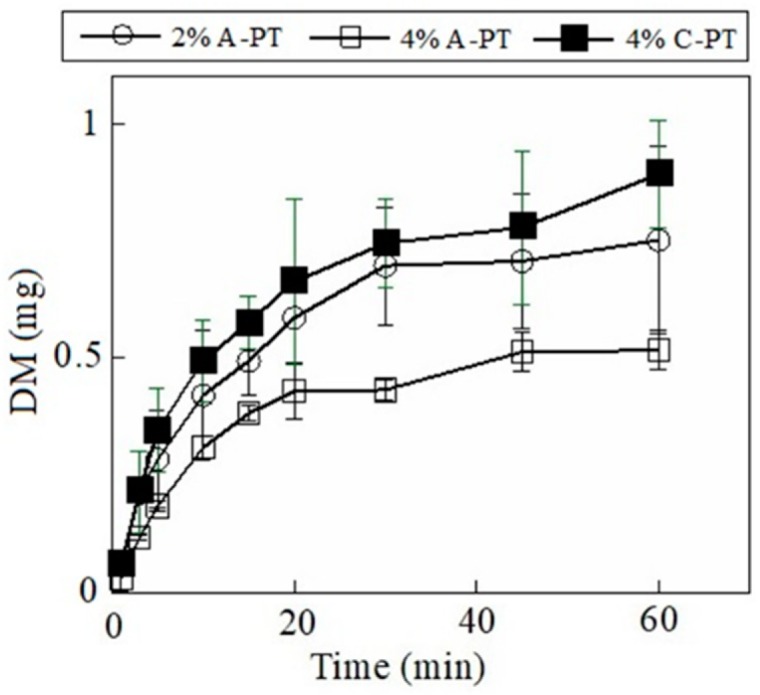
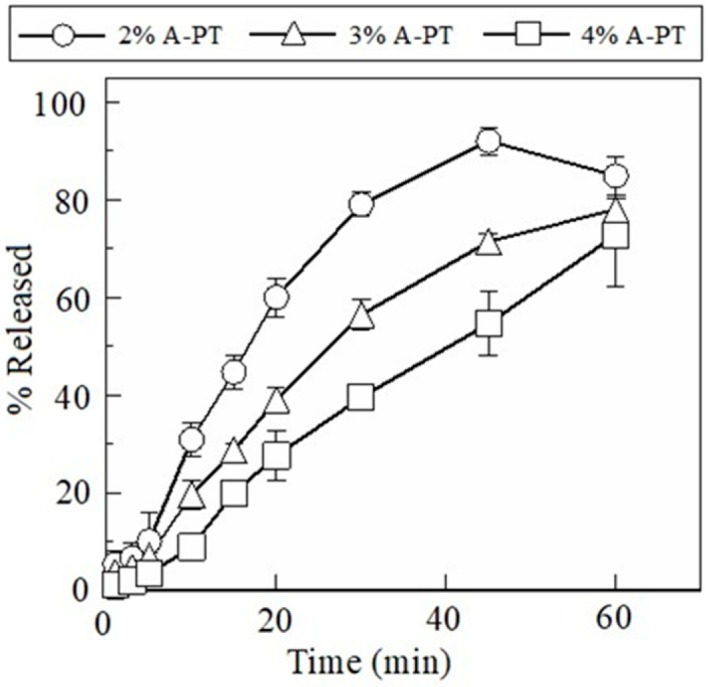
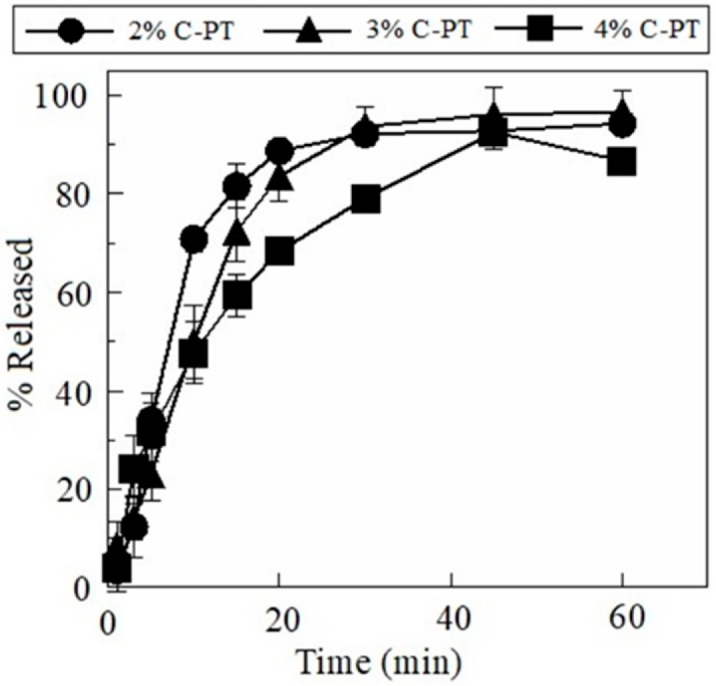
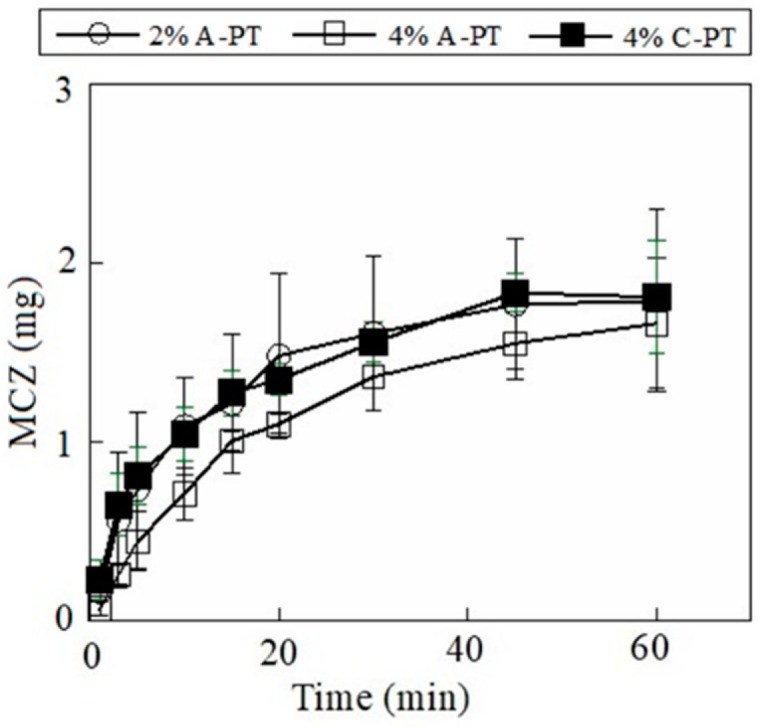
We assessed the disintegration profiles of the film dosage forms (FDs) prepared using pectin by measuring the amount of pectin dissolved from the films in a limited amount of aqueous medium. Furthermore, we used miconazole and dexamethasone as standard drugs and investigated the relationship between the disintegration rate of the FDs and the rate of drug release. We used two types of pectin in this study to develop thin films with a thickness of approximately 25⁻35 μm. The FDs gradually disintegrated in the aqueous medium, and the disintegration profile of the FDs differed depending on the types of pectin. In addition, the rate of disintegration of the film matrix affected the dissolution rate of the drug incorporated into the FD. Thus, our results show that FDs prepared using pectin are beneficial because of their high solubility in a limited amount of medium, and the rate of drug release from the FDs can be regulated by selecting a specific type of pectin or by altering the concentration of the film base.
我们通过测量在有限量水性介质中从薄膜中溶解的果胶量,评估了使用果胶制备的薄膜剂型(FDs)的崩解情况。此外,我们使用咪康唑和地塞米松作为标准药物,研究了FDs的崩解速率与药物释放速率之间的关系。在本研究中,我们使用了两种类型的果胶来制备厚度约为25⁻35μm的薄膜。FDs在水性介质中逐渐崩解,并且FDs的崩解情况因果胶类型而异。此外,薄膜基质的崩解速率影响了掺入FD中的药物的溶解速率。因此,我们的结果表明,使用果胶制备的FDs因其在有限量介质中的高溶解性而有益,并且可以通过选择特定类型的果胶或改变薄膜基质的浓度来调节FDs中药物的释放速率。