College of Horticulture, Nanjing Agricultural University, No.1 Weigang, Nanjing, Jiangsu Province, 210095, People's Republic of China.
Wuxi NextCODE Genomics, 288 Fute Zhong Road, Shanghai, 200131, People's Republic of China.
BMC Plant Biol. 2019 Jan 30;19(1):43. doi: 10.1186/s12870-019-1646-9.
Internal γ-Aminobutyric Acid (GABA) interacting with stress response substances may be involved in the regulation of differentially abundant proteins (DAPs) associated with optimum temperature and cold stress in tea plants (Camellia sinensis (L.) O. Kuntze).
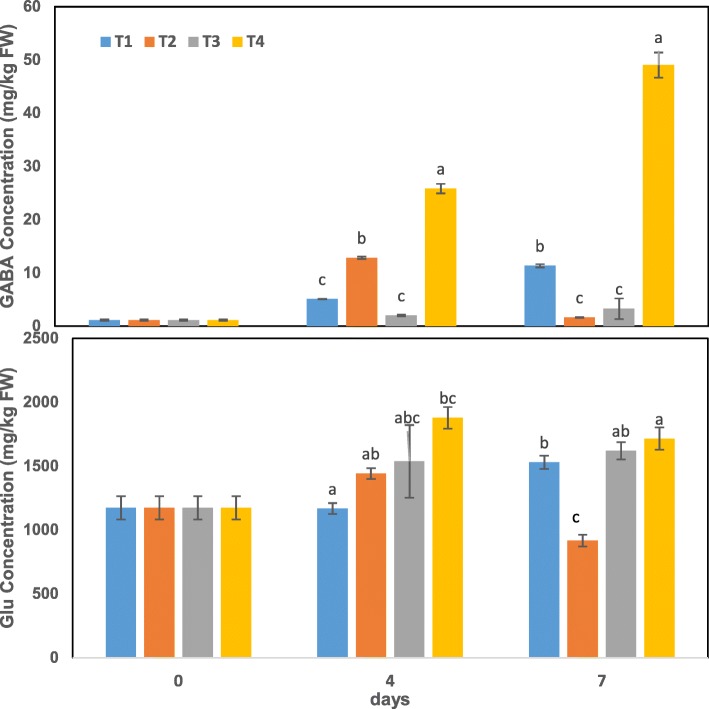
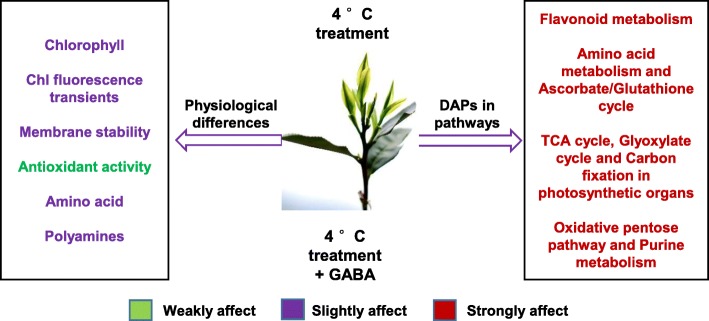
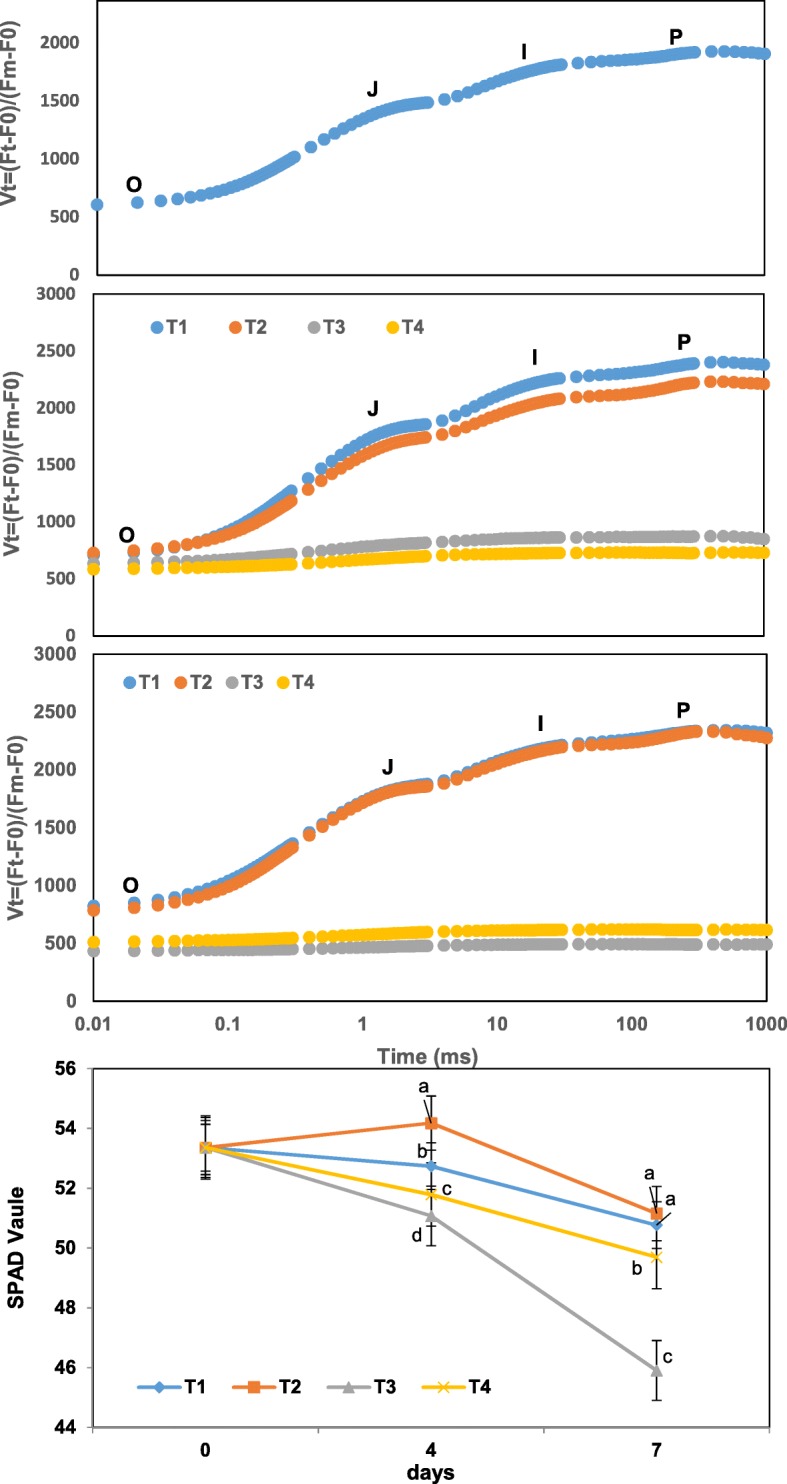
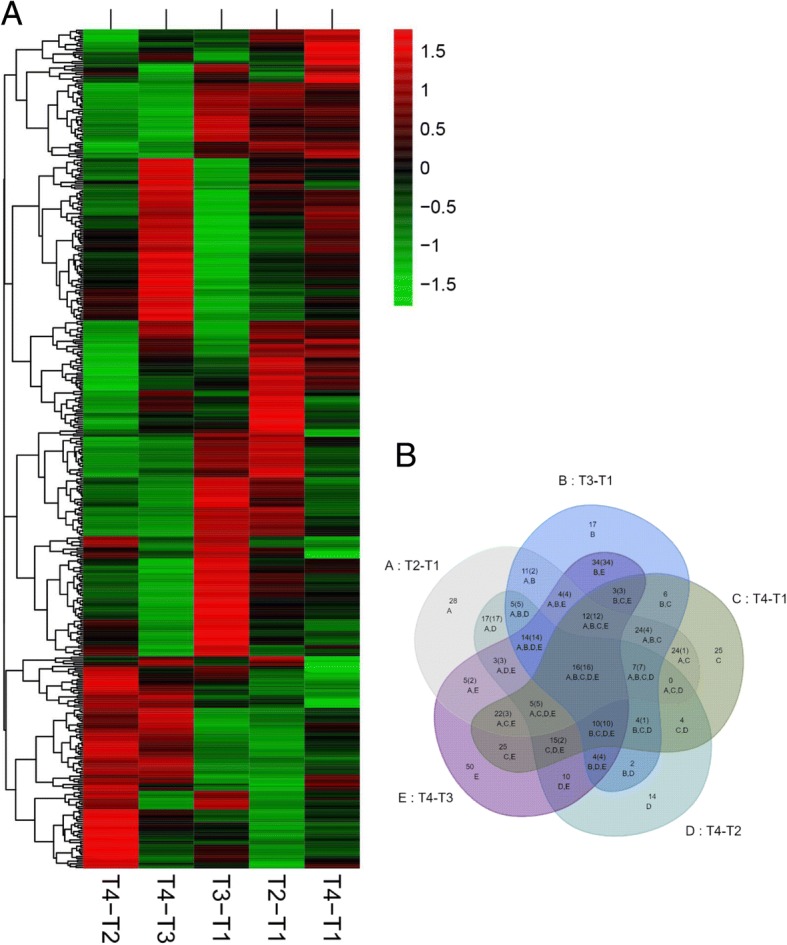
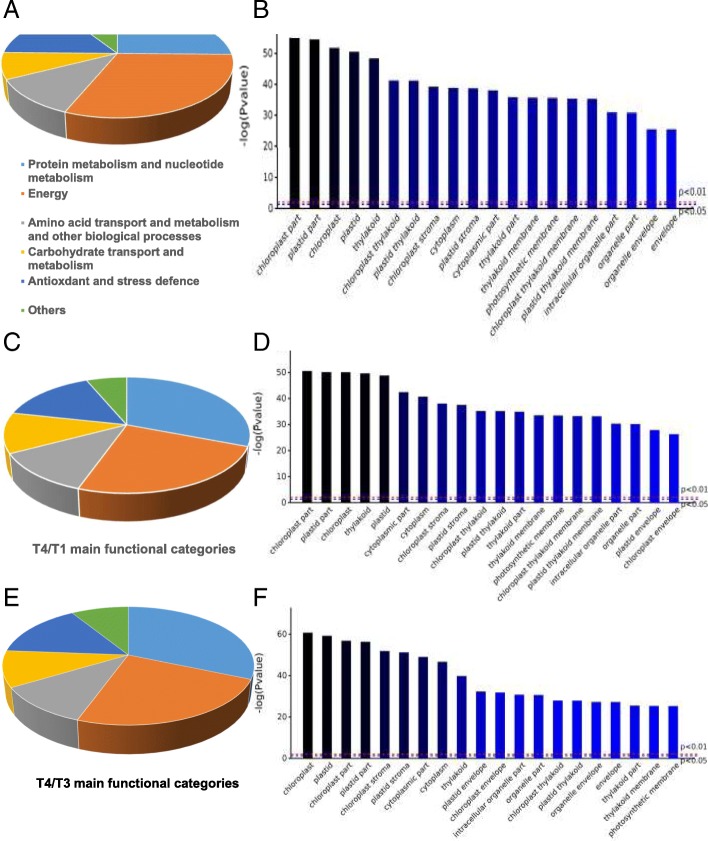
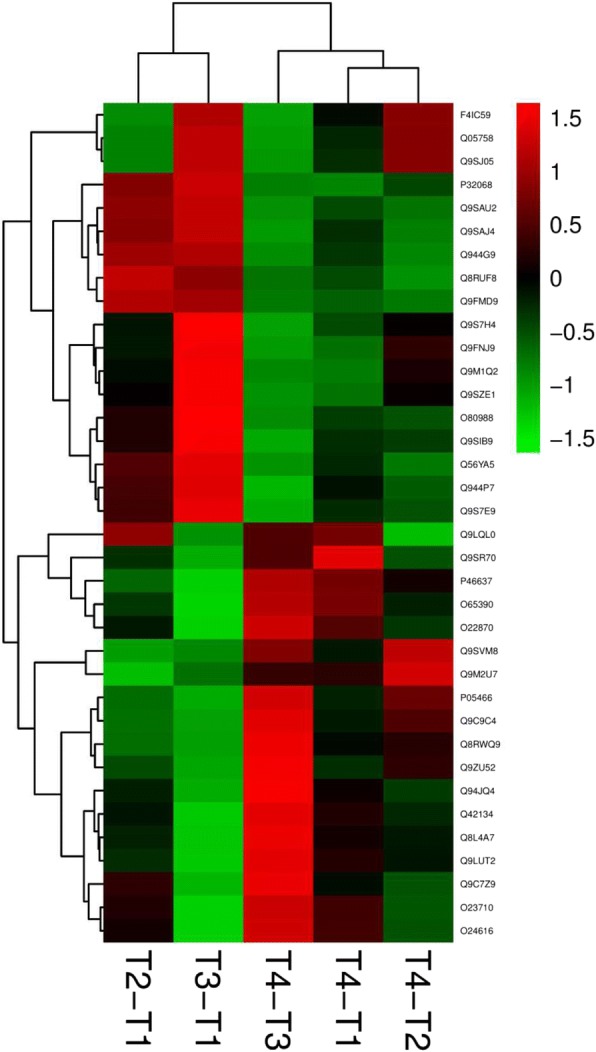
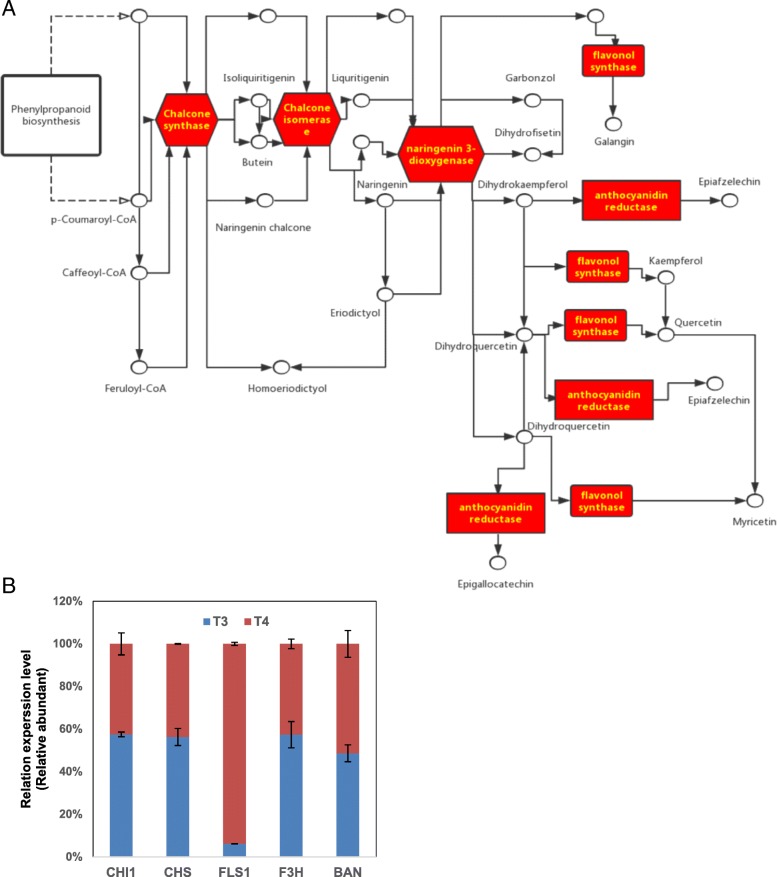
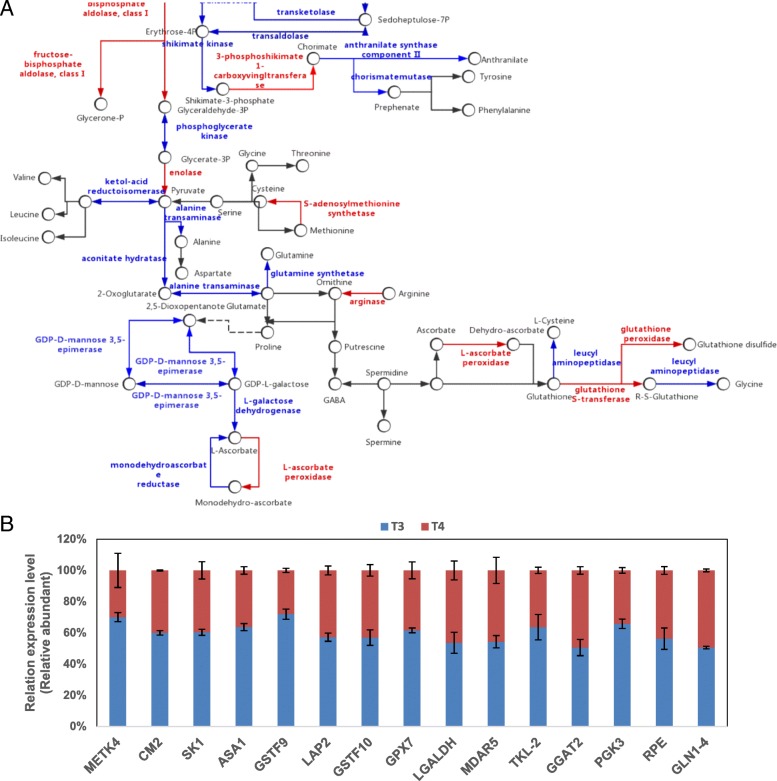
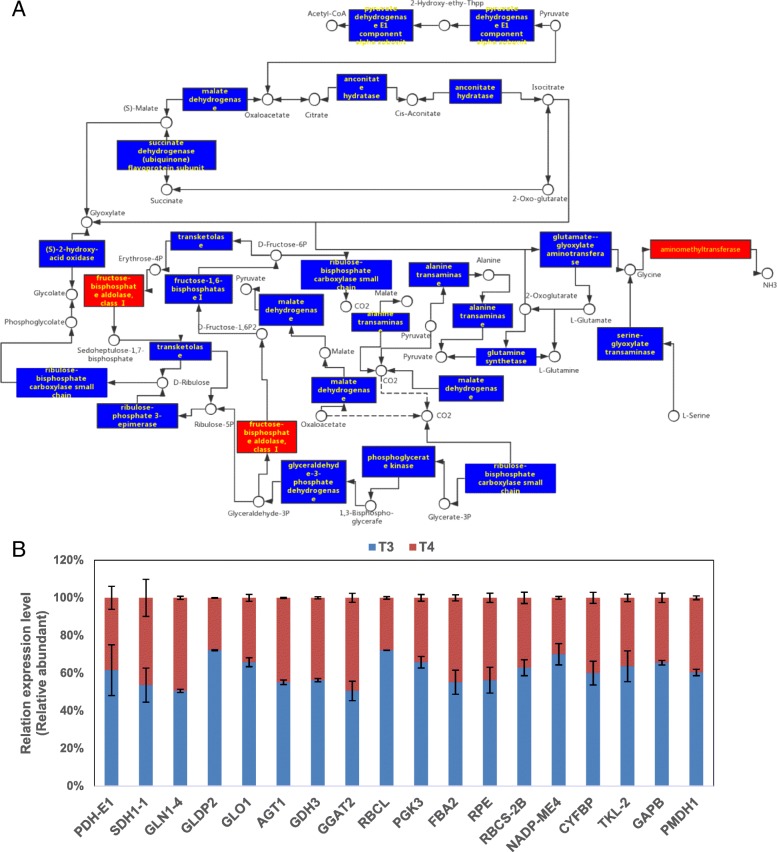
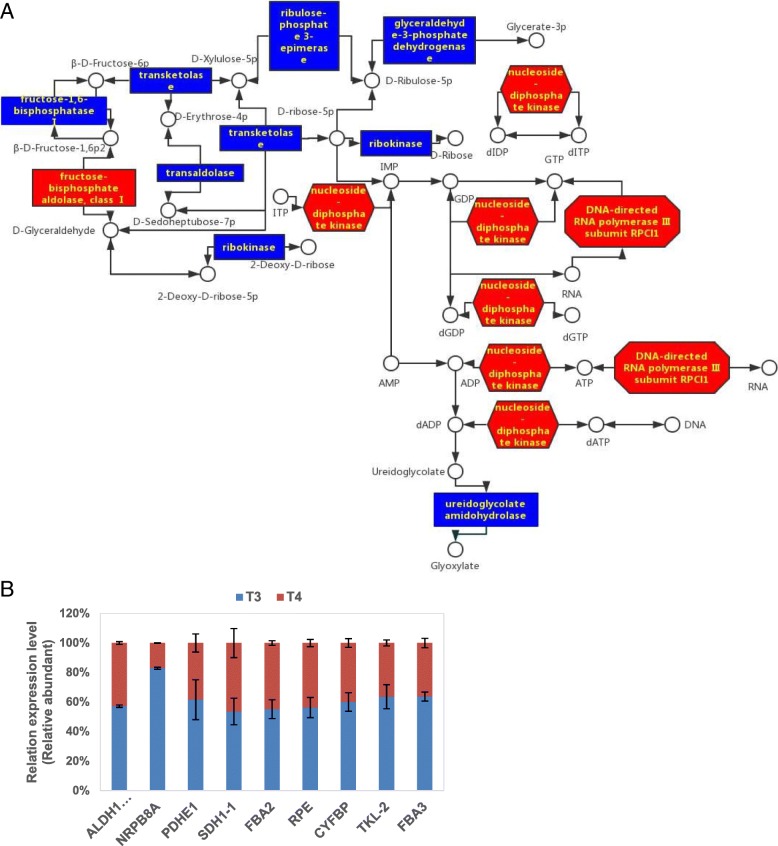
Tea plants supplied with or without 5.0 mM GABA were subjected to optimum or cold temperatures in this study. The increased GABA level induced by exogenous GABA altered levels of stress response substances - such as glutamate, polyamines and anthocyanins - in association with improved cold tolerance. Isobaric tags for relative and absolute quantification (iTRAQ) - based DAPs were found for protein metabolism and nucleotide metabolism, energy, amino acid transport and metabolism other biological processes, inorganic ion transport and metabolism, lipid metabolism, carbohydrate transport and metabolism, biosynthesis of secondary metabolites, antioxidant and stress defense.
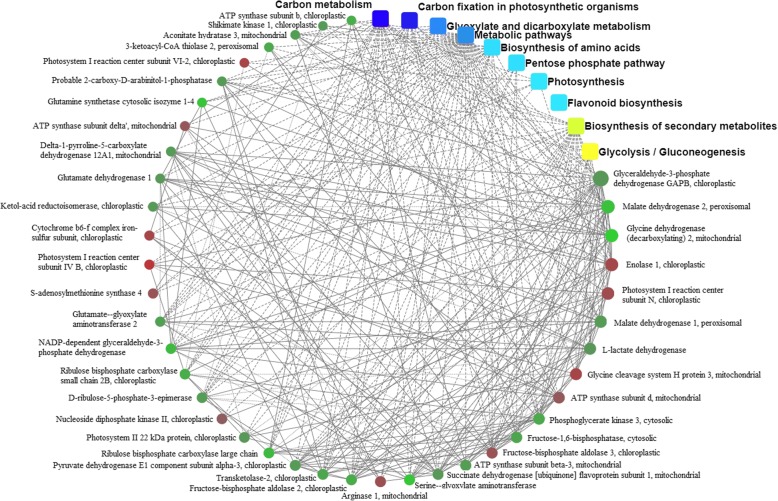
The iTRAQ analysis could explain the GABA-induced physiological effects associated with cold tolerance in tea plants. Analysis of functional protein-protein networks further showed that alteration of endogenous GABA and stress response substances induced interactions among photosynthesis, amino acid biosynthesis, and carbon and nitrogen metabolism, and the corresponding differences could contribute to improved cold tolerance of tea plants.
内源性 γ-氨基丁酸(GABA)与应激反应物质相互作用可能参与了茶树(Camellia sinensis (L.) O. Kuntze)中与最适温度和冷胁迫相关的差异丰度蛋白(DAP)的调节。
本研究中,用或不用 5.0mM GABA 处理茶树以适应最适或低温。外源性 GABA 诱导的 GABA 水平升高与提高的耐寒性相关,改变了应激反应物质的水平,如谷氨酸、多胺和花青素。基于等重标记相对和绝对定量(iTRAQ)的 DAP 被发现与蛋白质代谢和核苷酸代谢、能量、氨基酸转运和代谢等其他生物过程、无机离子转运和代谢、脂质代谢、碳水化合物转运和代谢、次生代谢物的生物合成、抗氧化和应激防御有关。
iTRAQ 分析可以解释 GABA 诱导的与茶树耐寒性相关的生理效应。功能蛋白-蛋白网络分析进一步表明,内源性 GABA 和应激反应物质的改变诱导了光合作用、氨基酸生物合成和碳氮代谢之间的相互作用,相应的差异可能有助于提高茶树的耐寒性。