Li Xiangbo, Tao Quandan, Miao Jun, Yang Zefeng, Gu Minghong, Liang Guohua, Zhou Yong
Jiangsu Key Laboratory of Crop Genetics and Physiology / Key Laboratory of Plant Functional Genomics of the Ministry of Education / Jiangsu Key Laboratory of Crop Genomics and Molecular Breeding, Agricultural College of Yangzhou University, Yangzhou, 225009, China.
Jiangsu Co-Innovation Center for Modern Production Technology of Grain Crops, Yangzhou University, Yangzhou, 225009, China.
Rice (N Y). 2019 Jan 31;12(1):5. doi: 10.1186/s12284-019-0263-4.
qPE9-1/DEP1, encoding a G protein γ subunit, has multiple effects on plant architecture, grain size, and yield in rice. The qPE9-1 protein contains an N-terminal G gamma-like (GGL) domain, a putative transmembrane domain, and a C-terminal cysteine-rich domain. However, the roles of each domain remain unclear.
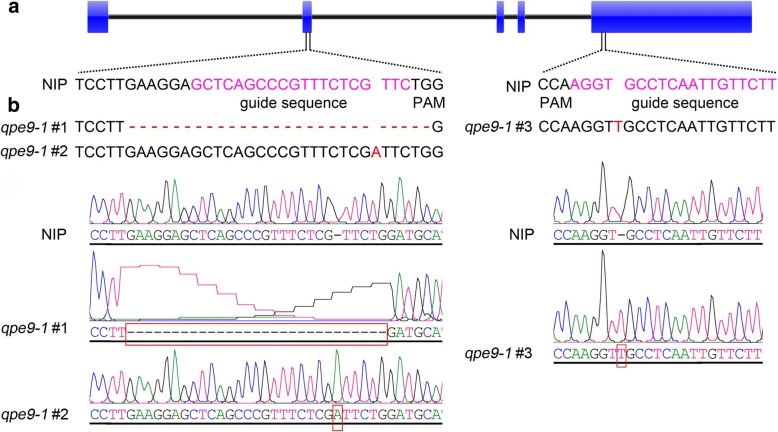
In the present study, we focused on the genetic effects of different domains of qPE9-1 in the regulation of grain length and weight. We generated a series of transgenic plants expressing different truncated qPE9-1 proteins through constitutive expression and clustered regularly interspaced palindromic repeats (CRISPR)/CRISPR-associated protein 9 strategies. Phenotypic analysis indicated that the complete or long-tailed qPE9-1 contributed to the elongation of grains, while the GGL domain alone and short-tailed qPE9-1 led to short grains. The long C-terminus of qPE9-1 including two or three C-terminal von Willebrand factor type C domains effectively repressed the negative effects of the GGL domain on grain length and weight. qPE9-1-overexpressing lines in a Wuxianggeng 9 (carrying a qpe9-1 allele) background showed increased grain yield per plant, but lodging occurred in some years.
Manipulation of the C-terminal length of qPE9-1 through genetic engineering can be used to generate varieties with various grain lengths and weights according to different requirements in rice breeding. The genetic effects of qPE9-1/qpe9-1 are multidimensional, and breeders should take into account other factors including genetic backgrounds and planting conditions in the use of qPE9-1/qpe9-1.
编码G蛋白γ亚基的qPE9-1/DEP1对水稻的株型、粒型和产量具有多种影响。qPE9-1蛋白包含一个N端类Gγ(GGL)结构域、一个推定的跨膜结构域和一个C端富含半胱氨酸的结构域。然而,每个结构域的作用仍不清楚。
在本研究中,我们聚焦于qPE9-1不同结构域在调控粒长和粒重方面的遗传效应。我们通过组成型表达和规律成簇间隔短回文重复序列(CRISPR)/CRISPR相关蛋白9策略,生成了一系列表达不同截短qPE9-1蛋白的转基因植株。表型分析表明,完整或长尾的qPE9-1有助于籽粒伸长,而单独的GGL结构域和短尾qPE9-1导致籽粒短小。qPE9-1的长C端包括两个或三个C端血管性血友病因子C结构域,有效抑制了GGL结构域对粒长和粒重的负面影响。在武香粳9号(携带qpe9-1等位基因)背景下过表达qPE9-1的株系单株产量增加,但在某些年份出现倒伏现象。
通过基因工程操纵qPE9-1的C端长度,可根据水稻育种的不同需求培育出具有不同粒长和粒重的品种。qPE9-1/qpe9-1的遗传效应是多维度的,育种者在使用qPE9-1/qpe9-1时应考虑包括遗传背景和种植条件在内的其他因素。