UKCRC Centre for Diet and Activity Research (CEDAR), MRC Epidemiology Unit, University of Cambridge School of Clinical Medicine, Box 285 Institute of Metabolic Science, Cambridge Biomedical Campus, Cambridge CB2 0QQ, UK.
Centre for Exercise, Nutrition and Health Sciences, School for Policy Studies, University of Bristol, 8 Priory Road, Bristol BS8 1TZ, UK.
Int J Environ Res Public Health. 2019 Jan 31;16(3):413. doi: 10.3390/ijerph16030413.
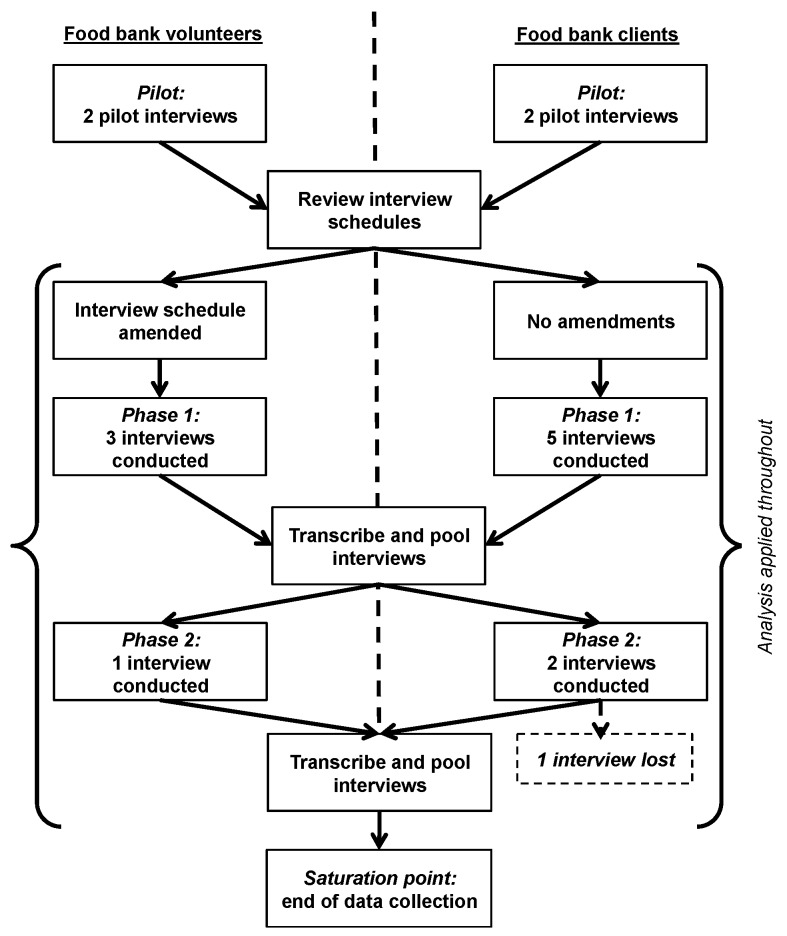
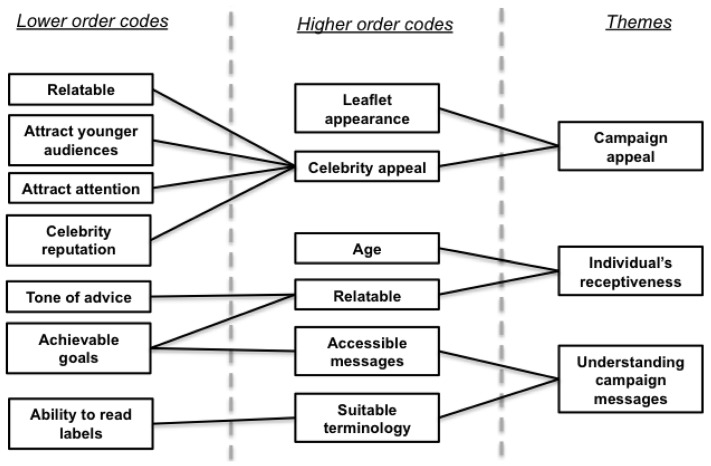
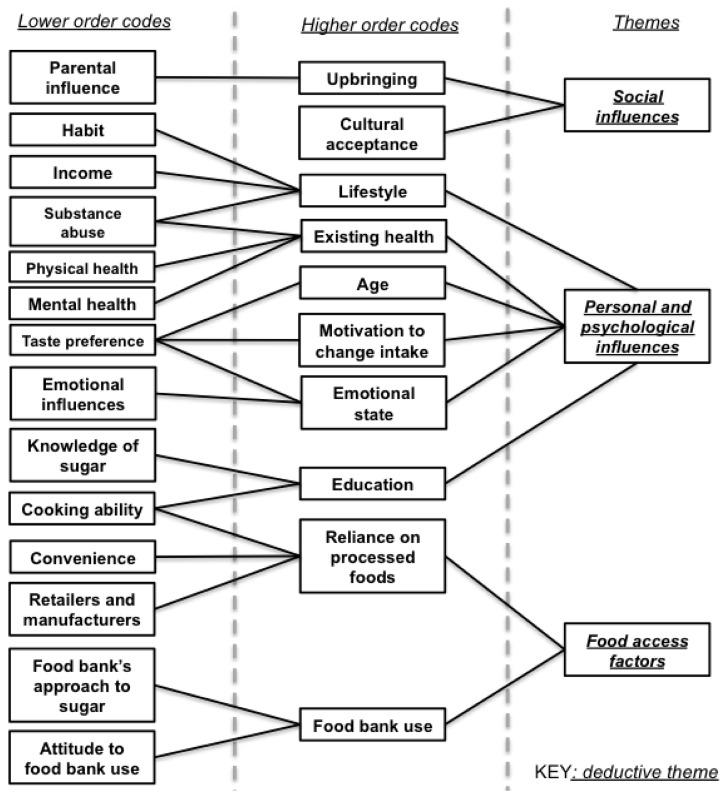
Sugar consumption in the UK consistently exceeds recommendations, despite the association it has with poor health outcomes. Low socioeconomic groups are most likely to over-consume sugar, which could exacerbate existing health disparities. Various interventions attempt to reduce the amount of sugar consumed, but their effectiveness is still unclear. This study qualitatively explored the sugar consumption behaviours of individuals experiencing food poverty, and examined how an information-based sugar reduction intervention might influence these behaviours. Eight clients and six volunteers from a food bank in Bristol (UK) completed semi-structured, one-to-one interviews that were thematically analysed. Food bank clients appeared to heavily consume sugar, with little understanding of the associated health effects and limited awareness of the intervention. Consumption behaviours were particularly influenced by personal and psychological factors, such as mental health; in addition to social factors, like familial behaviours and food access issues. It emerged that food bank clients' often-challenging personal circumstances were likely to promote their sugar consumption. Making intervention materials visually appealing and easily comprehendible were found to be important for improving an intervention's reception. Recommendations were developed to improve the efficacy of similar information-based sugar reduction interventions among socioeconomically deprived groups.
英国的糖摄入量一直超过建议量,尽管糖与健康状况不佳有关。社会经济地位较低的人群最有可能摄入过多的糖,这可能会加剧现有的健康差距。各种干预措施试图减少糖的摄入量,但它们的效果仍不清楚。本研究定性地探讨了经历食物贫困的个体的糖摄入量行为,并研究了基于信息的糖减少干预如何影响这些行为。来自英国布里斯托尔的一家食品银行的 8 名客户和 6 名志愿者完成了半结构化的一对一访谈,并进行了主题分析。食品银行的客户似乎大量食用糖,对相关的健康影响知之甚少,对干预措施的认识也很有限。消费行为特别受到个人和心理因素的影响,如心理健康;此外,还受到社会因素的影响,如家庭行为和食物获取问题。研究结果表明,食品银行客户的个人情况往往会导致他们摄入更多的糖。研究发现,使干预材料具有视觉吸引力和易于理解对于提高干预措施的接受度非常重要。针对社会经济弱势群体,提出了改进基于信息的糖减少干预措施效果的建议。