College of Bioresources Chemical and Materials Engineering, Shaanxi University of Science and Technology, Xi'an, 710021, China.
Sci Rep. 2019 Feb 4;9(1):1221. doi: 10.1038/s41598-018-37848-1.
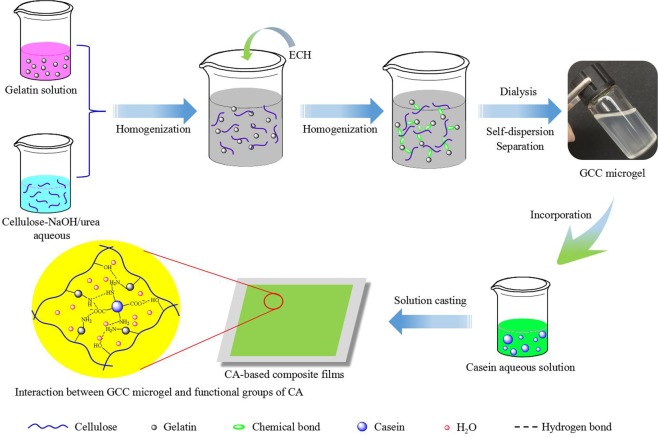
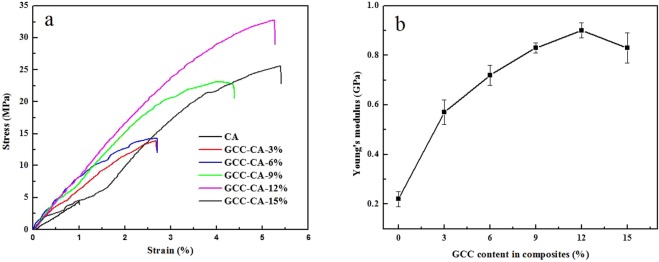
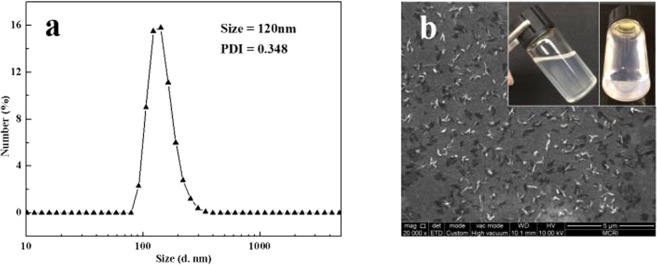
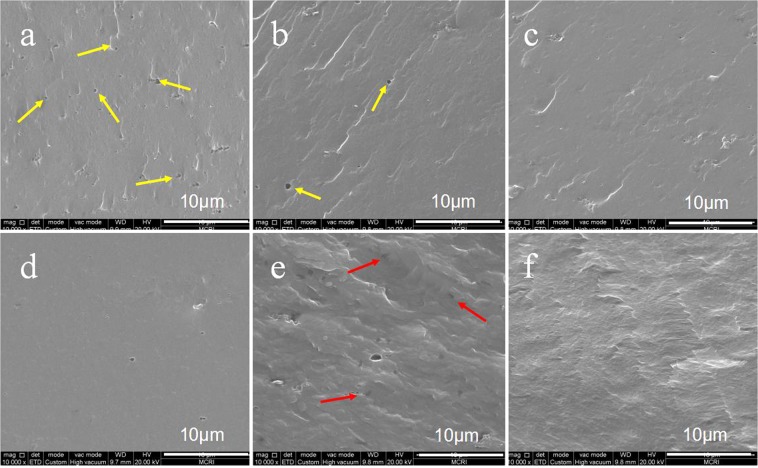
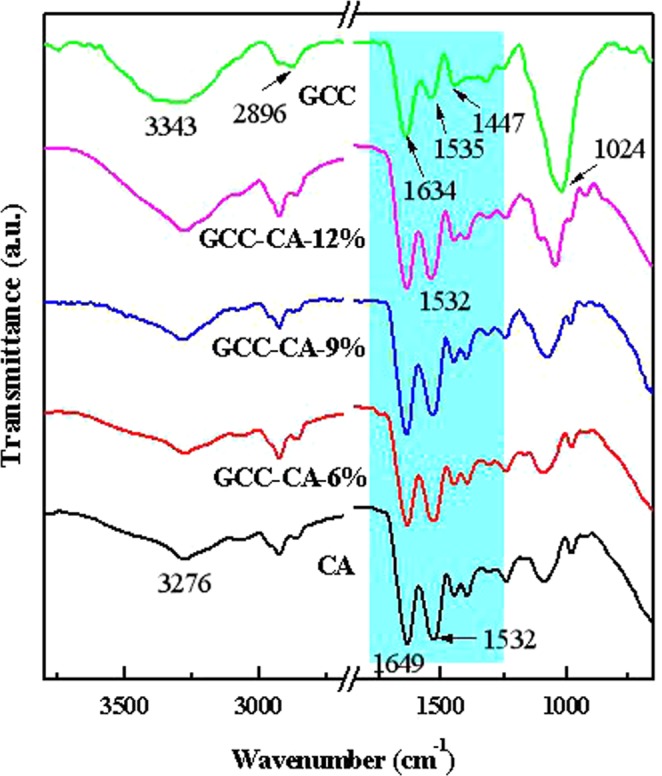
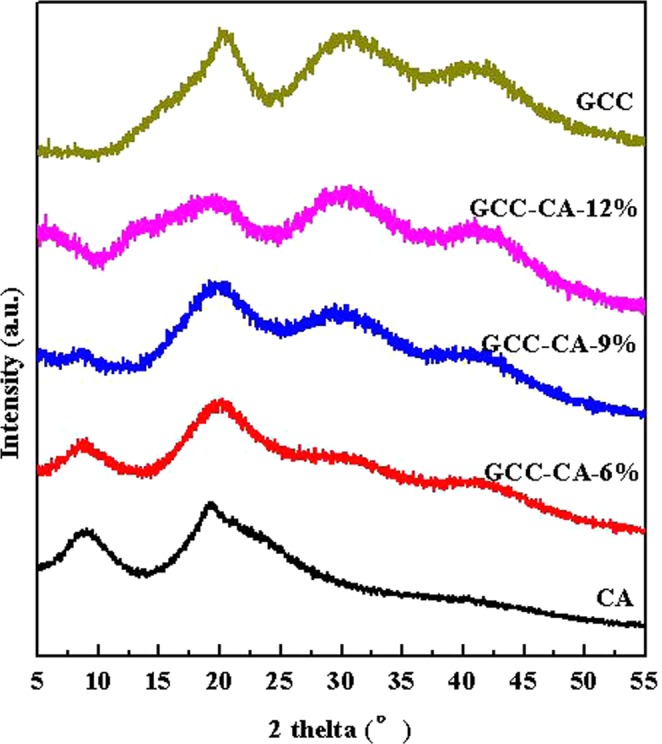
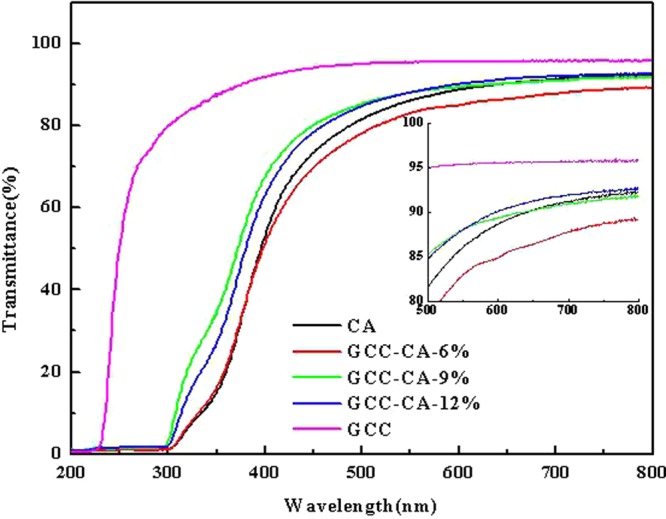
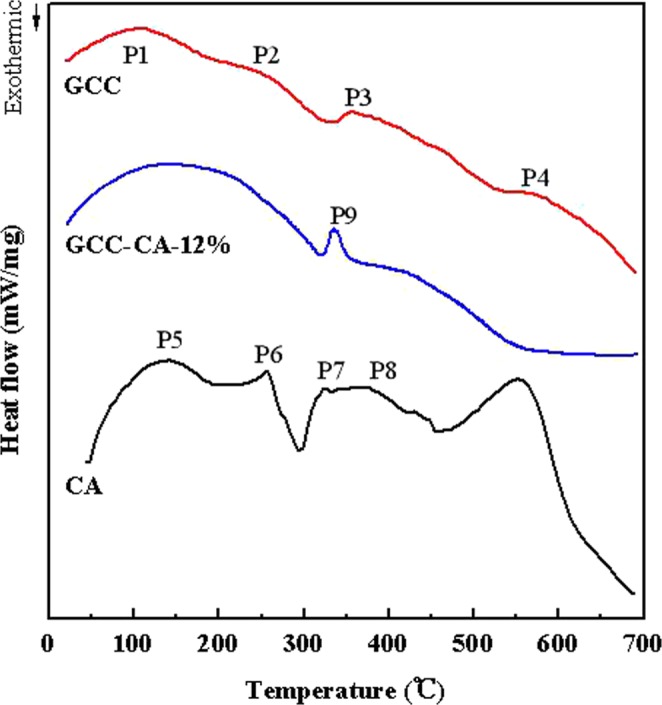
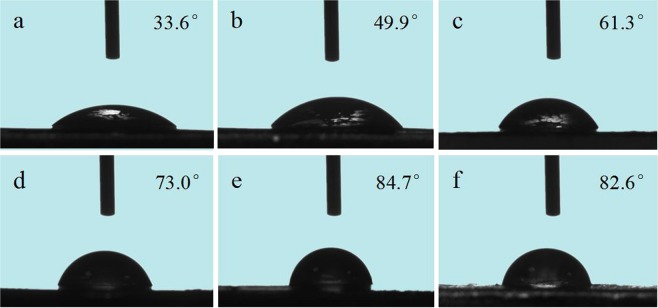
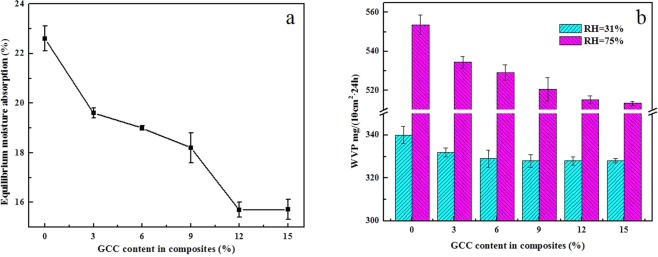
Gelatin-coupled cellulose (GCC) microgel with whisker-like structure is prepared and used to incorporate into casein (CA) matrix to construct reinforced CA-based composite films by solution casting. The GCC microgel has excellent dispersibility and stability in water, which contributes to the hydrophobicity and significantly reduces the moisture absorption of the composite films, as well as a decrease in the water vapor permeability with an increase of GCC content at different relative humidity is also observed. Compared with pure casein material, the resultant CA-based composite films show more homogeneous and dense cross-sectional structure, and the cleavage temperature of the hydrogen bonds increases by 16 °C. In particular, their tensile strength and Young's modulus increase by 6 and 3.5 times, respectively. These indicators are superior to that of the nanoparticle enhanced CA-based composite film. Moreover, the light transmittance of the CA-based films at 550 nm is about 88% when GCC content is higher than 9%. The above results could be attributed to the strong hydrogen bonds formed between GCC components and CA matrix, as further confirmed by fourier transform infrared spectra and X-ray diffraction analysis.
具有须状结构的明胶偶联纤维素(GCC)微球被制备出来,并用于掺入到酪蛋白(CA)基质中,通过溶液浇铸构建增强型 CA 基复合膜。GCC 微球在水中具有优异的分散性和稳定性,有助于提高疏水性,并显著降低复合膜的吸湿性,同时还观察到水蒸气透过率随 GCC 含量的增加而降低,在不同的相对湿度下。与纯酪蛋白材料相比,所得的 CA 基复合膜显示出更均匀和致密的横截面结构,氢键的解吸温度升高了 16°C。特别是,它们的拉伸强度和杨氏模量分别提高了 6 倍和 3.5 倍。这些指标均优于纳米颗粒增强 CA 基复合膜。此外,当 GCC 含量高于 9%时,CA 基膜在 550nm 处的光透过率约为 88%。上述结果可归因于 GCC 成分与 CA 基质之间形成的强氢键,傅里叶变换红外光谱和 X 射线衍射分析进一步证实了这一点。