Bournemouth University, Bournemouth, Dorset, UK.
BMC Public Health. 2019 Feb 6;19(1):158. doi: 10.1186/s12889-019-6423-z.
The significance of sanitation to safeguard human health is irrefutable and has important public health dimensions. Access to sanitation has been essential for human dignity, health and well-being. Despite 15 years of conjunctive efforts under the global action plans like Millennium Development Goals (MDGs), 2.3 billion people have no access to improved sanitation facilities (flush latrine or pit latrine) and nearly 892 million of the total world's population is still practicing open defecation.
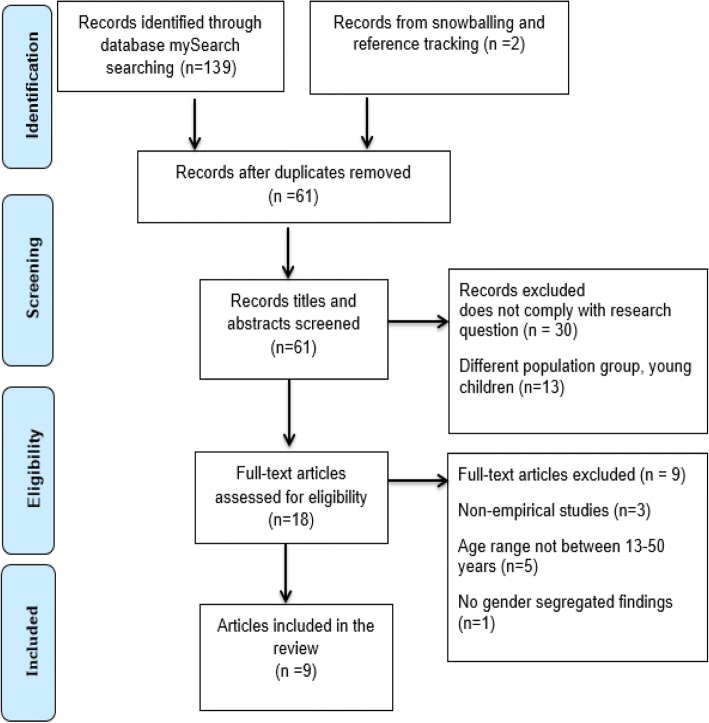
The study provides a systematic review of the published literature related to implications of open defecation that goes beyond the scope of addressing health outcomes by also investigating social outcomes associated with open defecation. The Preferred Reporting Items for Systematic reviews and Meta-Analyses (PRISMA) was used to frame the review, empirical studies focusing upon open defecation in women aged 13-50 in low and middle income countries were included in the review. Research papers included in the review were assessed for quality using appropriate critical appraisal tools. In total 9 articles were included in the review; 5 of these related to health effects and 4 related to social effects of open defecation.
The review identified 4 overarching themes; Health Impacts of open defecation, Increased risk of sexual exploitation, Threat to women's privacy and dignity and Psychosocial stressors linked to open defecation, which clearly present a serious situation of poor sanitation in rural communities of Lower-Middle Income Countries (LMICs). The findings of the review identified that open defecation promotes poor health in women with long-term negative effects on their psychosocial well-being, however it is a poorly researched topic.
The health and social needs of women and girls remain largely unmet and often side-lined in circumstances where toilets in homes are not available. Further research is critically required to comprehend the generalizability of effects of open defecation on girls and women.
CRD42019119946 . Registered 9 January 2019 .
卫生对于维护人类健康的重要性是不容置疑的,具有重要的公共卫生意义。获得卫生设施是人类尊严、健康和福祉的基本条件。尽管在千年发展目标等全球行动计划下,各国已经努力了 15 年,但仍有 23 亿人无法使用改良的卫生设施(冲水厕所或坑式厕所),全球仍有近 8.92 亿人仍在露天排便。
本研究对已发表的相关文献进行了系统回顾,其范围不仅涵盖了与露天排便相关的健康结果,还包括了与露天排便相关的社会结果。本研究采用了系统评价和荟萃分析的首选报告项目(PRISMA)框架,纳入了在中低收入国家年龄在 13 至 50 岁的女性中与露天排便相关的实证研究。本研究纳入的研究论文使用适当的批判性评价工具进行了质量评估。共有 9 篇论文被纳入综述,其中 5 篇与健康影响有关,4 篇与露天排便的社会影响有关。
本研究确定了 4 个总体主题:露天排便的健康影响、性剥削风险增加、对妇女隐私和尊严的威胁以及与露天排便相关的心理社会压力,这些主题清楚地呈现了中低收入国家农村社区卫生条件差的严峻情况。综述结果表明,露天排便会导致妇女健康状况恶化,对其心理社会健康产生长期负面影响,但这是一个研究不足的课题。
妇女和女孩的健康和社会需求在很大程度上仍未得到满足,而且往往在家庭中没有厕所的情况下被忽视。需要进一步研究,以了解露天排便对女孩和妇女的影响的普遍性。
CRD42019119946。注册日期:2019 年 1 月 9 日。