Zhang Jianying, Nie Daibang, Williamson Kelly, Rocha Jorge L, Hogan MaCalus V, Wang James H-C
MechanoBiology Laboratory, Department of Orthopaedic Surgery, University of Pittsburgh School of Medicine, Pittsburgh, PA, USA.
Department of Bioengineering, University of Pittsburgh School of Medicine, Pittsburgh, PA, USA.
J Tissue Eng. 2019 Jan 16;10:2041731418820034. doi: 10.1177/2041731418820034. eCollection 2019 Jan-Dec.
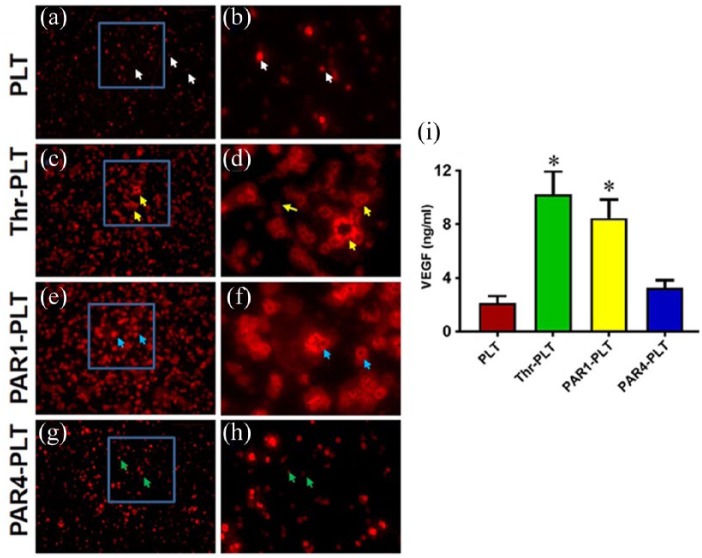
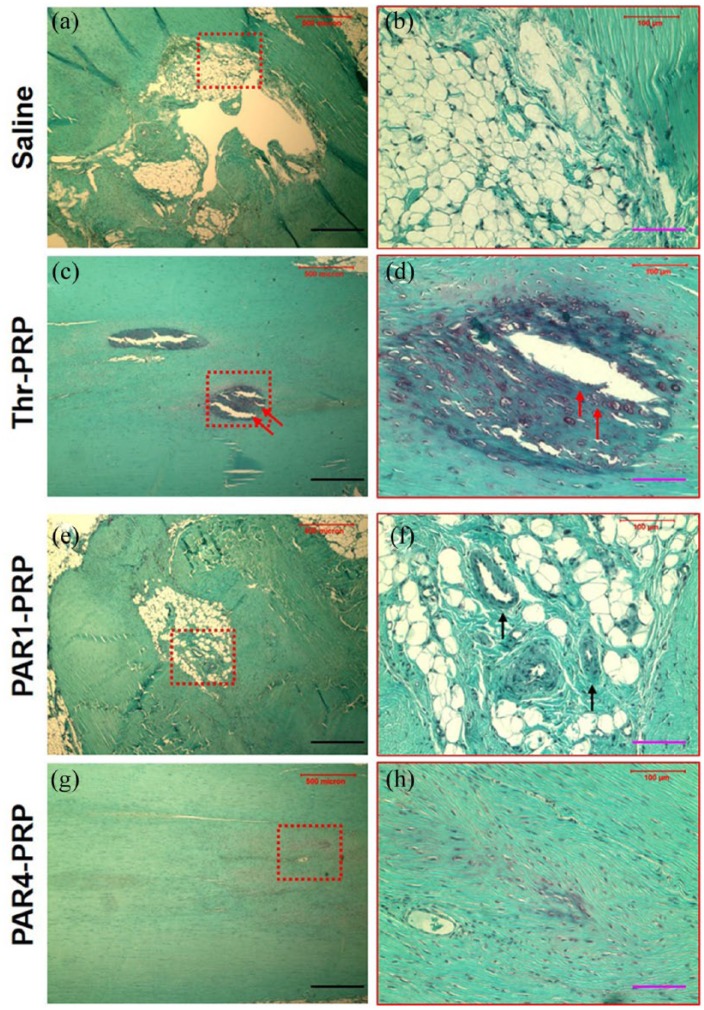
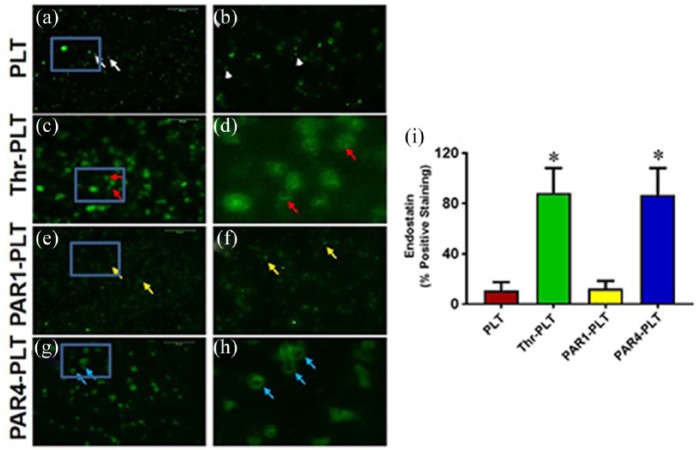
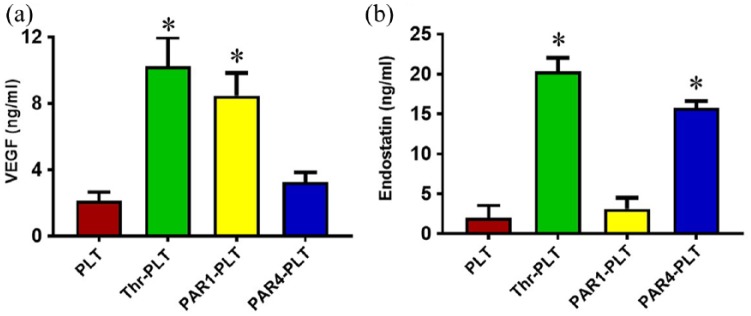
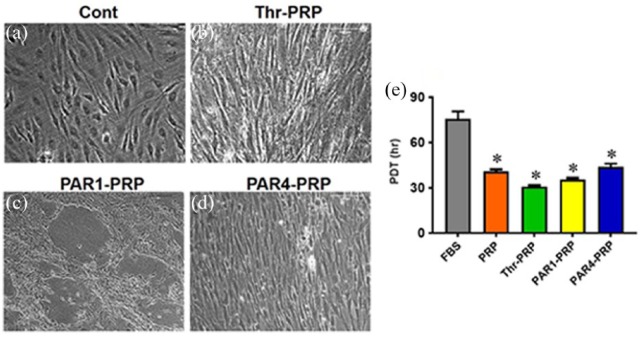
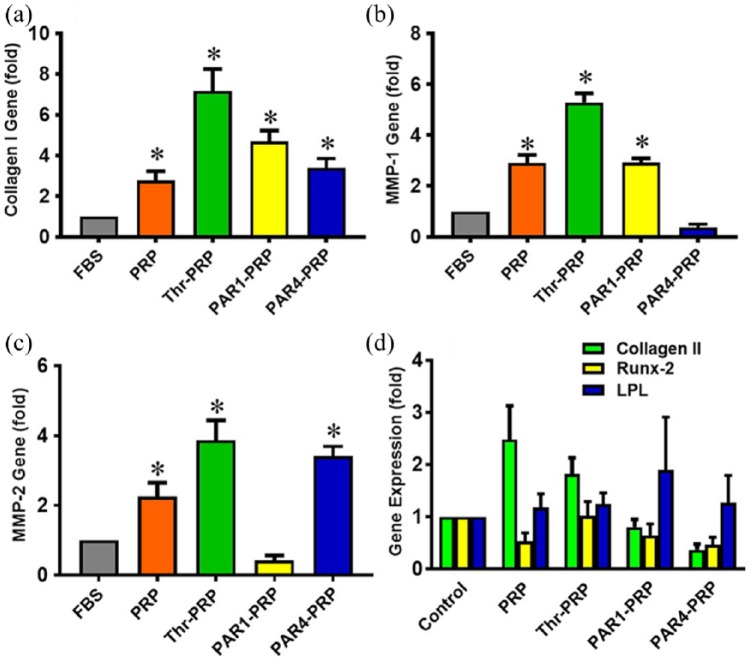
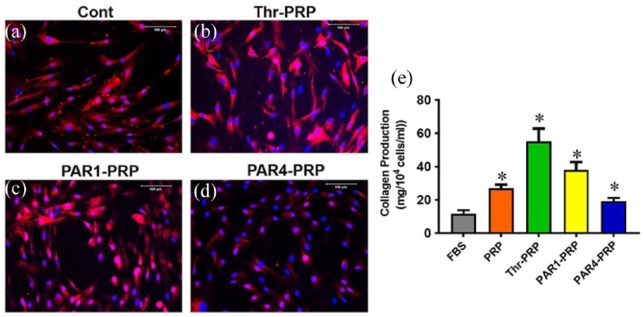
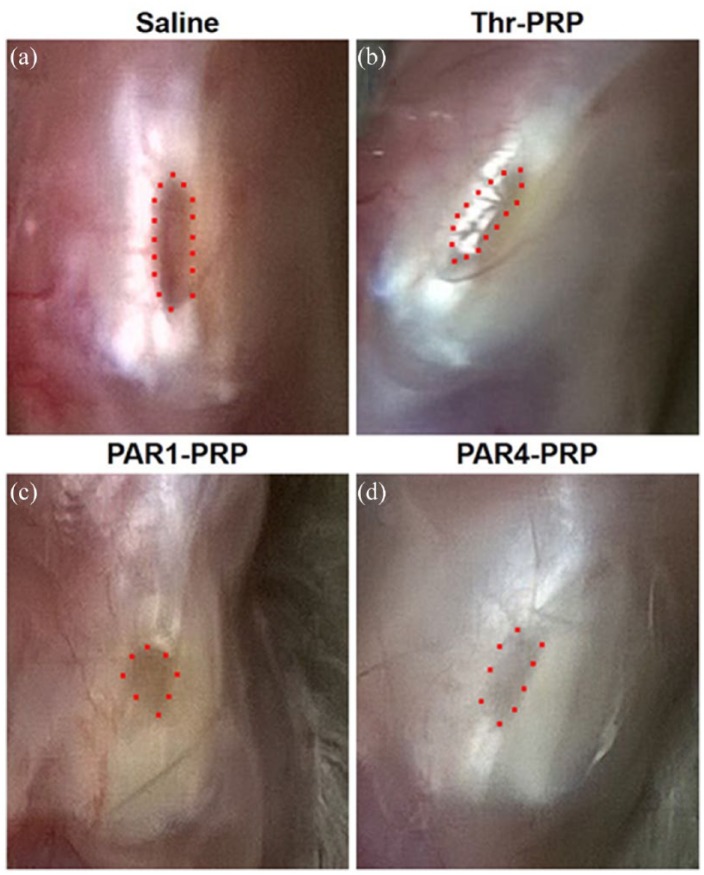
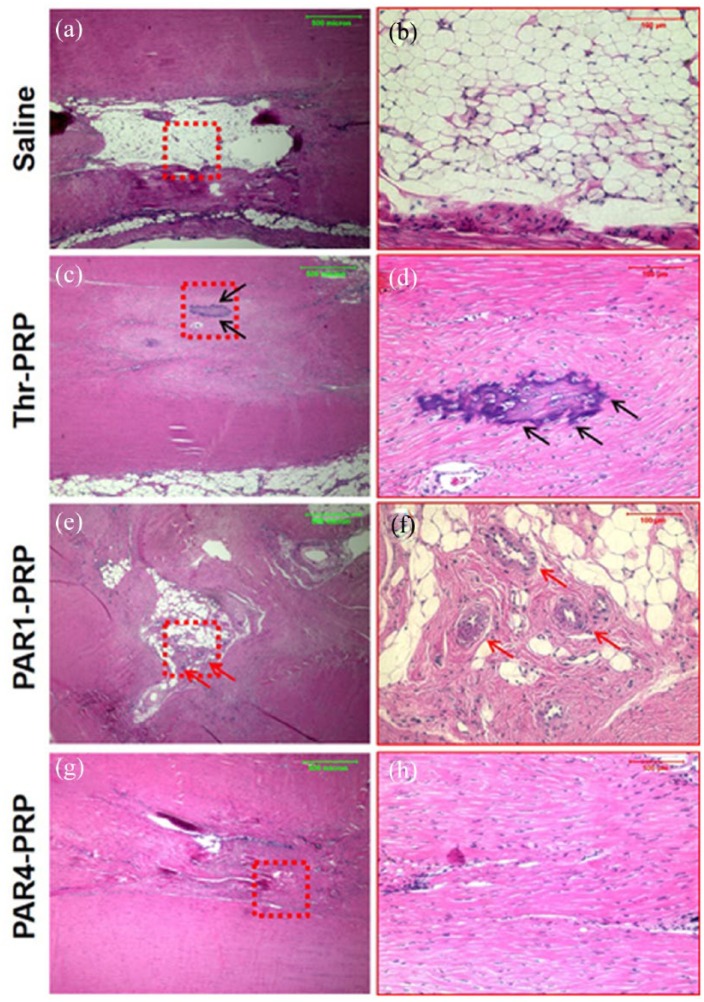
To understand the variable efficacy with platelet rich plasma (PRP) treatments for tendon injury, we determined the differential effects of proteinase-activated receptor (PAR)1- or PAR4-activated PRP (PAR1-PRP, PAR4-PRP) from humans on human patellar tendon stem/progenitor cells (TSCs) and tendon healing. We show that PAR1-PRP released VEGF, whereas PAR4-PRP released endostatin. Treatment of TSCs with PAR1-PRP increased collagen I expression and matrix metalloproteinase-1 (MMP-1), but cells treated with PAR4-PRP increased less collagen I and higher MMP-2 expression. The wound area treated with PAR4-PRP formed tendon-like tissues with well-organized collagen fibers and fewer blood vessels, while PAR1-PRP treatment resulted in the formation of blood vessels and unhealed tissues. These findings indicate that differential activation of PRP leads to different effects on TSCs and tendon healing. We suggest that based on acute or chronic type of tendon injury, selective activation of PRP should be applied in clinics in order to treat injured tendons successfully.
为了解富含血小板血浆(PRP)治疗肌腱损伤时疗效各异的原因,我们确定了人源蛋白酶激活受体(PAR)1或PAR4激活的PRP(PAR1-PRP、PAR4-PRP)对人髌腱干/祖细胞(TSCs)和肌腱愈合的不同影响。我们发现PAR1-PRP释放血管内皮生长因子(VEGF),而PAR4-PRP释放内皮抑素。用PAR1-PRP处理TSCs可增加I型胶原蛋白表达和基质金属蛋白酶-1(MMP-1),但用PAR4-PRP处理的细胞I型胶原蛋白增加较少,MMP-2表达较高。用PAR4-PRP处理的伤口区域形成了具有排列良好的胶原纤维且血管较少的肌腱样组织,而PAR1-PRP处理则导致血管形成和组织未愈合。这些发现表明,PRP的不同激活对TSCs和肌腱愈合有不同影响。我们建议,基于肌腱损伤的急性或慢性类型,临床上应采用选择性激活PRP的方法来成功治疗受损肌腱。