Hasbro Children's Hospital, Warren Alpert School of Medicine, Brown University, Providence, RI, USA.
Department of Pediatrics, Division of Neonatology, University Hospitals: Rainbow Babies & Children's Hospital, School of Medicine, Case Western Reserve University, Cleveland, OH, USA.
Pediatr Res. 2019 May;85(6):769-776. doi: 10.1038/s41390-019-0317-8. Epub 2019 Feb 1.
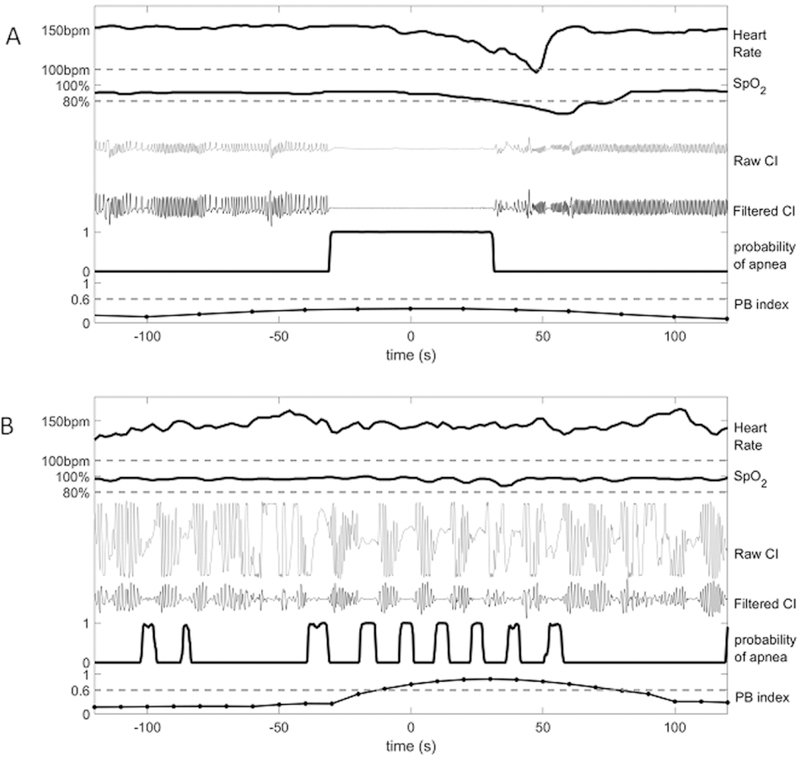
The increasing incidence of bronchopulmonary dysplasia in premature babies may be due in part to immature ventilatory control, contributing to hypoxemia. The latter responds to ventilation and/or oxygen therapy, treatments associated with adverse sequelae. This is an overview of the Prematurity-Related Ventilatory Control Study which aims to analyze the under-utilized cardiorespiratory continuous waveform monitoring data to delineate mechanisms of immature ventilatory control in preterm infants and identify predictive markers.
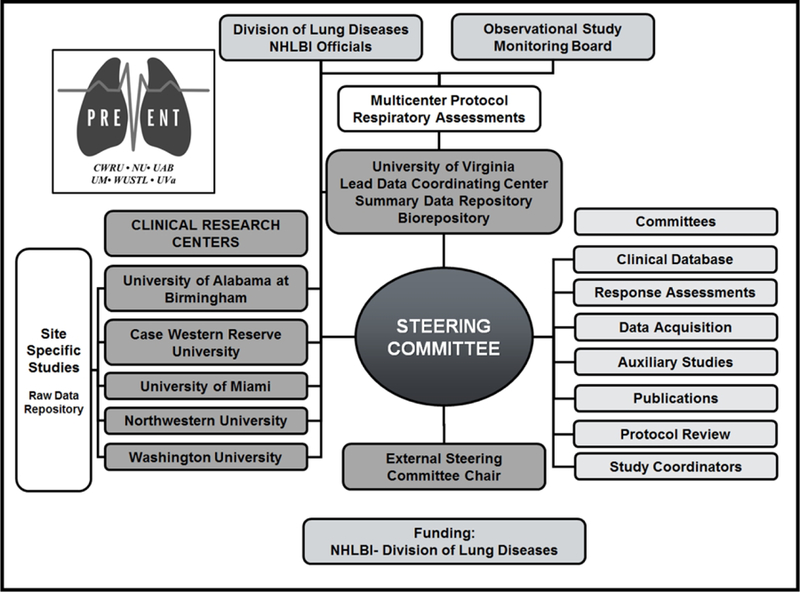
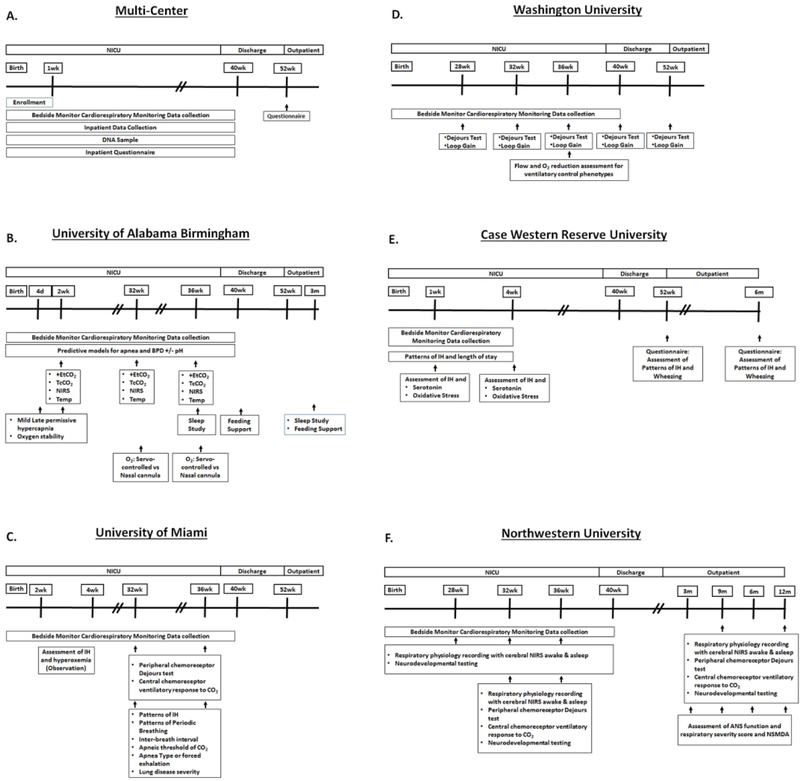
Continuous ECG, heart rate, respiratory, and oxygen saturation data will be collected throughout the NICU stay in 500 infants < 29 wks gestation across 5 centers. Mild permissive hypercapnia, and hyperoxia and/or hypoxia assessments will be conducted in a subcohort of infants along with inpatient questionnaires, urine, serum, and DNA samples.
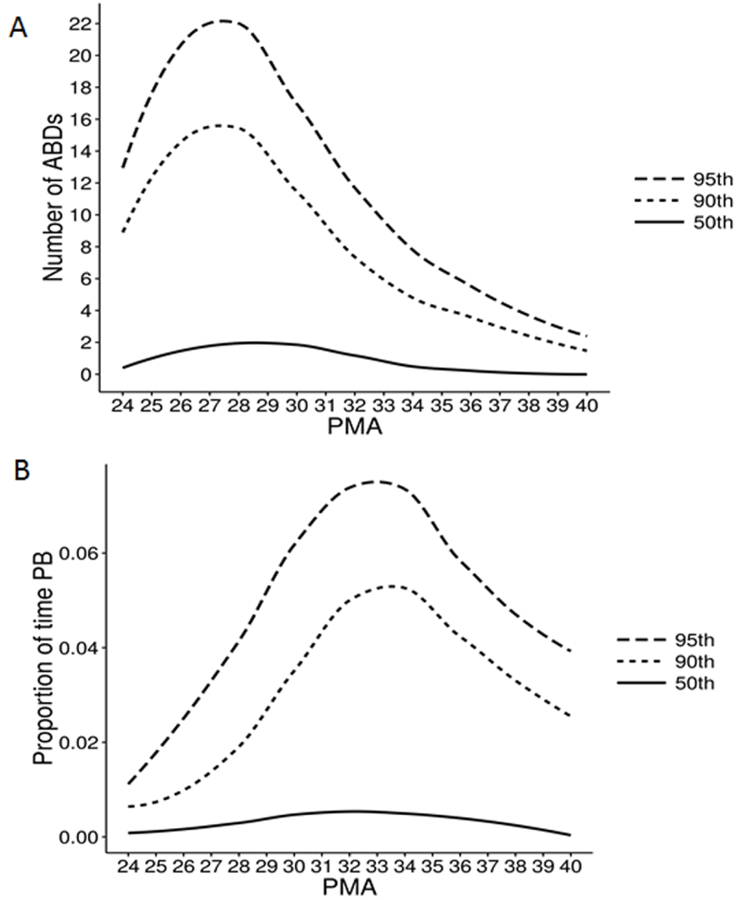
Primary outcomes will be respiratory status at 40 wks and quantitative measures of immature breathing plotted on a standard curve for infants matched at 36-37 wks. Physiologic and/or biologic determinants will be collected to enhance the predictive model linking ventilatory control to outcomes.
By incorporating bedside monitoring variables along with biomarkers that predict respiratory outcomes we aim to elucidate individualized cardiopulmonary phenotypes and mechanisms of ventilatory control contributing to adverse respiratory outcomes in premature infants.
早产儿支气管肺发育不良的发病率不断上升,部分原因可能是通气控制不成熟,导致低氧血症。后者对通气和/或氧疗有反应,这些治疗与不良后果有关。这是一项关于与早产儿相关的通气控制研究的概述,旨在分析未充分利用的心肺连续波监测数据,以阐明早产儿不成熟通气控制的机制,并确定预测标志物。
将在 5 个中心的 500 名胎龄<29 周的婴儿的整个新生儿重症监护病房住院期间收集连续心电图、心率、呼吸和血氧饱和度数据。将对一小部分婴儿进行轻度允许性高碳酸血症、高氧和/或低氧评估,并结合住院问卷调查、尿液、血清和 DNA 样本进行。
主要结果将是 40 周时的呼吸状况和在 36-37 周时匹配的婴儿的不成熟呼吸的定量测量值绘制在标准曲线上。将收集生理和/或生物学决定因素,以增强将通气控制与结果联系起来的预测模型。
通过结合床边监测变量和预测呼吸结果的生物标志物,我们旨在阐明导致早产儿不良呼吸结果的个体心肺表型和通气控制机制。