Life Sciences Institute, University of Michigan, Ann Arbor, United States.
Howard Hughes Medical Institute, University of Michigan, Ann Arbor, United States.
Elife. 2019 Feb 11;8:e43938. doi: 10.7554/eLife.43938.
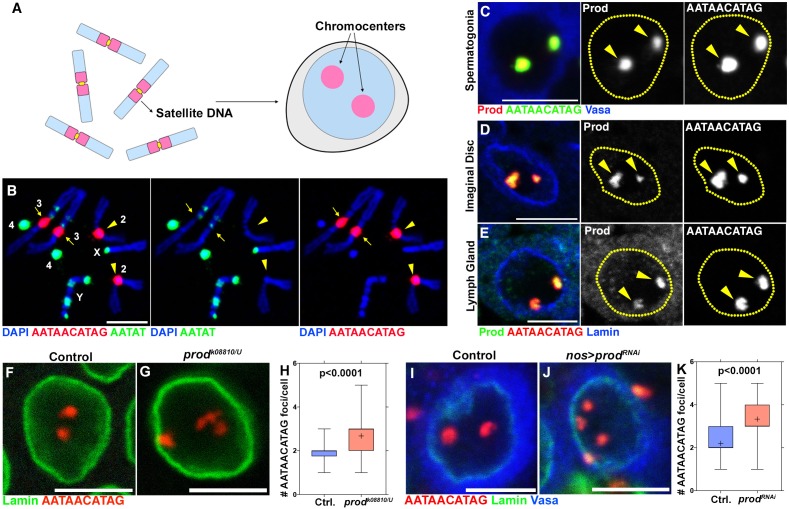
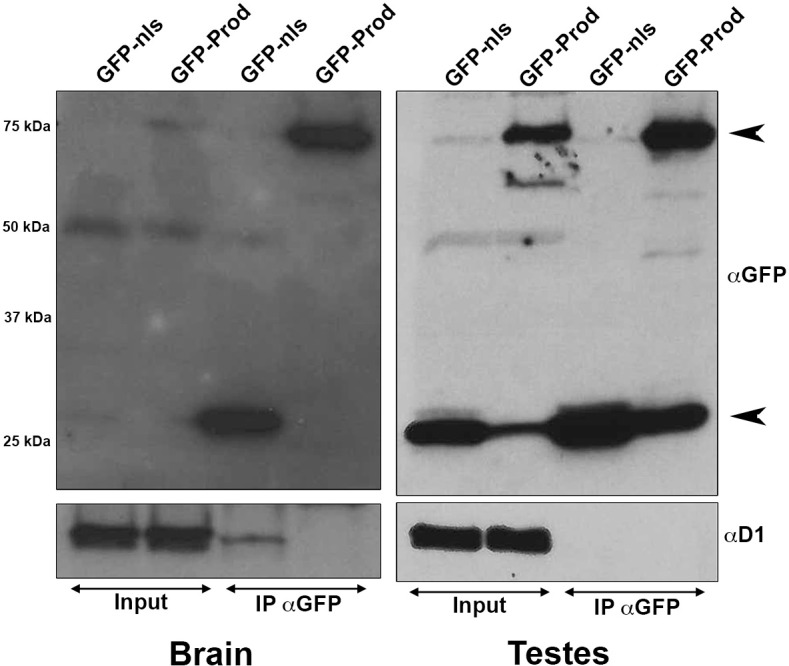
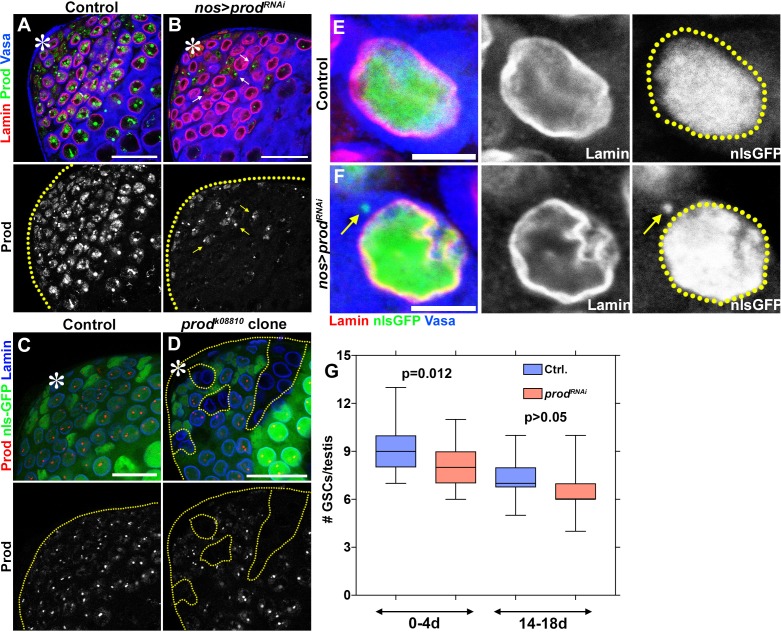
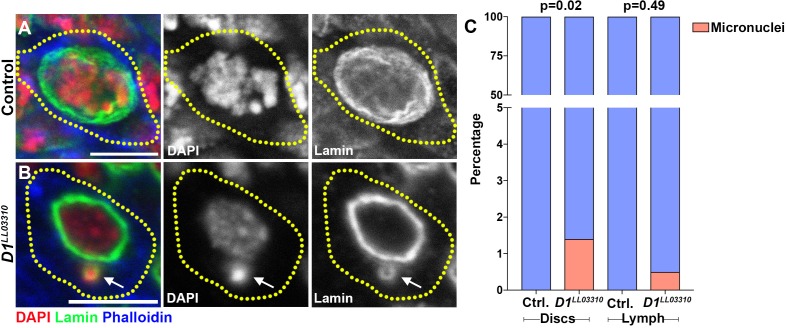
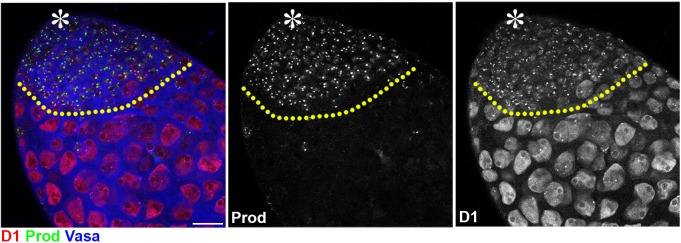
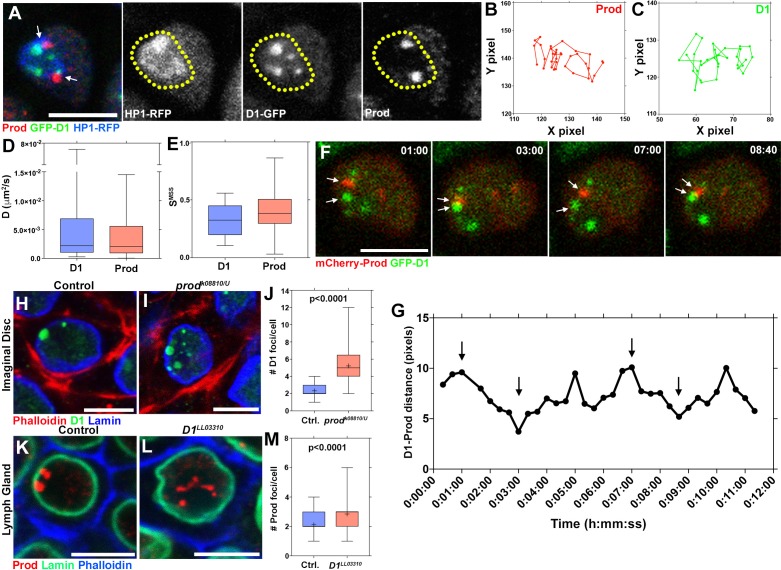
A central principle underlying the ubiquity and abundance of pericentromeric satellite DNA repeats in eukaryotes has remained poorly understood. Previously we proposed that the interchromosomal clustering of satellite DNAs into nuclear structures known as chromocenters ensures encapsulation of all chromosomes into a single nucleus (Jagannathan et al., 2018). Chromocenter disruption led to micronuclei formation, resulting in cell death. Here we show that chromocenter formation is mediated by a 'modular' network, where associations between two sequence-specific satellite DNA-binding proteins, D1 and Prod, bound to their cognate satellite DNAs, bring the full complement of chromosomes into the chromocenter. double mutants die during embryogenesis, exhibiting enhanced phenotypes associated with chromocenter disruption, revealing the universal importance of satellite DNAs and chromocenters. Taken together, we propose that associations between chromocenter modules, consisting of satellite DNA binding proteins and their cognate satellite DNA, package the genome within a single nucleus.
真核生物着丝粒卫星 DNA 重复序列普遍存在且丰富的一个基本原理仍未得到很好的理解。之前我们提出,卫星 DNA 在内染色体簇集到称为着丝粒的核结构中,确保所有染色体封装到单个核中(Jagannathan 等人,2018 年)。着丝粒的破坏导致微核的形成,从而导致细胞死亡。在这里,我们表明着丝粒的形成是由一个“模块化”网络介导的,在这个网络中,两个序列特异性卫星 DNA 结合蛋白 D1 和 Prod 与它们的同源卫星 DNA 之间的关联将完整的染色体组带入着丝粒。双突变体在胚胎发生过程中死亡,表现出与着丝粒破坏相关的增强表型,揭示了卫星 DNA 和着丝粒的普遍重要性。总之,我们提出,由卫星 DNA 结合蛋白及其同源卫星 DNA 组成的着丝粒模块之间的关联将基因组封装在单个核内。