Institute of Inflammation and Ageing, University of Birmingham, Birmingham B15 2TT, UK.
Institute of Cardiovascular Sciences, College of Medical and Dental Sciences, University of Birmingham, Birmingham B15 2TT, UK.
J Cell Sci. 2019 Feb 25;132(5):jcs222067. doi: 10.1242/jcs.222067.
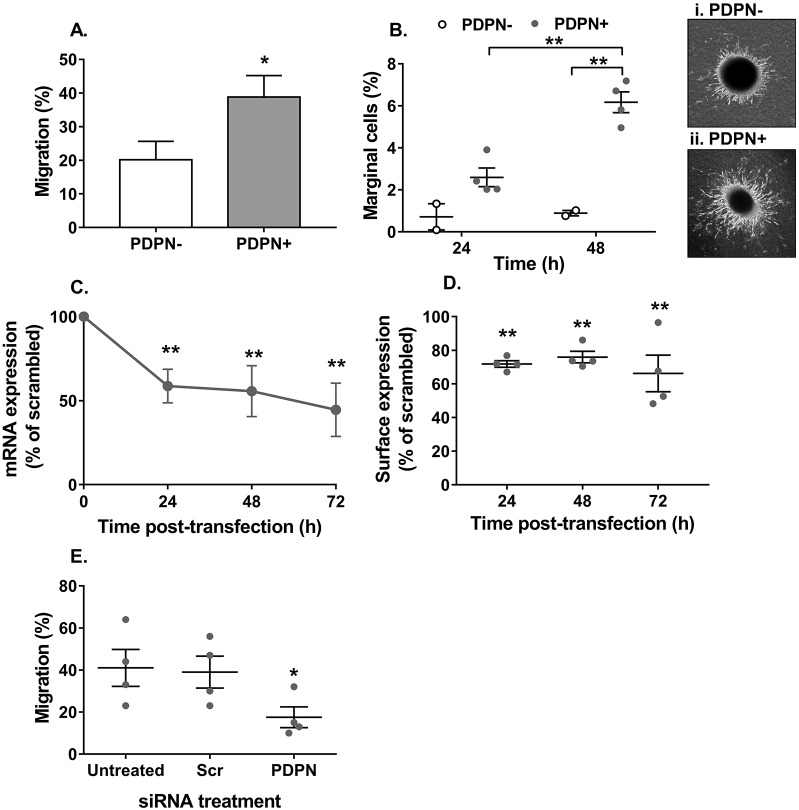
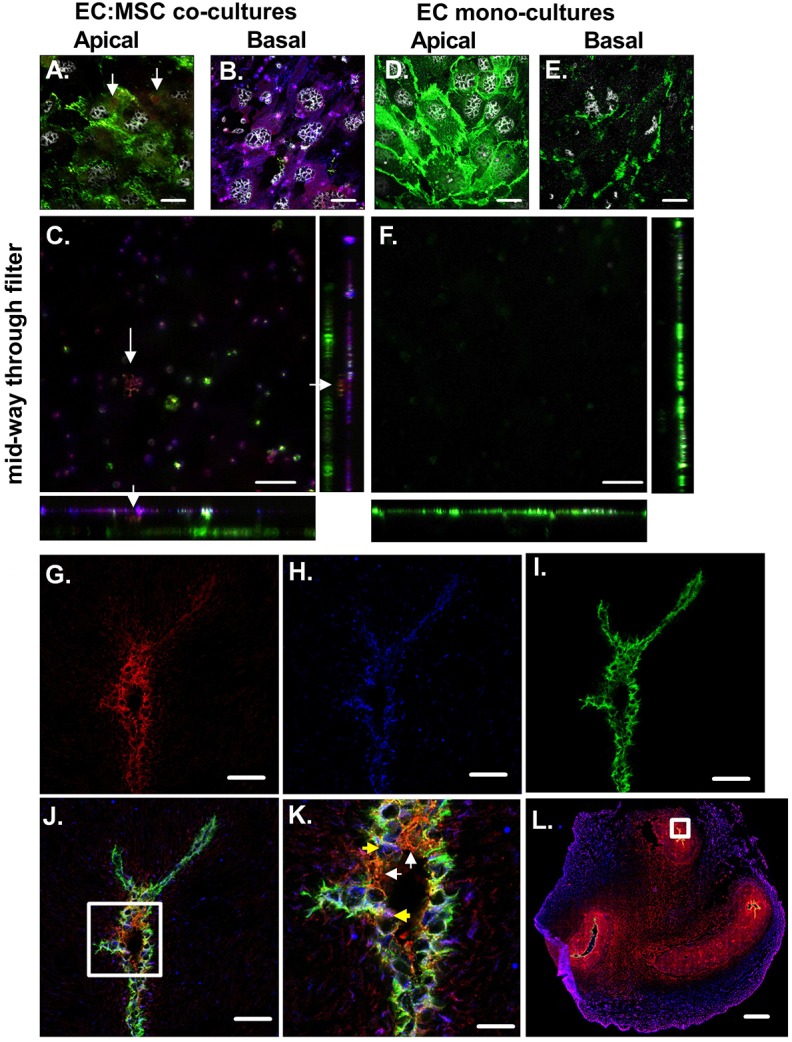
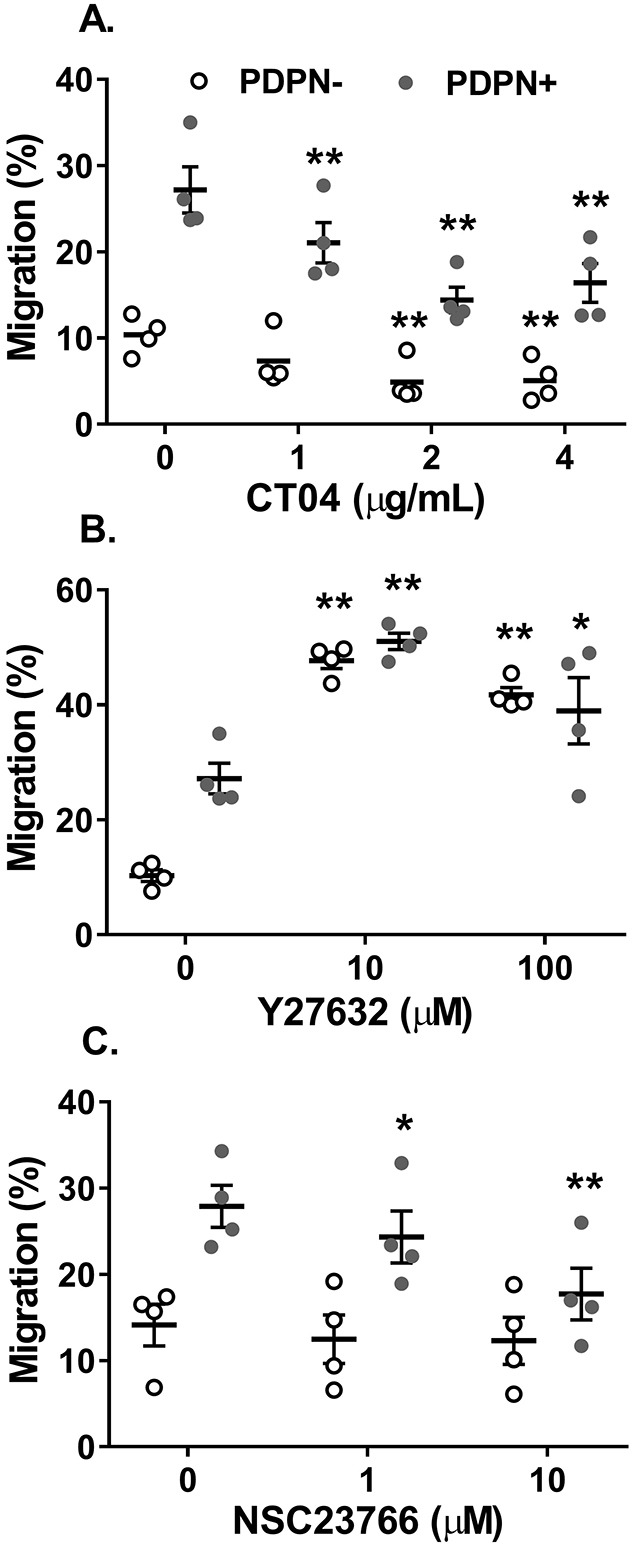
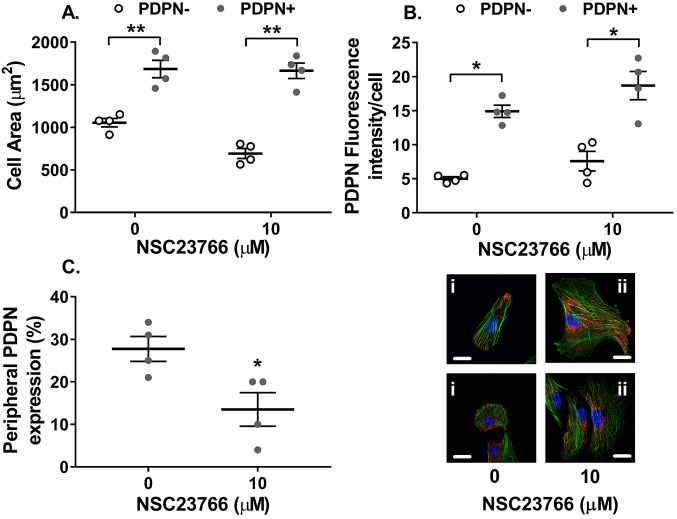
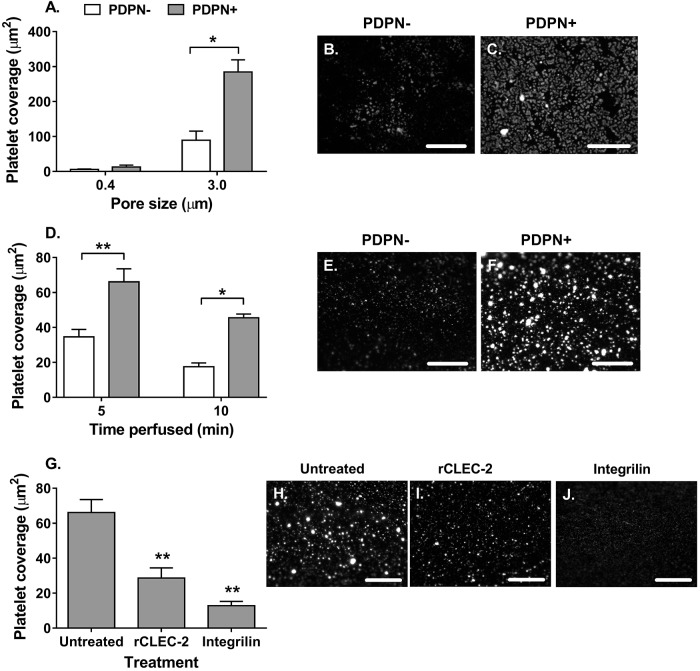
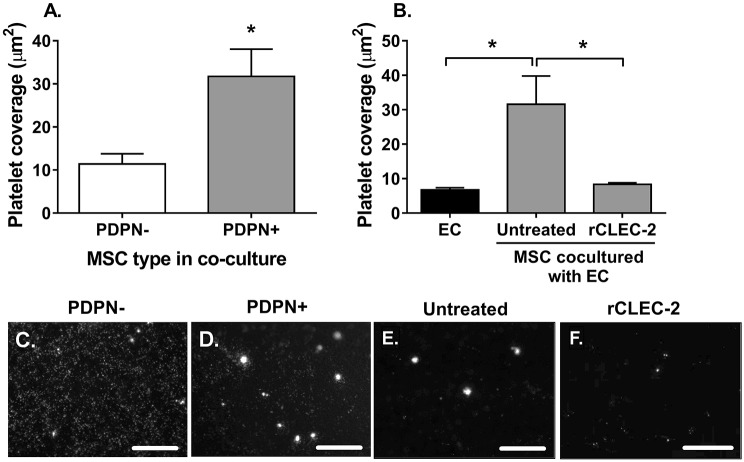
Mesenchymal stromal cells (MSCs) upregulate podoplanin at sites of infection, chronic inflammation and cancer. Here, we investigated the functional consequences of podoplanin expression on the migratory potential of MSCs and their interactions with circulating platelets. Expression of podoplanin significantly enhanced the migration of MSCs compared to MSCs lacking podoplanin. Rac-1 inhibition altered the membrane localisation of podoplanin and in turn significantly reduced MSC migration. Blocking Rac-1 activity had no effect on the migration of MSCs lacking podoplanin, indicating that it was responsible for regulation of migration through podoplanin. When podoplanin-expressing MSCs were seeded on the basal surface of a porous filter, they were able to capture platelets perfused over the uncoated apical surface and induce platelet aggregation. Similar microthrombi were observed when endothelial cells (ECs) were co-cultured on the apical surface. Confocal imaging shows podoplanin-expressing MSCs extending processes into the EC layer, and these processes could interact with circulating platelets. In both models, platelet aggregation induced by podoplanin-expressing MSCs was inhibited by treatment with recombinant soluble C-type lectin-like receptor 2 (CLEC-2; encoded by the gene ). Thus, podoplanin may enhance the migratory capacity of tissue-resident MSCs and enable novel interactions with cells expressing CLEC-2.
间充质基质细胞 (MSCs) 在感染、慢性炎症和癌症部位上调足突蛋白。在这里,我们研究了足突蛋白表达对 MSCs 迁移潜力及其与循环血小板相互作用的功能后果。与缺乏足突蛋白的 MSCs 相比,足突蛋白的表达显著增强了 MSCs 的迁移。Rac-1 抑制改变了足突蛋白的膜定位,进而显著降低了 MSC 的迁移。阻断 Rac-1 活性对缺乏足突蛋白的 MSCs 的迁移没有影响,表明它通过足突蛋白调节迁移。当表达足突蛋白的 MSCs 接种在多孔滤器的基底表面时,它们能够捕获在未涂覆的顶表面上灌注的血小板并诱导血小板聚集。当内皮细胞 (ECs) 共培养在顶表面上时,观察到类似的微血栓。共聚焦成像显示表达足突蛋白的 MSCs 将突起延伸到 EC 层中,这些突起可以与循环血小板相互作用。在这两种模型中,用重组可溶性 C 型凝集素样受体 2 (CLEC-2; 由基因编码) 处理可抑制由表达足突蛋白的 MSC 诱导的血小板聚集。因此,足突蛋白可能增强组织驻留 MSCs 的迁移能力,并能够与表达 CLEC-2 的细胞进行新的相互作用。