Bandyopadhyay Amit, Traxel Kellen D
W. M. Keck Biomedical Materials Research Laboratory School of Mechanical and Materials Engineering Washington State University, Pullman, WA 99164, USA,
Addit Manuf. 2018 Aug;22:758-774. doi: 10.1016/j.addma.2018.06.024. Epub 2018 Jul 2.
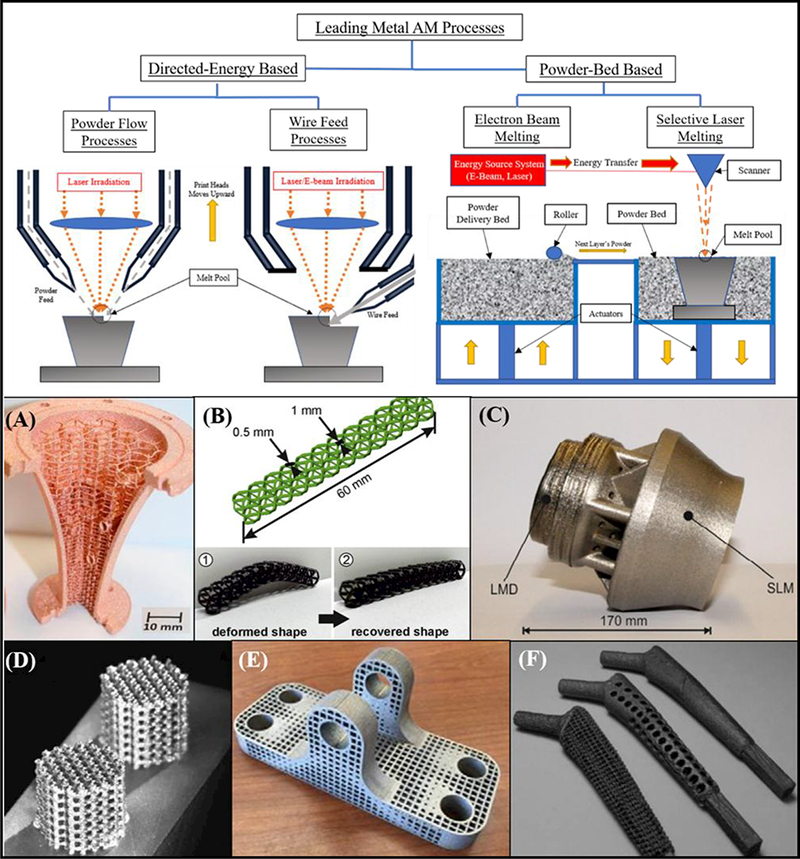
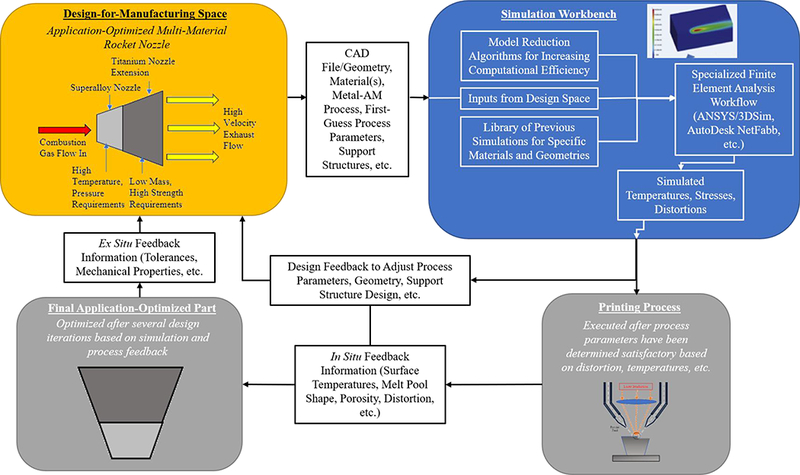
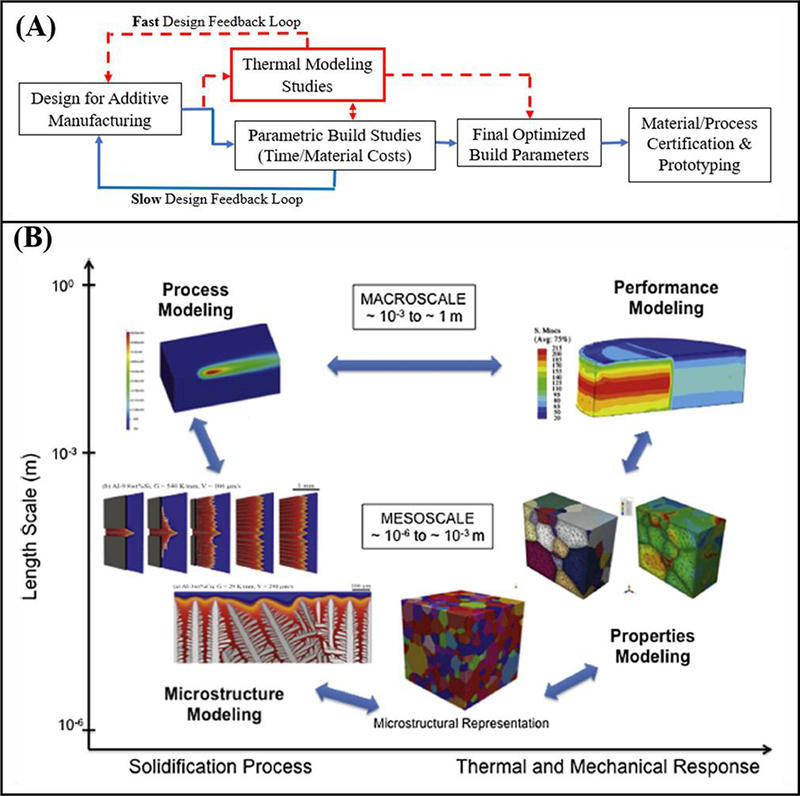
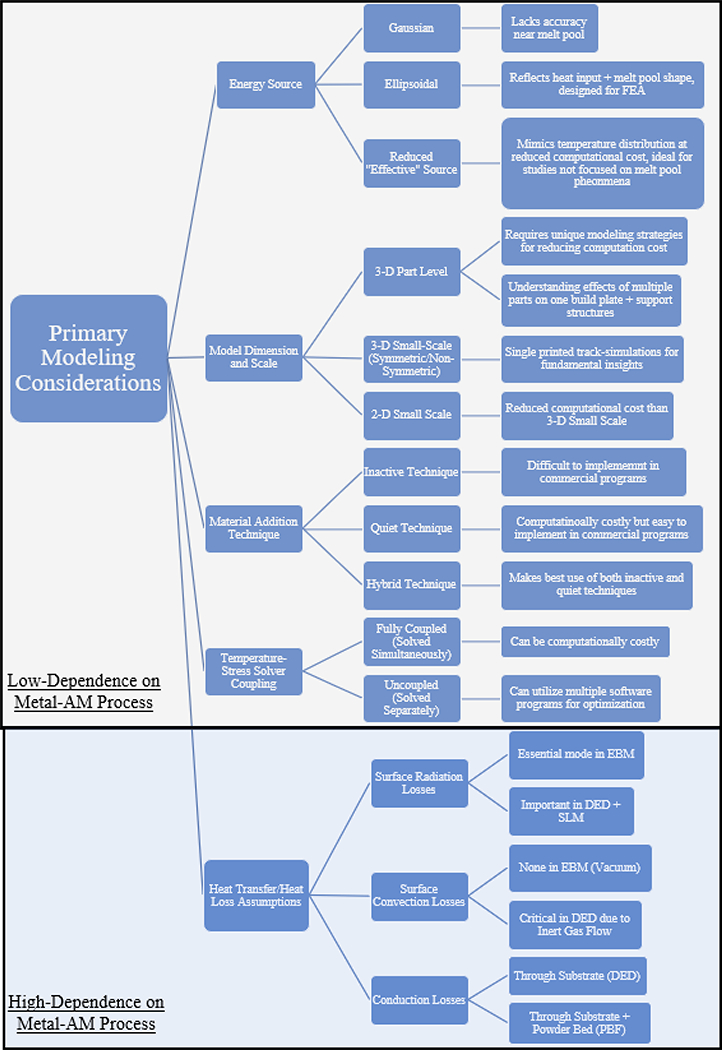
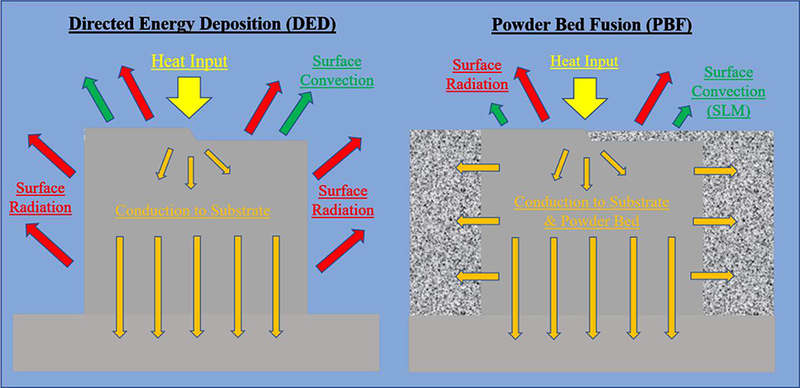
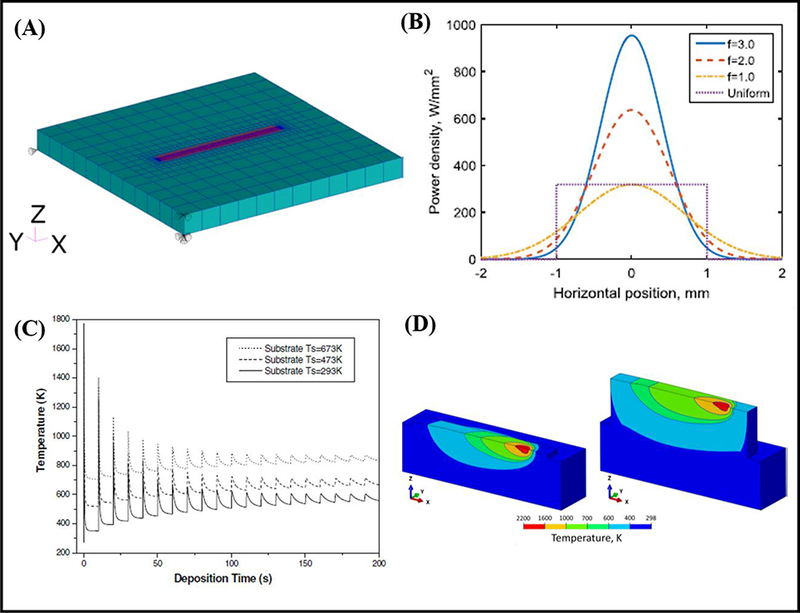
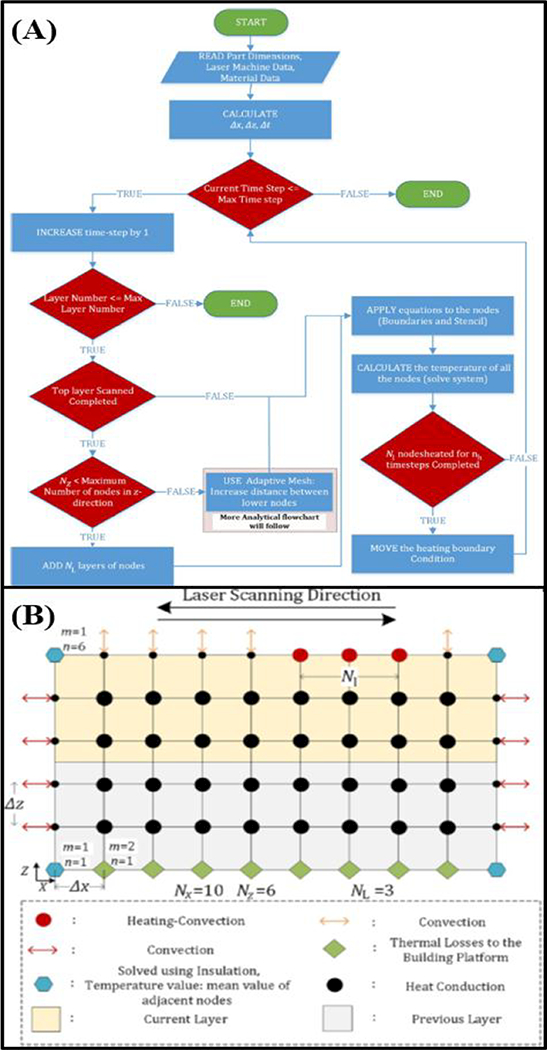
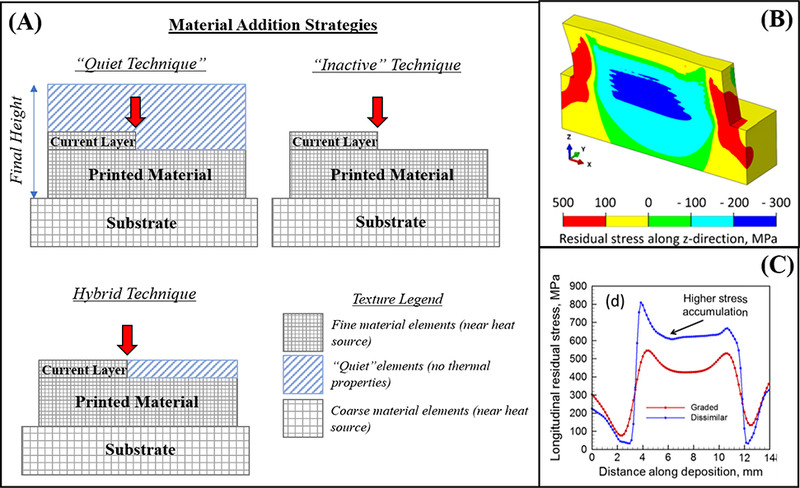
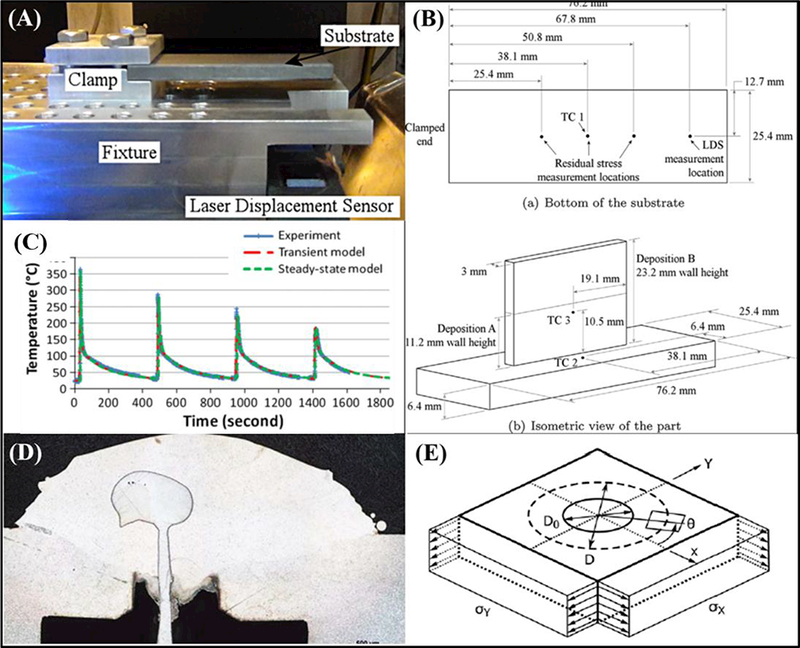
Next generation, additively-manufactured metallic parts will be designed with application-optimized geometry, composition, and functionality. Manufacturers and researchers have investigated various techniques for increasing the reliability of the metal-AM process to create these components, however, understanding and manipulating the complex phenomena that occurs within the printed component during processing remains a formidable challenge-limiting the use of these unique design capabilities. Among various approaches, thermomechanical modeling has emerged as a technique for increasing the reliability of metal-AM processes, however, most literature is specialized and challenging to interpret for users unfamiliar with numerical modeling techniques. This review article highlights fundamental modeling strategies, considerations, and results, as well as validation techniques using experimental data. A discussion of emerging research areas where simulation will enhance the metal-AM optimization process is presented, as well as a potential modeling workflow for process optimization. This review is envisioned to provide an essential framework on modeling techniques to supplement the experimental optimization process.
下一代通过增材制造的金属零件将采用针对应用进行优化的几何形状、成分和功能进行设计。制造商和研究人员已经研究了各种提高金属增材制造工艺可靠性以制造这些部件的技术,然而,理解和控制加工过程中打印部件内部发生的复杂现象仍然是一项艰巨的挑战,这限制了这些独特设计能力的应用。在各种方法中,热机械建模已成为一种提高金属增材制造工艺可靠性的技术,然而,大多数文献都很专业,对于不熟悉数值建模技术的用户来说难以理解。本文综述重点介绍了基本的建模策略、注意事项和结果,以及使用实验数据的验证技术。文中还讨论了模拟将增强金属增材制造优化过程的新兴研究领域,以及用于工艺优化的潜在建模工作流程。预计这篇综述将提供一个关于建模技术的基本框架,以补充实验优化过程。