Community Health Worker Coalition for Migrants & Refugees, Department of Health Services, University of Washington, Washington, USA.
Center for Community Health and Evaluation, Kaiser Permanente Washington Health Research Institute, 1730 Minor Ave, Suite 1600, Seattle, WA, 98101, USA.
BMC Oral Health. 2019 Feb 13;19(1):30. doi: 10.1186/s12903-019-0723-7.
Oral health is one of the greatest unmet health needs of migrant farmworkers and many migrant workers lack basic oral health knowledge. This paper presents evaluation results for an oral health education program designed to both increase knowledge concerning oral health practices and to gain a better understanding of the knowledge, attitudes and behaviors regarding oral health among migrant workers.
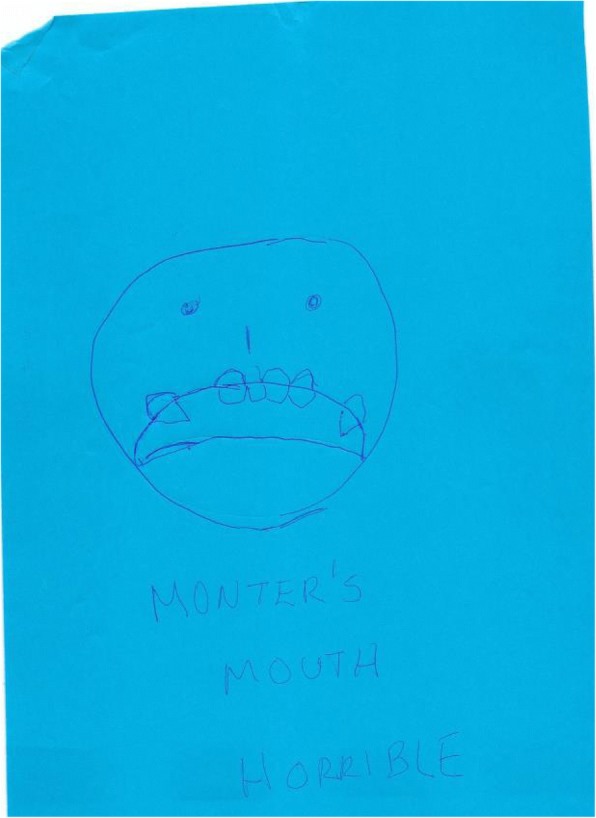
We used a pre-post uncontrolled design to assess the impact of the education program on participant knowledge about oral health practices. Changes in knowledge were assessed using a paper and pencil survey given to participants before the session began (pre) and at the end of the session (post). The pre-post survey was supplemented by qualitative information in the form of participant self-reported barriers and facilitators, and figure drawings illustrating their feelings about the state of their own oral health.
There were 311 participants in 12 workshops held in 2017 throughout Washington State. There were statistically significant increases in knowledge for all of the pre/post survey questions. Questions with particularly large improvements included: the results of having a mouth infection, factors causing oral health problems, and whether children in low-income families experience more tooth decay.
An interactive, lay-led oral health education program can be an effective way to increase oral health knowledge in migrant populations. Recommendations for similar programs include using interactive approaches to engage participants, being open to learning and changing your own thinking, and using lay leaders for the education sessions.
口腔健康是农民工最大的未满足健康需求之一,许多农民工缺乏基本的口腔健康知识。本文介绍了一个口腔健康教育计划的评估结果,该计划旨在提高有关口腔健康实践的知识,并更好地了解农民工的口腔健康知识、态度和行为。
我们使用前后无对照设计来评估教育计划对参与者口腔健康实践知识的影响。使用在课程开始前(前)和课程结束时(后)给参与者的纸质问卷评估知识的变化。前后调查补充了参与者自我报告的障碍和促进因素的定性信息,以及说明他们对自己口腔健康状况的感受的图表。
2017 年,在华盛顿州各地举办的 12 个讲习班中,有 311 名参与者。所有前后调查问题的知识都有统计学上的显著提高。改进特别大的问题包括:口腔感染的结果、导致口腔健康问题的因素,以及低收入家庭的孩子是否更容易患龋齿。
互动式、以非专业人员为主导的口腔健康教育计划可以有效提高移民群体的口腔健康知识。类似项目的建议包括使用互动式方法吸引参与者,开放学习和改变自己的思维,以及在教育课程中使用非专业人员。